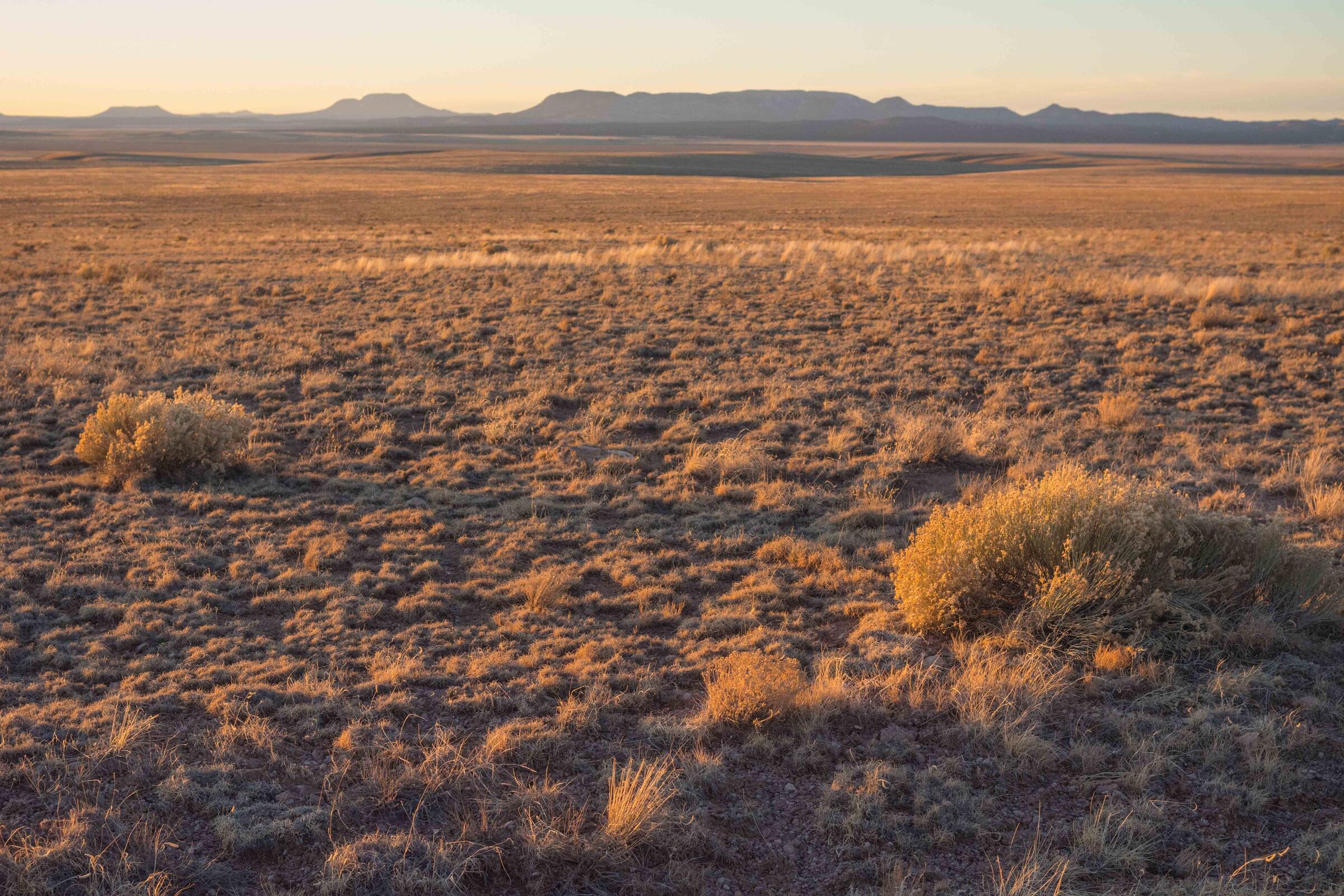
For the Indigenous people of the sunbaked American Southwest, the need for rainfall demands ceremonies, and ceremonies call for music. “It’s really not a ceremony without some sort of music,” says Marlon Magdalena, a traditional flute maker and player who is a member of New Mexico’s Jemez Pueblo. “The songs all mention moisture, either rain or, in the winter, snow. We need that water to grow our plants. That’s what we’re praying for.” Ritual, song, and water have been intertwined in the Four Corners region for thousands of years. The Ancestral Puebloans who inhabited this region built sophisticated water-management systems and ceremonial complexes at Mesa Verde and other population centers, which reached their apexes between A.D. 900 and 1300. Archaeologists in the nineteenth and twentieth centuries excavated scores of ancient musical instruments at these sites. But the region’s musical tradition dates back even further.
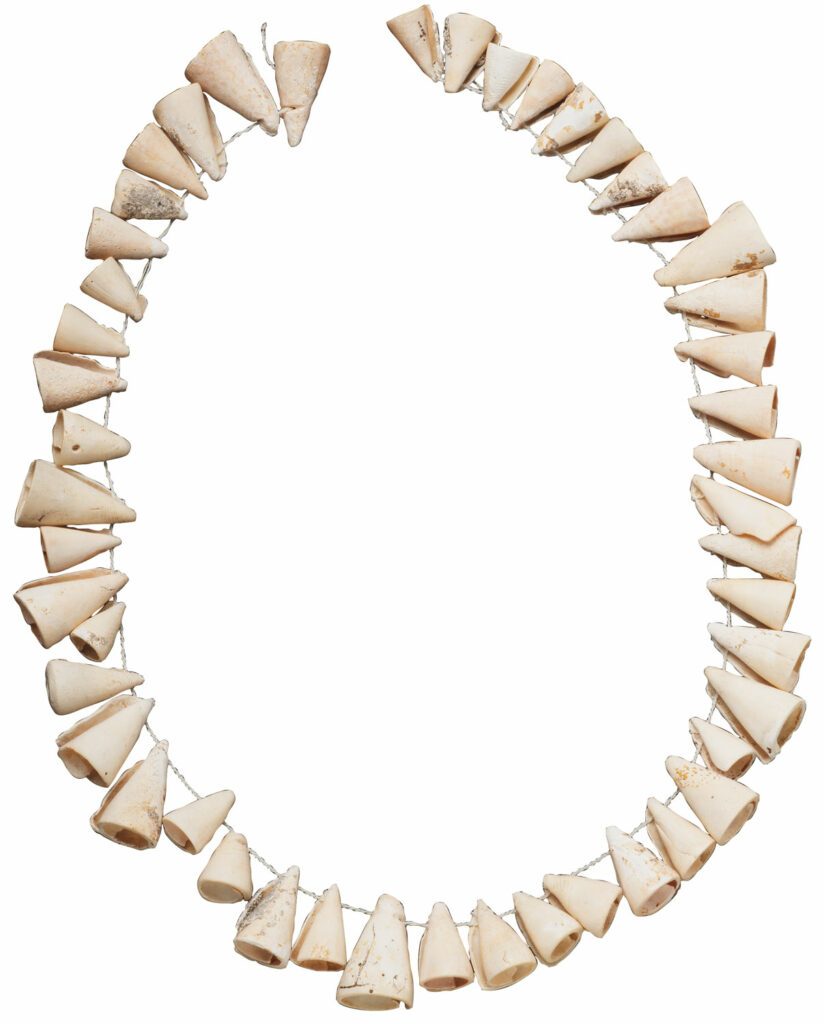
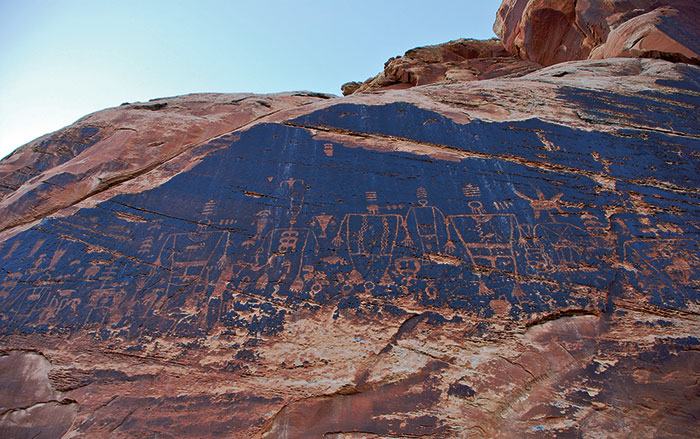
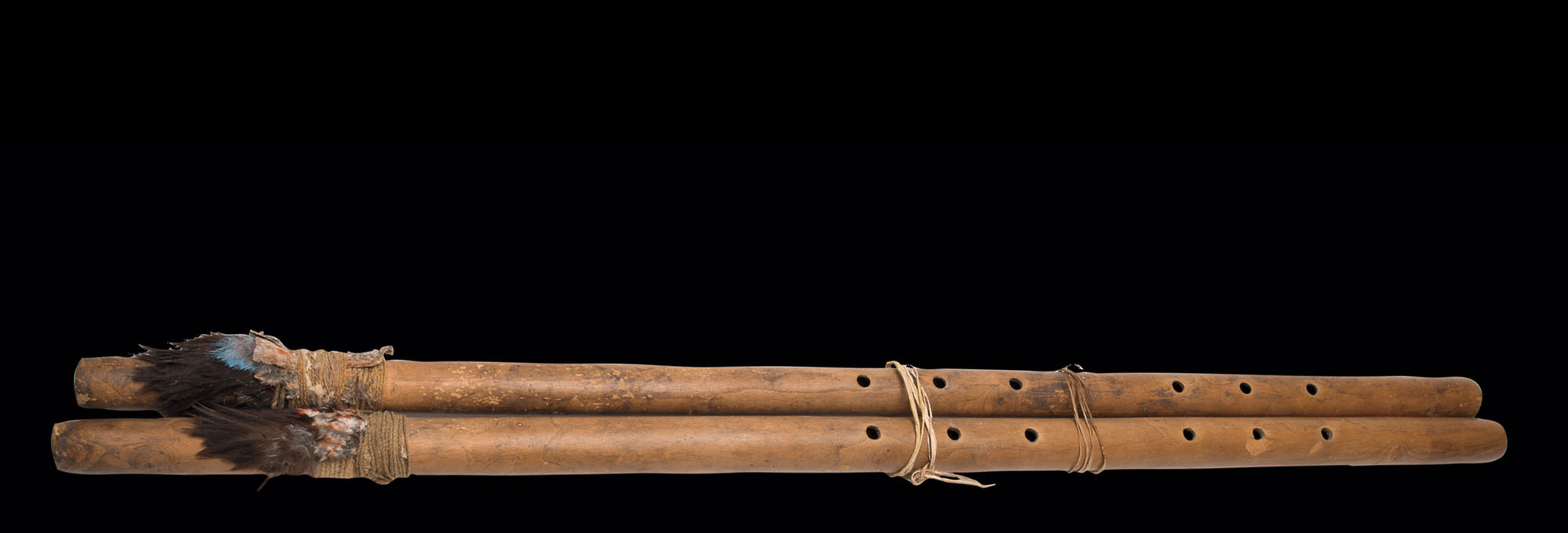
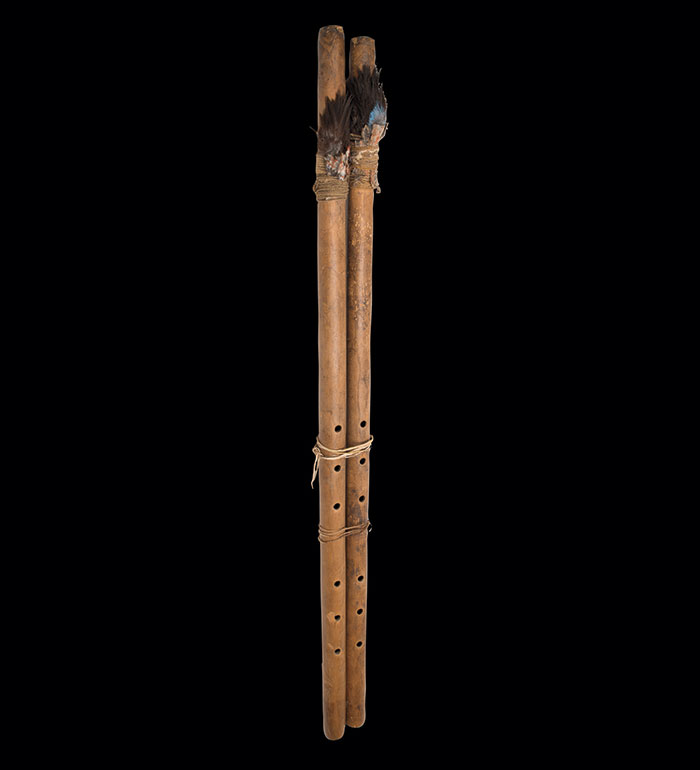
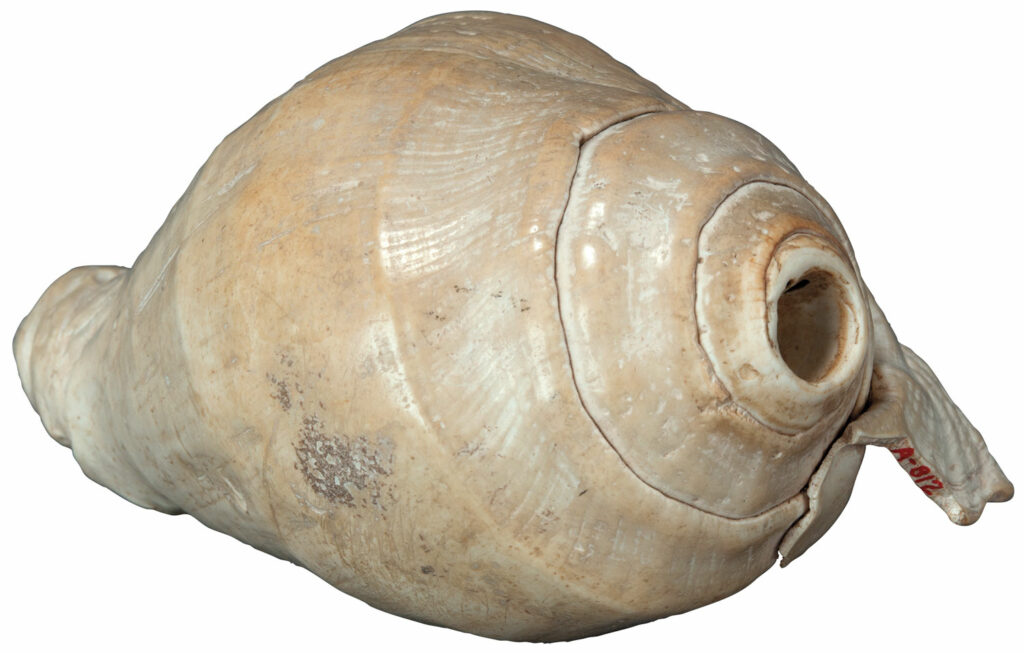
At a site called Broken Flute Cave in northeastern Arizona, archaeologists found wooden flutes dating to the mid-seventh century A.D. that would have been difficult to play. The largest are nearly two and a half feet long and were played by blowing air at an angle into the end of the tube. “The longer you play them, the air starts condensing inside the flute, and it will start dripping,” says Magdalena. “It’s like you’re making it rain.” Rock art from this period depicts flutists with bird heads who were likely specialized ritual practitioners. Over the next seven centuries, the Ancestral Puebloan array of instruments expanded to include rattles made with turtle shells and cocoons, noisemakers crafted from seashells and walnut shells, and drums consisting of wooden boards set over pits that people danced upon. Rarer were conch-shell trumpets and flutes or whistles carved from eagle bones. “Instruments became easier to play, meaning that potentially more people could play them at once,” says archaeologist Emily Brown of Aspen CRM Solutions. “There’s a greater sense of inclusion in some ceremonies. The more people who participate—the more of that intention and energy—the more successful the whole event is.”
To see more images of instruments from the ancient Southwest and see and hear Marlon Magdalena playing several different types of ancient flute, click here.