THAILAND
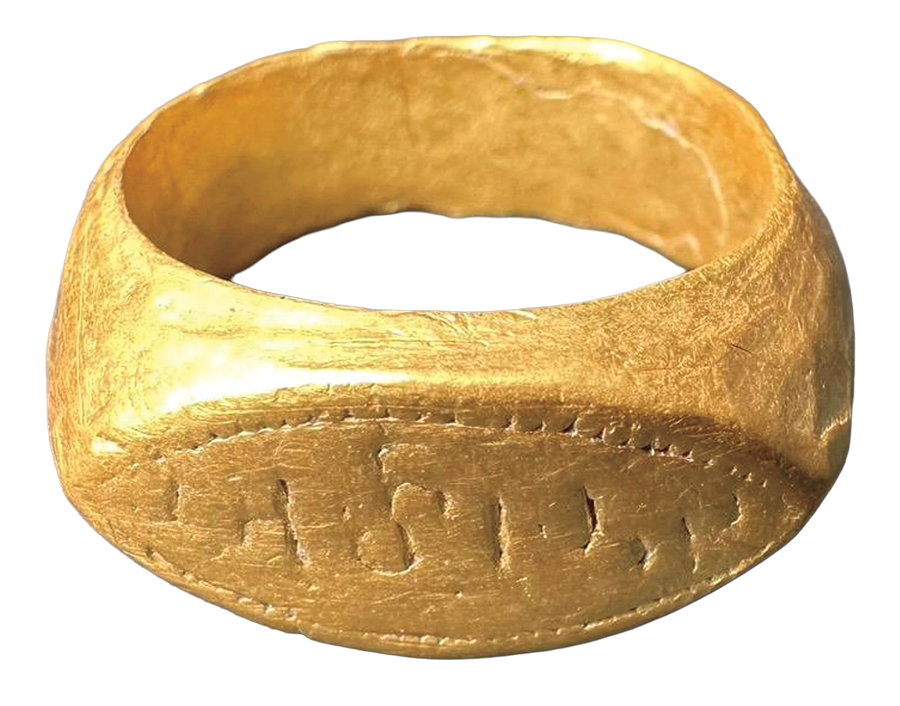
A rare gold ring unearthed in a burial at the Don Yai Thong site in Phetchaburi Province has highlighted the area’s broad cultural connections and involvement in ancient trade networks linking India with Vietnam 2,000 years ago. The ring is engraved with Brahmi characters—an ancient Indian writing system—that spell out pusarakhitasa, or “the one protected by Pushya.” Pushya is a zodiac sign in Indian astrology. Experts believe the ring’s original owner may have belonged to the Vaishya caste, which included merchants and traders.
Related Content
Around the World November/December 2025
THAILAND
Letter From Cambodia March/April 2013
The Battle Over Preah Vihear
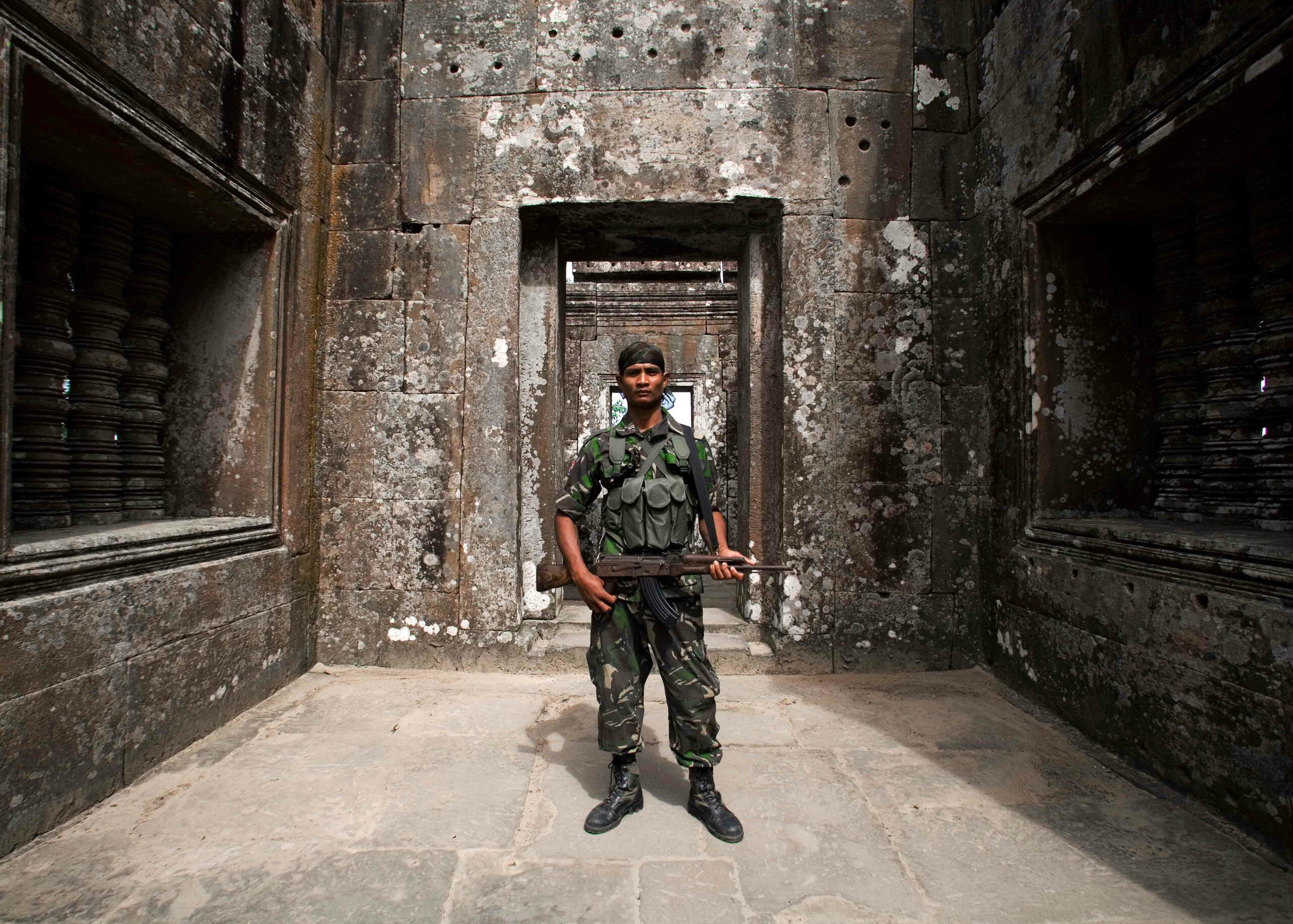
A territorial dispute involving a 1,100-year-old Khmer temple on the Thai-Cambodian border turns violent
CHINA
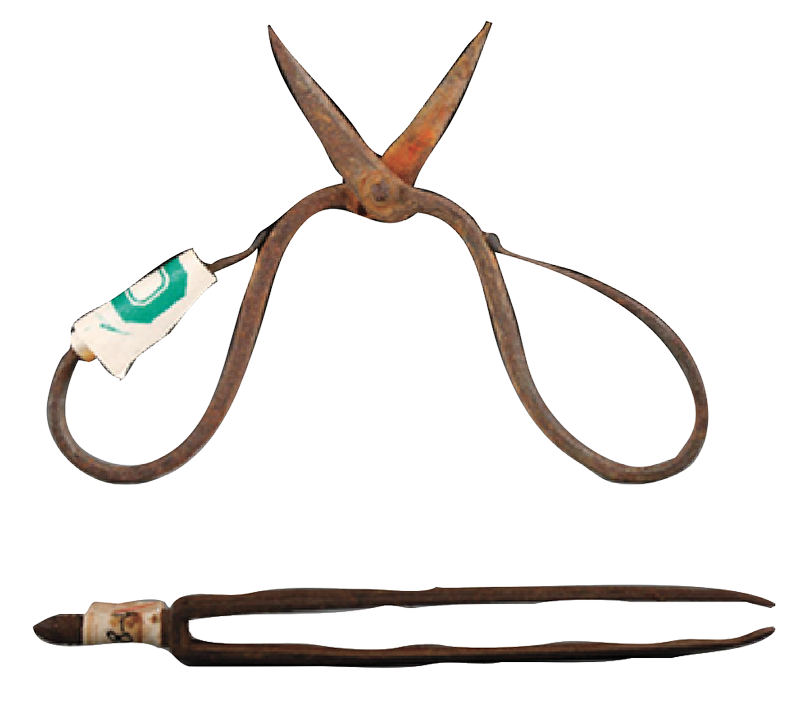
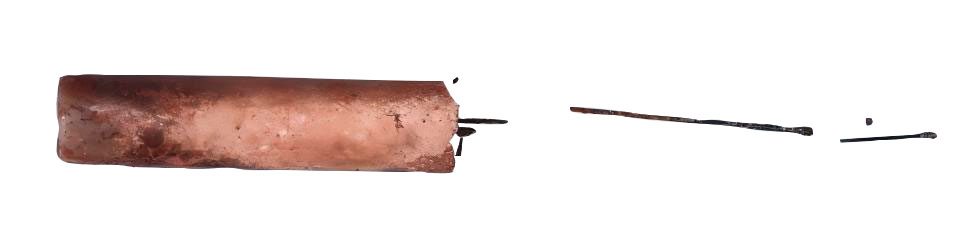
A Ming Dynasty doctor named Xia Quan was entombed with his medical instruments in Jiangsu Province in the early 15th century. Analysis of residue on tweezers and scissors detected the presence of a toxic substance derived from the plant genus Aconitum, also known as monkshood. Ancient Chinese medical texts record that Aconitum powder could be used as a topical anesthetic prior to surgical incisions, but this is the earliest archaeological evidence of the substance having been employed in a medical procedure.
Related Content
UZBEKISTAN
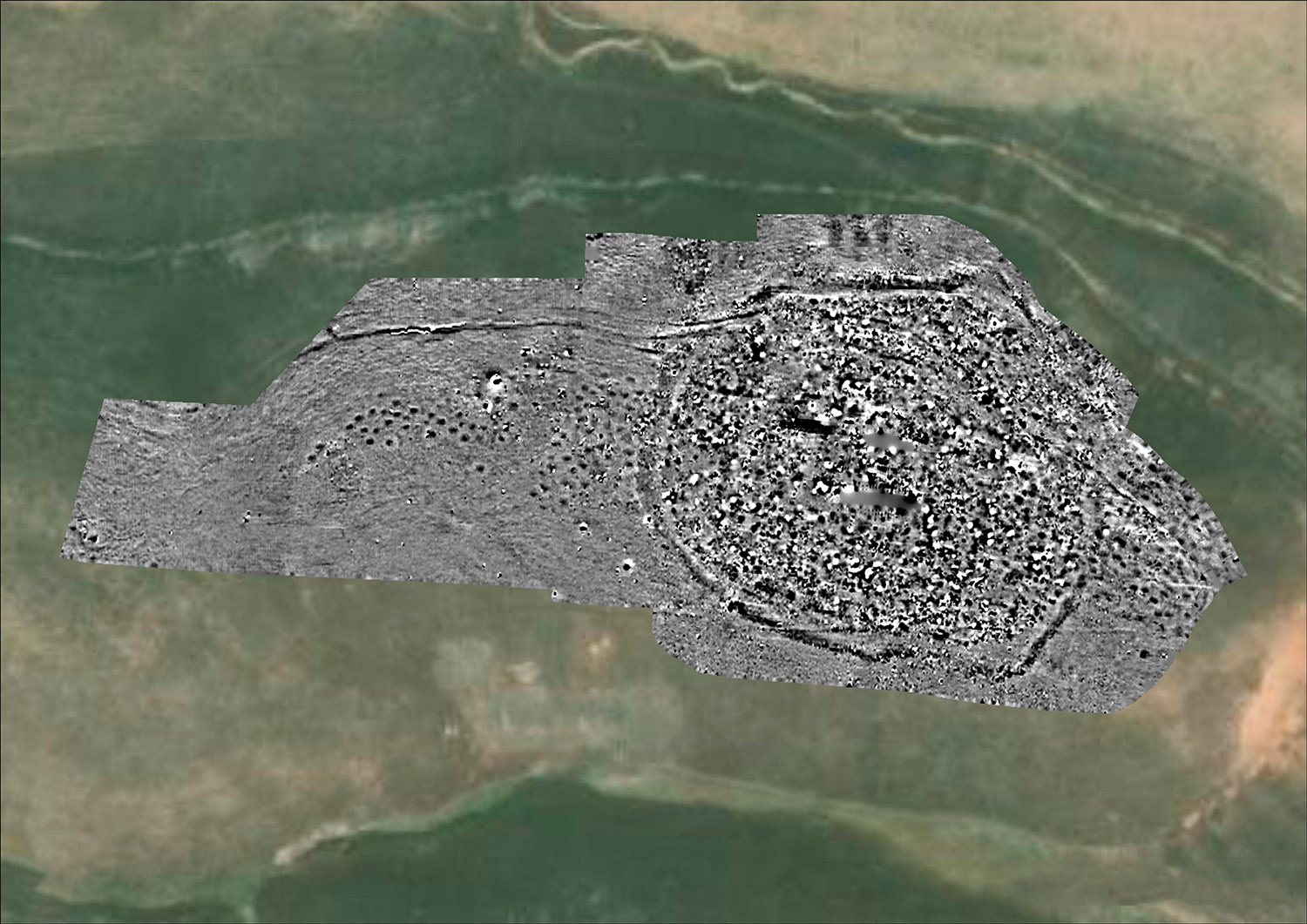
New work at the hilltop site of Iskandar Tepa has led to the proposed reinterpretation of the mound as a Hellenistic-period Greek military camp—the first ever identified in Central Asia. Alexander the Great conquered the region around 327 b.c., and his successors went on to found the Greco-Bactrian Kingdom. Iskandar Tepa, which is surrounded by a large defensive ditch, was likely used for a short period in the 2nd century b.c. by Greco-Bactrian rulers to resupply troops and monitor territory along the frontier.
Related Content
The Music of Time September/October 2026
The New Sogdian Sound
Digs & Discoveries November/December 2025
On Her Own Two Feet
AZERBAIJAN
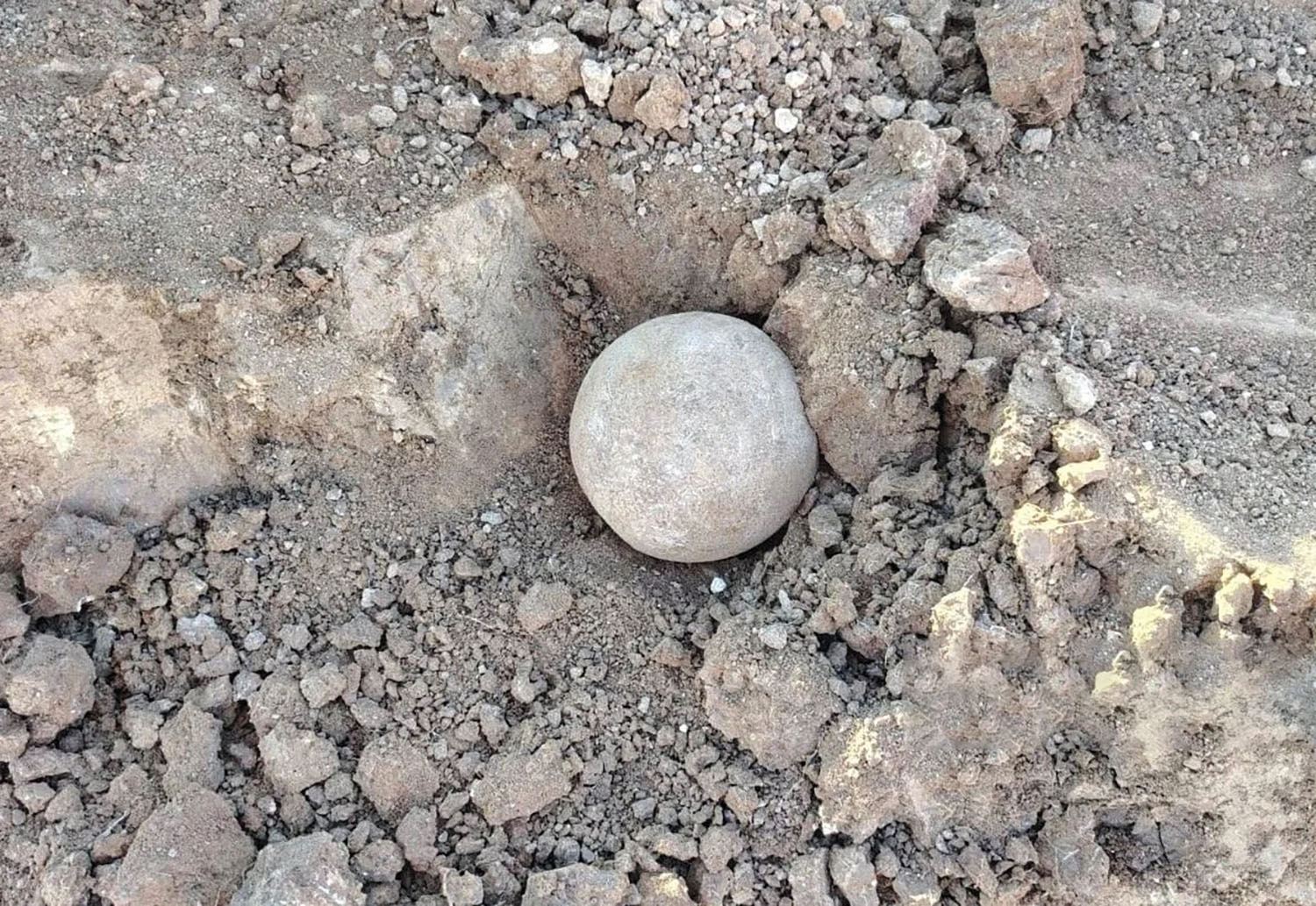
A mysterious Neolithic stone sphere unearthed in the Jalilabad District is unlike anything ever found before in the southern Caucasus. The polished four-pound ball was excavated at the site of Pashatepe, which dates to the 6th millennium b.c. Early farming communities sometimes created similarly shaped objects for use as hammerstones or grinding tools, but the recently discovered ball has no holes or impact marks to indicate that it was utilized in these ways. Experts suggest it may have had a ritual function.
Related Content
Around the World November/December 2025
AZERBAIJAN
Around the World November/December 2024
AZERBAIJAN
SOUTH AFRICA
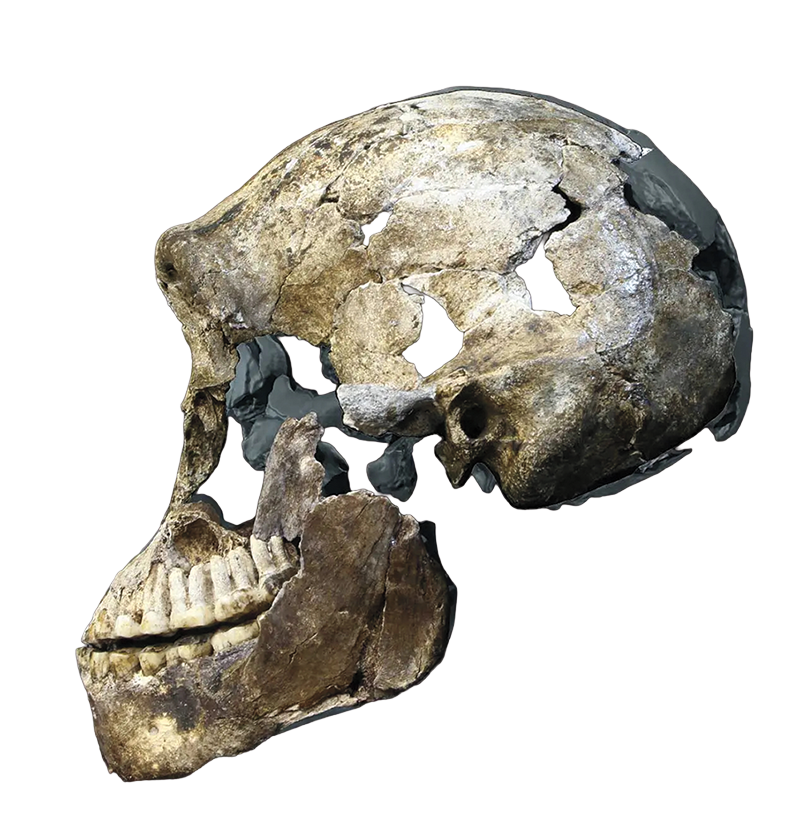
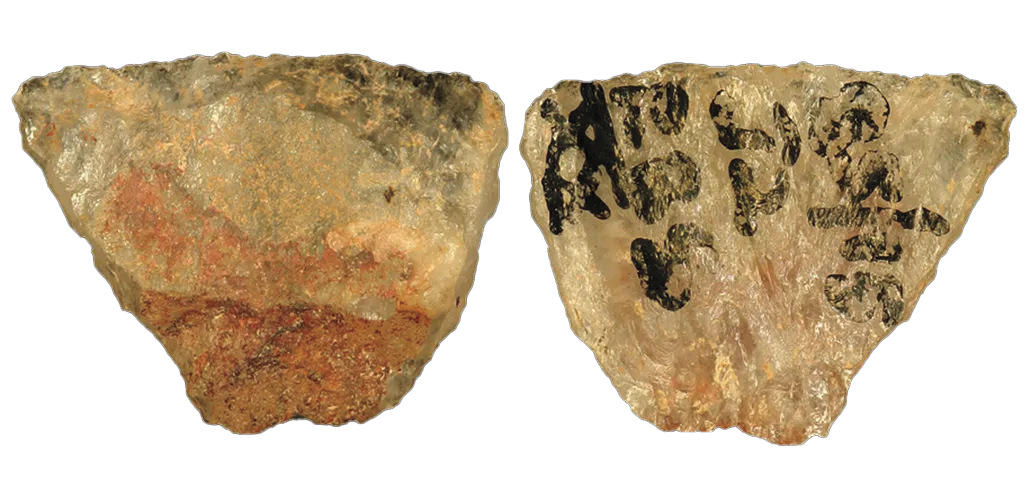
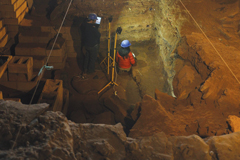
Several years ago, paleoanthropologists were astonished by the claim that an extinct human species called Homo naledi intentionally buried its dead in the Rising Star cave system between 335,000 and 241,000 years ago. This may be the earliest known hominin burial site. A new study has yielded another provocative claim. Analysis of protein in teeth from 20 different H. naledi individuals found in the cave system indicates that they were all female, raising the possibility that the hominin practiced sex-specific burials.
Related Content
Around the World May/June 2026
SOUTH AFRICA
Around the World July/August 2021
SOUTH AFRICA
TURKEY
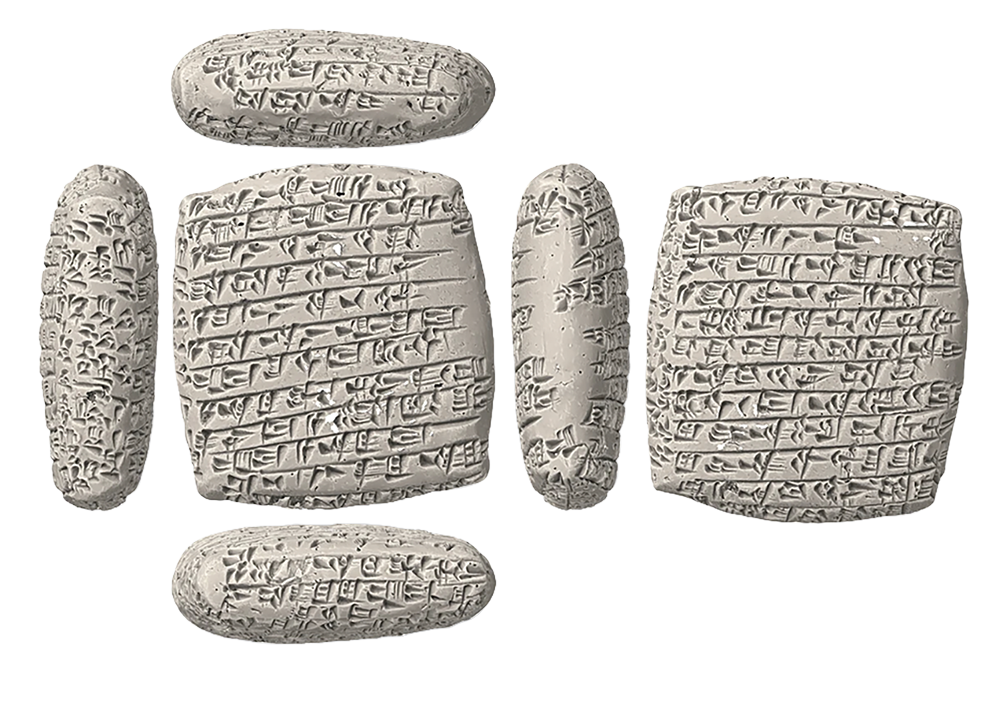
Assyrian cuneiform correspondence written on tablets was often sealed in clay envelopes that had to be broken to read their contents. For the first time, scanning technology has allowed Assyriologists to view these messages without destroying the envelopes. Among the newly legible missives found in the ancient city of Kanesh is a 3,800-year-old letter sent from a woman named Anna-anna to her husband, Ennum-Ashur. Anna-anna expresses frustration over her attempts to recover silver owed to her husband and laments that the debtor refuses to repay her directly.
Related Content

ITALY
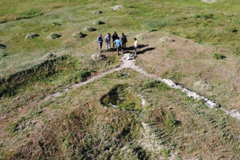
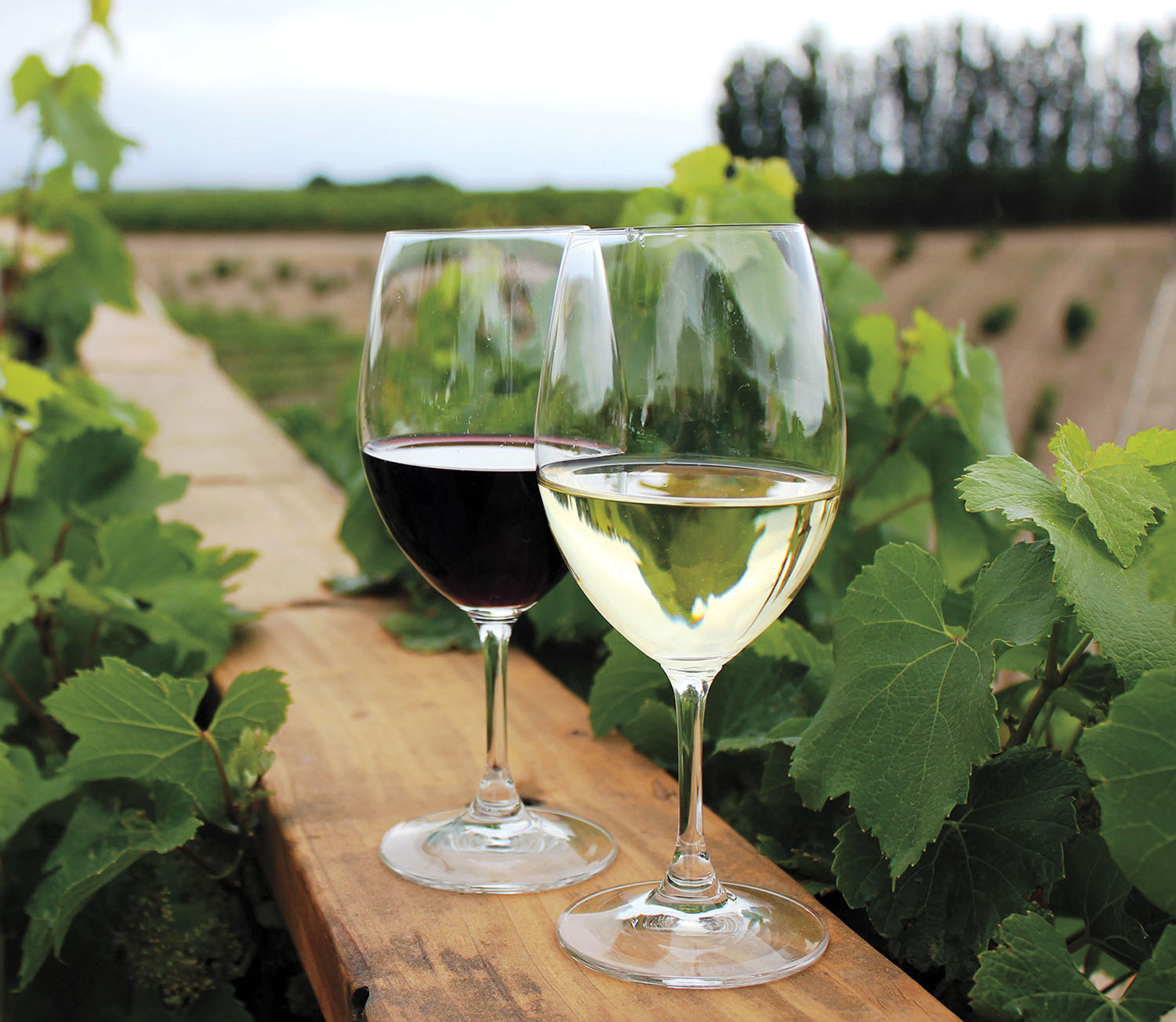
The region of Chianti is synonymous with red wine, and there is evidence of viniculture in the area dating back millennia. This includes dozens of 2,000-year-old grape seeds recovered from wells at the site of Cetamura del Chianti. A new study revealed that farmers grew a single variety of grape there for centuries. Unexpectedly, these were green grapes, which were used to make a white vintage, not the familiar red Chianti. It was only after the Roman conquest that new grape varietals were introduced.
Related Content
THE NETHERLANDS
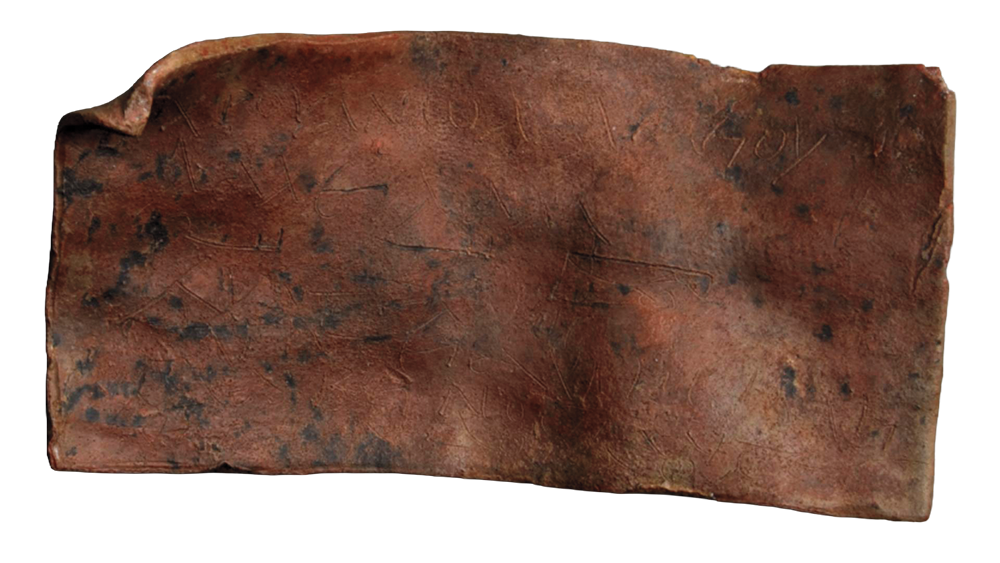
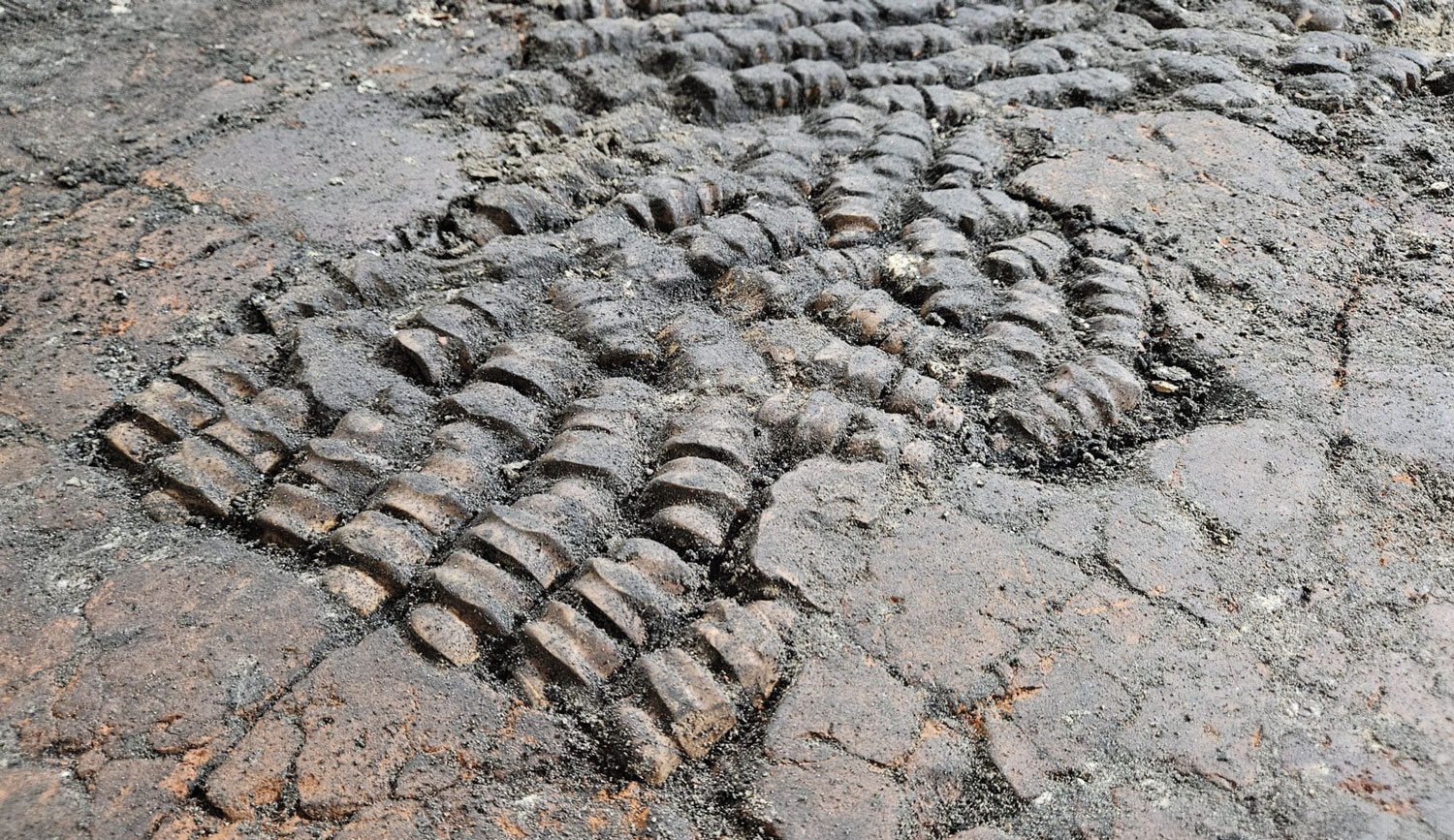
An exceptional 2nd-century a.d. lead curse tablet was uncovered in the city of Heerlen, the site of ancient Coriovallum. Roman-era curse tablets usually call upon magical spirits to punish adversaries. Most were written in Latin, but this one was inscribed using Greek letters. It also invokes various Egyptian-style demons and deities. The tablet lists four enslaved people—two men with Latin names and two women with Greek names. It is unclear whether these individuals commissioned the tablet or were the intended targets.
Related Content
Around the World March/April 2025
THE NETHERLANDS
Around the World September/October 2023
THE NETHERLANDS
MEXICO
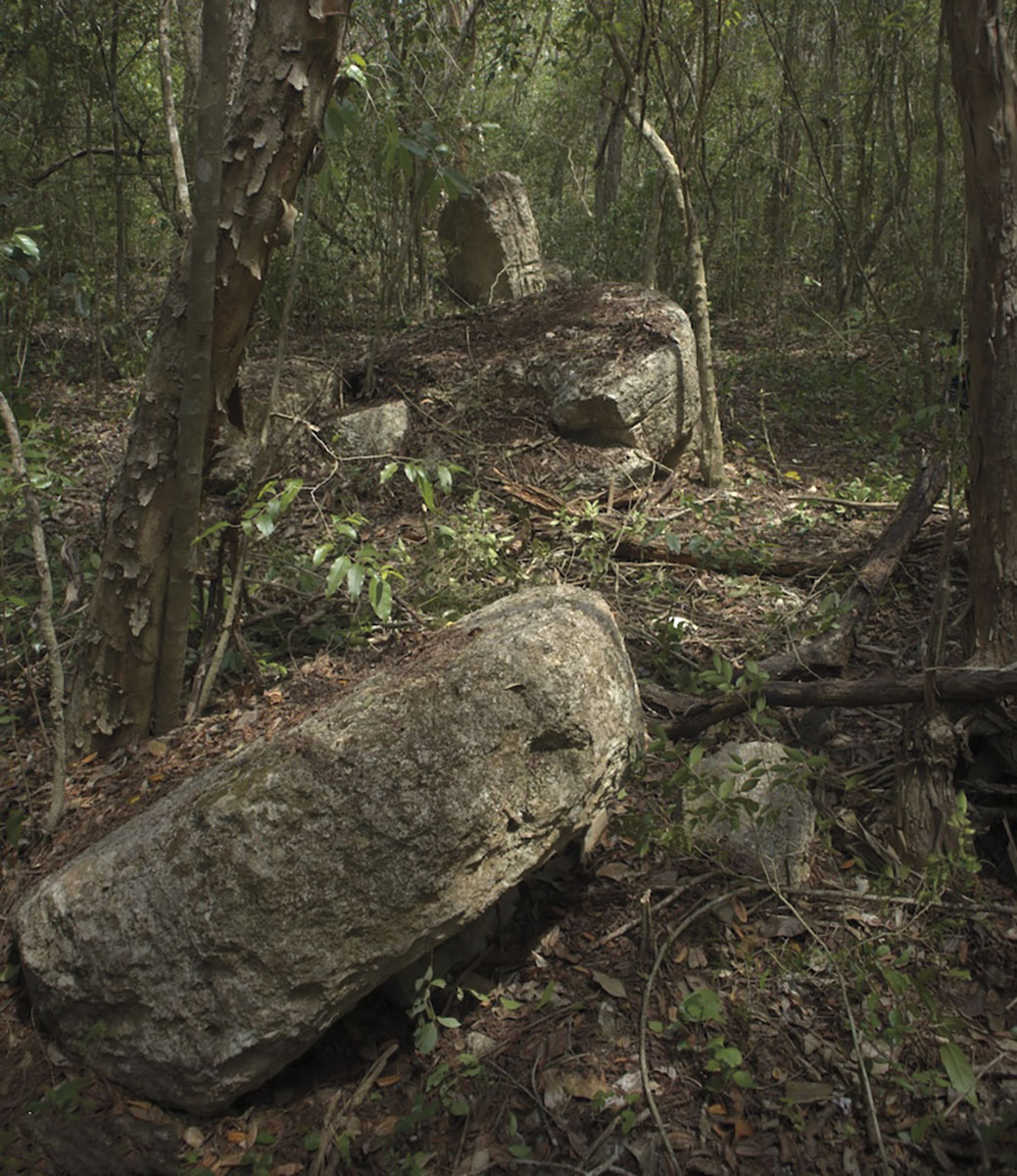
Archaeologists discovered a lost Maya city deep in the forests of the Yucatán Peninsula that remained untouched for 1,000 years after it was abandoned. The team had to use machetes to cut through miles of impassable jungle to reach the site. When they finally arrived, they encountered an urban center filled with monuments featuring carved reliefs, palatial buildings, and grand temples, including a 40-foot-tall pyramid. The site has been named Minanbé, meaning “there is no path” in the Yucatec Mayan language.
Related Content



SOUTH CAROLINA
Researchers ascertained the identity of a Revolutionary War soldier who perished in the 1780 Battle of Camden, in which American troops were defeated by British forces. DNA determined that recently discovered skeletal remains belong to Private John Pumphrey of Maryland, who died when he was still a teenager. Pumphrey was orphaned at the age of 10 and enlisted in the army at around 14, becoming one of the youngest members of George Washington’s vaunted Maryland Line.
Related Content
Around the World January/February 2025
SOUTH CAROLINA
Around the World January/February 2020
SOUTH CAROLINA