

LONDON, ENGLAND—CT scans of the well-preserved mummy of Tamut, a woman who sang in a temple in Luxor in 900 B.C., reveal that she had short hair and clogged arteries. “There are a number of amulets lying on the front of the body. We knew that there were objects but we couldn’t see them with any clarity. Now we can see them and even work out what they are made from,” John Taylor, curator of Egyptian archaeology at the British Museum, told The Telegraph. Tamut was at least 30 years old when she died, and her organs had been removed, preserved, and placed back in her body cavity, along with beeswax figurines. “The way we investigate mummies is not by unwrapping but by looking underneath the bandages in a non-disruptive way,” added museum director Neil MacGregor.
Peering Inside an Ancient Mummy
News April 9, 2014
Recommended Articles
Features July/August 2026
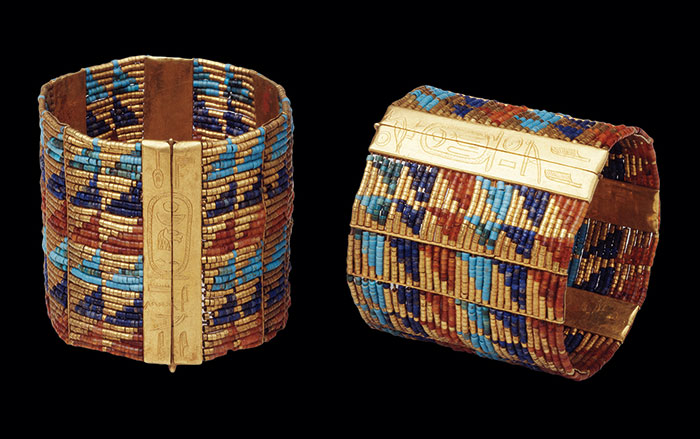
Egypt's First Queen
How a trailblazing ruler pulled her realm back from the brink
Features July/August 2026
Secrets of the Serpent
Is a Native American origin story embedded in Ohio’s colossal earthwork?

Features July/August 2026
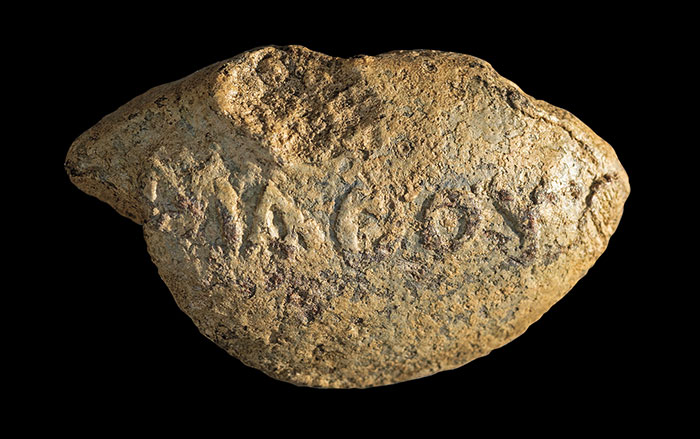
Slinging Insults
Greek and Roman soldiers fired pointed barbs at their enemies
Features July/August 2026
Inside Africa’s Houses of Stone
Archaeologists are rethinking how kings shared power beyond the great capitals of medieval Zimbabwe

More to Discover
Features March/April 2014
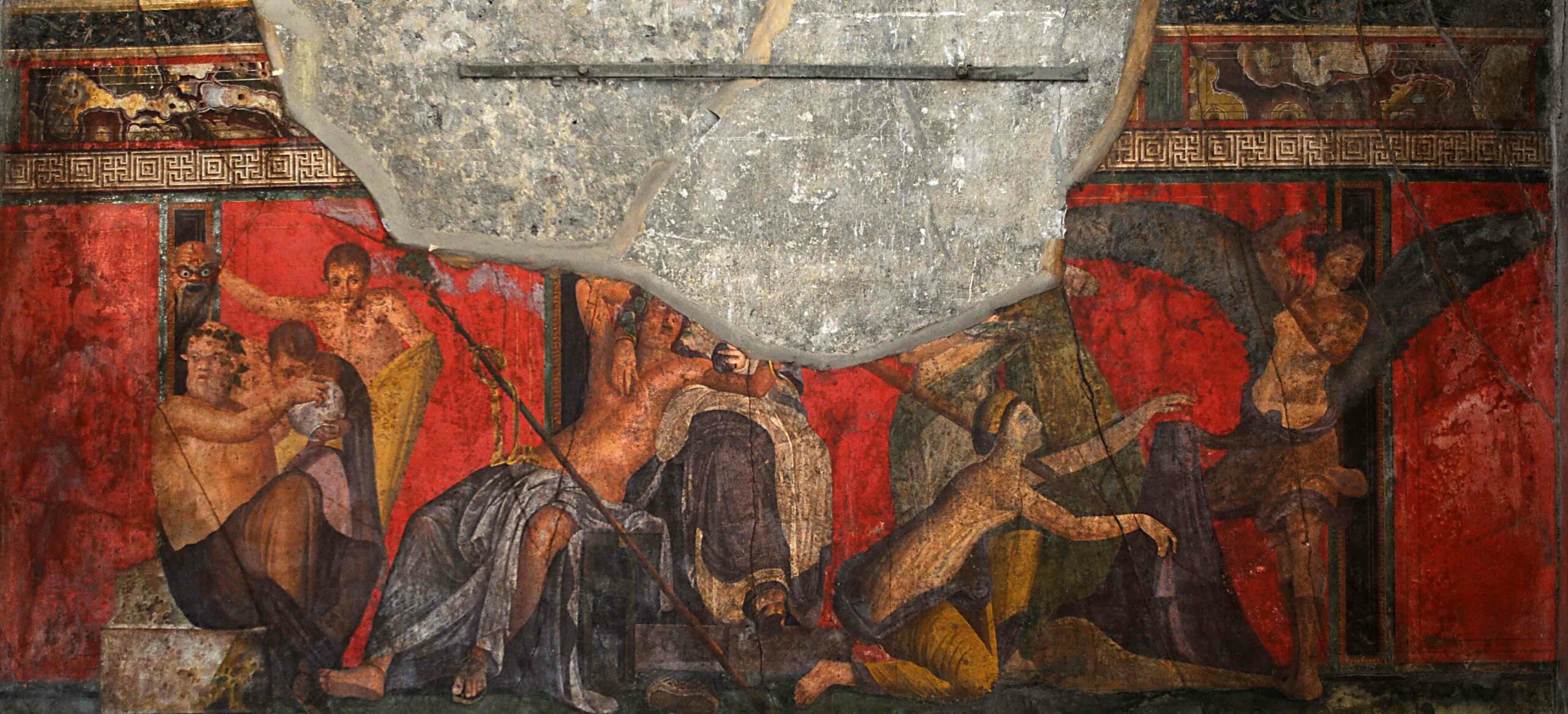
Saving the Villa of the Mysteries
Beneath the surface of Pompeii's most famous house
-
Features March/April 2014
All Hands on Deck
Inviting the world to explore a shipwreck deep in the Gulf of Mexico
 (Courtesy NOAA)
 -
Features March/April 2014
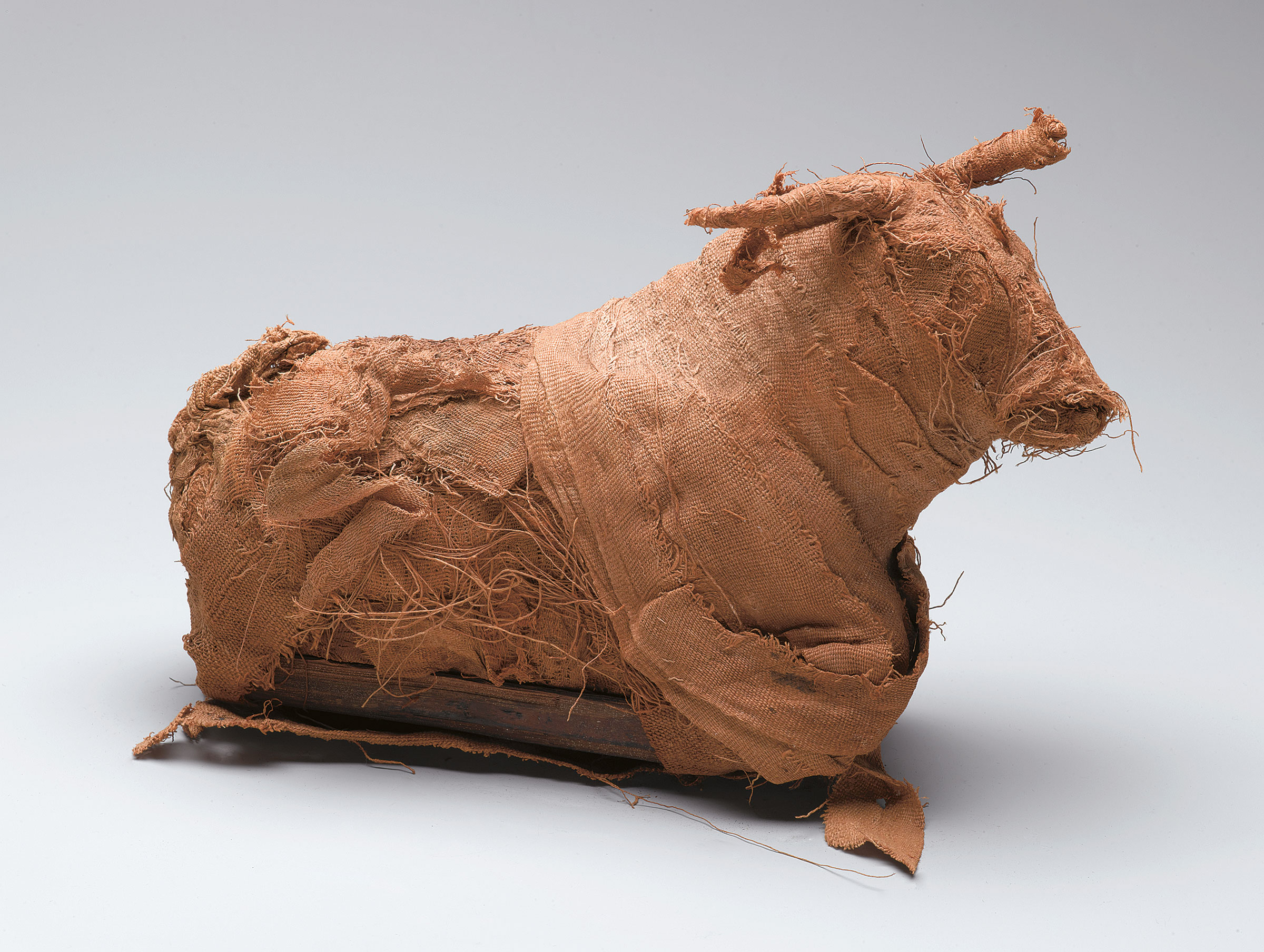
Messengers to the Gods
During a turbulent period in ancient Egypt, common people turned to animal mummies to petition the gods, inspiring the rise of a massive religious industry
 Courtesy The Brooklyn Museum
 -
Letter From Borneo March/April 2014
The Landscape of Memory
ARCHAEOLOGY, oral history, and culture deep in the Malaysian jungle
 (Jerry Redfern)
 -
Artifacts March/April 2014
Chimú-Inca Funerary Idols
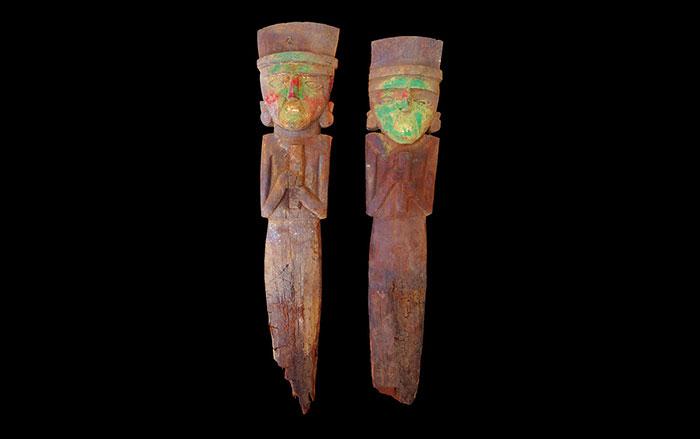 (Matthew Helmer)