LINCOLN, NEBRASKA—A multidisciplinary team of researchers is dissecting a section of wall removed from a sod house in the Great Plains to learn about the lives of nineteenth-century homesteaders. Weighing in at nearly two tons, the wall was carried to The University of Nebraska-Lincoln, where the “autopsy” is taking place. The wall itself comes apart easily, but the bricks, composed of dirt held together with the roots of prairie grasses, are very sturdy. “It’s a laboratory that we can kind of look to see over the course of a hundred years, what happened as people dealt with changing economic situations and as droughts came and affected them,” archaeologist LuAnn Wandsnider told NET Nebraska.
Sod House Dissected in Nebraska
News April 15, 2014
Recommended Articles
Features July/August 2026
Egypt's First Queen
How a trailblazing ruler pulled her realm back from the brink
Features July/August 2026
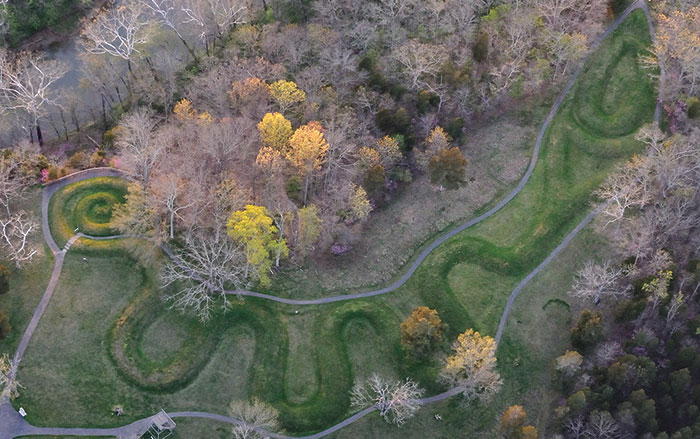
Secrets of the Serpent
Is a Native American origin story embedded in Ohio’s colossal earthwork?
Features July/August 2026
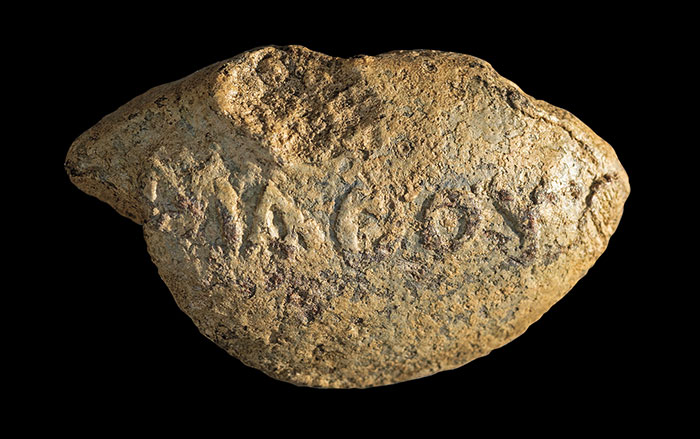
Slinging Insults
Greek and Roman soldiers fired pointed barbs at their enemies
Features July/August 2026
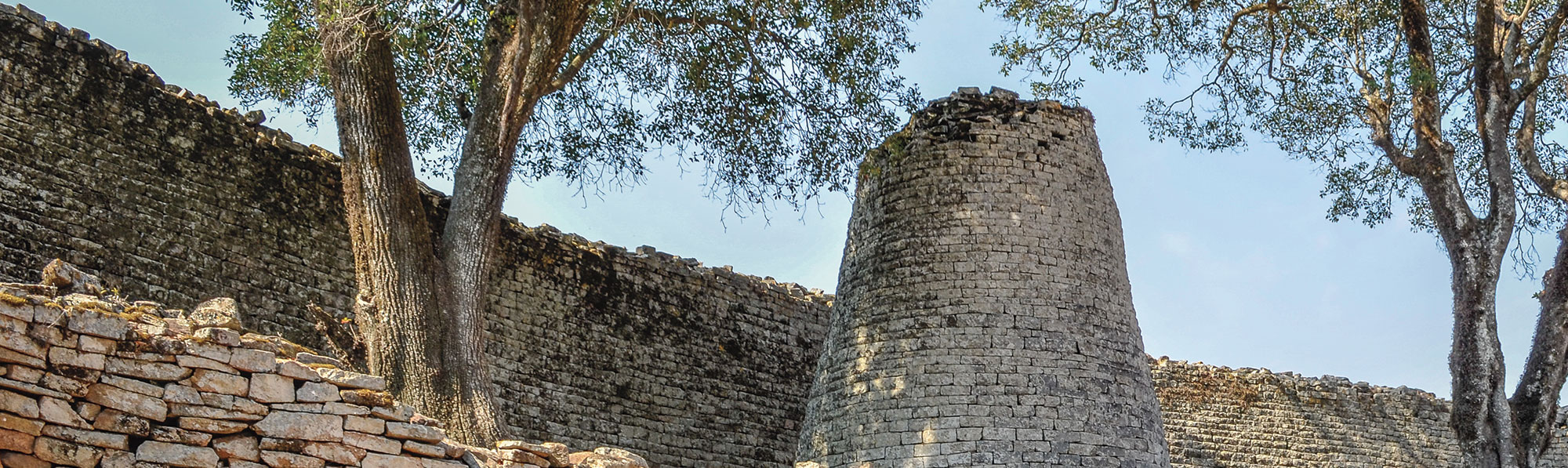
Inside Africa’s Houses of Stone
Archaeologists are rethinking how kings shared power beyond the great capitals of medieval Zimbabwe
-
Features March/April 2014
All Hands on Deck
Inviting the world to explore a shipwreck deep in the Gulf of Mexico
(Courtesy NOAA) -
Features March/April 2014
Messengers to the Gods
During a turbulent period in ancient Egypt, common people turned to animal mummies to petition the gods, inspiring the rise of a massive religious industry
Courtesy The Brooklyn Museum -
Letter From Borneo March/April 2014
The Landscape of Memory
ARCHAEOLOGY, oral history, and culture deep in the Malaysian jungle
(Jerry Redfern) -
Artifacts March/April 2014
Chimú-Inca Funerary Idols
(Matthew Helmer)