SWANSEA, WALES—A mummified baby at the museum at Swansea University had been thought to be a nineteenth century forgery of a 26th Dynasty Egyptian artifact because of its meaningless inscriptions and inconclusive results from an x-ray of its cartonnage case in 1998. But a CT scan at the Clinical Imaging College of Medicine by Swansea University’s Paola Griffiths showed a dark area that could be the remains of a fetus and what could be a femur. An amulet and strings of beads or tassels were also spotted. “We can imagine that the probable fetus represents someone’s terrible loss; an occasion of great grief and public morning,” Egypt Center curator Carolyn Graves-Brown told the South Wales Evening Post.
CT Scan Confirms Mummified Remains
News May 7, 2014
Recommended Articles
Off the Grid January/February 2026
Prophetstown, Indiana
Letter from France January/February 2026
Neolithic Cultural Revolution
How farmers came together to build Europe’s most grandiose funerary monuments some 7,000 years ago
Features January/February 2026
The Cost of Doing Business
Piecing together the Roman empire’s longest known inscription—a peculiarly precise inventory of prices
Features January/February 2026
The Birds of Amarna
An Egyptian princess seeks sanctuary in her private palace
-
Features March/April 2014
All Hands on Deck
Inviting the world to explore a shipwreck deep in the Gulf of Mexico
(Courtesy NOAA) -
Features March/April 2014
Messengers to the Gods
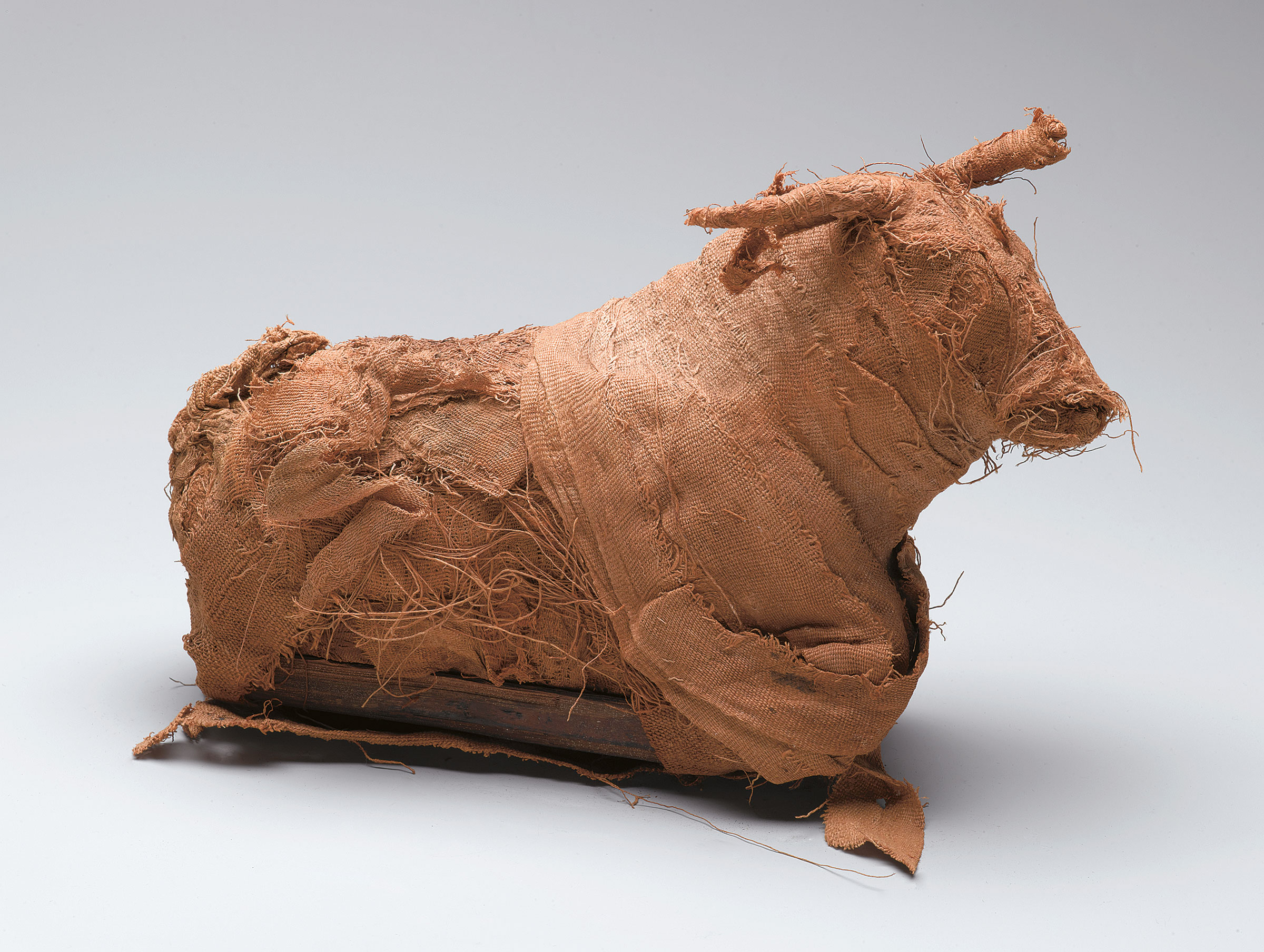
During a turbulent period in ancient Egypt, common people turned to animal mummies to petition the gods, inspiring the rise of a massive religious industry
Courtesy The Brooklyn Museum -
Letter From Borneo March/April 2014
The Landscape of Memory
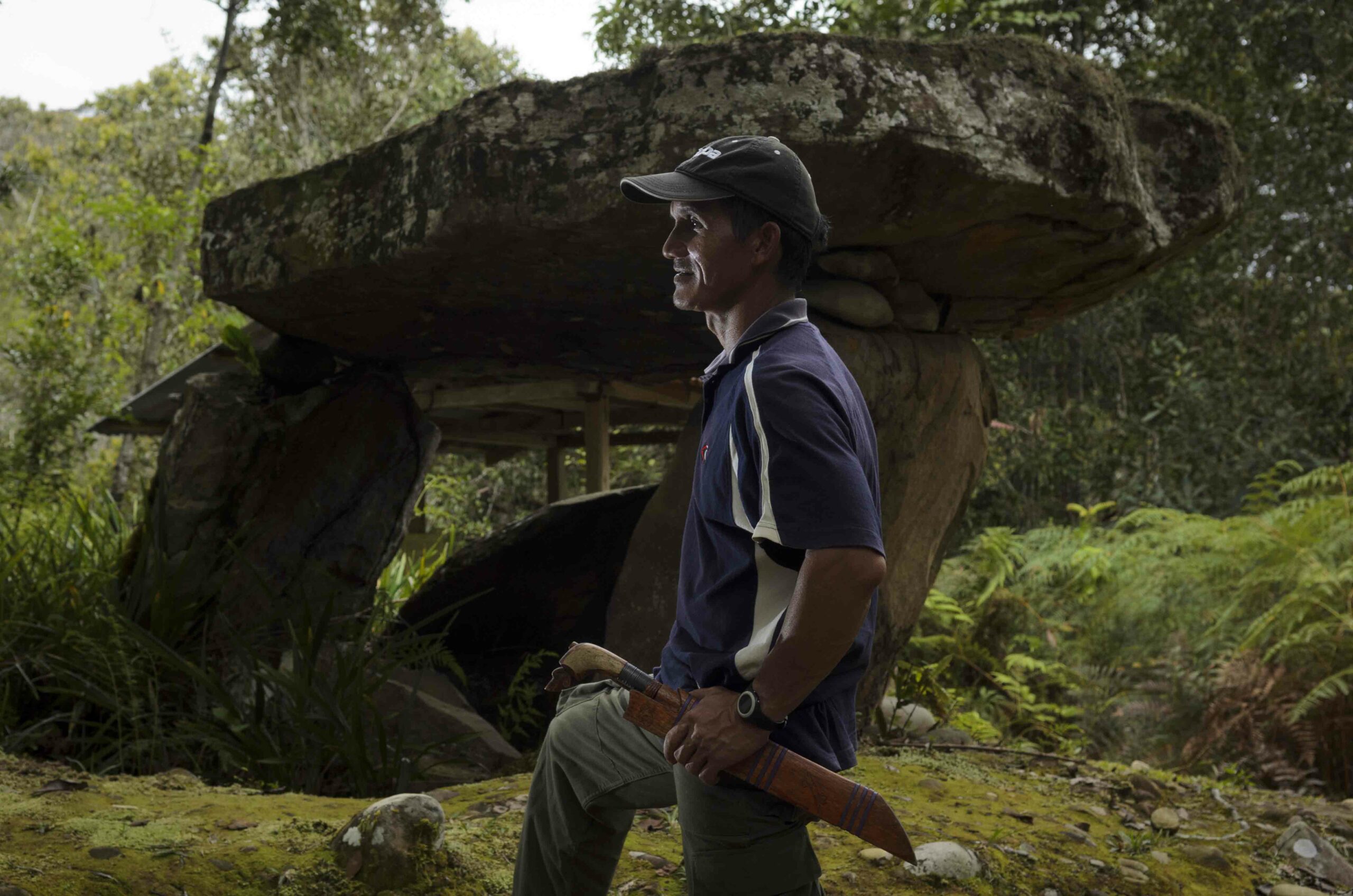
ARCHAEOLOGY, oral history, and culture deep in the Malaysian jungle
(Jerry Redfern) -
Artifacts March/April 2014
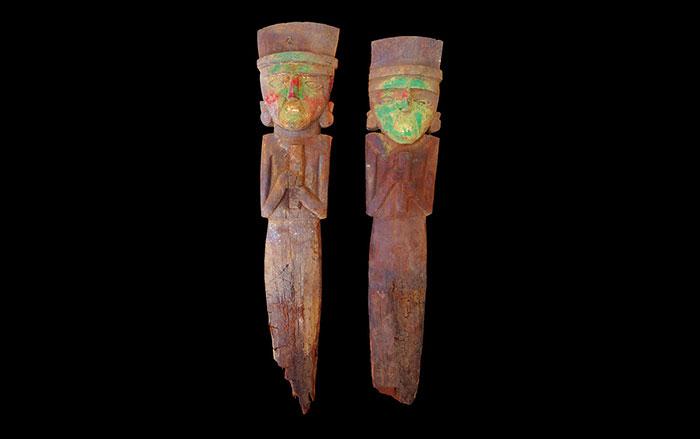
Chimú-Inca Funerary Idols
(Matthew Helmer)