DALLAS, TEXAS—A team led by David Meltzer of Southern Methodist University has checked the accuracy of the dates obtained for 29 archaeological sites said to provide evidence of a cosmic collision thought to have triggered the Younger Dryas, a 1,300-year-long period of freezing temperatures that began at the end of the last Ice Age, some 12,800 years ago. Meltzer found that the dates for only three of the 29 sites, which include Clovis sites in North America, plant-cultivating hunter-gatherers in Syria, and sites in Greenland, Germany, and Belgium, fall within the onset of the Younger Dryas. “The supposed Younger Dryas impact fails on both theoretical and empirical grounds,” Melzer told Science Now.
What Caused the Deep Freeze of the Younger Dryas?
News May 13, 2014
Recommended Articles
Features July/August 2026
Egypt's First Queen
How a trailblazing ruler pulled her realm back from the brink
Features July/August 2026
Secrets of the Serpent
Is a Native American origin story embedded in Ohio’s colossal earthwork?
Features July/August 2026
Slinging Insults
Greek and Roman soldiers fired pointed barbs at their enemies
Features July/August 2026
Inside Africa’s Houses of Stone
Archaeologists are rethinking how kings shared power beyond the great capitals of medieval Zimbabwe
-
Features March/April 2014
All Hands on Deck
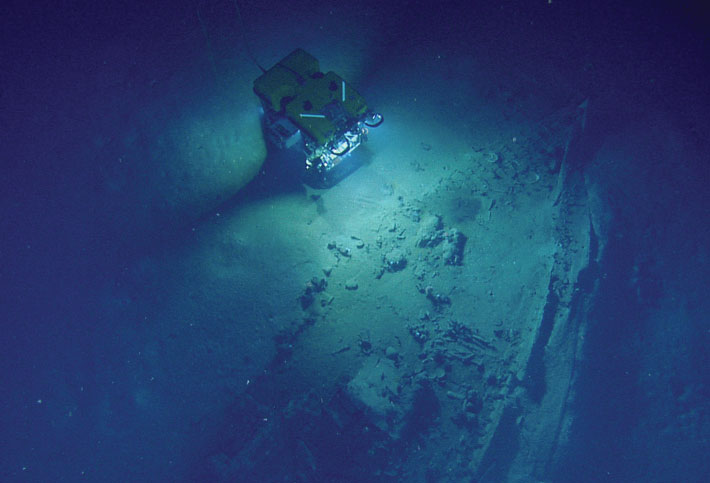
Inviting the world to explore a shipwreck deep in the Gulf of Mexico
(Courtesy NOAA) -
Features March/April 2014
Messengers to the Gods
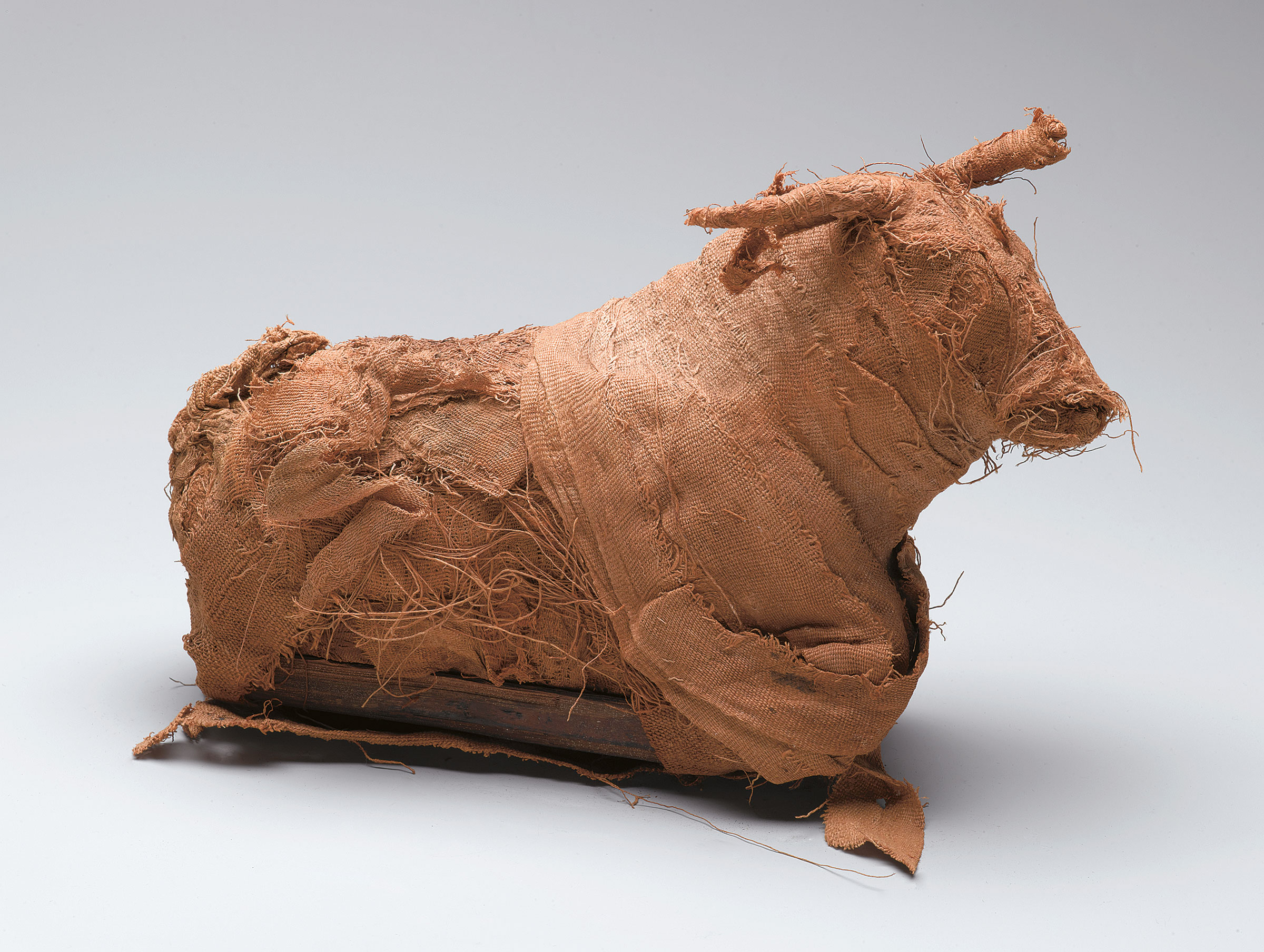
During a turbulent period in ancient Egypt, common people turned to animal mummies to petition the gods, inspiring the rise of a massive religious industry
Courtesy The Brooklyn Museum -
Letter From Borneo March/April 2014
The Landscape of Memory
ARCHAEOLOGY, oral history, and culture deep in the Malaysian jungle
(Jerry Redfern) -
Artifacts March/April 2014
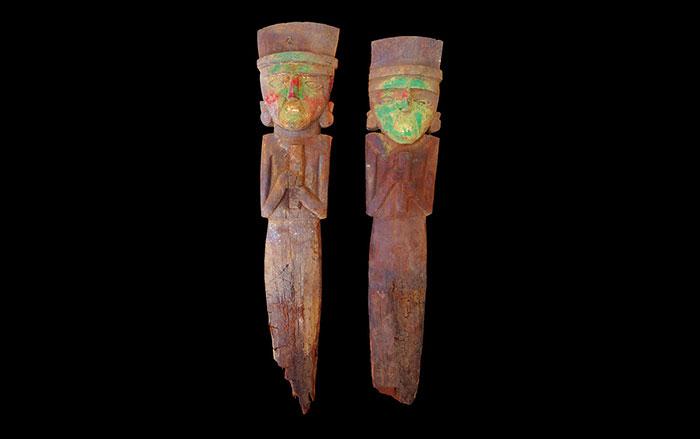
Chimú-Inca Funerary Idols
(Matthew Helmer)