

ESKİŞEHİR, TURKEY—Excavations in central Anatolia have uncovered ovens and hearths at a possible Phrygian religious site dated to the seventh century B.C., according to a Hürriyet Daily News report. Yusuf Polat of Anadolu University said that the ovens and hearths had been placed next to a Phrygian rock altar, and may have been used to cook sacrificed animals and bake bread for religious rituals. Four basins were also carved into a rock platform at the site. An abstract depiction of the mother goddess Matar carved from rock was found near them, he added. The idol and the rock bowls may have been used in abundance and fertility rituals, Polat explained. To read about a Hittite king purportedly conquered Phrygia, go to "Luwian Royal Inscription," one of ARCHAEOLOGY's Top 10 Discoveries of 2020.
Possible Phrygian Religious Site Found in Turkey
News October 14, 2024
Recommended Articles
Digs & Discoveries July/August 2026
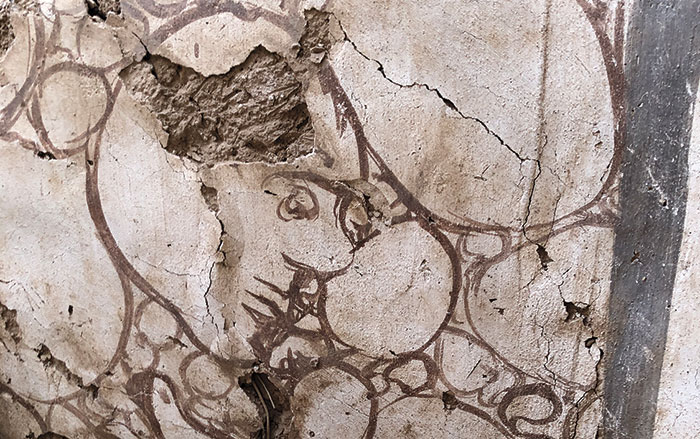
Put On Your Best Face
An opulent Roman villa hid a very peculiar staircase and an underground room for secret rites
Digs & Discoveries July/August 2026
Hurry Up and Celebrate
Features January/February 2026
The Cost of Doing Business
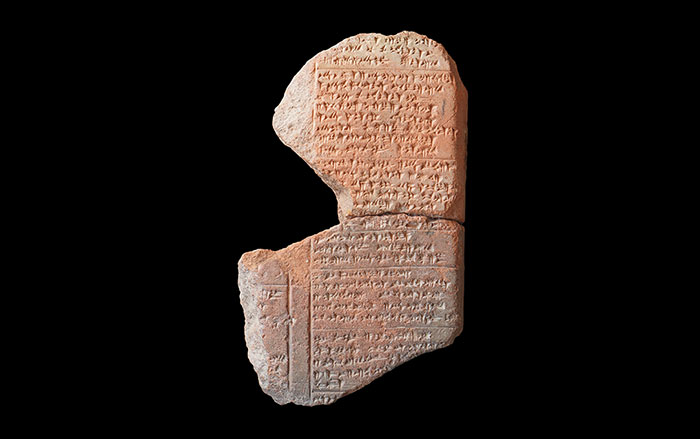
Piecing together the Roman empire’s longest known inscription—a peculiarly precise inventory of prices

Features July/August 2025
The Home of the Weather God
In northern Anatolia, archaeologists have discovered the source of Hittite royal power

More to Discover
Features September/October 2024
Ancient DNA Revolution
How the rapidly evolving field of archaeogenetics is unlocking secrets of the past

-
Features September/October 2024
Hunting for the Lost Temple of Artemis
After a century of searching, a chance discovery led archaeologists to one of the most important sanctuaries in the ancient Greek world
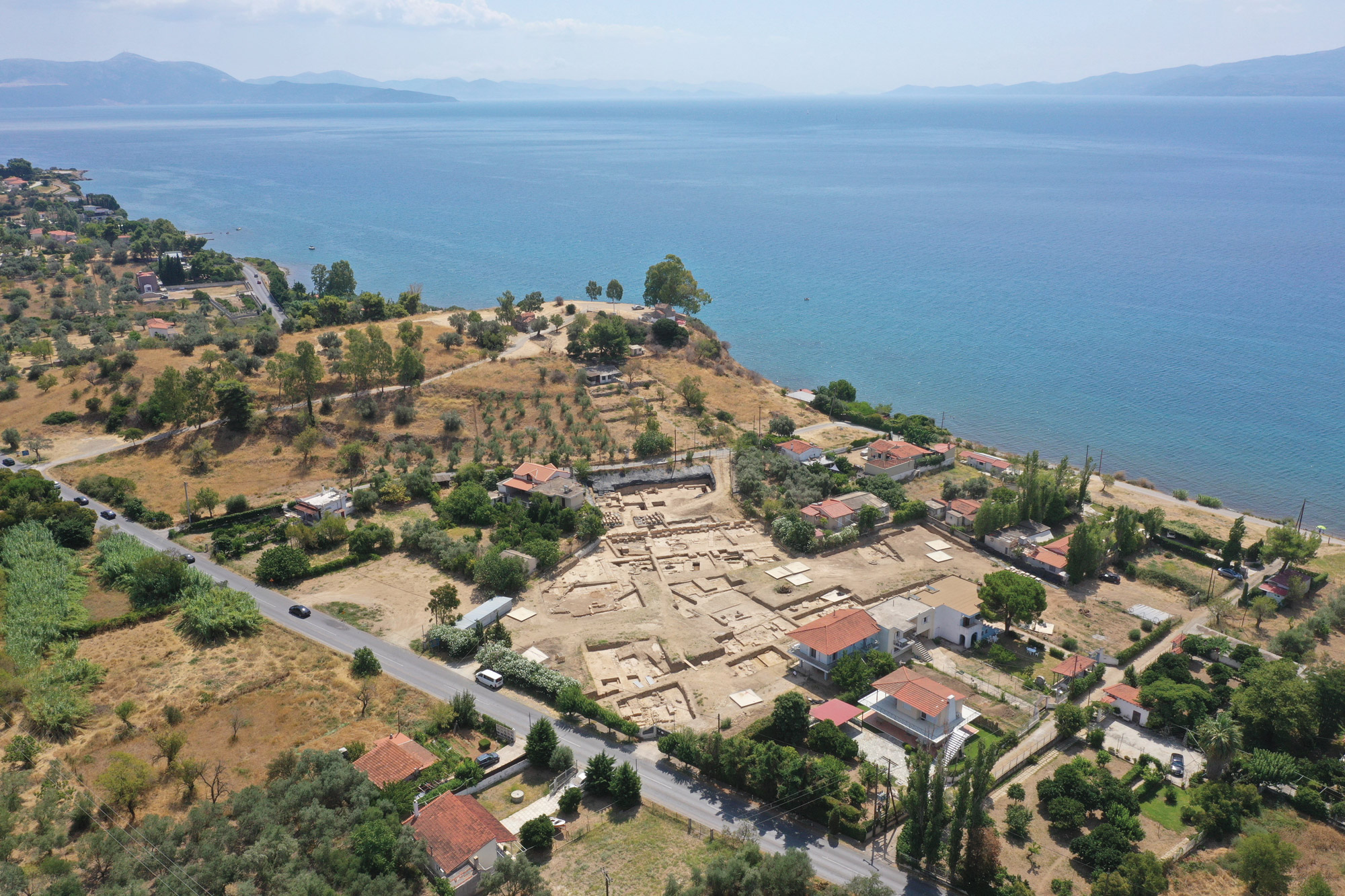 Courtesy Swiss School of Archaeology in Greece
 -
Features September/October 2024
Trees of the Sky World
Why Australia’s Indigenous Wiradjuri people carved sacred symbols into trees to mark burials of their honored dead
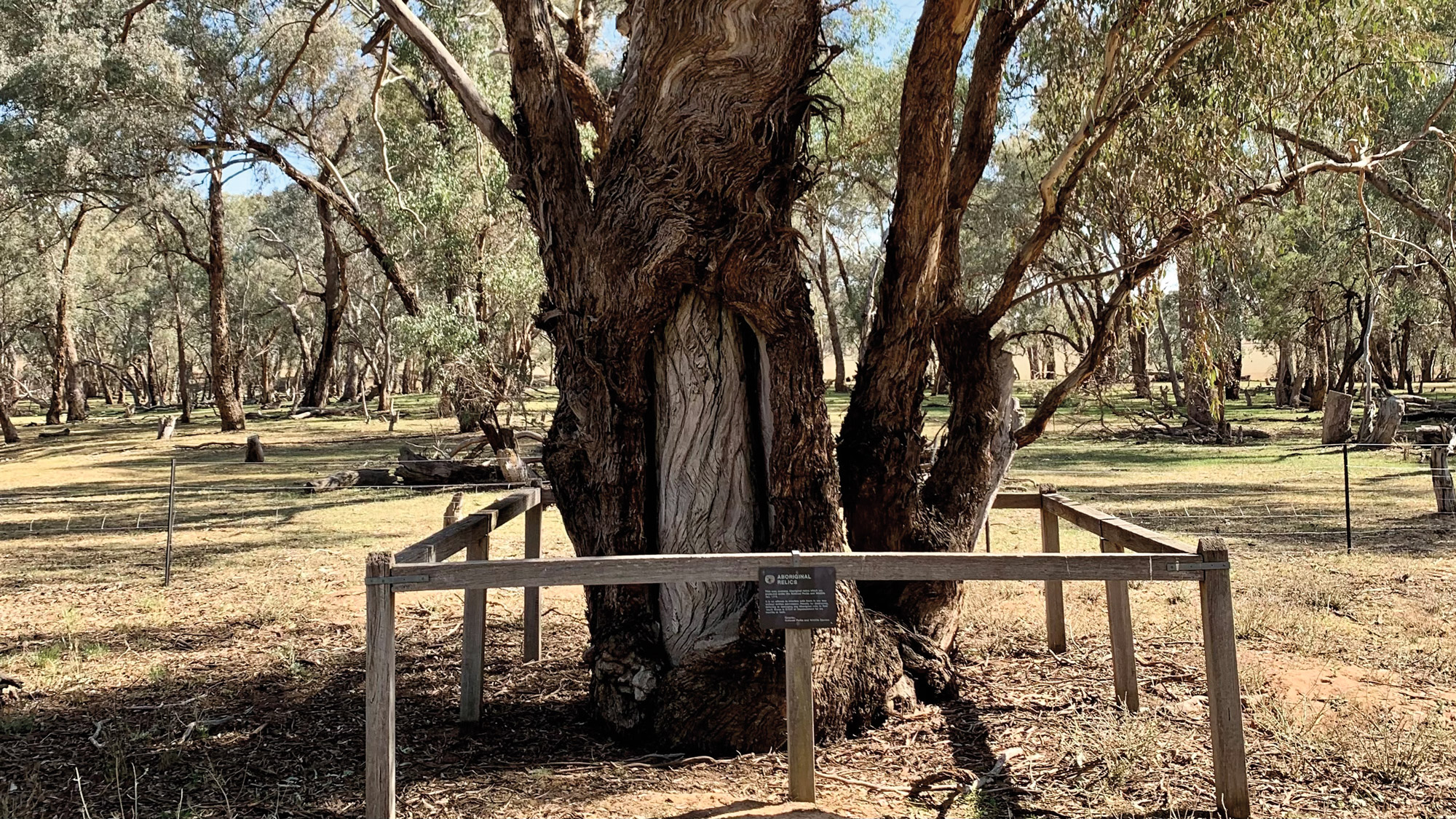 Courtesy Caroline Spry
 -
Features September/October 2024
The People Before the Book
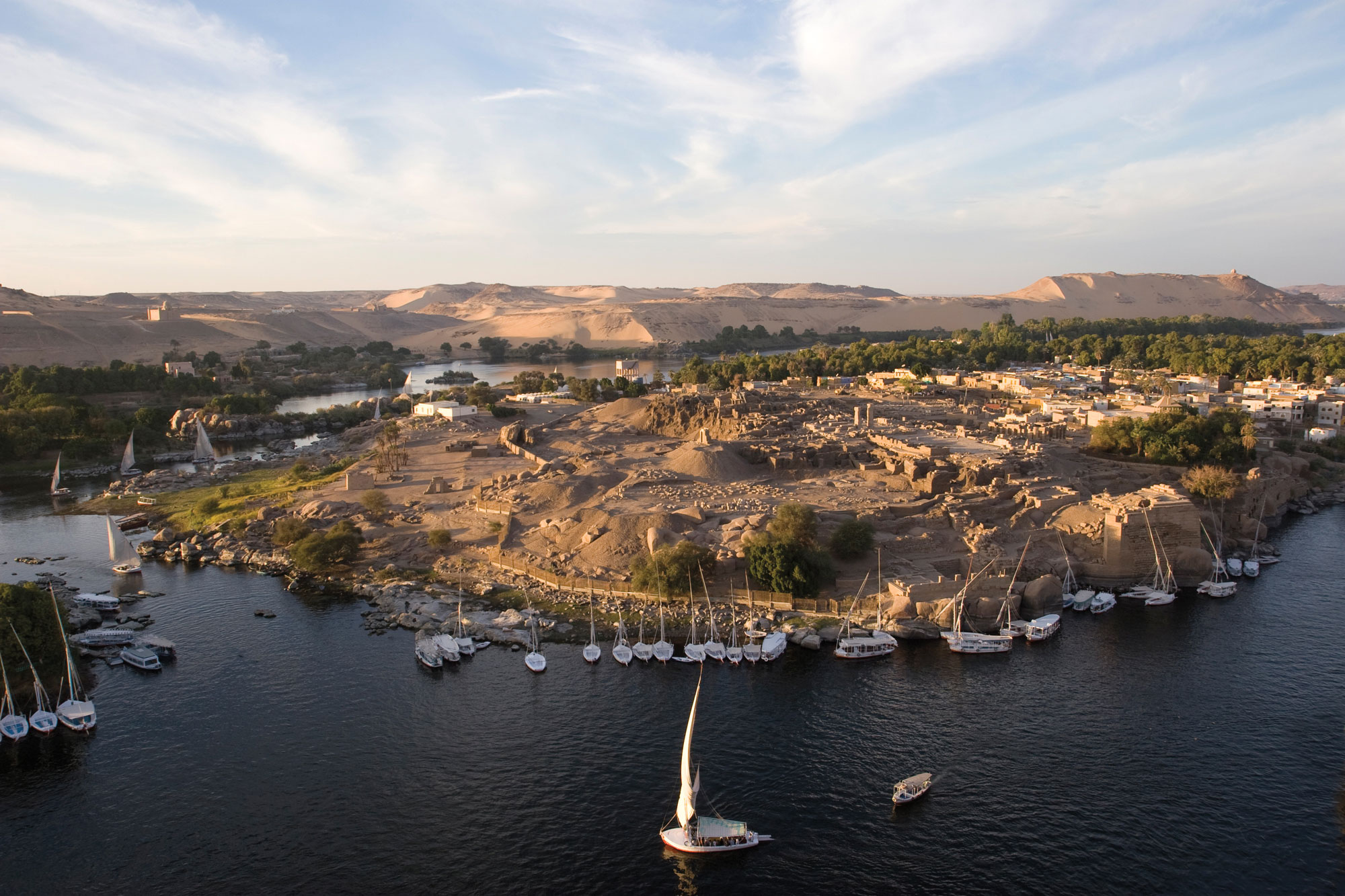
A trove of papyri unearthed on the Egyptian island of Elephantine gives voice to an early Jewish community
 Bildarchiv Steffens/Bridgeman Images
 -
Features September/October 2024
Pompeii Style
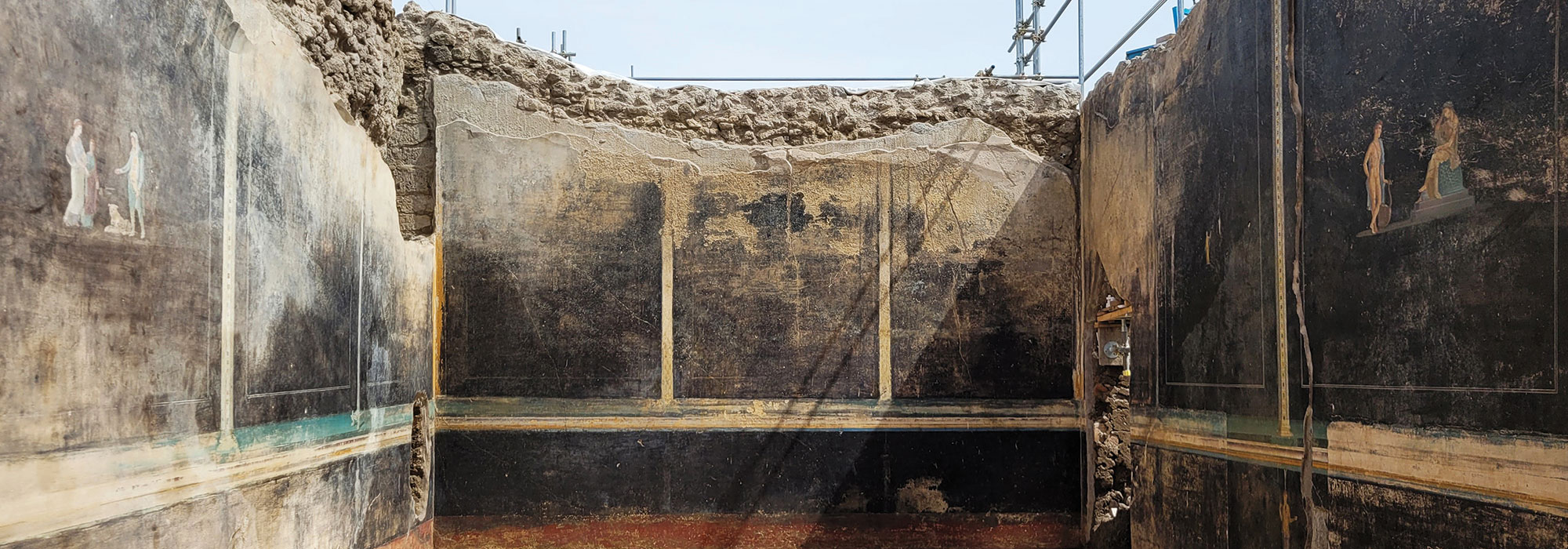
Inside the Roman houses where archaeologists continue to discover evocative new masterpieces
 Courtesy Soprintendenza Archeologica di Pompei