

JERUSALEM, ISRAEL—According to a statement released by Hebrew University of Jerusalem, clay ornaments, including 142 beads, pendants, and a tiny, child-sized ring, have been discovered in Southwest Asia. Laurent Davin of the Hebrew University of Jerusalem said that the ornaments, recovered from four different sites, were made by Natufian hunter-gatherers some 15,000 years ago. “This discovery completely changes how we understand the relationship between clay, symbolism, and the emergence of settled life,” Davin said. The beads were shaped into cylinders, disks, and ellipses. Fibers preserved on some of them show how they were strung and worn. A number of the unbaked clay objects had then been coated in a thin layer of liquid clay colored with red ocher. In all, Davin and his colleagues found that the Natufians had fashioned 19 types of clay beads, many of which resemble plants collected by the hunter-gathers, such as wild barley, einkorn wheat, lentils, and peas. Additionally, 50 fingerprints were found preserved in the clay, showing that children, teens, and adults all participated in making the ornaments. Read the original scholarly article about this research in Science Advances. To read more about the Natufians, go to "The First Bakers," one of ARCHAEOLOGY's Top 10 Discoveries of 2018.
Clay Beads from Southwest Asia Dated to 15,000 Years Ago
News March 20, 2026

Recommended Articles
Model Homes March/April 2026
Doorways for the Dead
LOCATION: Thebes, Egypt
DATES: Ca. 1981–1975 b.c.

Model Homes March/April 2026
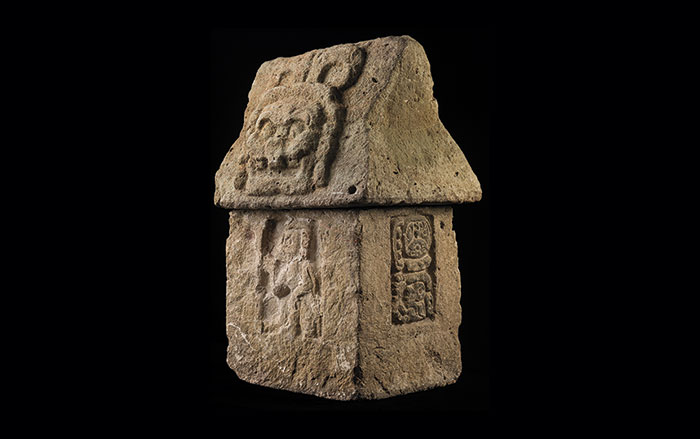
A Maya God’s Humble Abode
LOCATION: Copán, Honduras
DATE: Ca. a.d. 700–850


More to Discover
Features March/April 2026
Model Homes
A look inside miniature worlds created for the living, the dead, and the divine


-
Features March/April 2026
Pompeii's House of Dionysian Delights
Vivid frescoes in an opulent dining room celebrate the wild rites of the wine god
 Courtesy Archaeological Park of Pompeii
 -
Features March/April 2026
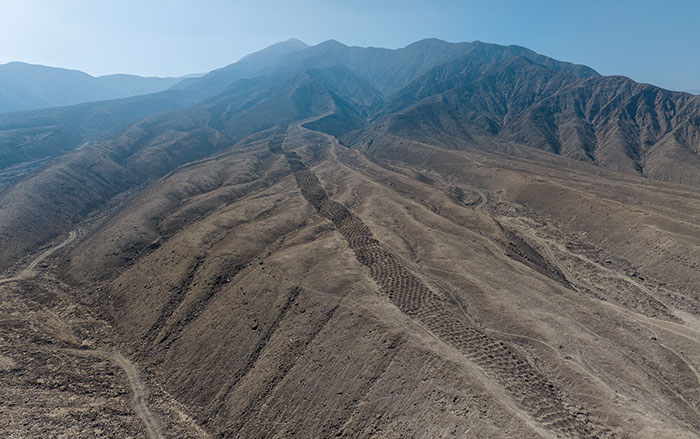
Return to Serpent Mountain
Discovering the true origins of an enigmatic mile-long pattern in Peru’s coastal desert
 Courtesy J.L. Bongers
 -
Features March/April 2026
Himalayan High Art
In a remote region of India, archaeologists trace 4,000 years of history through a vast collection of petroglyphs
 Matt Stirn
 -
Features March/April 2026
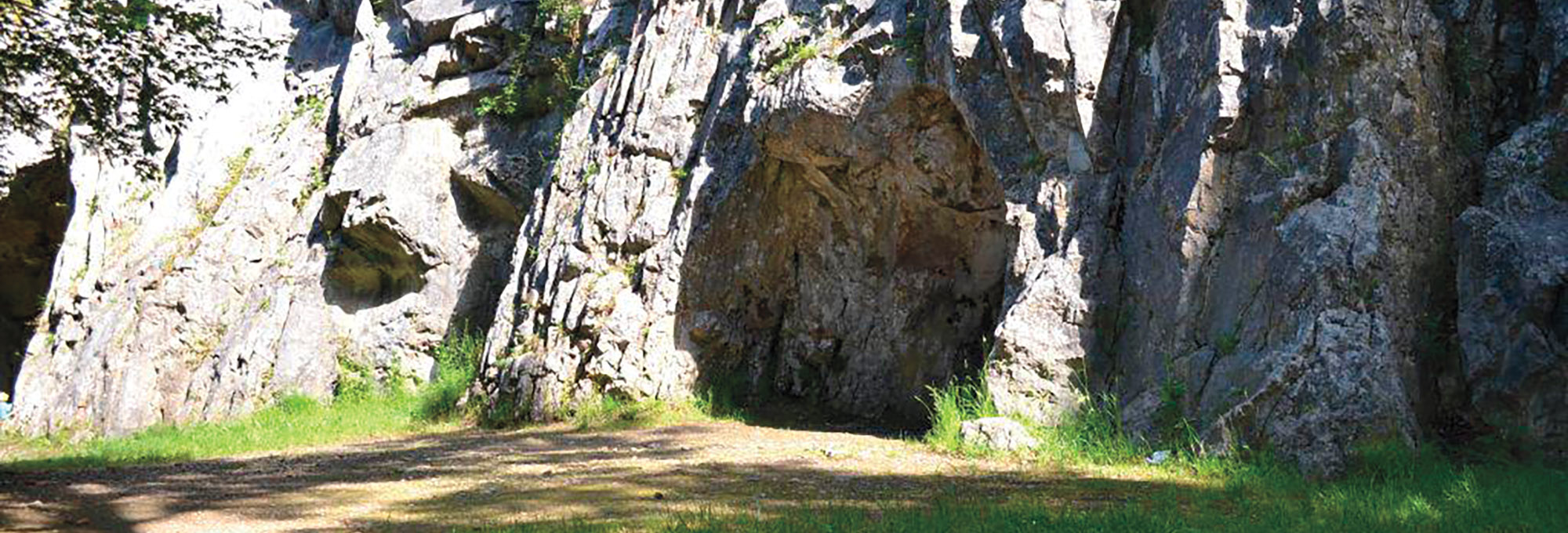
What Happened in Goyet Cave?
New analysis of Neanderthal remains reveals surprisingly grim secrets
 IRSNB/RBINSL