

BOWLING GREEN, KENTUCKY—According to a Phys.org report, a team of researchers led by Jean-Luc Houle of Western Kentucky University explored two Late Bronze Age mounds in Mongolia known as khirigsuurs for evidence of feasting. Khirigsuurs, found in Mongolia and parts of southern Siberia, usually contain human burials and are surrounded by deposits of horse skulls. These are sometimes accompanied by horse neck vertebrae and hooves, and the burned bones of sheep or goats. Houle and his colleagues looked for the rest of these horses and evidence of butchering at khirigsuur ZK-956, which has been dated to between 1054 and 906 B.C. A well-preserved winter settlement has been found near this mound. The second mound in the study, ZK-2022-118, was surrounded by many deposits and has been dated to between 933 and 822 B.C. Soil samples were taken across each of these two sites, but no animal remains were found and chemical testing reflected normal soil composition. There were no missing horse bones recovered at the settlement near ZK-956. Had many horses been slaughtered at these sites, the researchers would have expected to recover bones and find elevated phosphate levels in the soil as a result of large-scale slaughter. The team members plan to continue looking for horse butchering sites. “We’re thinking about exploring hill slopes away from habitation sites, as well as terraces and areas near seasonal water sources adjacent to ancient habitation sites, where butchering may have been more practical,” Houle explained. To read about a medieval urban center built by nomads of the Uighur Empire, go to "Letter from Mongolia: Building the Black City."
Where Did Bronze Age Mongolians Prepare Their Feasts?
News April 3, 2026
Recommended Articles
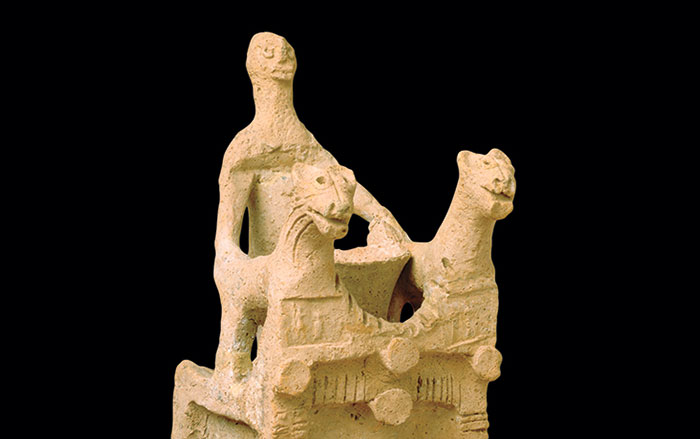
Artifacts January/February 2026
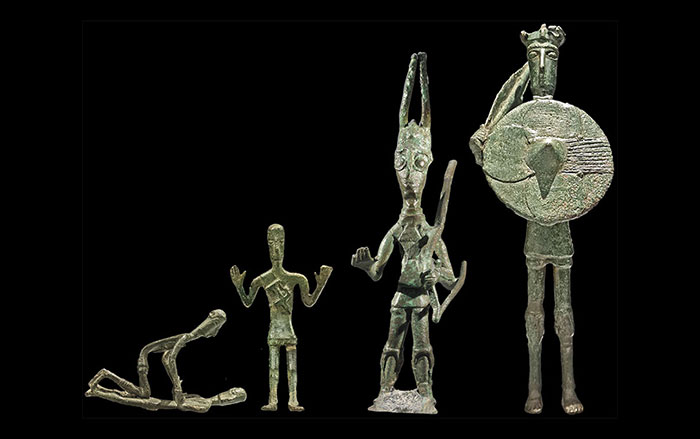
Sardinian Bronze Figurines
Features November/December 2025
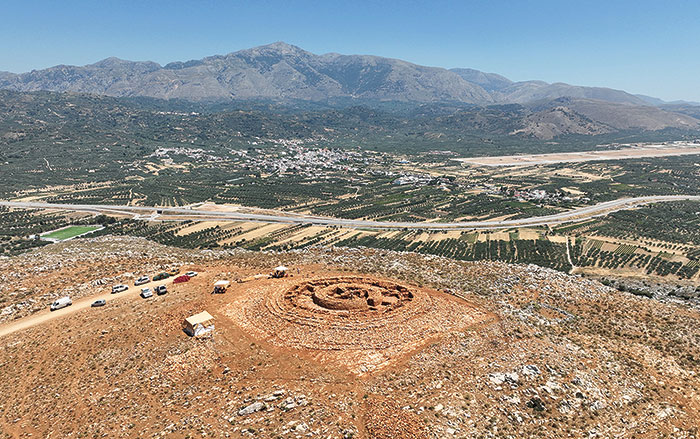
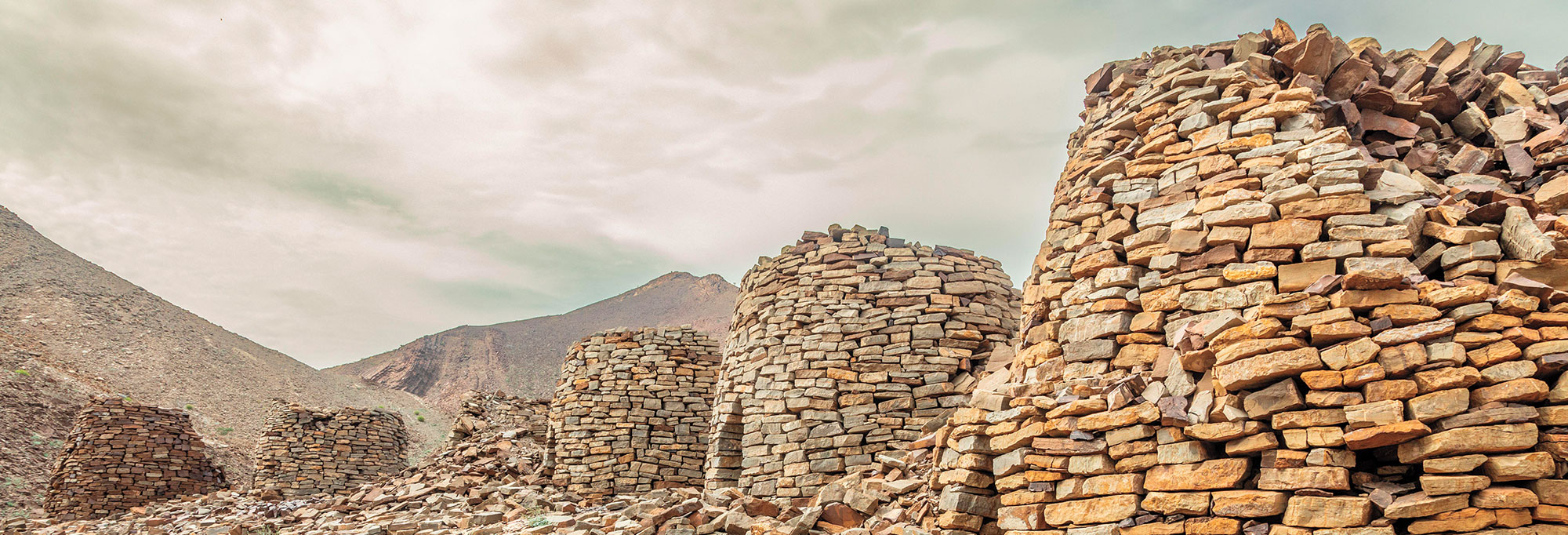
Oasis Makers of Arabia
Researchers are just beginning to understand how people thrived in the desert of Oman some 5,000 years ago
More to Discover
Features March/April 2026
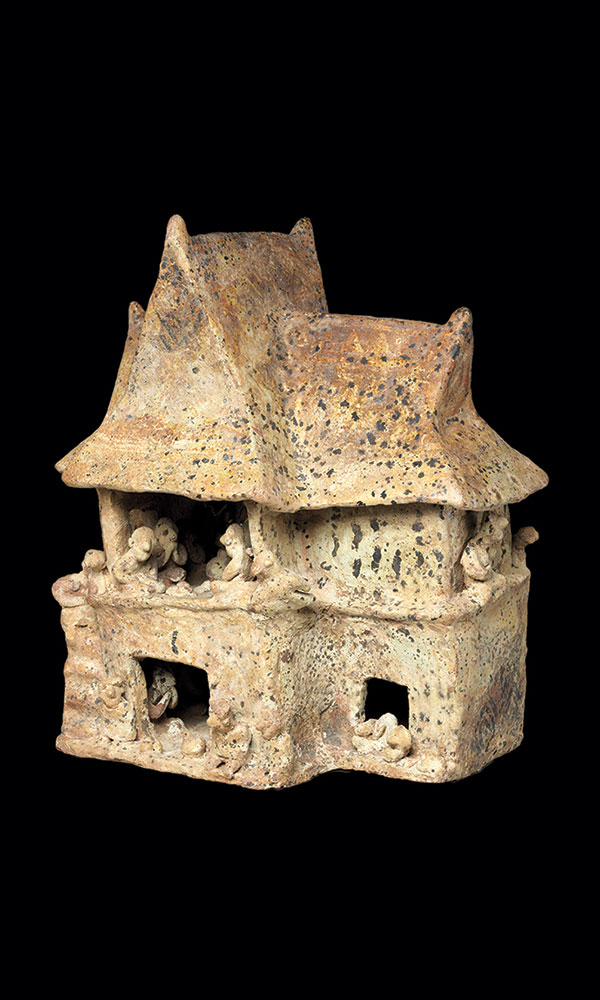
Model Homes
A look inside miniature worlds created for the living, the dead, and the divine

-
Features March/April 2026
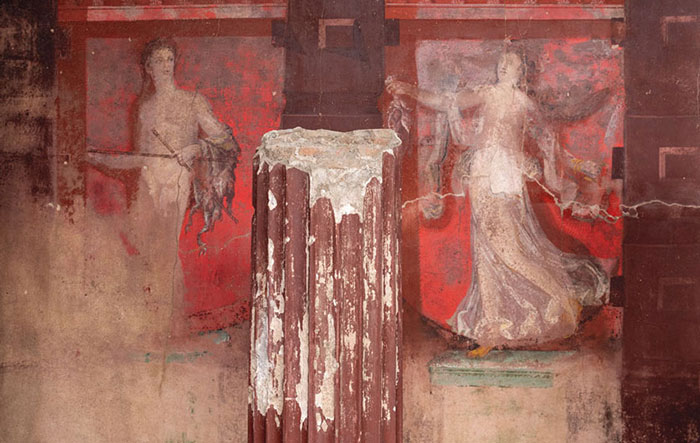
Pompeii's House of Dionysian Delights
Vivid frescoes in an opulent dining room celebrate the wild rites of the wine god
 Courtesy Archaeological Park of Pompeii
 -
Features March/April 2026
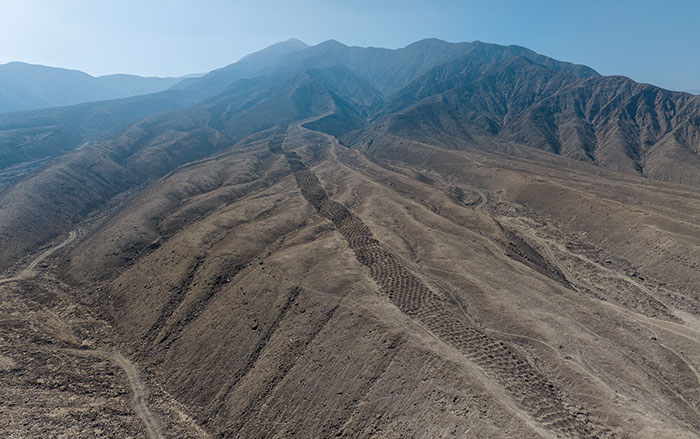
Return to Serpent Mountain
Discovering the true origins of an enigmatic mile-long pattern in Peru’s coastal desert
 Courtesy J.L. Bongers
 -
Features March/April 2026
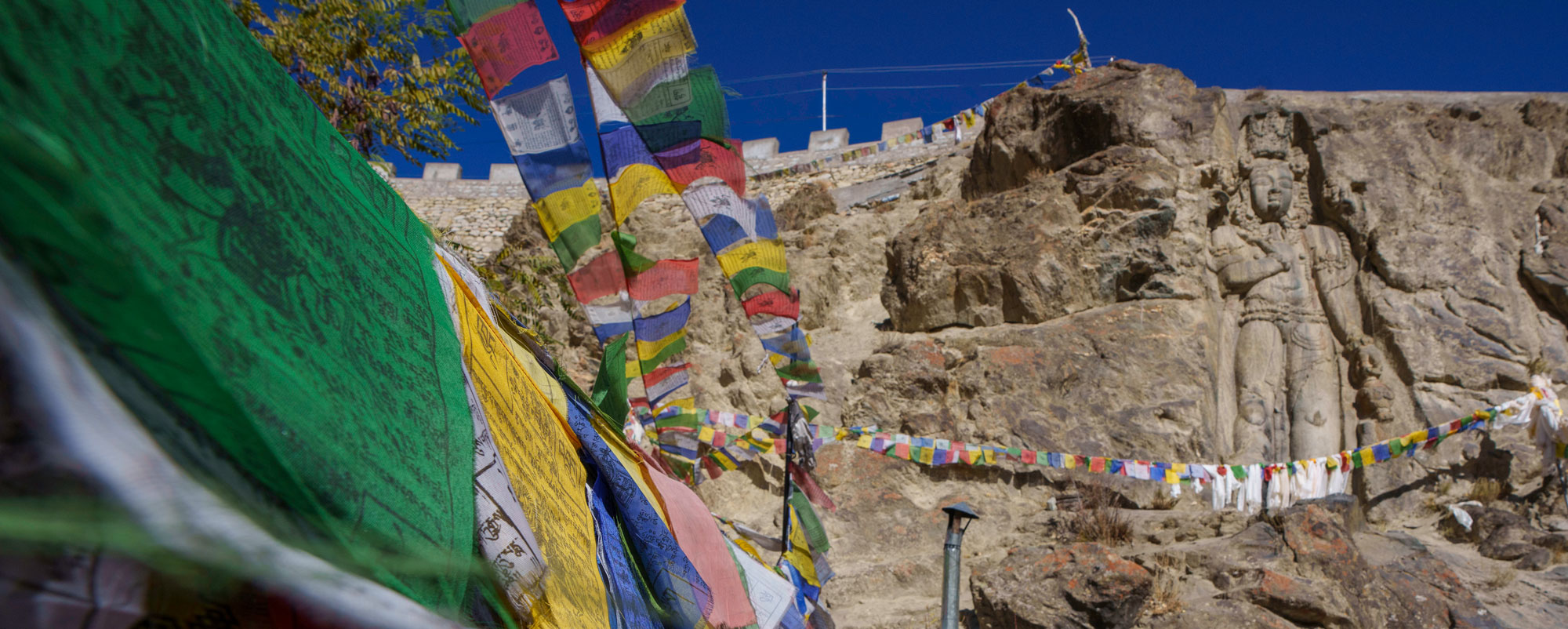
Himalayan High Art
In a remote region of India, archaeologists trace 4,000 years of history through a vast collection of petroglyphs
 Matt Stirn
 -
Features March/April 2026
What Happened in Goyet Cave?
New analysis of Neanderthal remains reveals surprisingly grim secrets
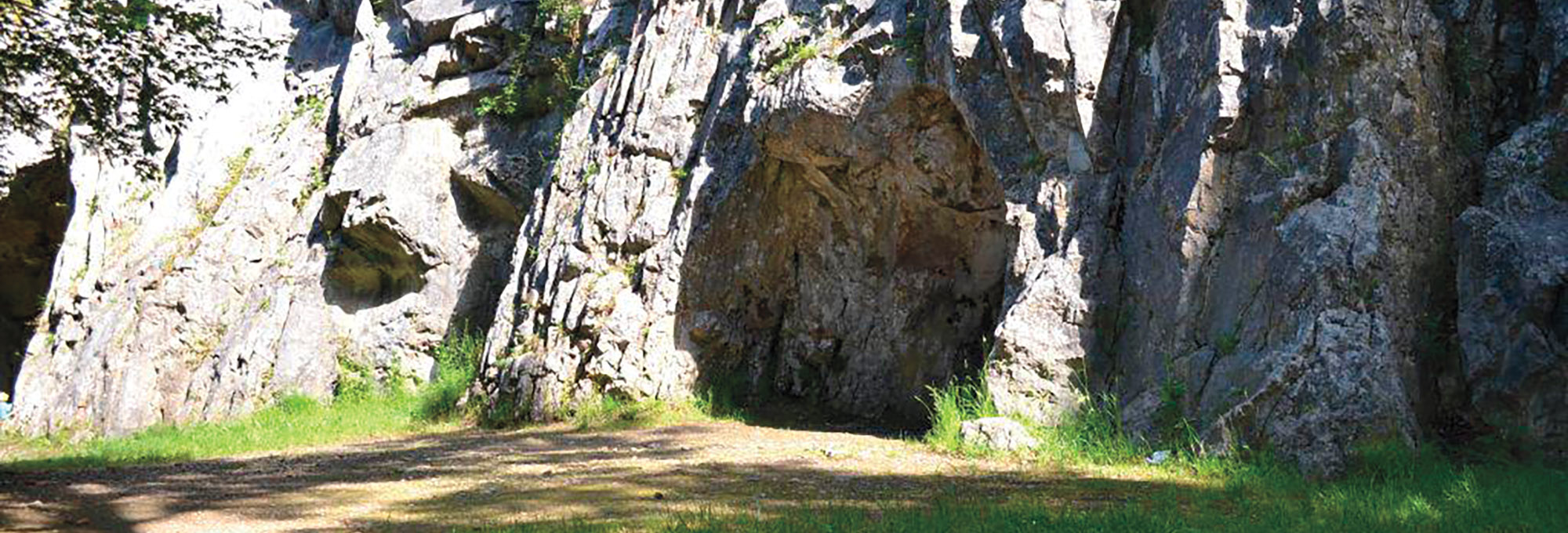 IRSNB/RBINSL