Aqueducts Uncovered at Roman Army Camp in Slovakia

News April 14, 2026

SHARE:

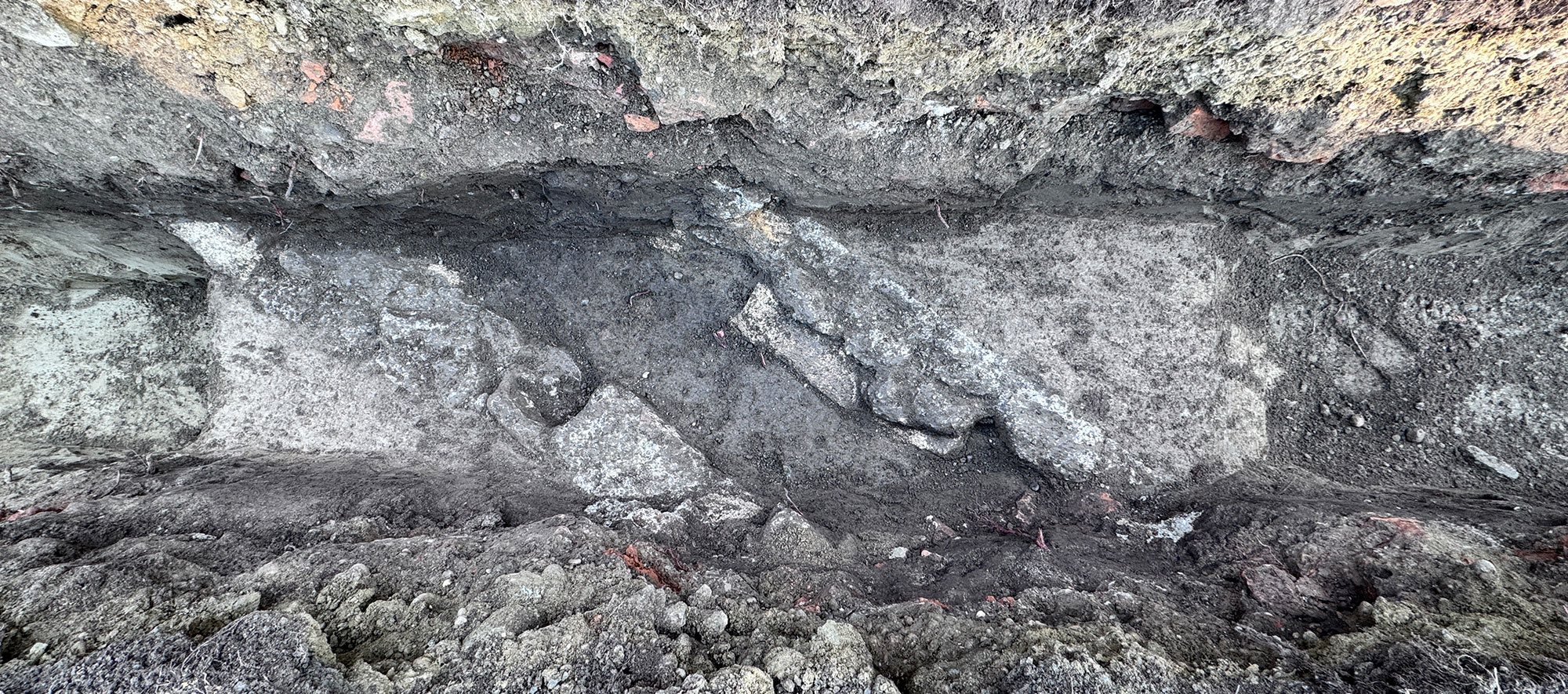
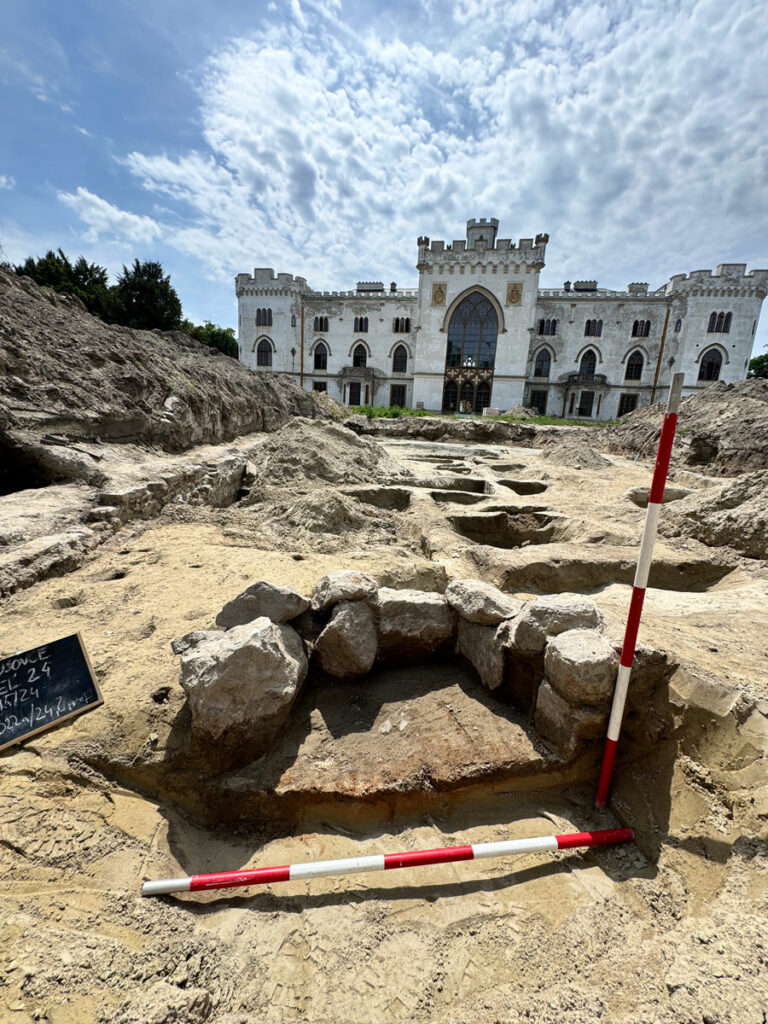
BRATISLAVA, SLOVAKIA—The Slovak Spectator reports that a second Roman aqueduct was discovered in the Rusovce section of southern Bratislava during renovations at the Rusovce Chateau. A Roman camp housing some 1,000 soldiers stood on the site from the second century to the fourth century A.D. “We can now speak of a higher standard of living for the Romans who lived in the camp in the second century,” said Erik Hrnčiarik of Trnava University. “Until now, we believed they lived in much simpler conditions. The second aqueduct proves that there were permanent buildings made of stone and brick around the camp,” he explained. The aqueduct carried water from the Danube River and sloped toward the site. Samples of water have been sent for analysis. Traces of additional Roman structures may be resting under Rusovce Chateau, which was built in the twentieth century on the site of a sixteenth-century manor house and an earlier medieval building. To read more about Roman aqueducts, go to "Rome's Lost Aqueduct."
  • Features March/April 2026

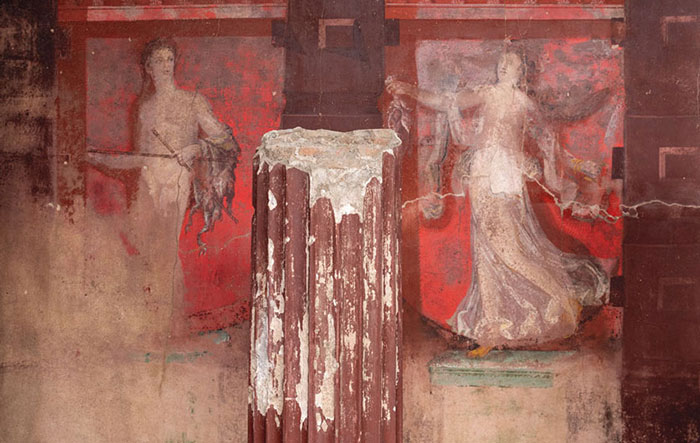
    Pompeii's House of Dionysian Delights

    Vivid frescoes in an opulent dining room celebrate the wild rites of the wine god

    Read Article
    Frescoed panels in the House of the Thiasus portray a satyr (left) and a woman (right)
    Courtesy Archaeological Park of Pompeii
  • Features March/April 2026

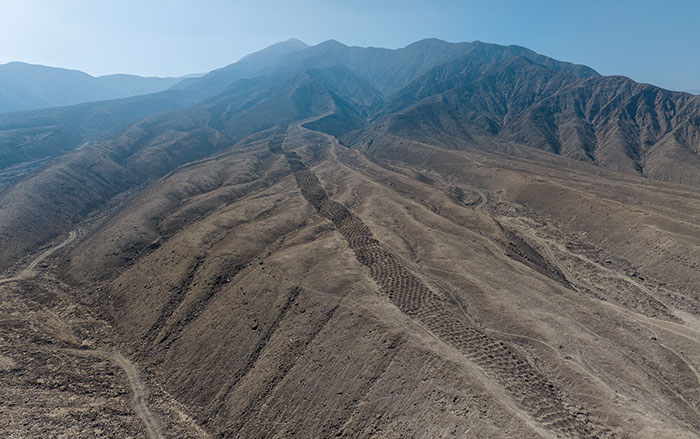
    Return to Serpent Mountain

    Discovering the true origins of an enigmatic mile-long pattern in Peru’s coastal desert

    Read Article
    Courtesy J.L. Bongers
  • Features March/April 2026

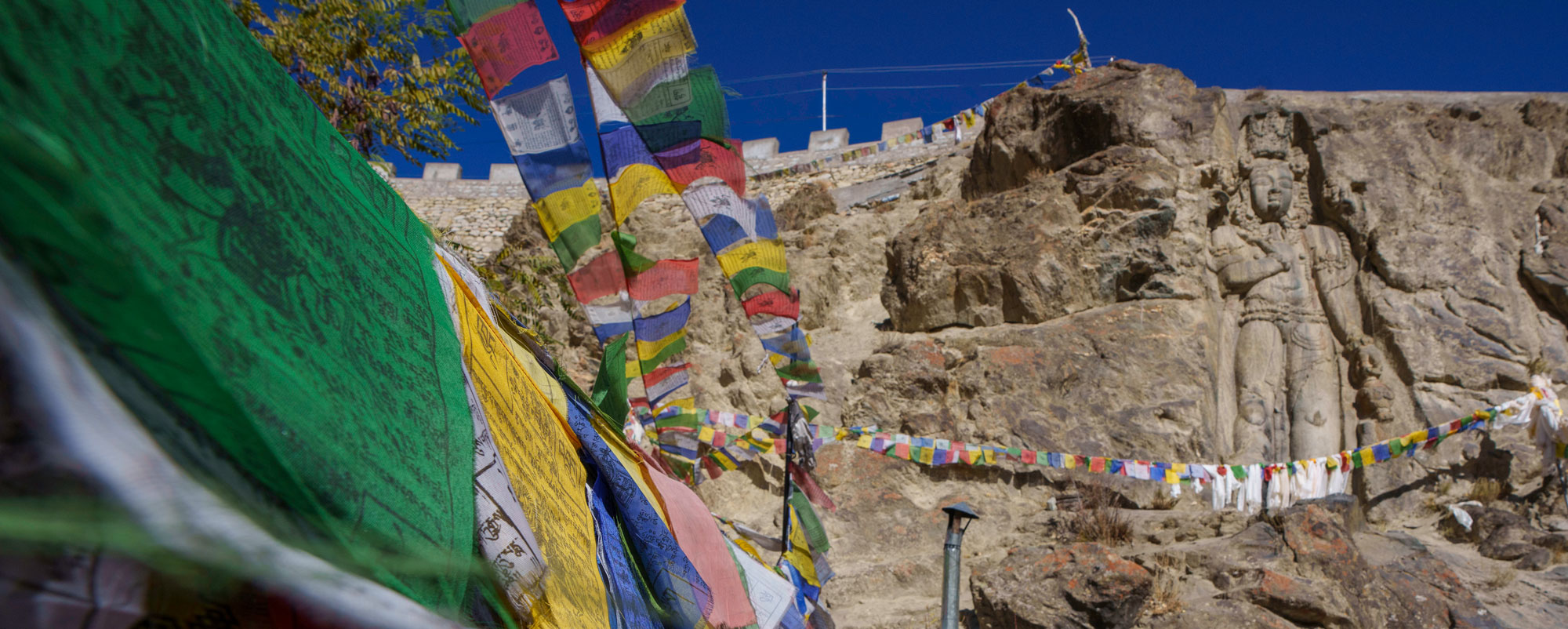
    Himalayan High Art

    In a remote region of India, archaeologists trace 4,000 years of history through a vast collection of petroglyphs

    Read Article
    Matt Stirn
  • Features March/April 2026

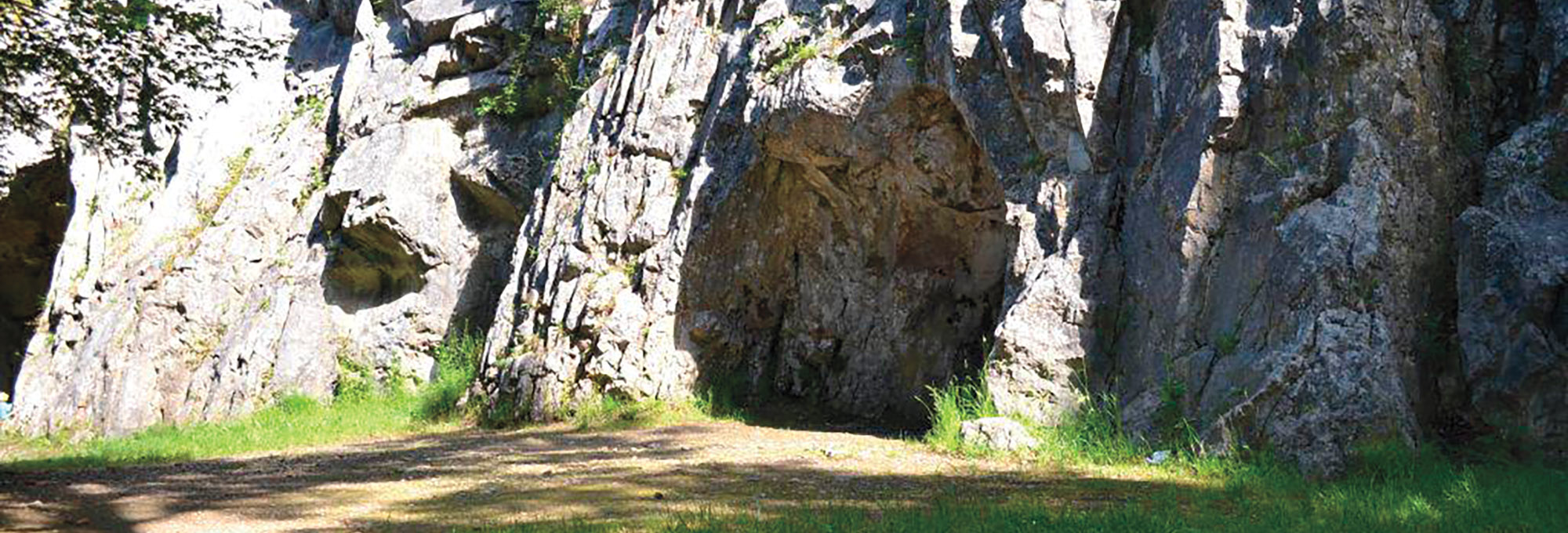
    What Happened in Goyet Cave?

    New analysis of Neanderthal remains reveals surprisingly grim secrets

    Read Article
    The Third Cave, one of the galleries in a cave system in central Belgium known as the Goyet Caves
    IRSNB/RBINSL