

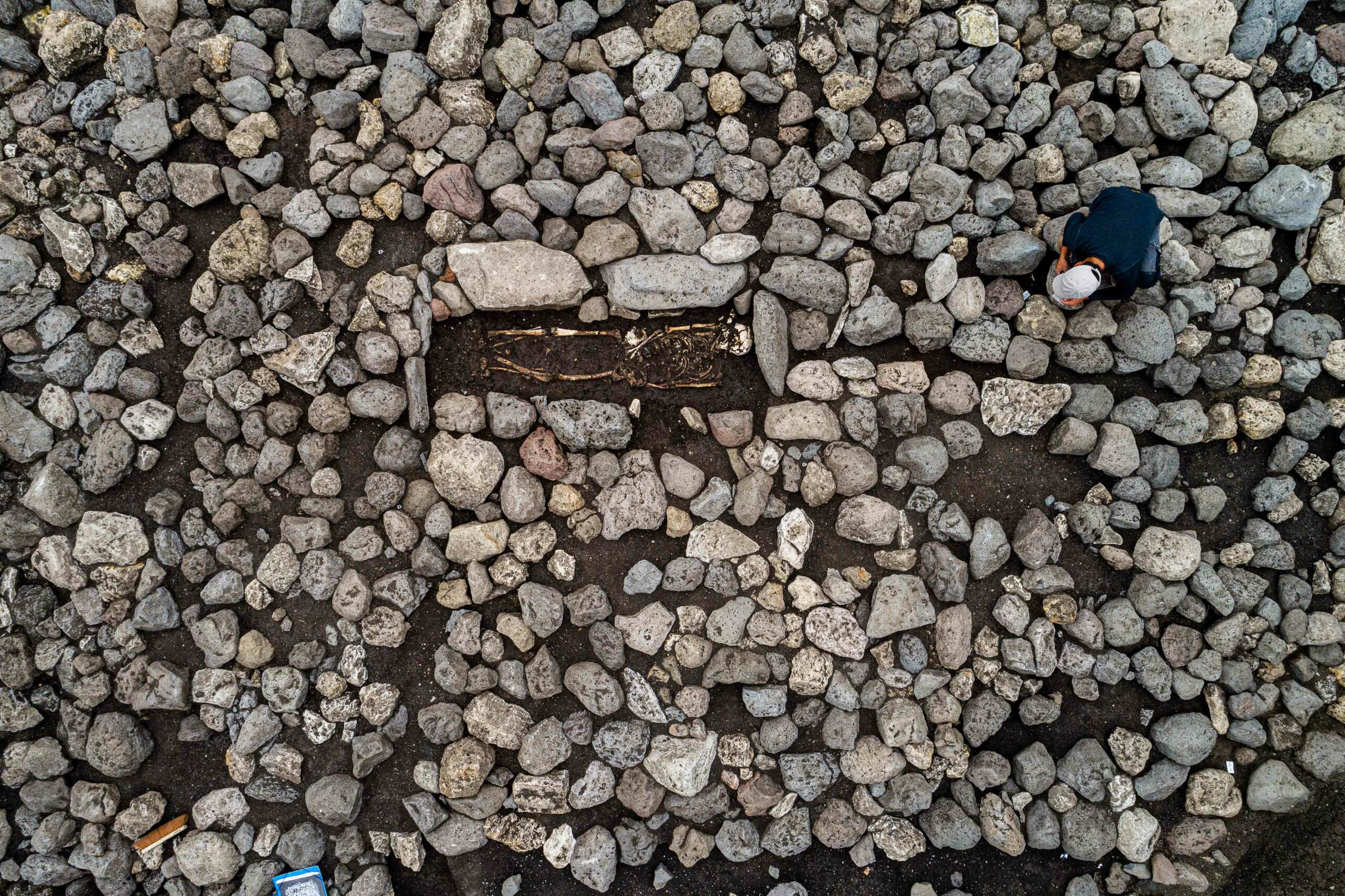
COPENHAGEN, DENMARK—According to a statement released by the University of Copenhagen, analysis of the remains of 132 individuals unearthed near a megalithic tomb in northern France suggests that the site was initially used by one group of people, but that population declined around 3000 B.C. and was eventually replaced by another group. “We see a clear genetic break between the two periods,” said Frederik Valeur Seersholm of the University of Copenhagen. Genetic testing revealed that the earlier group was composed of early farmers from northern France and Germany, while the later group was linked to people in southern France and the Iberian Peninsula, he added. Genetic material retrieved from the bones also showed that the earlier group had been infected with Yersinia pestis, the plague bacterium, and Borrelia recurrentis, which causes louse-borne relapsing fever. “We can confirm that plague was present, but the evidence does not support it as the sole cause of the population collapse,” said Martin Sikora of the University of Copenhagen. “The decline was likely driven by a combination of disease, environmental stress, and other disruptive events,” Sikora explained. The researchers noted that the earlier burials contained the remains of people who were members of the same extended families. The later burials, however, contained the remains of people centered on a single male lineage. Finally, the researchers said that the decline of this earlier population coincides with the end of the construction of megalithic tombs across Europe. Read the original scholarly article about this research in Nature Ecology & Evolution. To read about megalithic monuments in central France, go to "Megalithic Mystery."
Populations Buried Near Megalithic Tomb Analyzed
News April 23, 2026
Recommended Articles
Digs & Discoveries November/December 2019
Megalithic Mystery
The Music of Time September/October 2026
War Pigs
Features July/August 2026
Tennis, Anyone?
Discovering the origins of the peculiar racket game that swept sixteenth-century France
Digs & Discoveries March/April 2026
Roman Gaul’s Literati
More to Discover
Features March/April 2026
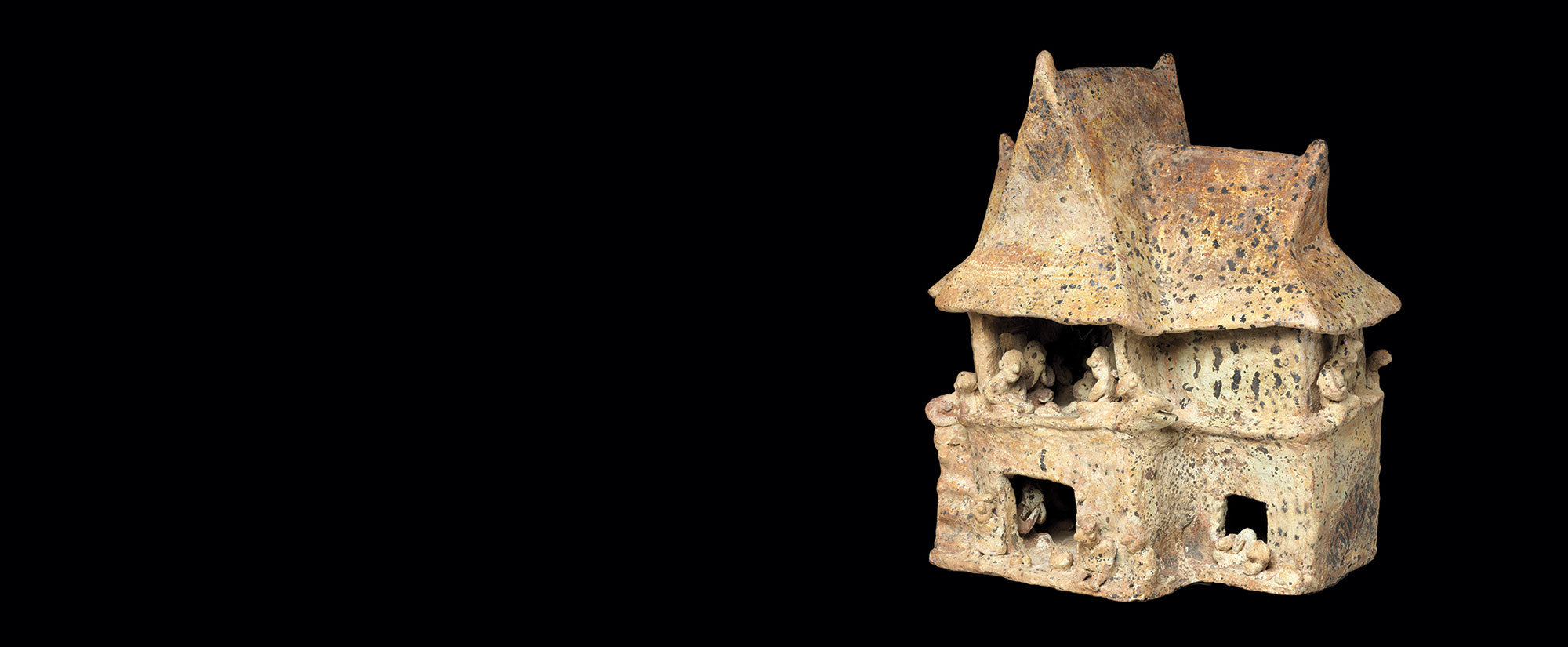
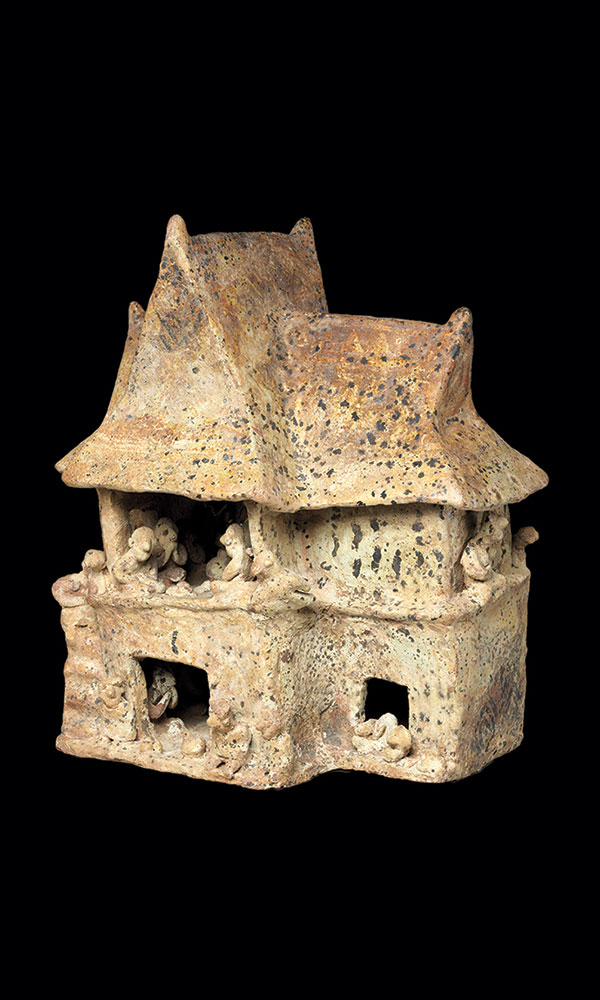
Model Homes
A look inside miniature worlds created for the living, the dead, and the divine
-
Features March/April 2026
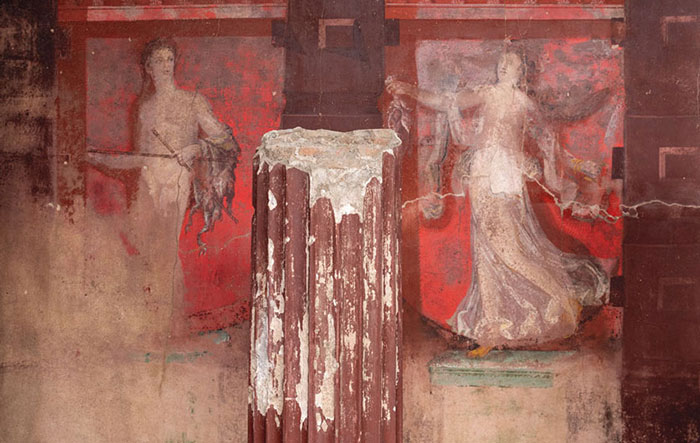
Pompeii's House of Dionysian Delights
Vivid frescoes in an opulent dining room celebrate the wild rites of the wine god
 Courtesy Archaeological Park of Pompeii
 -
Features March/April 2026
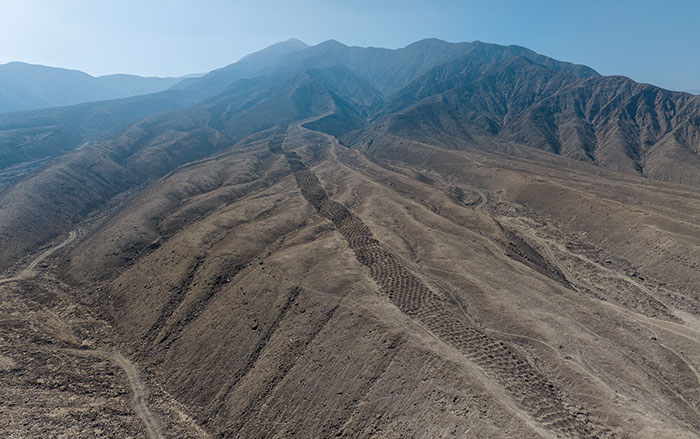
Return to Serpent Mountain
Discovering the true origins of an enigmatic mile-long pattern in Peru’s coastal desert
 Courtesy J.L. Bongers
 -
Features March/April 2026
Himalayan High Art
In a remote region of India, archaeologists trace 4,000 years of history through a vast collection of petroglyphs
 Matt Stirn
 -
Features March/April 2026
What Happened in Goyet Cave?
New analysis of Neanderthal remains reveals surprisingly grim secrets
 IRSNB/RBINSL