

SEOUL, SOUTH KOREA—A team of researchers led by Kyungcheol Choy of Hanyang University found evidence of chicken-keeping some 2,000 years ago with the Zooarchaeology by Mass Spectrometry (ZooMS) technique, according to a statement released by Hanyang University. This technique allows scientists to analyze collagen peptides and amino acid sequences obtained from small samples of bone, thus allowing the identification of even highly fragmented remains. The chicken bones in this study were unearthed at the Gungok-ri site in southwestern Korea. “We confirmed not only the presence of chickens but also their management during the Proto-Three Kingdoms period,” Choy said. Plus, elevated levels of nitrogen isotopes in the bones indicate that the chickens had been fed by humans. Analysis and dating of additional chicken bones from sites across the Korean Peninsula could help researchers understand how domestic chickens were acquired and how they spread, the researchers concluded. To read more about the history of fowl, go to "The Chicken People."
2,000-Year-Old Remains of Domestic Chickens Identified in South Korea
News April 24, 2026
Recommended Articles
Off the Grid July/August 2026
Donggung Palace and Wolji Pond, South Korea
Archaeologists encounter a palace of intrigues at one of medieval Asia’s most glorious capitals

Features September/October 2025
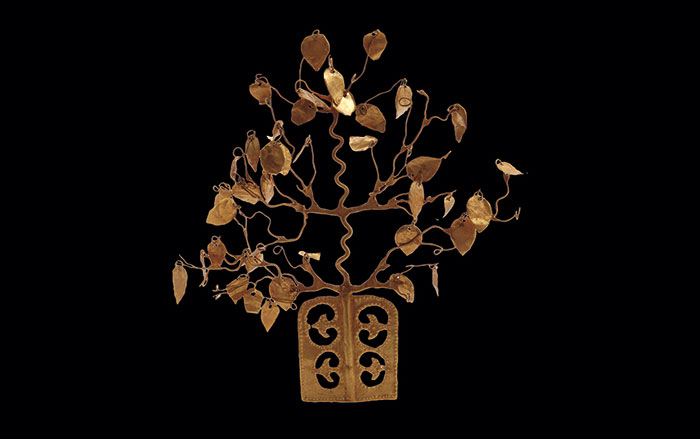
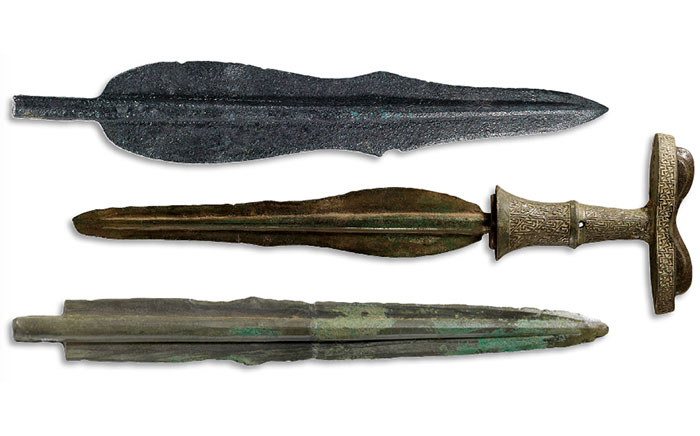
Myth of the Golden Dragon
Eclectic artifacts from tombs in northeastern China tell the story of a little-known dynasty
Digs & Discoveries November/December 2022
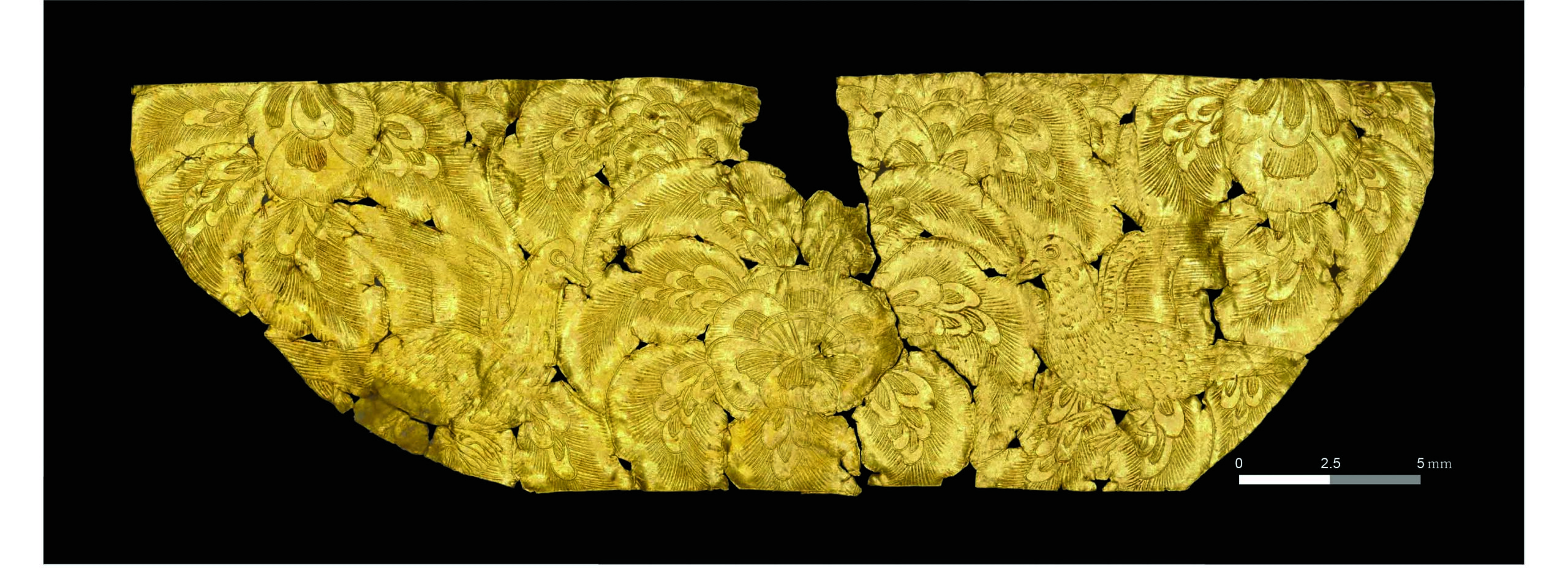
Miniature Gold Canvas
More to Discover
Features March/April 2026
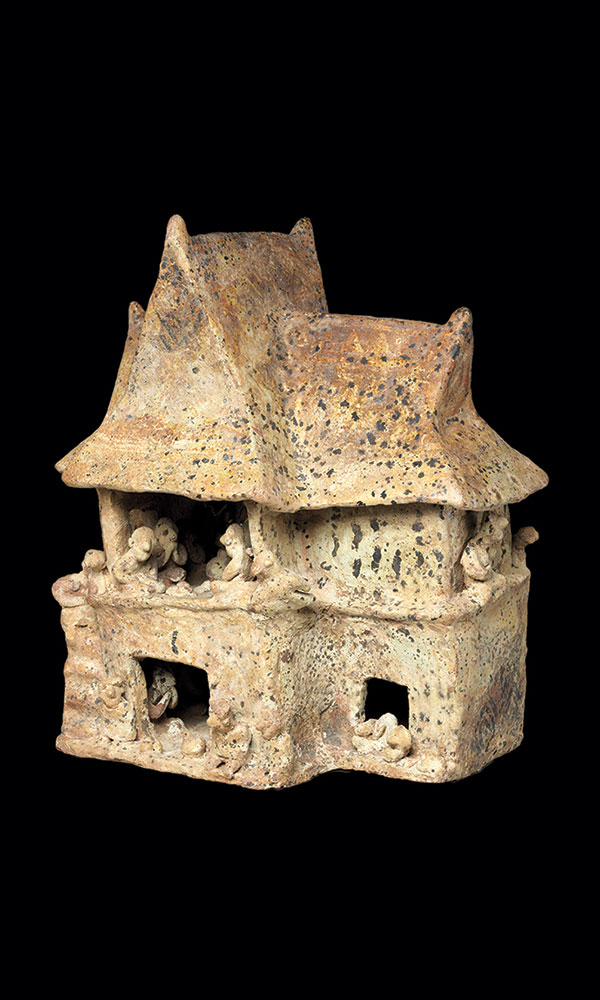
Model Homes
A look inside miniature worlds created for the living, the dead, and the divine

-
Features March/April 2026
Pompeii's House of Dionysian Delights
Vivid frescoes in an opulent dining room celebrate the wild rites of the wine god
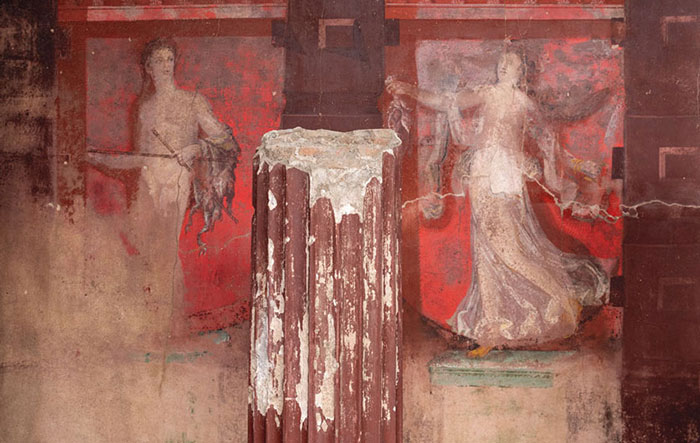 Courtesy Archaeological Park of Pompeii
 -
Features March/April 2026
Return to Serpent Mountain
Discovering the true origins of an enigmatic mile-long pattern in Peru’s coastal desert
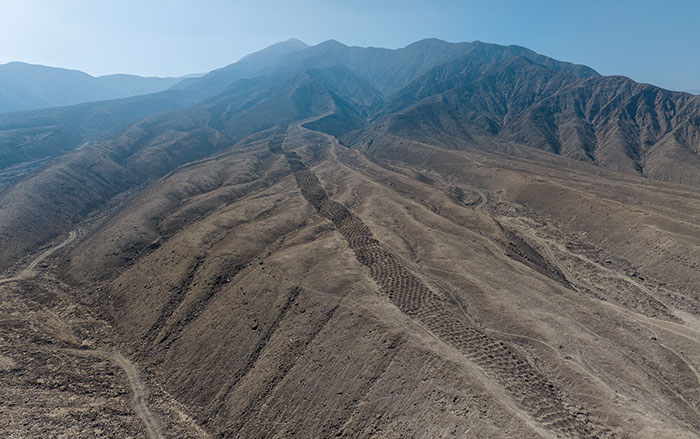 Courtesy J.L. Bongers
 -
Features March/April 2026
Himalayan High Art
In a remote region of India, archaeologists trace 4,000 years of history through a vast collection of petroglyphs
 Matt Stirn
 -
Features March/April 2026
What Happened in Goyet Cave?
New analysis of Neanderthal remains reveals surprisingly grim secrets
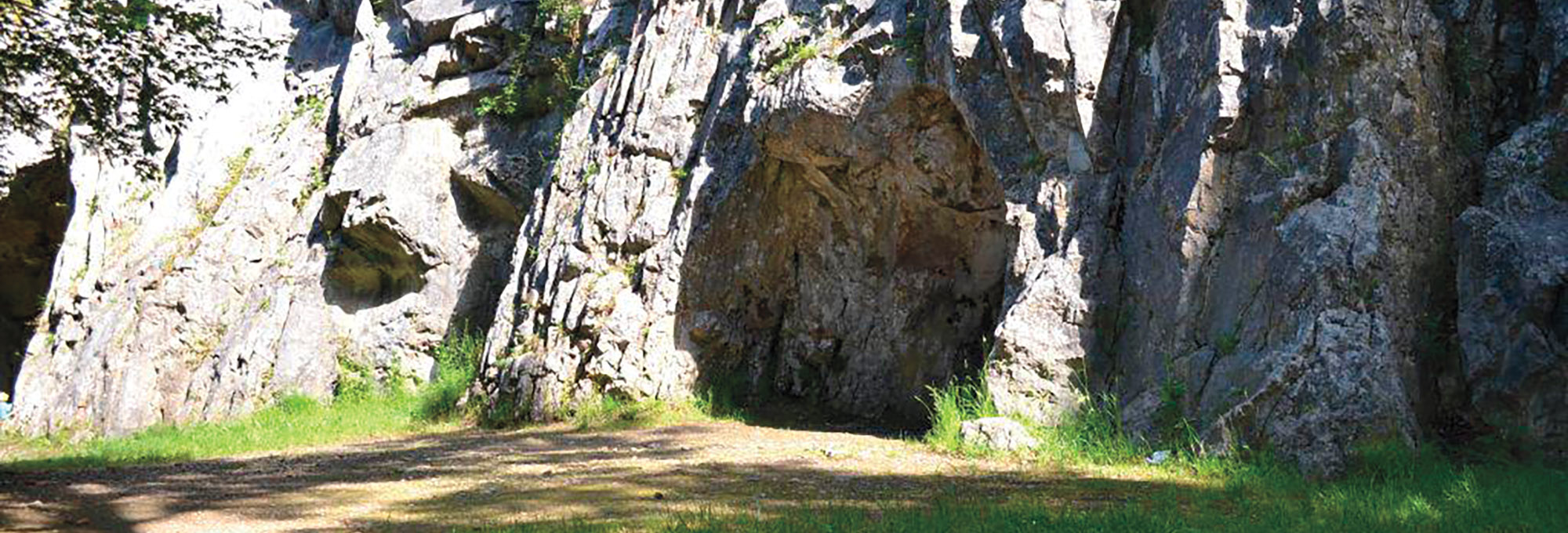 IRSNB/RBINSL