

STRASBOURG, FRANCE—According to a statement released by Frontiers, the protective coatings on a 2,200-year-old Roman shipwreck found off the coast of Croatia were made of pine tar, or pitch, and a mixture of pine tar and beeswax. Beeswax was added to heated tar to make a mixture known to Greek shipbuilders as zopissa, which is more flexible and easier to apply. In addition to analyzing the chemical makeup of the coatings on the ship, archaeometrist Armelle Charrié of Strasbourg University and her colleagues examined pollen trapped in the sticky pitch at the time of application. “Analysis of pollen in the coating made it possible to identify the plant taxa present in the immediate environment during the construction or repairs of the ship,” Charrié said. The pollen in the ship’s coating suggest that the vessel had been repaired in several different locations around the Mediterranean and Adriatic Seas. The stern and central part of the ship were covered with the same coating, but three patches at the bow were different from each other. “While it seems obvious that ships sailing long distances need repairs, it’s simply not easy to demonstrate this,” Charrié said. “Pollen has been very useful in identifying different coatings where the molecular profiles were identical,” she added. Read the original scholarly article about this research in Frontiers in Materials. To read about a vessel found at the bottom of the Black Sea, go to "Ancient Shipwreck," one of ARCHAEOLOGY's Top 10 Discoveries of 2018.
Pollen Trapped in Pitch Tracks Repairs Made to Ancient Ship
News April 27, 2026

Recommended Articles
Features September/October 2022
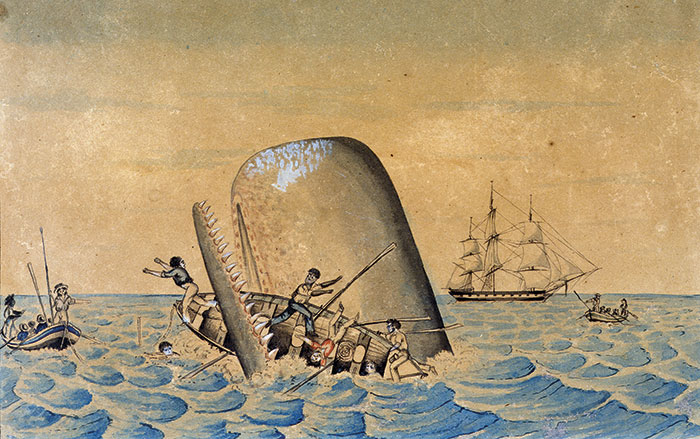
1,000 Fathoms Down
In the Gulf of Mexico, archaeologists believe they have identified a nineteenth-century whaling ship crewed by a diverse group of New Englanders
Features September/October 2026
2,000 Years Under the Sea
The story of Greece’s famed Antikythera wreck is finally being revealed

Digs & Discoveries March/April 2026
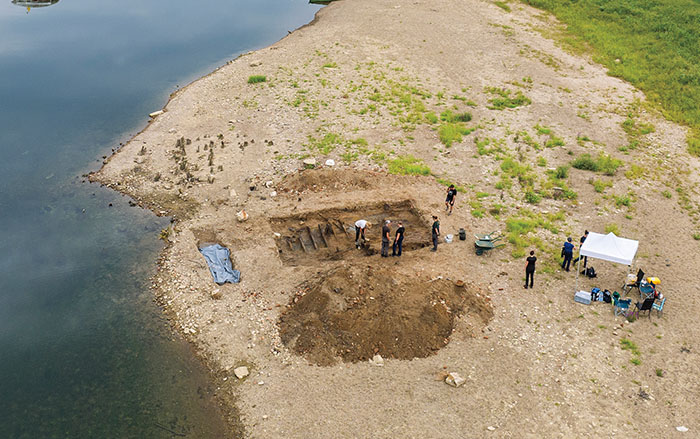
Roman River Barge
Digs & Discoveries November/December 2024
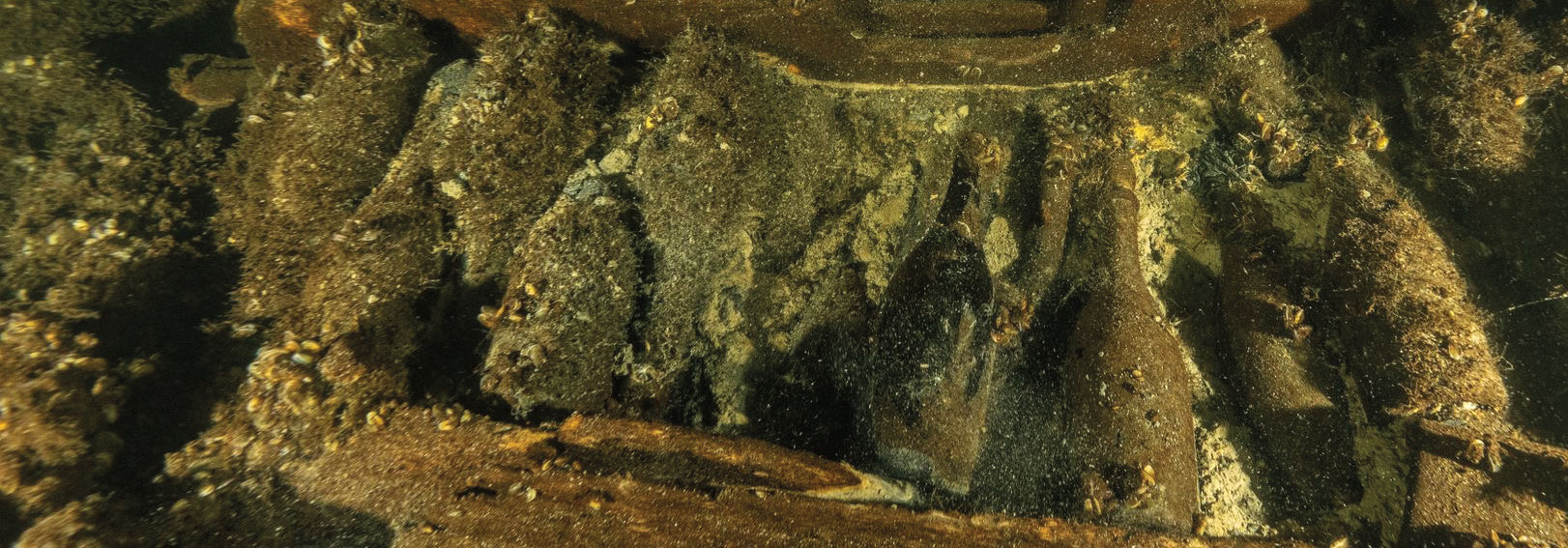
Nineteenth-Century Booze Cruise
More to Discover
Features March/April 2026
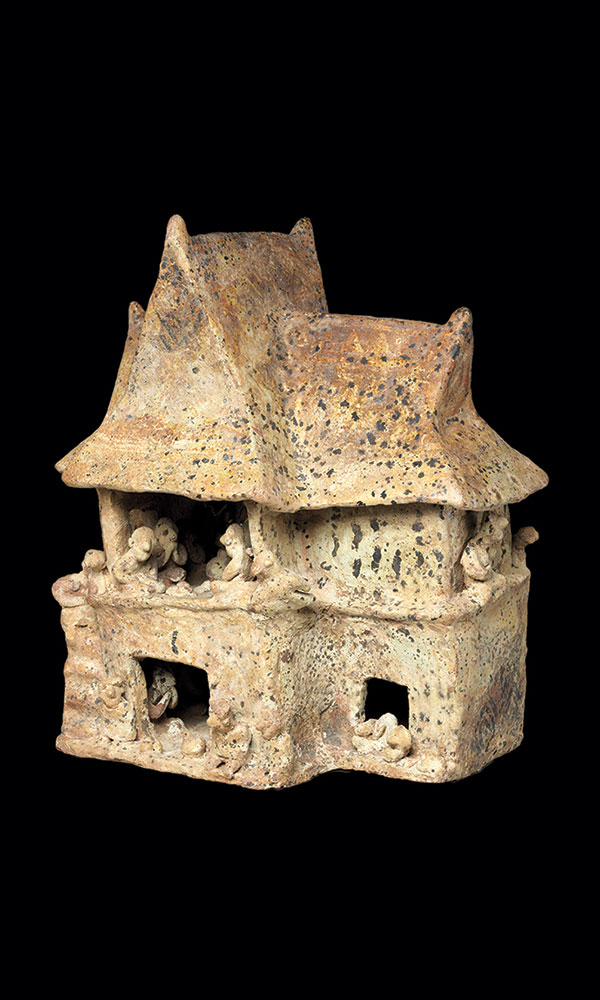
Model Homes
A look inside miniature worlds created for the living, the dead, and the divine

-
Features March/April 2026
Pompeii's House of Dionysian Delights
Vivid frescoes in an opulent dining room celebrate the wild rites of the wine god
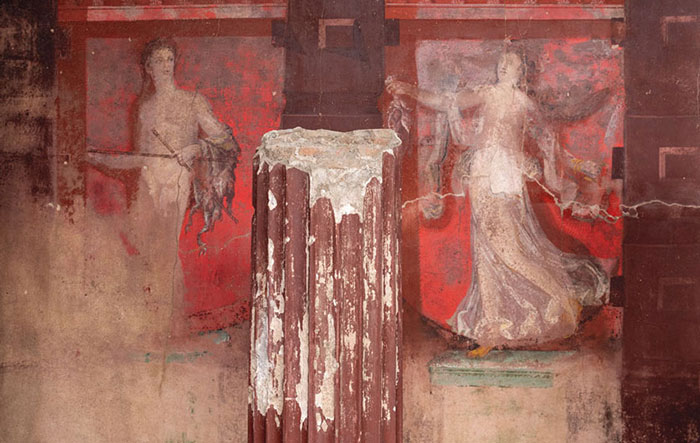 Courtesy Archaeological Park of Pompeii
 -
Features March/April 2026
Return to Serpent Mountain
Discovering the true origins of an enigmatic mile-long pattern in Peru’s coastal desert
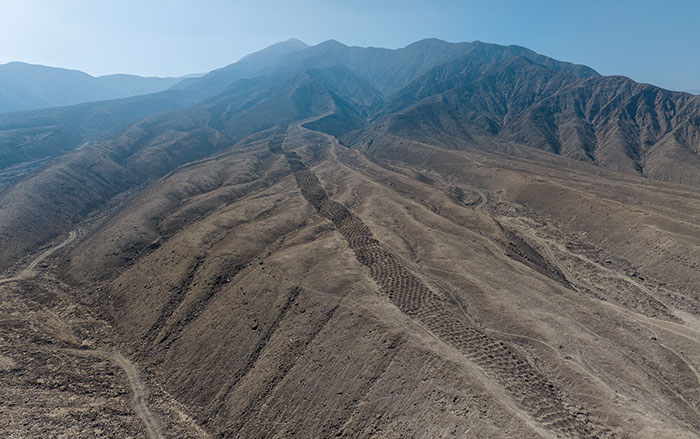 Courtesy J.L. Bongers
 -
Features March/April 2026
Himalayan High Art
In a remote region of India, archaeologists trace 4,000 years of history through a vast collection of petroglyphs
 Matt Stirn
 -
Features March/April 2026
What Happened in Goyet Cave?
New analysis of Neanderthal remains reveals surprisingly grim secrets
 IRSNB/RBINSL