Traces of Cremation Pyre Uncovered in the East of England

News April 27, 2026

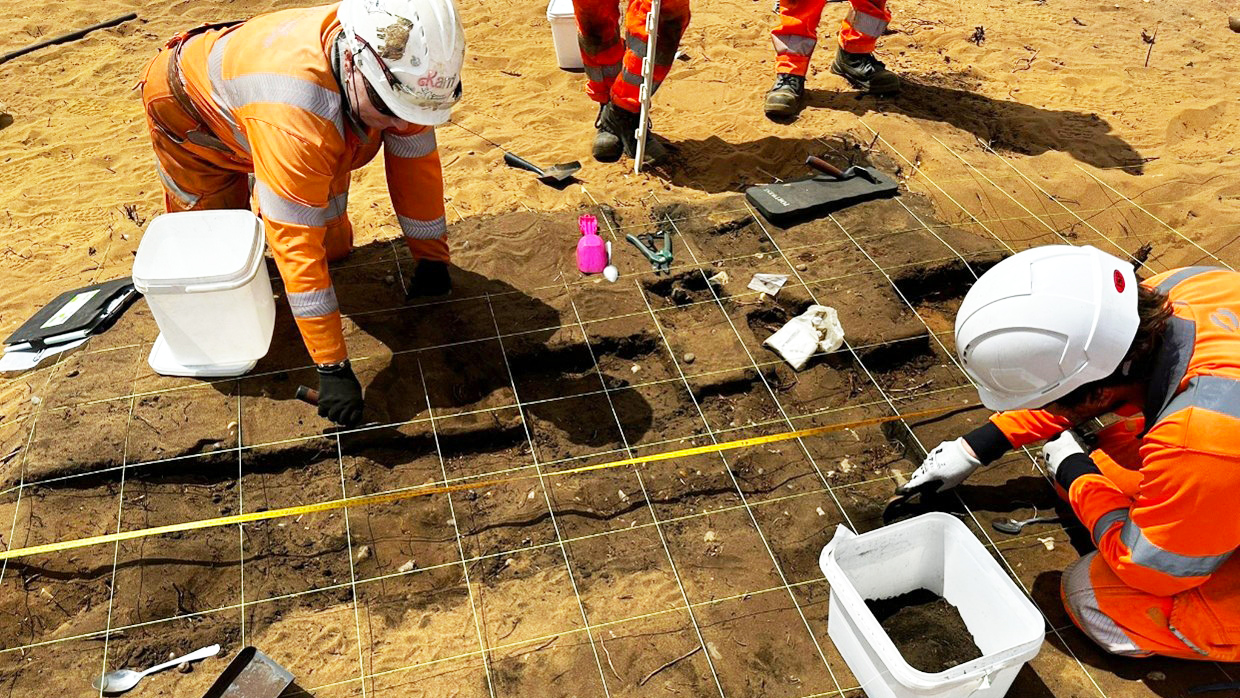
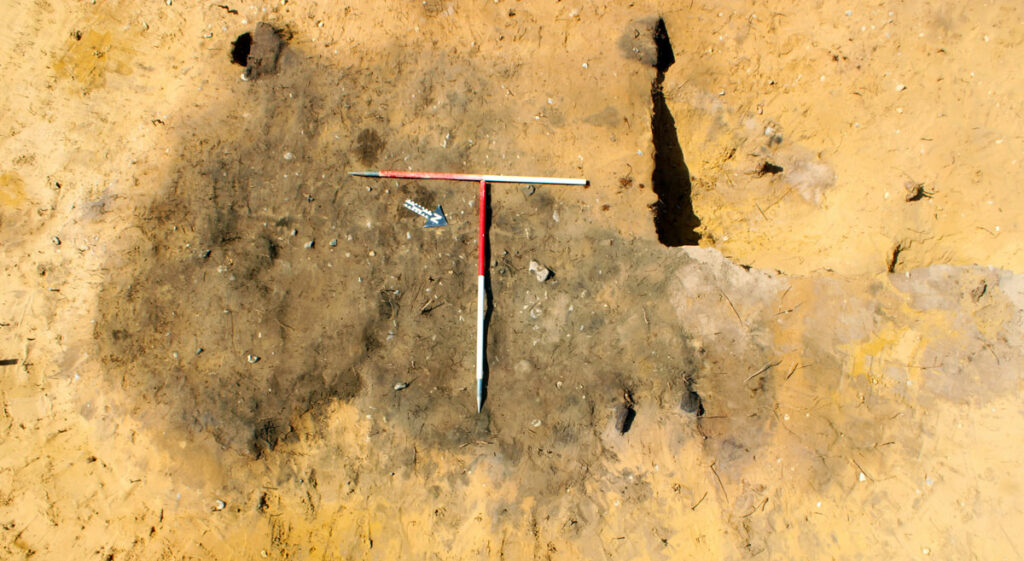
Archaeologists excavate a cremation pyre at the Sizewell C site, Suffolk, England.
Oxford Cotswold Archaeology
SHARE:

SUFFOLK, ENGLAND—The East Anglian Daily Times reports that archaeologists from Cotswold Archaeology uncovered traces of a cremation pyre in the East of England, near the coast of the North Sea. The blackened soil and pieces of burnt bone were found within a ring ditch, which had once been covered by a mound that was destroyed by agricultural plowing. Most of the human remains were likely transferred to an urn for burial at another location. The pyre has not yet been dated, but the researchers suspect it dates to the Bronze Age, since another cremation at the site has been dated to that period. Charcoal and burnt plant material in the soil will also be analyzed for more information about the ritual, the status of the individual, the fuel used, and the local environment at the time. To read about cherries thrown onto a cremation grave in Serbia almost 9,000 years ago, go to "A Passion for Fruit: Funeral Fruit."
  • Features March/April 2026

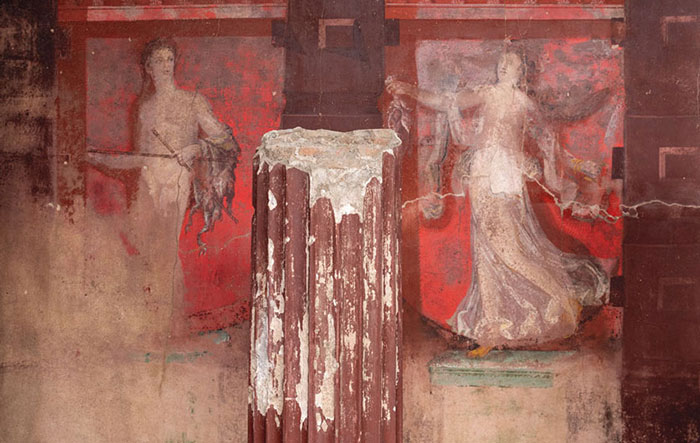
    Pompeii's House of Dionysian Delights

    Vivid frescoes in an opulent dining room celebrate the wild rites of the wine god

    Read Article
    Frescoed panels in the House of the Thiasus portray a satyr (left) and a woman (right)
    Courtesy Archaeological Park of Pompeii
  • Features March/April 2026

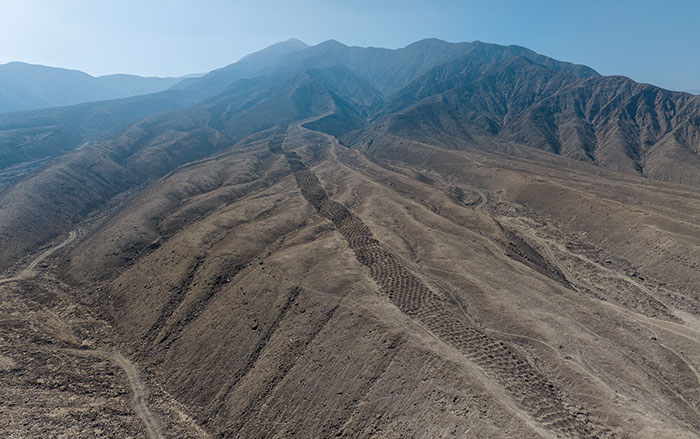
    Return to Serpent Mountain

    Discovering the true origins of an enigmatic mile-long pattern in Peru’s coastal desert

    Read Article
    Courtesy J.L. Bongers
  • Features March/April 2026

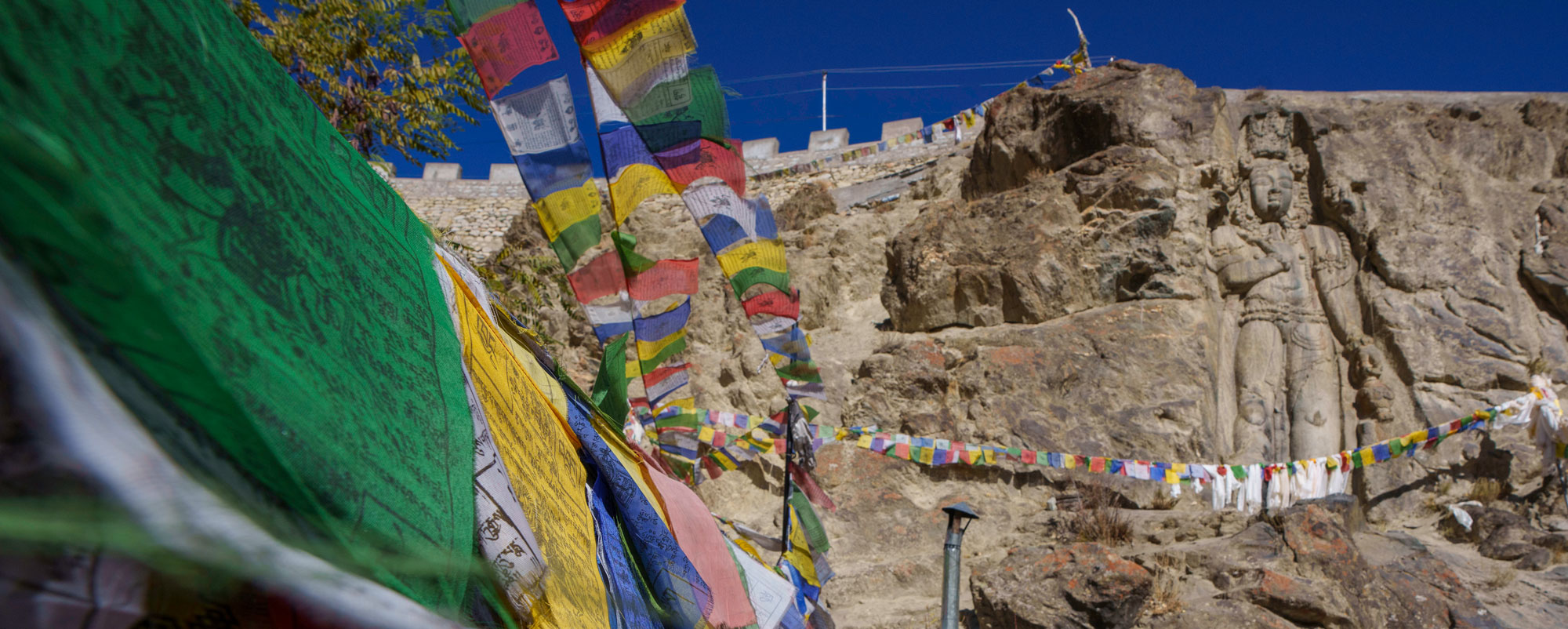
    Himalayan High Art

    In a remote region of India, archaeologists trace 4,000 years of history through a vast collection of petroglyphs

    Read Article
    Matt Stirn
  • Features March/April 2026

    What Happened in Goyet Cave?

    New analysis of Neanderthal remains reveals surprisingly grim secrets

    Read Article
    The Third Cave, one of the galleries in a cave system in central Belgium known as the Goyet Caves
    IRSNB/RBINSL