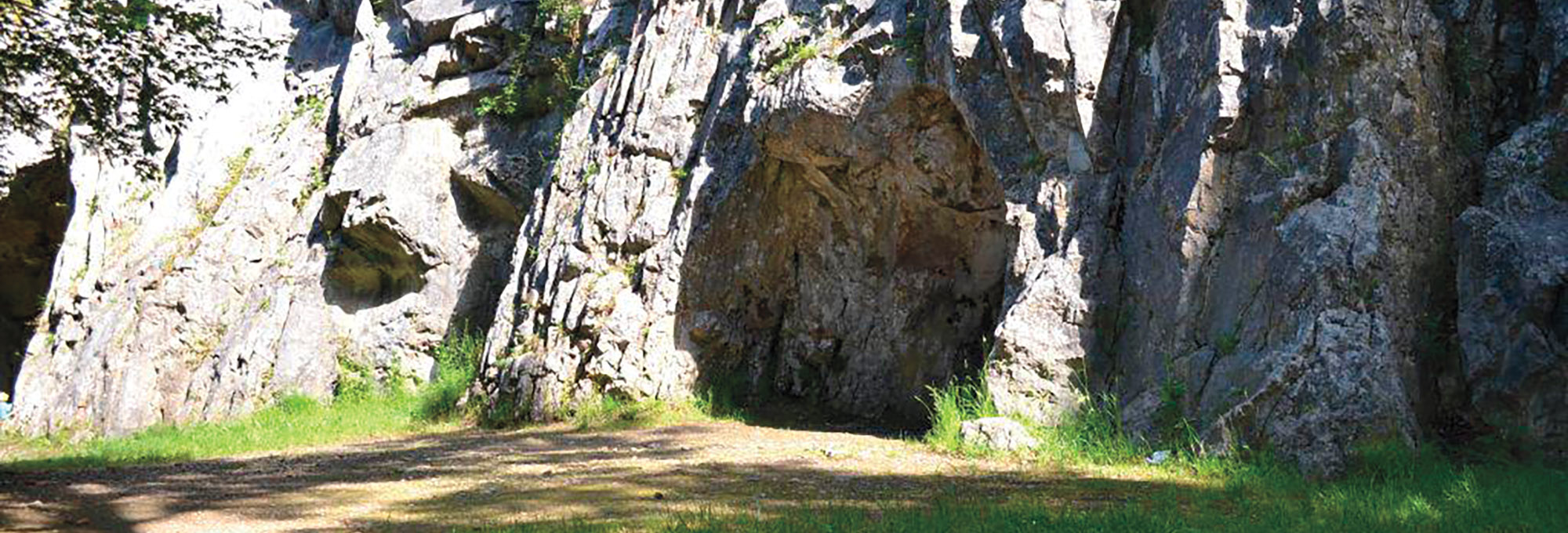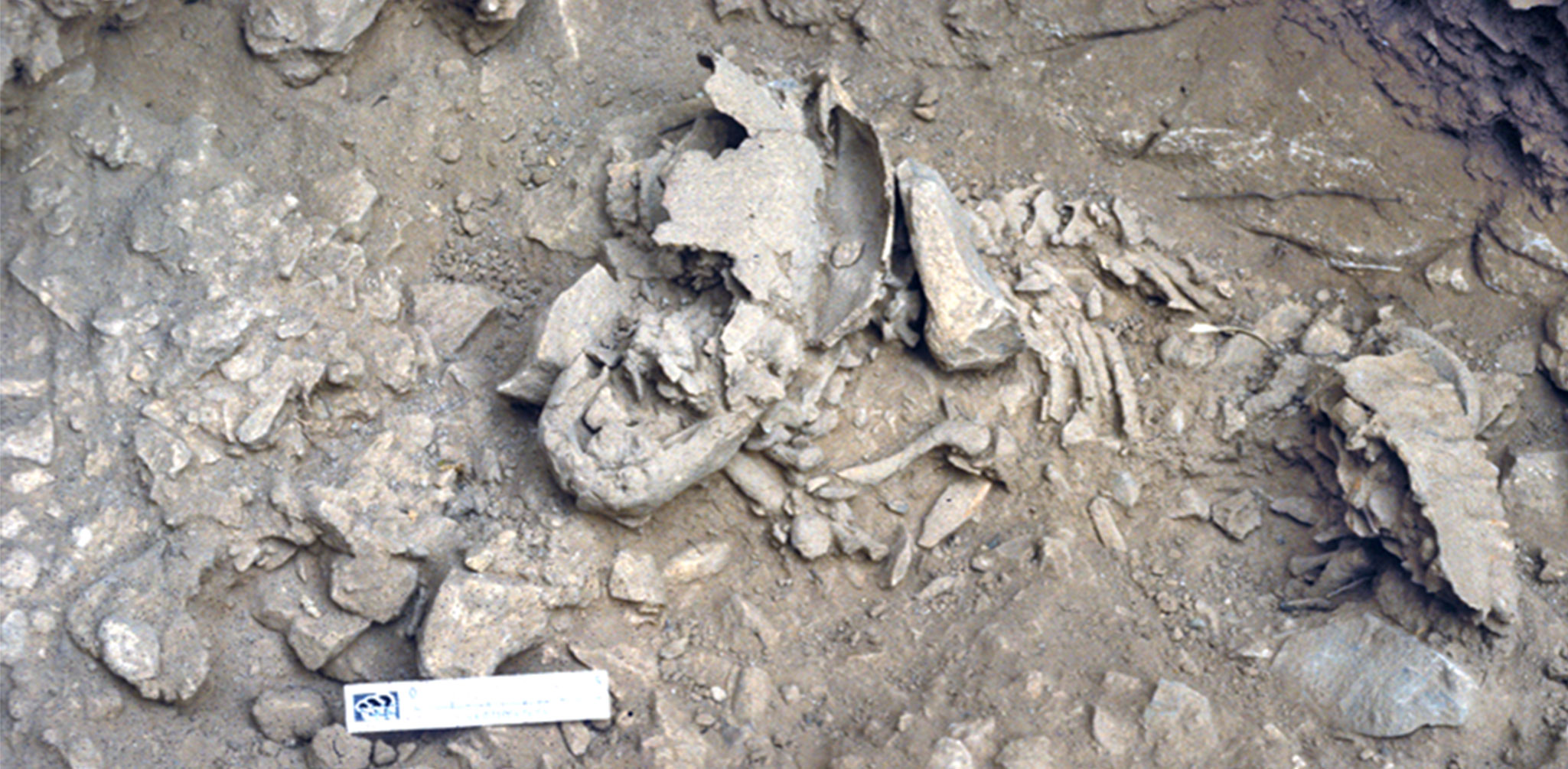
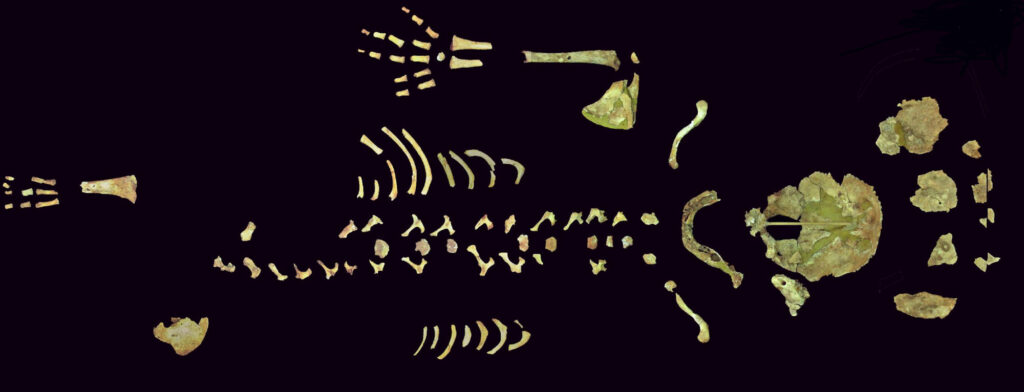
TEL AVIV, ISRAEL—IFL Science reports that an international team of researchers including Ella Been of Tel Aviv University and Erella Hovers of the Hebrew University of Jerusalem has analyzed the skeletal remains of Amud 7, a Neanderthal infant unearthed near the Sea of Galilee in northern Israel in the 1990s. The bones have been dated to between 51,000 and 56,000 years ago. Previous research has found that Neanderthal fetal development was similar to that of modern humans. The size of the Amud 7 bones and skull, when compared to a modern human infant, would suggest that the Neanderthal child had been about one year old at the time of death. Yet, examination of the infant’s teeth suggests that the child died at about six months of age. This difference in size indicates that Neanderthal children grew at a faster rate in early life than modern human children. Amud 7 was also found to have the characteristic robust and highly curved collar bone, distinctive shoulder blade, and rounded edges to the shin bone of Neanderthals. Larger body size may have helped the young Neanderthal children to survive in Eurasia’s cold climate, the researchers concluded. To read the scholarly article exploring the research, go to Current Biology. To read about another recent discovery made about Neanderthals, go to "What Happened in Goyet Cave?"