

PARIS, FRANCE—Evidence of iron production dated to the fifth century A.D. has been discovered at the Ndalambiri rock shelter in Angola, according to a report in La Brújula Verde. The rock shelter is known for its paintings of some 1,200 figures spread over a 200-foot-long span. Isis Mesfin of France’s National Museum of Natural History and her colleagues have dated the earliest occupation of the site to some 16,000 years ago, and possibly earlier, but the oldest archaeological layers at the site appear to have been altered by flooding and other natural processes. These earliest layers contained more than 1,000 stone tools. Evidence for the production of iron was detected in layers dated from the fifth to eighth centuries A.D. These items include fragments of iron slag; pieces of conduits for blowing air into forges; hammer scales, a byproduct of the forging process; three finished iron objects; and three pieces of iron ore. Mesfin and her colleagues also uncovered a small oval furnace dug into the ground where smelted iron was likely fashioned into small objects. Ceramic fragments, iron tools, forge slag, bones from wild and domesticated animals, and stone tools were recovered in layers dated from the eleventh through the nineteenth centuries. While working at the rock shelter, the team members also created a 3D model of the shelter and its paintings. It is not clear at this time what cultural groups may have occupied the cave, the researchers concluded. Read the original scholarly article about this research in the Journal of Archaeological Science: Reports. To read about fugitive settlements in the Brazilian jungle established by enslaved Africans from Angola, go to "Island of Freedom."
Early Iron Production Dated in Central Africa
News May 26, 2026
Recommended Articles
Features November/December 2026
Stone Age Stargazers
Did artists 12,000 years ago illuminate a cave in Tajikistan with their vision of the Milky Way?

Digs & Discoveries November/December 2026
Knowing the Ropes

Features September/October 2026
Cultivating Fields of Stone
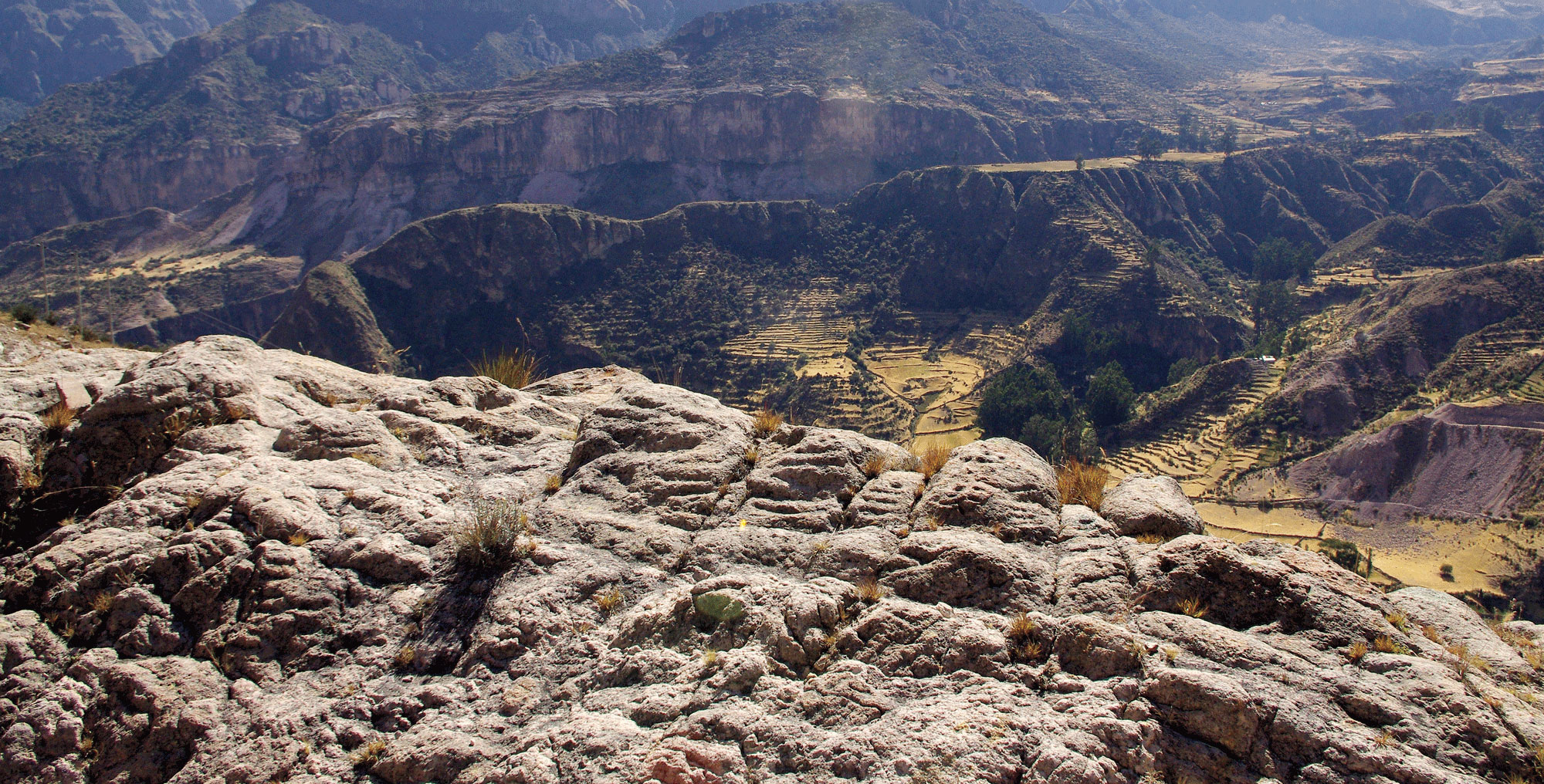
Peru’s ancient farmers used intricate rock maps to plan for the future
Digs & Discoveries September/October 2026
Foot Notes
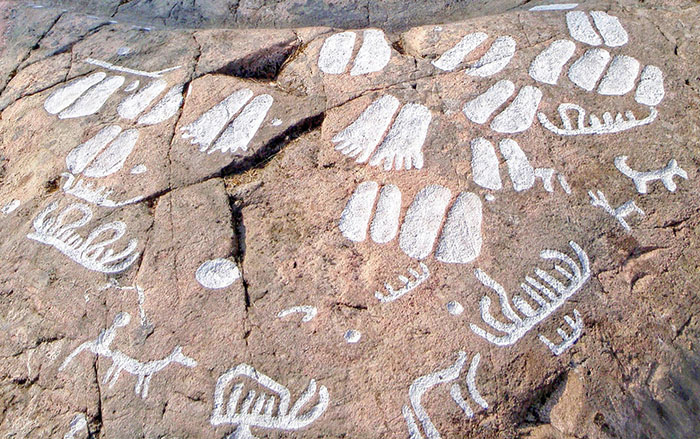
Why did ancient Scandinavians make footprint-shaped rock carvings that didn’t match?
More to Discover
Features May/June 2026
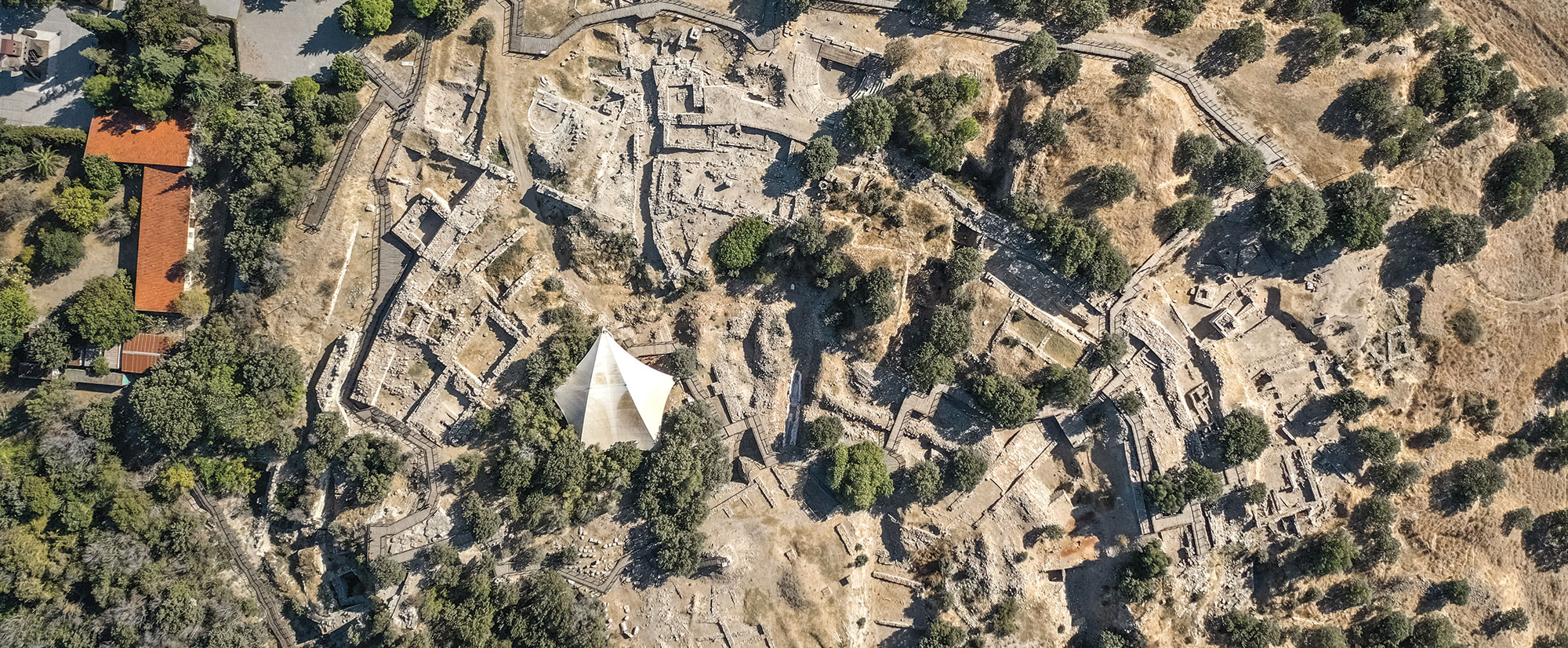
The Unexpected World of the Odyssey
Discovering the surprising inspirations behind Homer’s great tales of the Trojan War
-
Features May/June 2026
Pioneers of Lakefront Living
Why Neolithic and Bronze Age farmers in the Alps built their villages on stilts
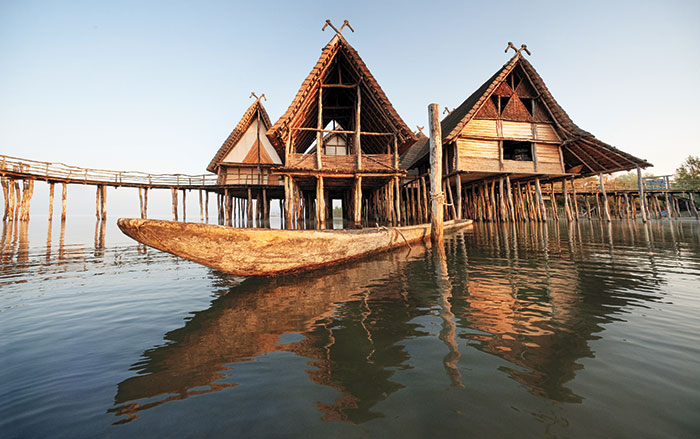 © APM/Frank Müller
 -
Features May/June 2026
The Last Maya Kingdom
On the shores of a lake in Guatemala, the Itzá people defied the Spanish for nearly 200 years
 Courtesy Timothy Pugh/Itzá Archaeological Project
 -
Features May/June 2026
Art for the Ages
A surreal style of painting endured for 4,000 years in the canyonlands of West Texas
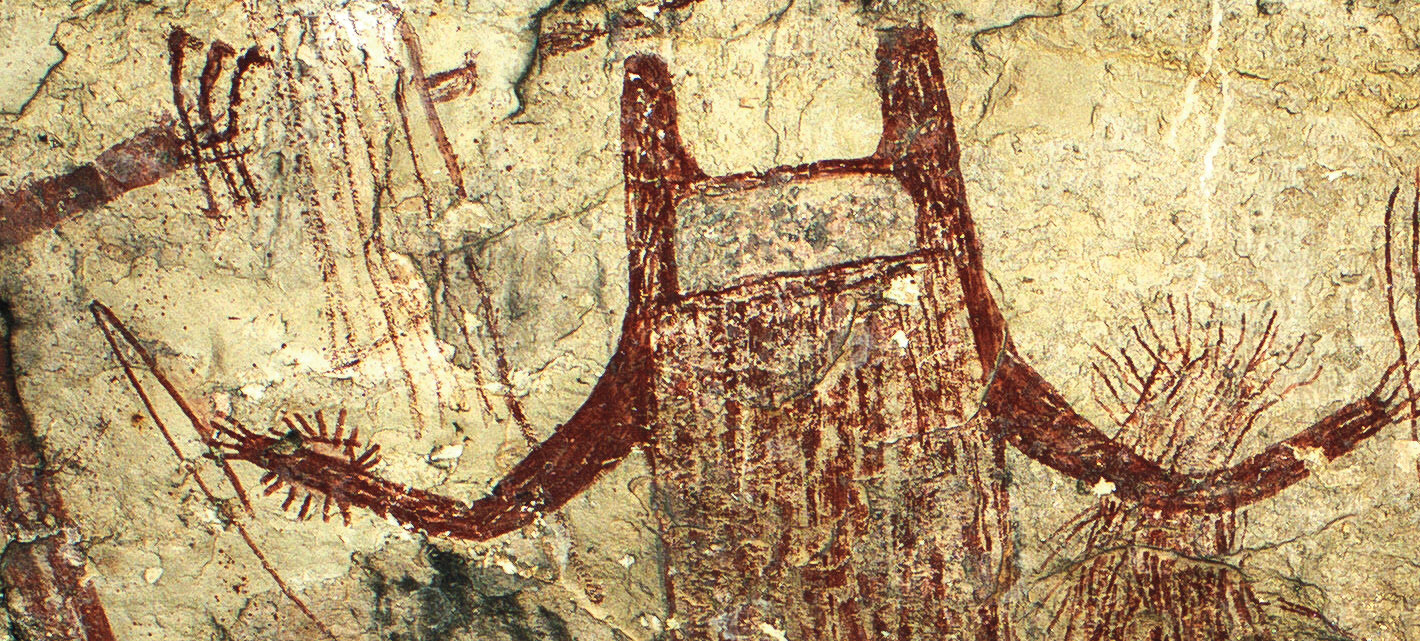 Shumla Archaeological Research and Education Center Archive
 -
Features May/June 2026
Bridge to the Past
The Yellow River brought both prosperity and calamity to China’s dazzling medieval capital
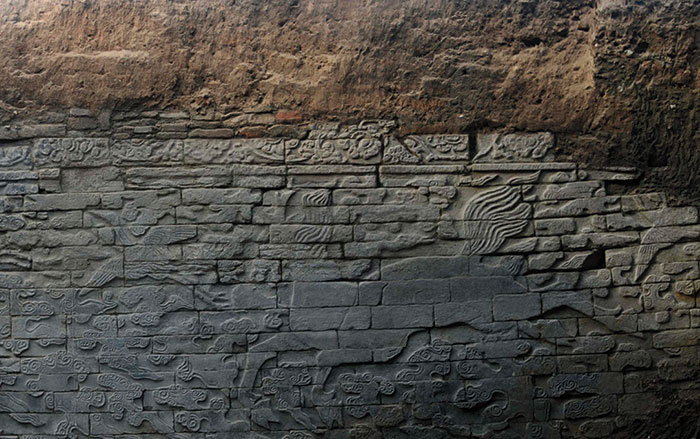 Henan Provincial Institute of Cultural Heritage and Archaeology