Ancient Egyptian Capital City Investigated

News June 5, 2026

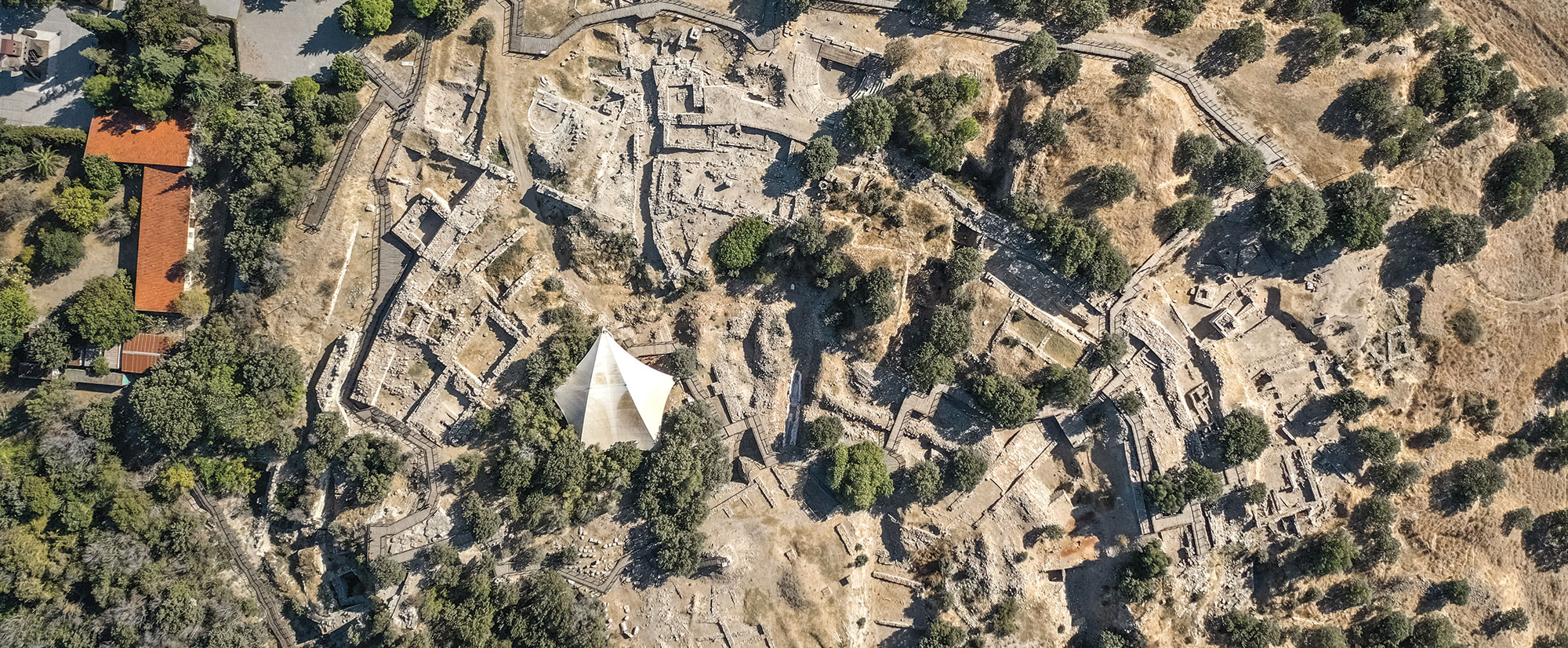
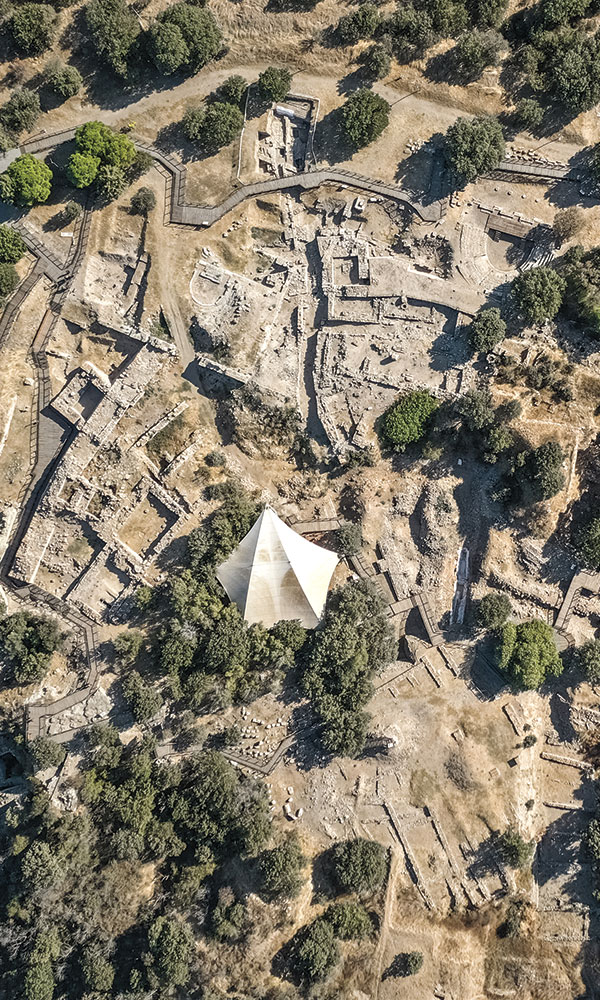
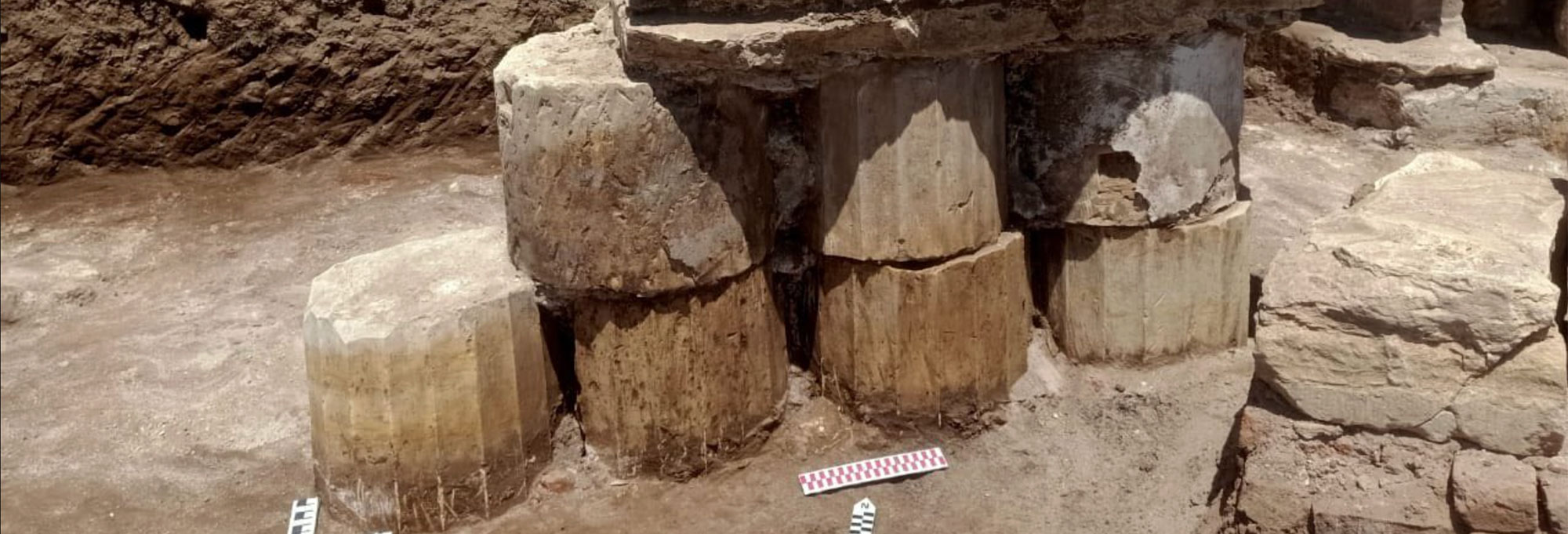
Remnants of basilica, Ihnasiya al-Madina, Egypt
Egyptian Ministry of Tourism and Antiquities
SHARE:

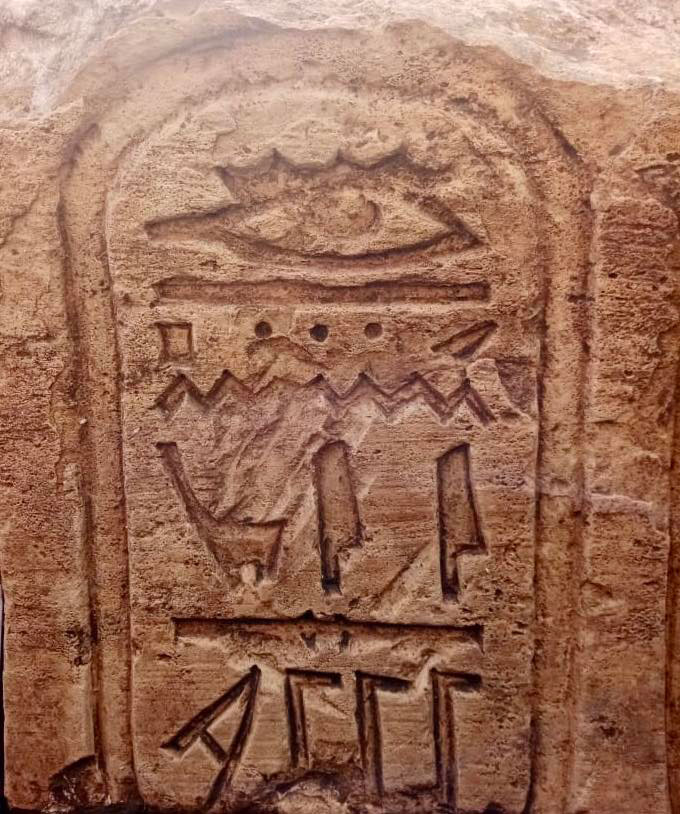
BENI SUEF, EGYPT—La Brújula Verde reports that a reused stone block carved with the name of the pharaoh Senwosret III has been discovered in central Egypt at Ihnasiya al-Madina, the capital of Egypt during the 9th and 10th Dynasties also known as Heracleopolis Magna. Senwosret III ruled in the 12th Dynasty, from about 1878 to 1840 B.C. The inscription includes his coronation and birth titles. A cartouche including the name Osiris Na Rief, a god who was worshipped in the region in the late Pharaonic period and the Ptolemaic era, was also found. Hisham El-Leithy of Egypt’s Supreme Council of Antiquities said that traces of a Roman-era basilica; a Doric Greek temple; the head of a marble sculpture of Aphrodite, the Greek goddess of love and beauty; fragments of wall statues; and ceramic molds for making Roman coins were also uncovered. Components of the Doric temple were reused in the sixth century A.D. in the foundation of the basilica and in platforms for its massive pillars, El-Leithy explained. To read about Senwosret III's funerary complex, go to "A Pharaoh's Last Fleet."

  • Features May/June 2026

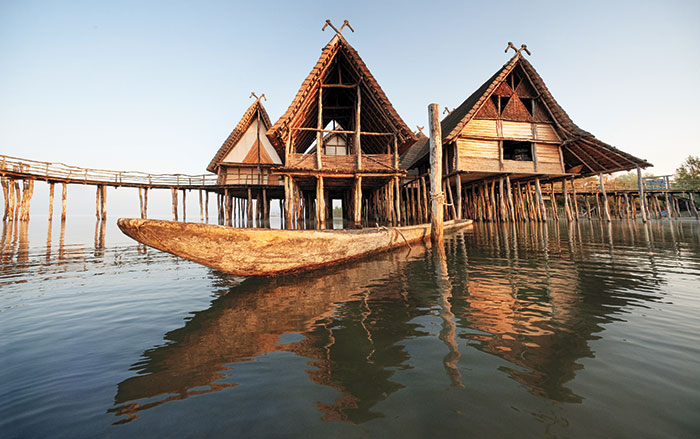
    Pioneers of Lakefront  Living

    Why Neolithic and Bronze Age farmers in the Alps built their villages on stilts

    Read Article
    Modern replicas of Bronze Age houses in Lake Constance
    © APM/Frank Müller
  • Features May/June 2026

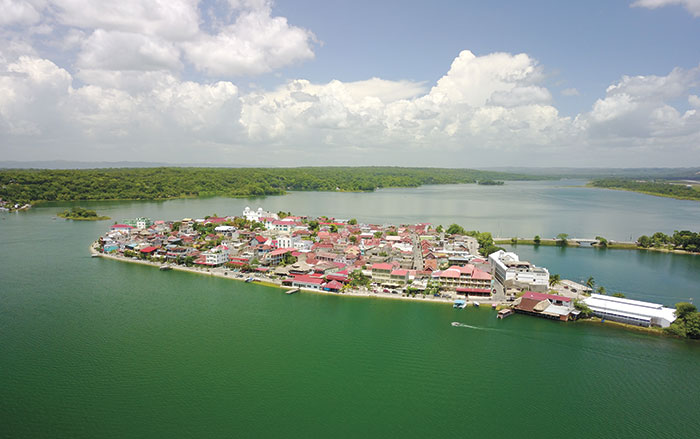
    The Last Maya Kingdom

    On the shores of a lake in Guatemala, the Itzá people defied the Spanish for nearly 200 years

    Read Article
    Flores Island, Guatemala
    Courtesy Timothy Pugh/Itzá Archaeological Project
  • Features May/June 2026

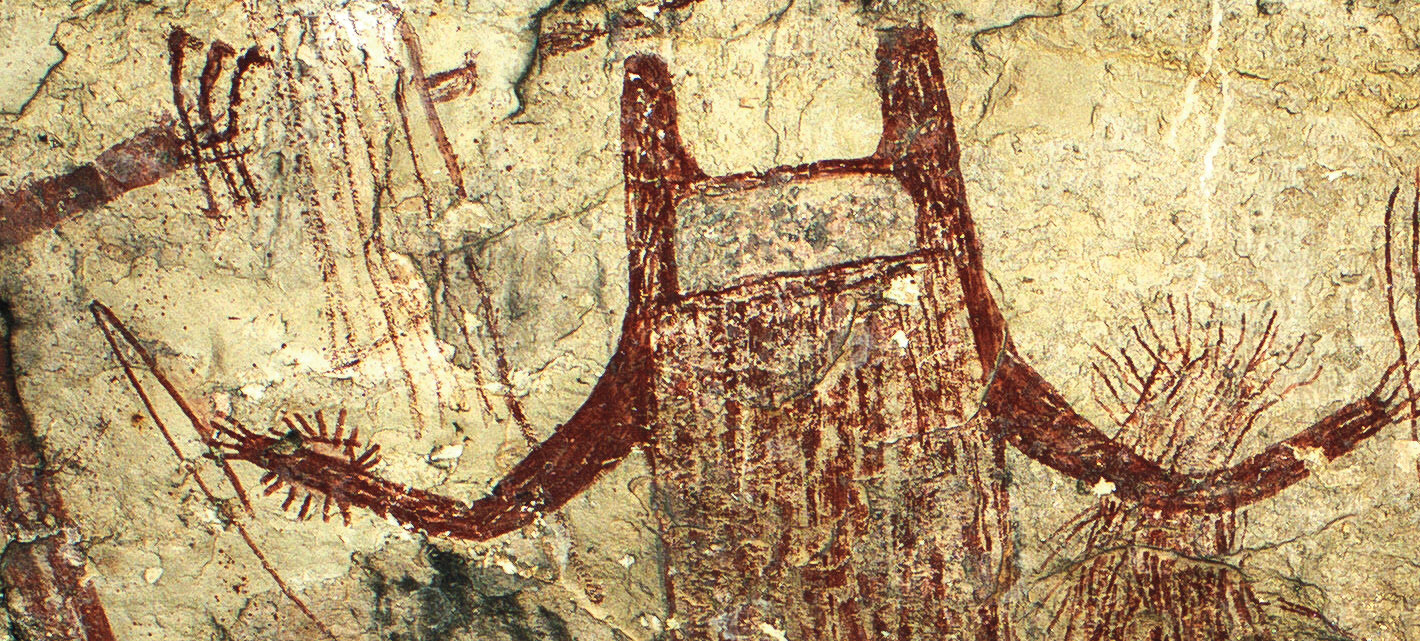
    Art for the Ages

    A surreal style of painting endured for 4,000 years in the canyonlands of West Texas

    Read Article
    Shumla Archaeological Research and Education Center Archive
  • Features May/June 2026

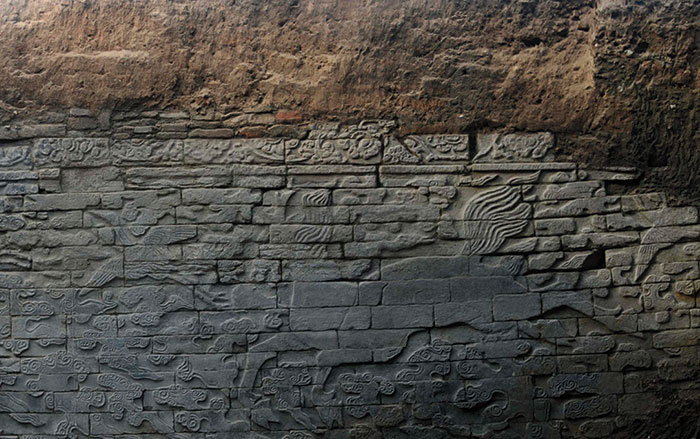
    Bridge to the Past

    The Yellow River brought both prosperity and calamity to China’s dazzling medieval capital

    Read Article
    Henan Provincial Institute of Cultural Heritage and Archaeology