

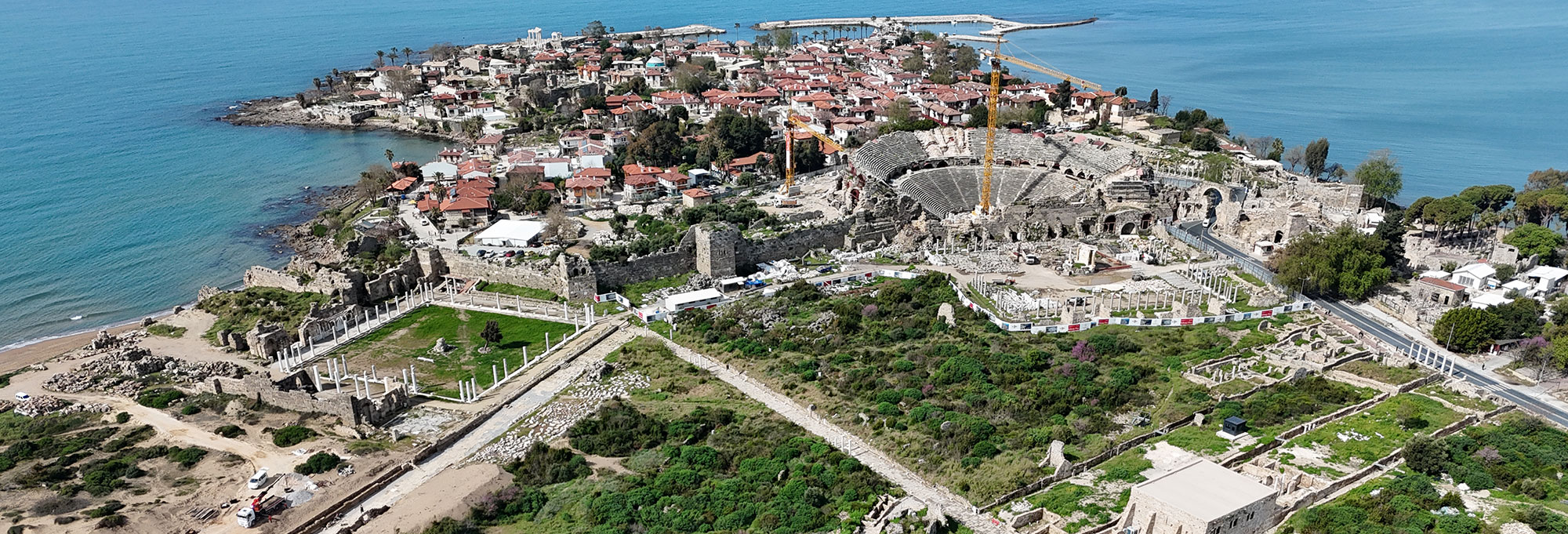
ANTALYA, TURKEY—Hürriyet Daily News reports that five additional letters in the Sidetic alphabet have been identified, bringing the total to 31. The letters belong to the lost language once spoken in Side, an ancient port city in Anatolia. Sidetic is related to Anatolia’s Lycian and Carian languages. Feriştah Alanyalı of Anadolu University and her colleagues identified the letters in bilingual inscriptions containing 30 to 40 lines of text that they recently unearthed at the site. “The scarcity of inscriptions and the fact that most consist of only one or two lines make decipherment difficult,” Alanyalı said. Scholars generally agree that the words “Siruawn” and “Siruawan” refer to the city itself. “This interpretation adds a new dimension to discussions about the city’s early history and the origin of its name,” Alanyalı said. “The research is ongoing, but the city’s name most likely still means ‘pomegranate,’” she added. Residents of Side continued to speak their own language for about 200 years after the conquest of Alexander the Great, when Greek became widely spoken in the region. The persistence of Sidetic demonstrates the strength of the city's culture and influence, Alanyalı concluded. For more on ancient languages of Eurasia, go to "The First Indo-European Speakers," one of ARCHAEOLOGY's Top 10 Discoveries of 2025.
Five Additional Letters Identified in Ancient Anatolian Language
News June 10, 2026
Recommended Articles
Digs & Discoveries July/August 2026
Put On Your Best Face
An opulent Roman villa hid a very peculiar staircase and an underground room for secret rites
Digs & Discoveries July/August 2026
Hurry Up and Celebrate
Features January/February 2026
The Cost of Doing Business
Piecing together the Roman empire’s longest known inscription—a peculiarly precise inventory of prices
Features July/August 2025
The Home of the Weather God
In northern Anatolia, archaeologists have discovered the source of Hittite royal power

More to Discover
Features May/June 2026
The Unexpected World of the Odyssey
Discovering the surprising inspirations behind Homer’s great tales of the Trojan War
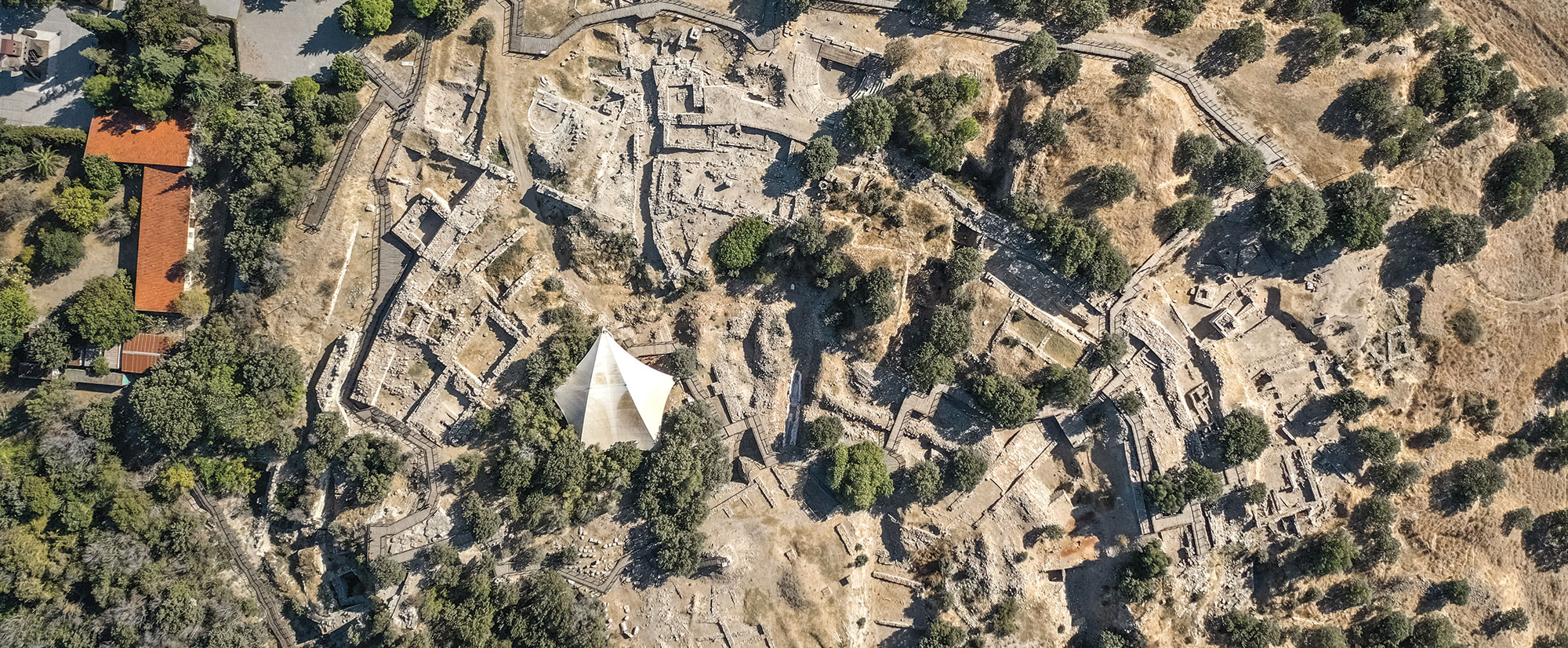
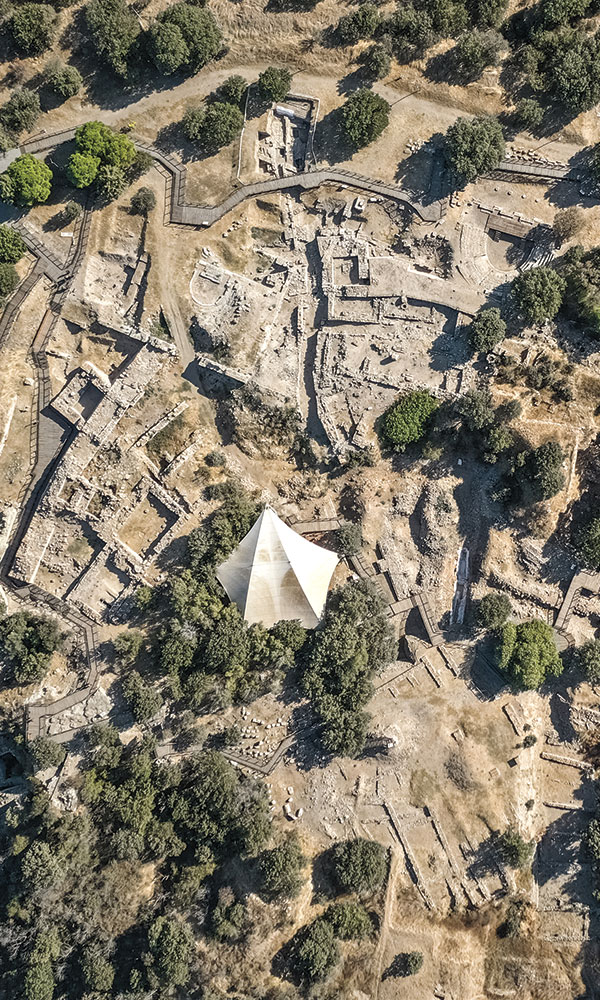
-
Features May/June 2026
Pioneers of Lakefront Living
Why Neolithic and Bronze Age farmers in the Alps built their villages on stilts
 © APM/Frank Müller
 -
Features May/June 2026
The Last Maya Kingdom
On the shores of a lake in Guatemala, the Itzá people defied the Spanish for nearly 200 years
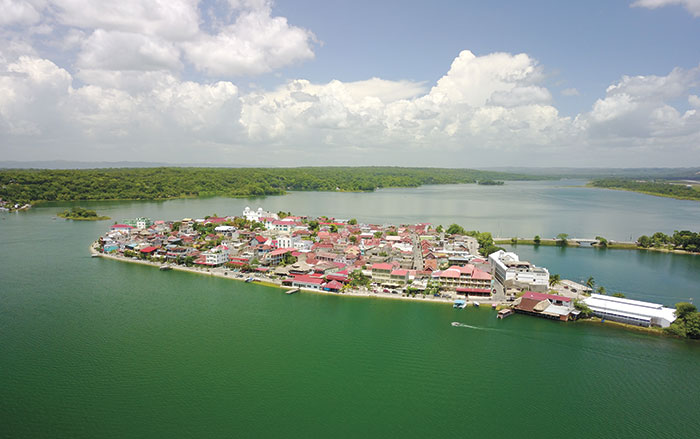 Courtesy Timothy Pugh/Itzá Archaeological Project
 -
Features May/June 2026
Art for the Ages
A surreal style of painting endured for 4,000 years in the canyonlands of West Texas
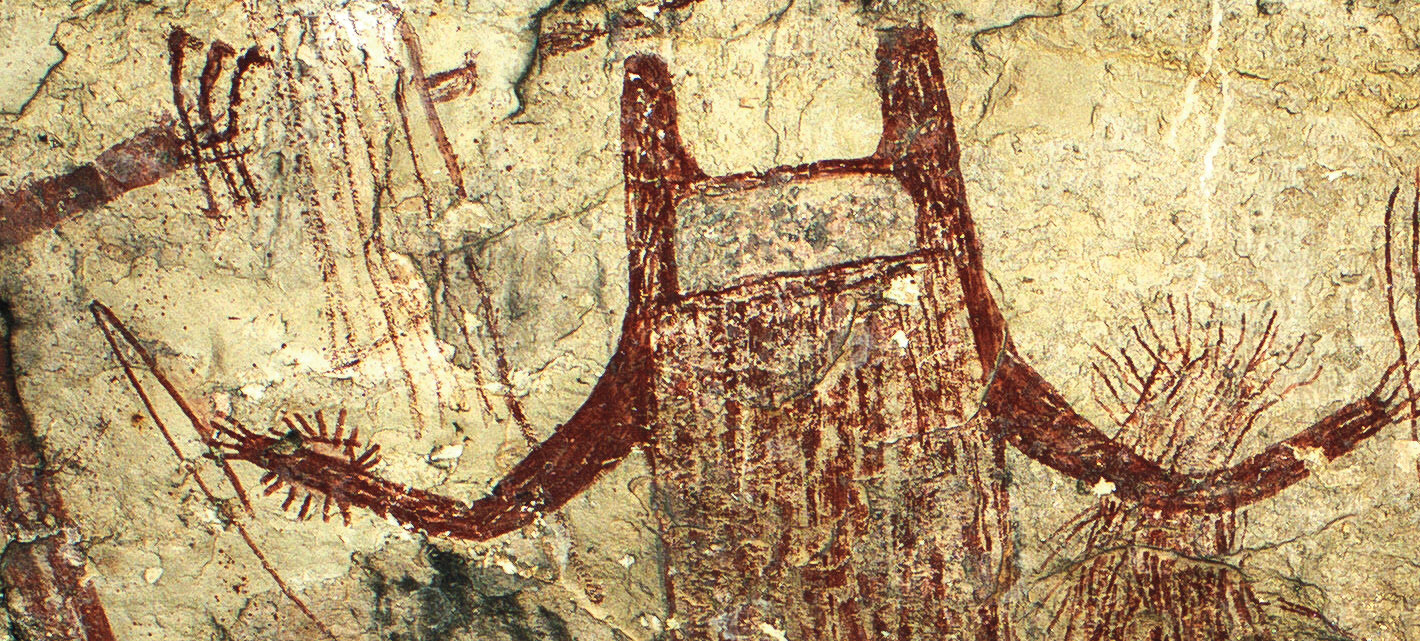 Shumla Archaeological Research and Education Center Archive
 -
Features May/June 2026
Bridge to the Past
The Yellow River brought both prosperity and calamity to China’s dazzling medieval capital
 Henan Provincial Institute of Cultural Heritage and Archaeology