

KARABUK, TURKEY—Türkiye Today reports that a 1,750-year-old tomb made of a large storage jar has been uncovered in the ancient city of Hadrianopolis, which is located in Turkey’s western Black Sea region. Ersin Çelikbaş of Karabük University said the tomb is the first of its type to have been found in the area. The jar contained human remains and grave goods, including seven smaller pottery vessels, an oil lamp, a coin, a knife, and two bone hairpins. The pottery was made locally, Çelikbaş said, while the hairpin suggests that the remains belonged to a woman. The coin was minted during the rule of the Roman emperor Probus (reigned a.d. 276–282), and was used to date the burial to the end of the third century A.D. To read more about Roman-era Anatolia, go to "Put On Your Best Face."
Pithos Burial Discovered at Hadrianopolis
News June 23, 2026
Recommended Articles
Features November/December 2026
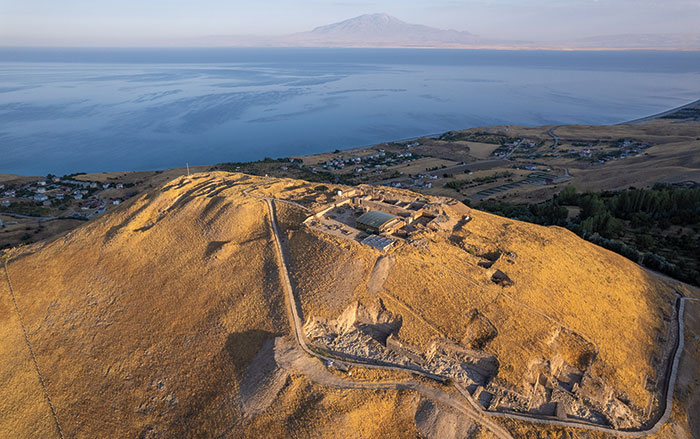
Kingdom of Fortresses
How diverse and far-flung Iron Age chiefdoms united to challenge the Assyrian Empire
Digs & Discoveries November/December 2026
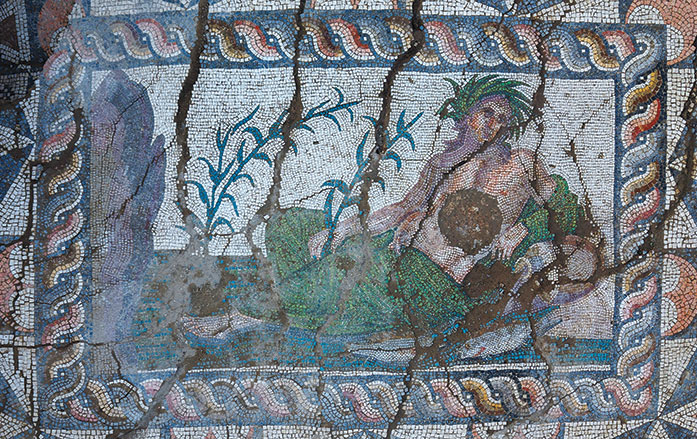
Reclining with the River God
Digs & Discoveries July/August 2026
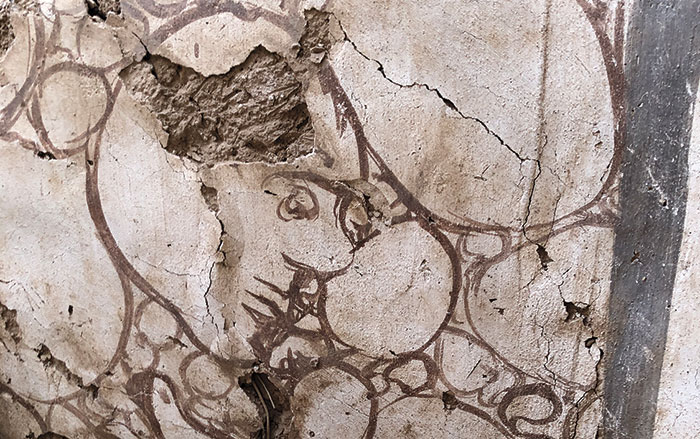
Put On Your Best Face
An opulent Roman villa hid a very peculiar staircase and an underground room for secret rites
Digs & Discoveries July/August 2026
Hurry Up and Celebrate
More to Discover
Features May/June 2026
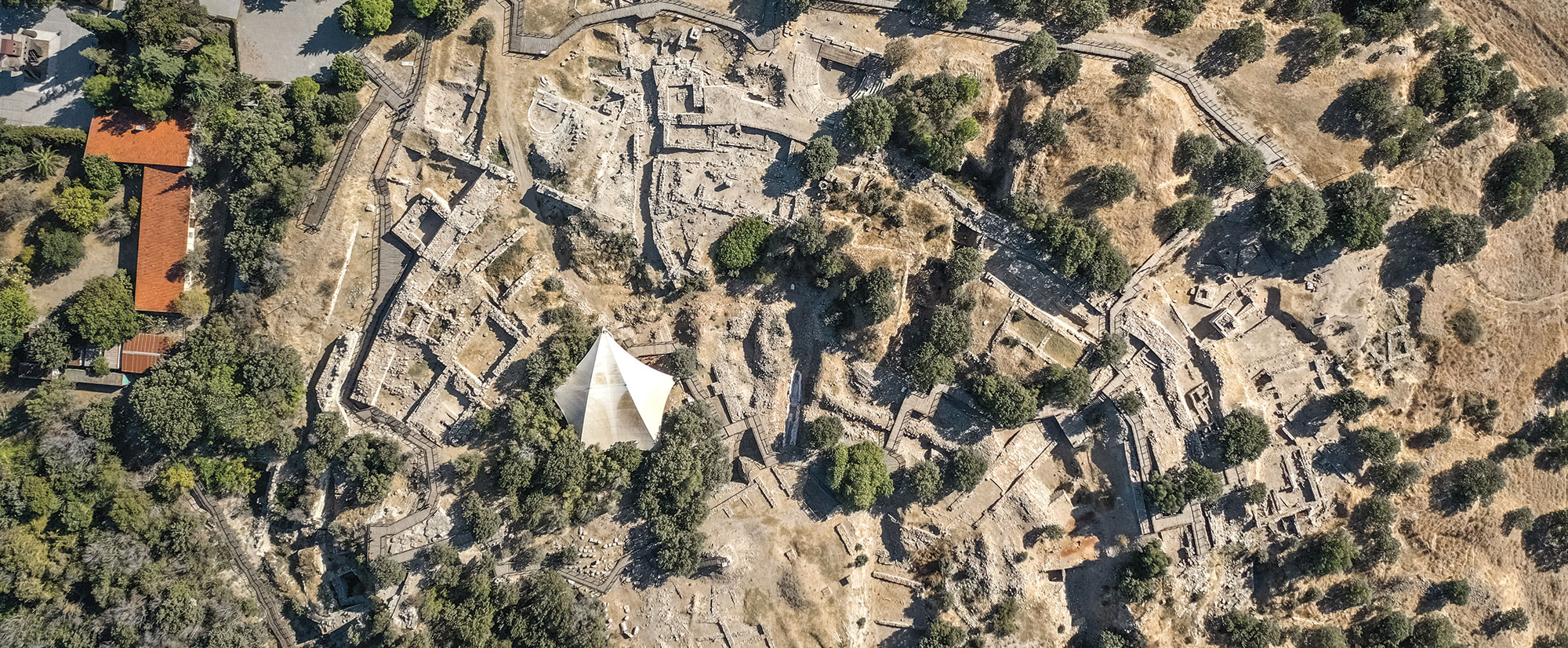
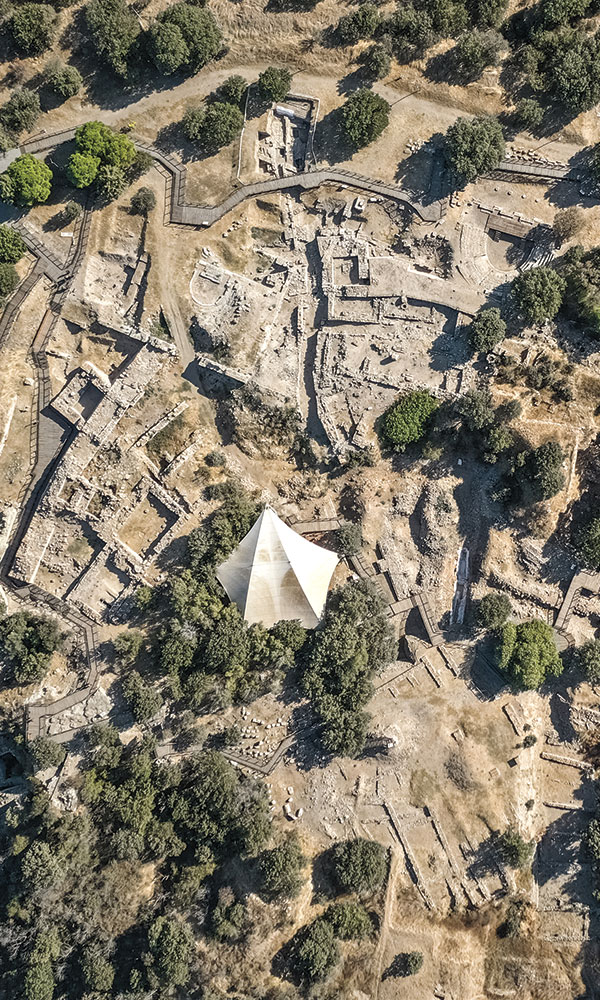
The Unexpected World of the Odyssey
Discovering the surprising inspirations behind Homer’s great tales of the Trojan War
-
Features May/June 2026
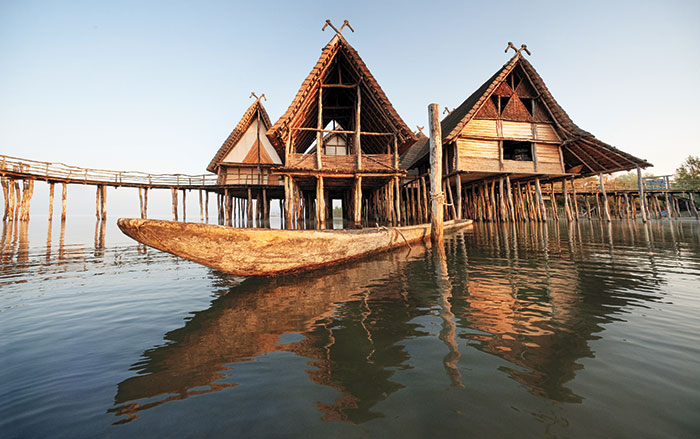
Pioneers of Lakefront Living
Why Neolithic and Bronze Age farmers in the Alps built their villages on stilts
 © APM/Frank Müller
 -
Features May/June 2026
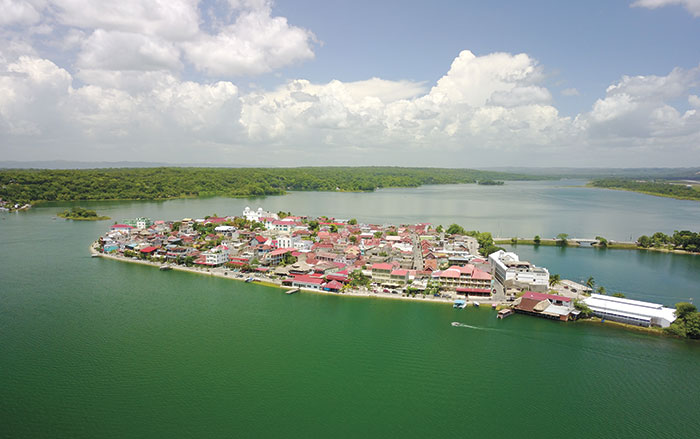
The Last Maya Kingdom
On the shores of a lake in Guatemala, the Itzá people defied the Spanish for nearly 200 years
 Courtesy Timothy Pugh/Itzá Archaeological Project
 -
Features May/June 2026
Art for the Ages
A surreal style of painting endured for 4,000 years in the canyonlands of West Texas
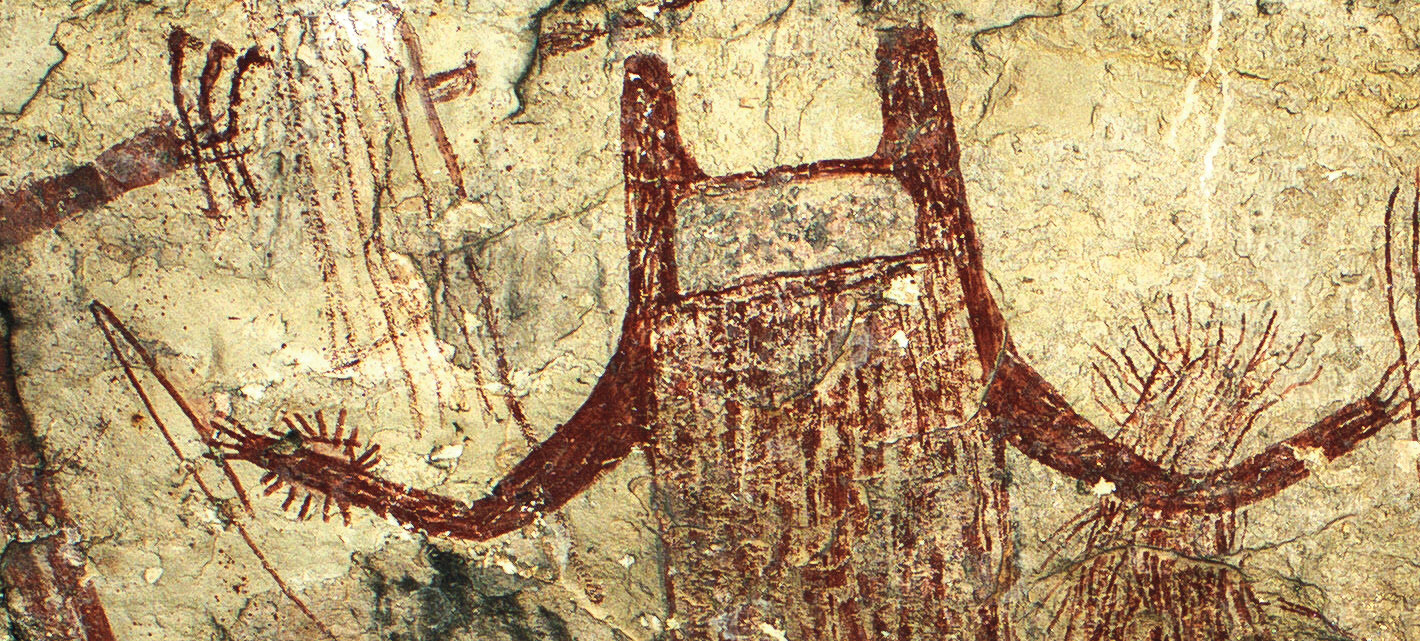 Shumla Archaeological Research and Education Center Archive
 -
Features May/June 2026
Bridge to the Past
The Yellow River brought both prosperity and calamity to China’s dazzling medieval capital
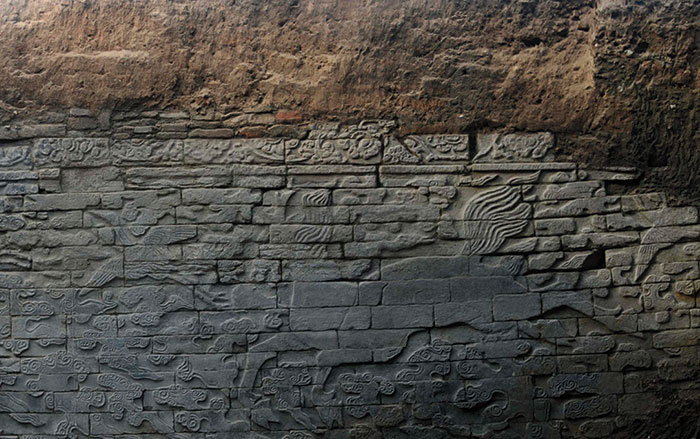 Henan Provincial Institute of Cultural Heritage and Archaeology