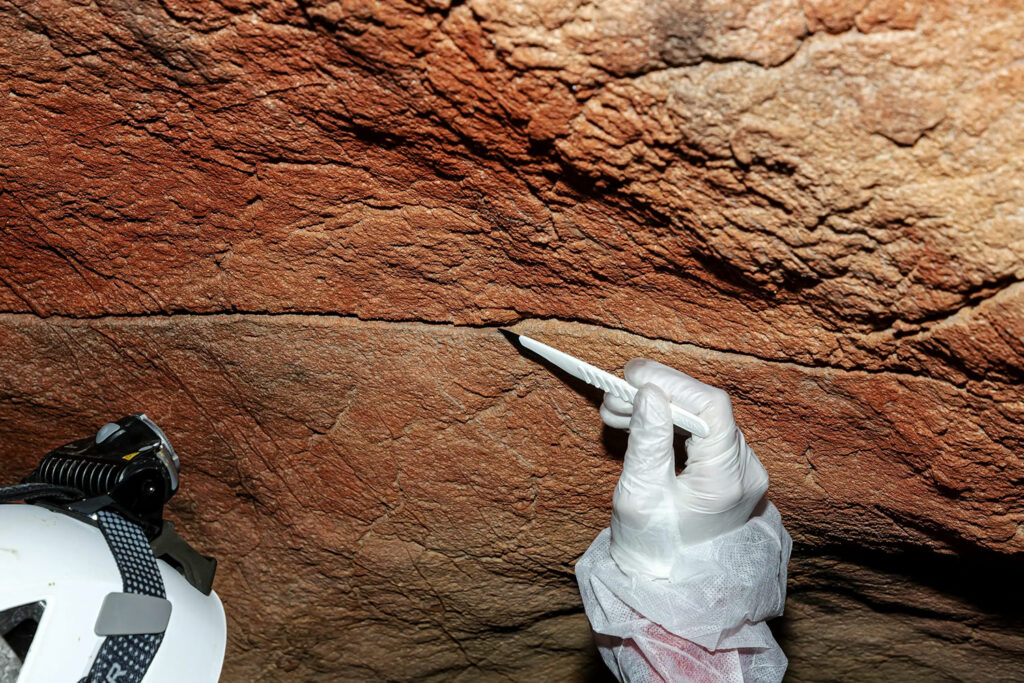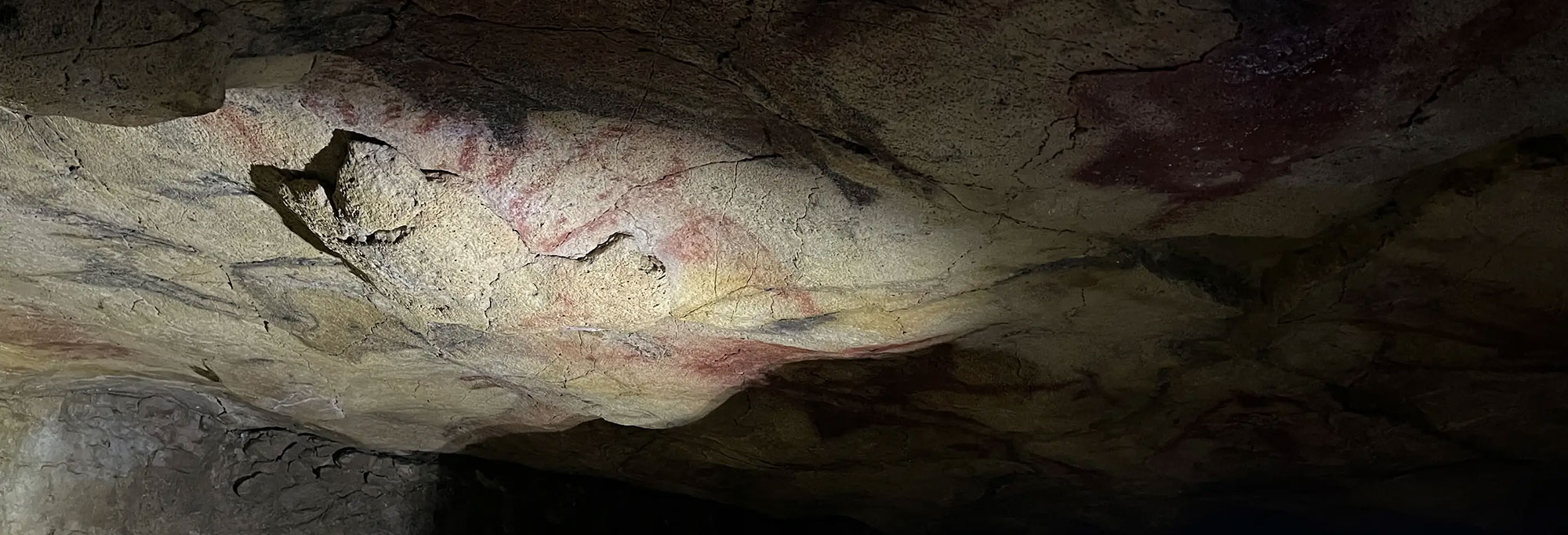
MAÇÃO, PORTUGAL—Prehistoric human DNA has been detected on cave walls by an international team of scientists, according to a report in The Portugal News. Sara Garcês of the Institute of Earth and Memory and the Polytechnic Institute of Tomar said that more than 50 samples were taken from 24 rock art panels in 11 caves on the Iberian Peninsula. DNA was detected in five of the samples. Three of those samples came from Escoural Cave, a Paleolithic rock art site in south-central Portugal. Human genetic material was found in a pigmented calcite crust, suggesting that a person may have applied the pigment through direct touch or even by spitting it. DNA left on cave walls could allow researchers to study the use of caves even when human remains and artifacts are not present, Garcês said. “We want to continue leading this technological transition, demonstrating that it is possible to obtain revolutionary biological data by studying the artistic expressions of our ancestors,” she concluded. Read the original scholarly article about this research in Nature Communications. To read about ancient South Americans' inspiration for their rock art, go to "Searching for Venezuela's Undiscovered Artists."