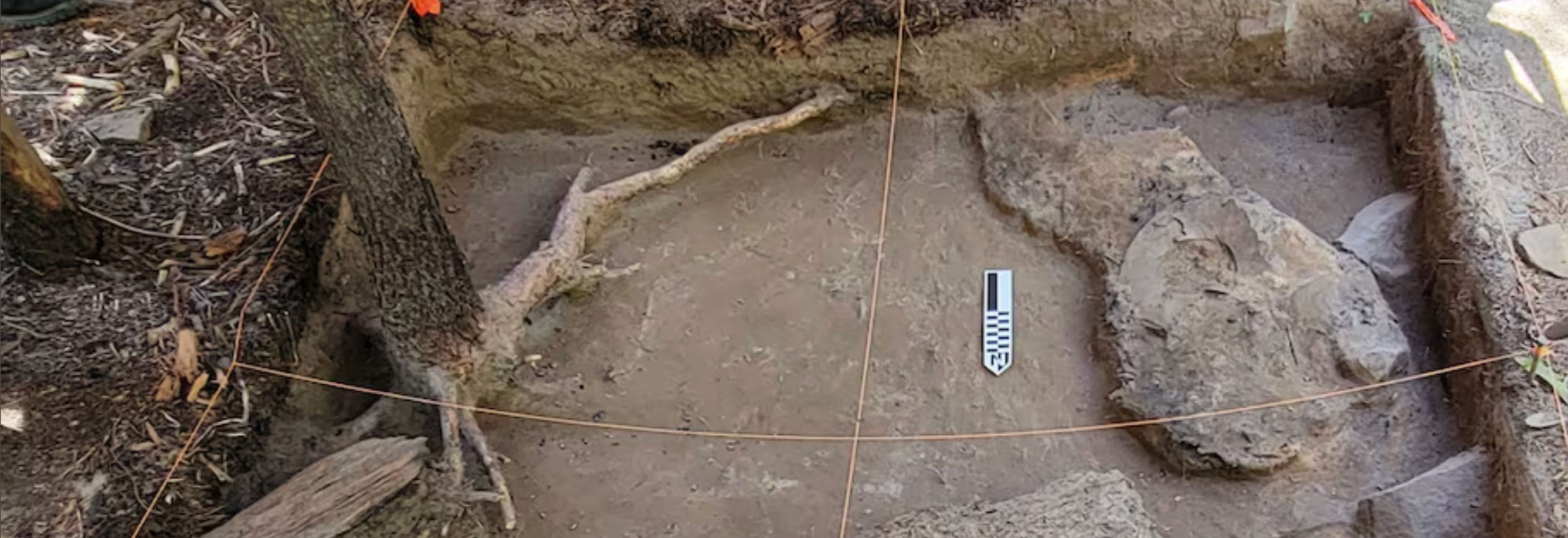
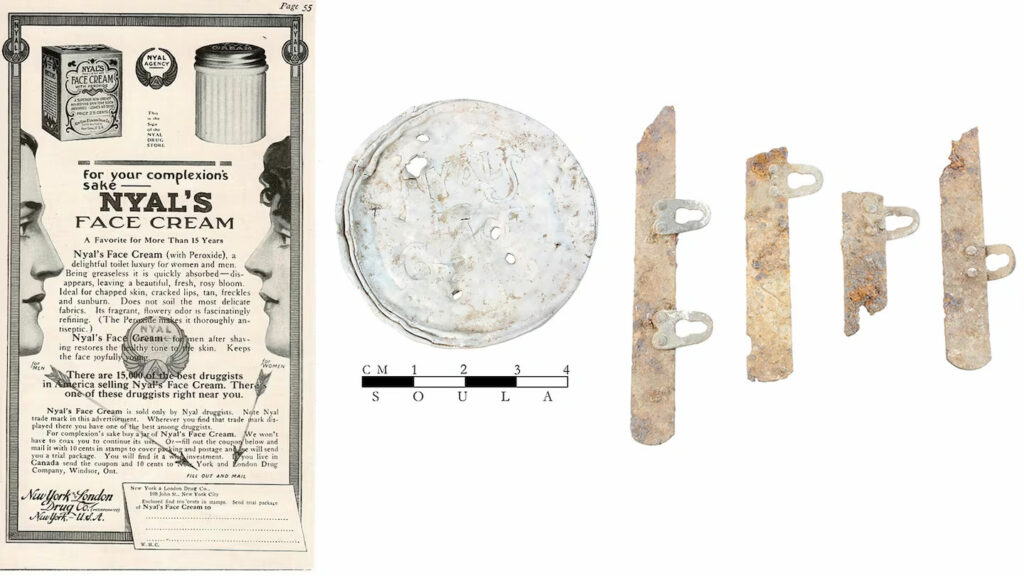
BAKER CITY, OREGON—Jefferson Public Radio reports that researchers including Katie Johnson of the Southern Oregon University Laboratory of Anthropology investigated the site of the Baker White Pine Lumber Company, which was established in northeastern Oregon in 1910. When the mill closed less than 10 years later, much of the infrastructure was removed from the site. The workforce had been made up entirely of men when the mill opened, but management soon switched to a company town model made up of workers and their families. The more than 8,000 recovered artifacts—including washboard fragments, enamelware basins, shoe polish bottles, corset stays, jewelry, face cream jars, tableware and tea sets, toys, canning jars, and decorative furnishings—reveal the presence of these women and children in the mill town. Not only did women’s labor care for the workforce, the company was able to sell supplies that had previously been provided to the mill workers as part of their compensation, the researchers concluded. To read about the identification of a nineteenth-century battlefield in southwestern Oregon, go to "Site of a Forgotten War."