

BERGEN, NORWAY—According to a statement released by the University of Bergen, fragments of the 4,000-year-old skull of a young child have been discovered in the Skipshelleren rock shelter, which is located in an inner fjord on Norway’s west coast. “The find offers rare and important insight into the first agricultural population in Norway, and we hope that analysis of bone material will help us understand what these people looked like and where they originated,” said Knut Andreas Bergsvik of the University Museum of Bergen. The skeletal remains were uncovered in a previously unexcavated area of the rock shelter, under backfill from an excavation conducted in 1931. “Here we found thick deposits of soil layers with finds from several thousand years of settlement habitation, including thousands of animal bones, tools made of bone and stone, and pottery fragments,” Bergsvik said. The rock shelter had thus been used as a dwelling and a burial site, he explained. To read about other finds from Norway, go to "Nordic Metal."
4,000-Year-Old Child’s Skull Found in Norway
News July 7, 2026

Recommended Articles
Digs & Discoveries March/April 2026
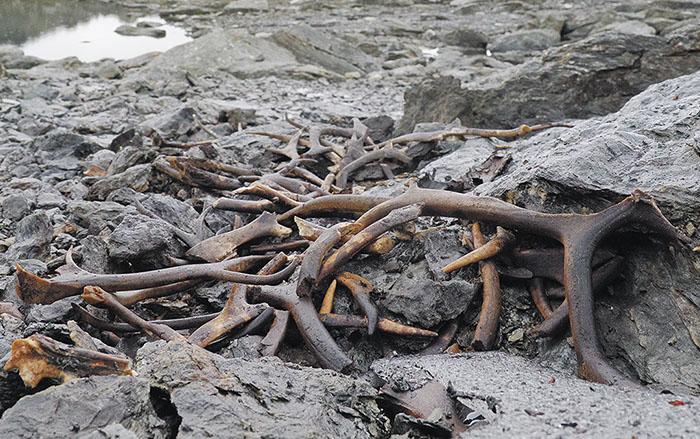
Reindeer Harvest
Digs & Discoveries March/April 2026
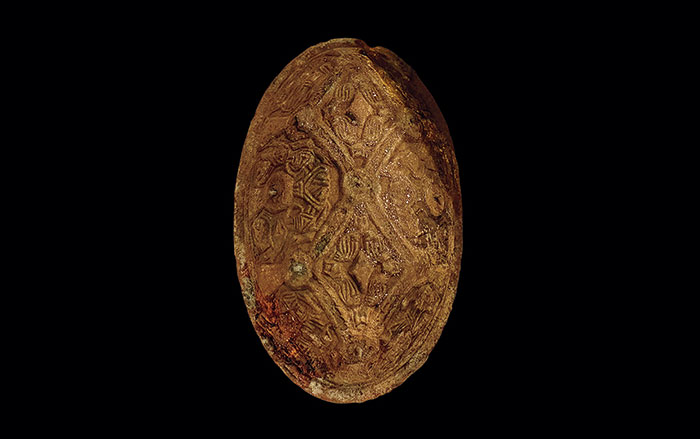
Viking Mollusk Mask
Artifacts November/December 2025
Viking Chess Piece

Digs & Discoveries September/October 2025
Nordic Metal

More to Discover
Features July/August 2026
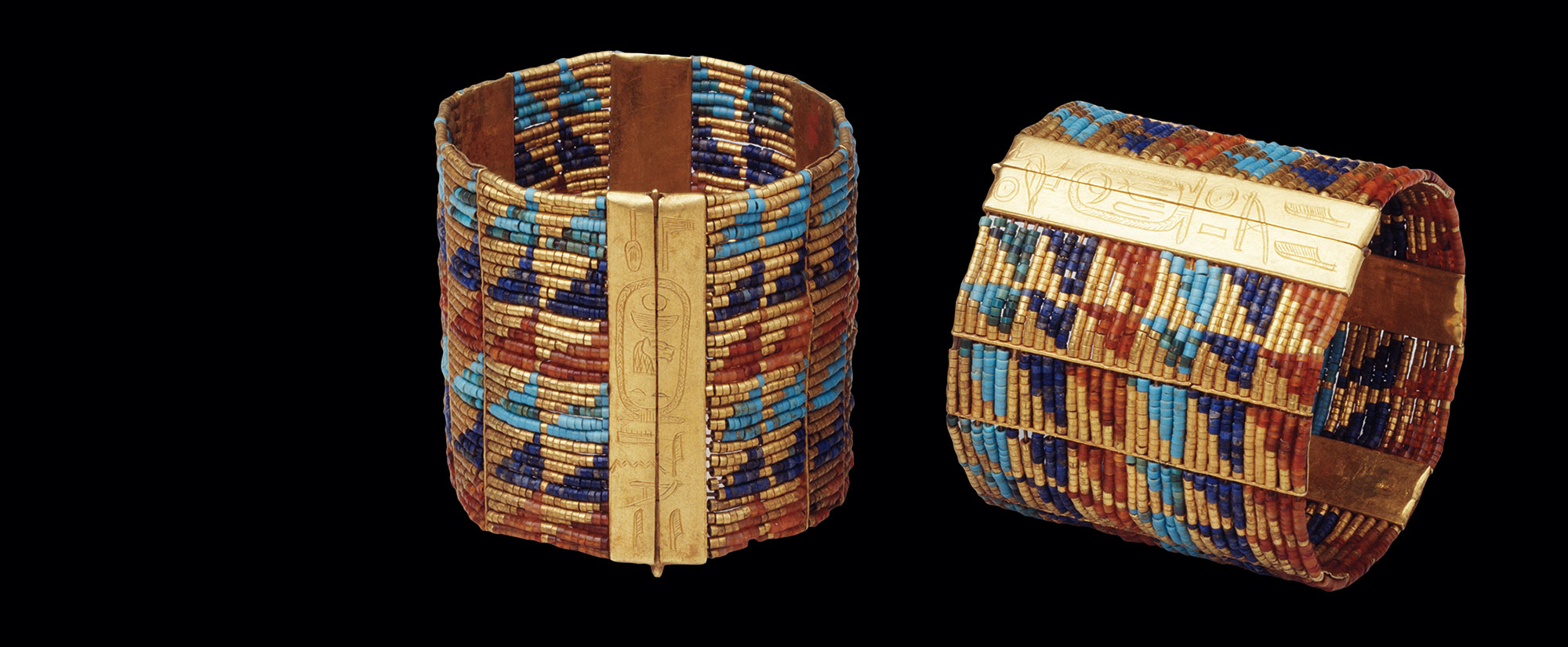
Egypt's First Queen
How a trailblazing ruler pulled her realm back from the brink

-
Features July/August 2026
Secrets of the Serpent
Is a Native American origin story embedded in Ohio’s colossal earthwork?
 Timothy E. Black
 -
Features July/August 2026
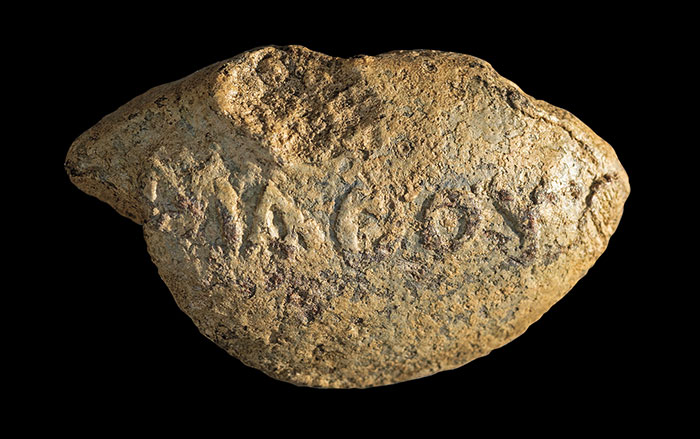
Slinging Insults
Greek and Roman soldiers fired pointed barbs at their enemies
 Courtesy Michael Eisenberg
 -
Features July/August 2026
Inside Africa’s Houses of Stone
Archaeologists are rethinking how kings shared power beyond the great capitals of medieval Zimbabwe
 Ad/AdobeStock
 -
Features July/August 2026
Tennis, Anyone?
Discovering the origins of the peculiar racket game that swept sixteenth-century France
 © Denis Gliksman, Inrap