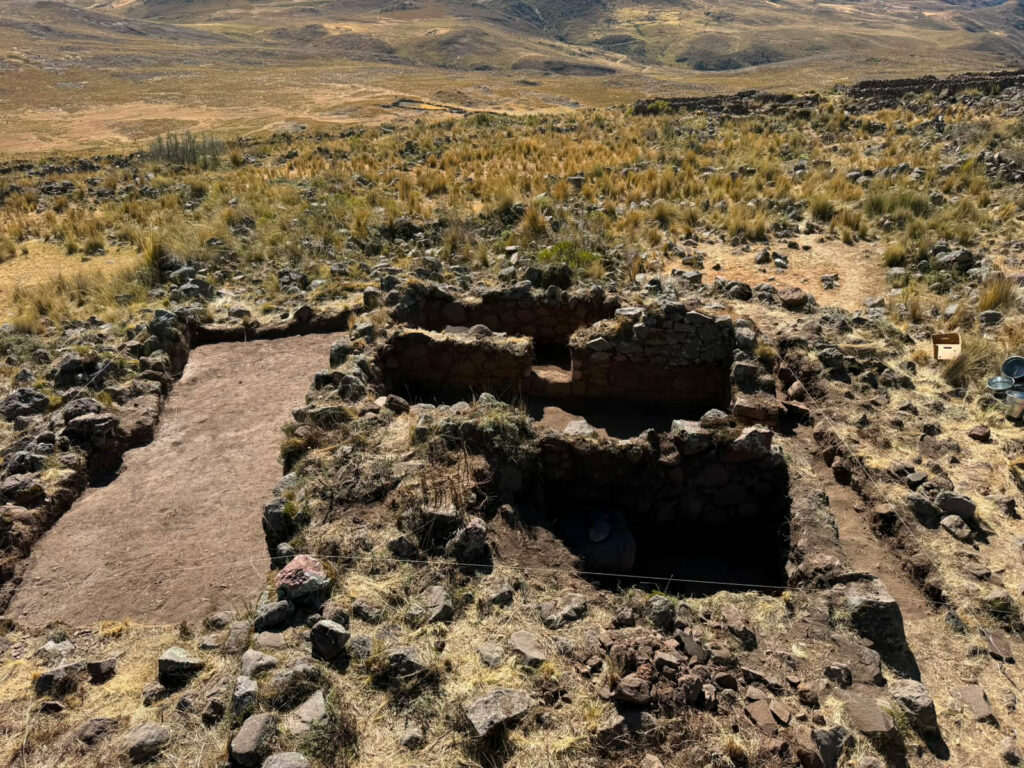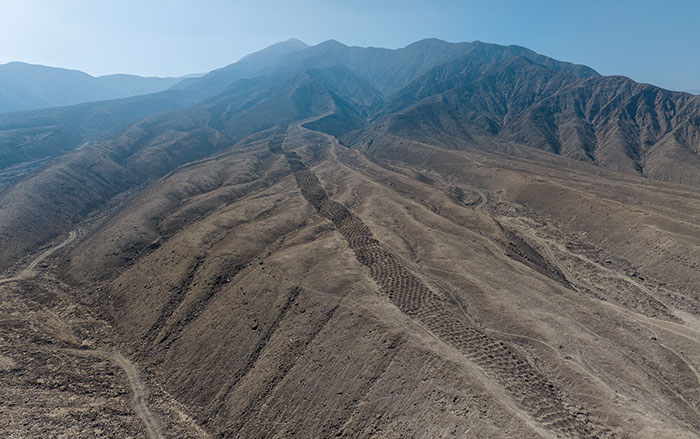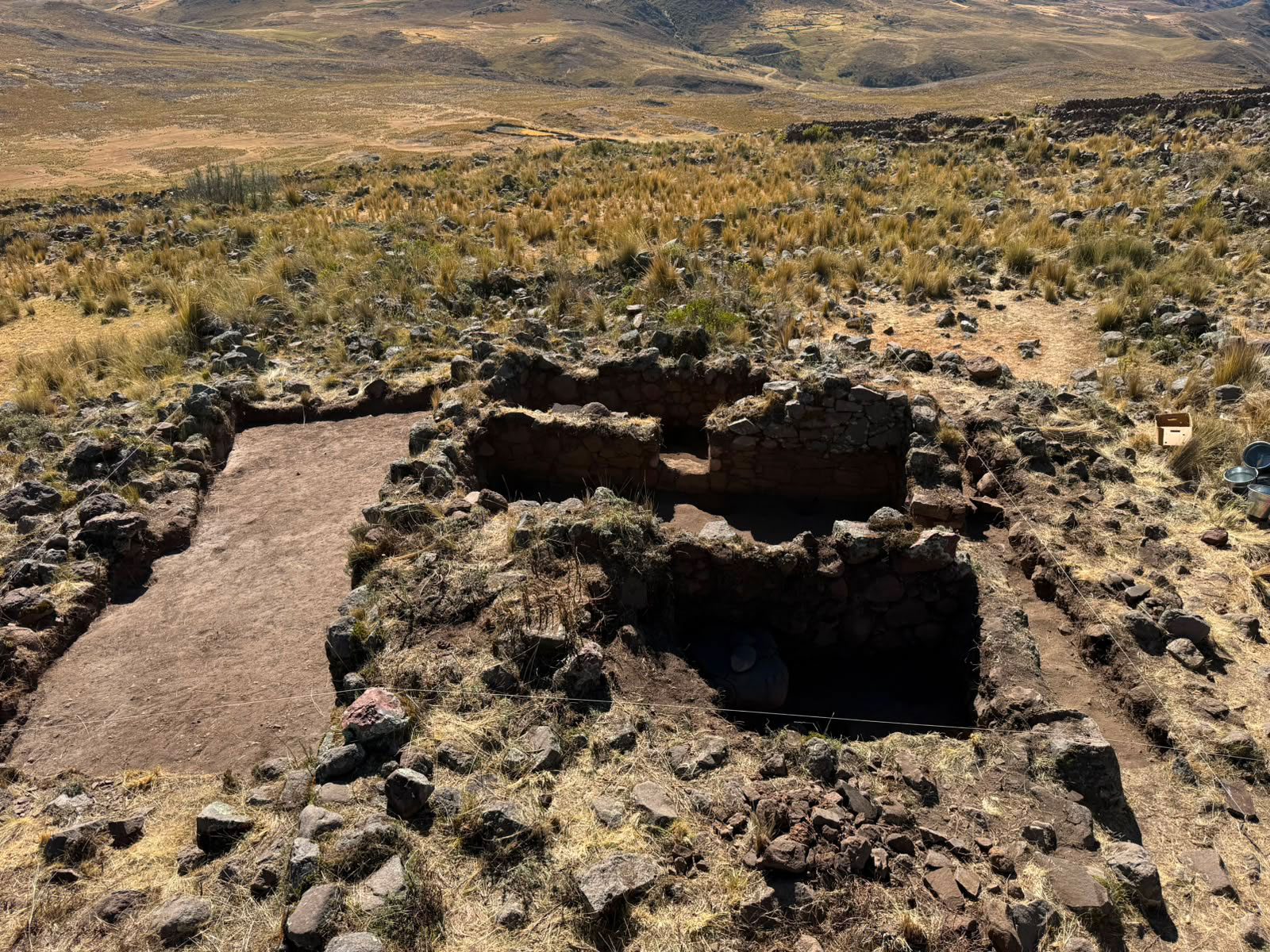
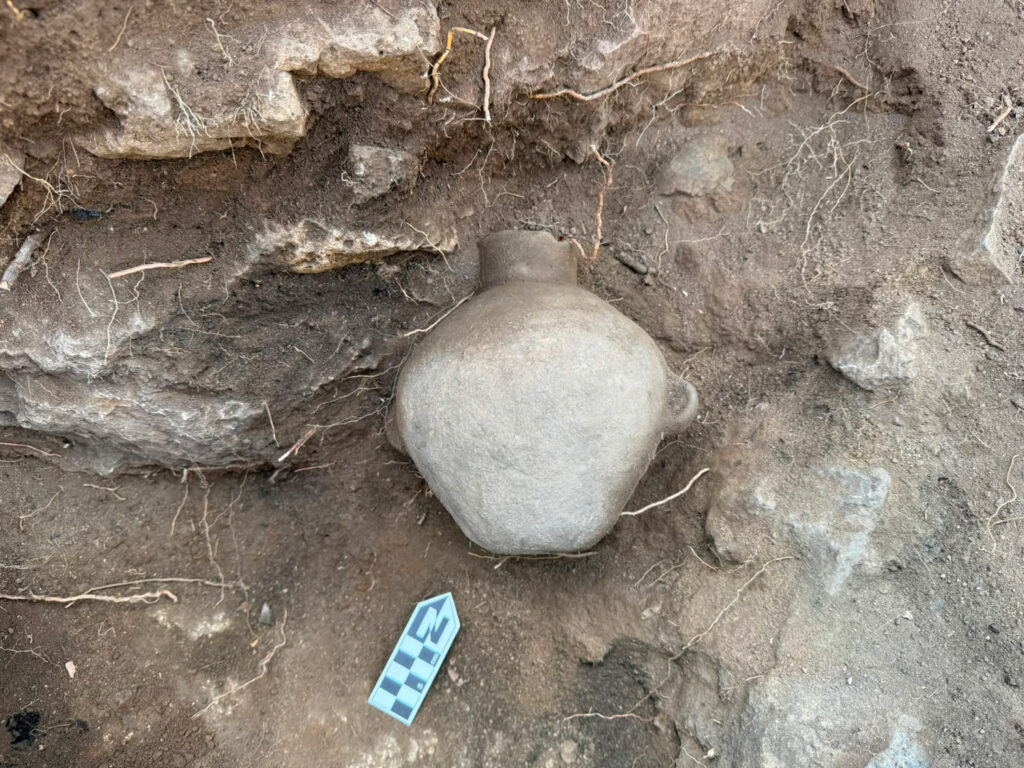
LIMA, PERU—Andina News Agency reports that Ilder Cruz Mostacero of Peru’s National University Santiago Antunez de Mayolo and his colleagues have unearthed traces of a Huaylas settlement dated to about A.D. 1200 in western Peru’s Cordillera Negra Mountains. So far, the researchers have excavated pottery, funerary architecture, and monoliths, in addition to metal production workshops with furnaces, and grinding stones used to process raw materials. Drainage systems and pathways connecting the buildings were also uncovered, showing that the Huaylas, who were mainly camelid herders, engaged in urban planning. “We also found spaces dedicated to the processing of camelid wool and a large number of spindle whorls, which are used to turn wool into thread,” Cruz Mostacero said. The animals would also have provided a means of transportation to trade products with other groups. The site was later occupied by the Inca and was likely abandoned in the early colonial period, Cruz Mostacero concluded. To read about an enigmatic array of holes created by a pre-Inca kingdom in Peru's coastal desert, go to "Return to Serpent Mountain."