

COPENHAGEN, DENMARK—An international team of researchers have analyzed teeth from 152 formerly enslaved Africans whose remains were unearthed on the South Atlantic island of Saint Helena in 2007 and 2008 ahead of a construction project, according to a Live Science report. After the slave trade was outlawed in the British Empire in 1807, some 27,000 people were transported to St. Helena by the Royal Navy, which was tasked with enforcing the ban on slave ships. At the time, Royal Navy personnel reported that the newly freed people spoke multiple languages, including Congo and Benguela dialects. But an estimated 8,000 of these individuals, many of whom were malnourished and in poor health, died on the island. Analysis of the ratios of strontium isotopes in their teeth indicates that many of these people grew up near the coast of western Central Africa. Some of them lived farther inland, suggesting that they had been forced to travel a long way overland to reach the coast. At least 10 of them were children when the move occurred. For example, the teeth of one man, who died between the ages of 19 and 25, had lived in inland Angola before he moved to the coast between the ages of seven and nine. This displacement may have been connected to his enslavement, explained team member Hannes Schroeder of the University of Copenhagen. DNA analysis of the teeth linked these individuals to living populations in Gabon and northern Angola, the researchers concluded. Read the original scholarly article about this research in Science. To read more about the island's history, go to "Off the Grid: Saint Helena."
Study Tracks Origins of 19th-Century Africans Left on Atlantic Island
News July 17, 2026
Recommended Articles
Features March/April 2024
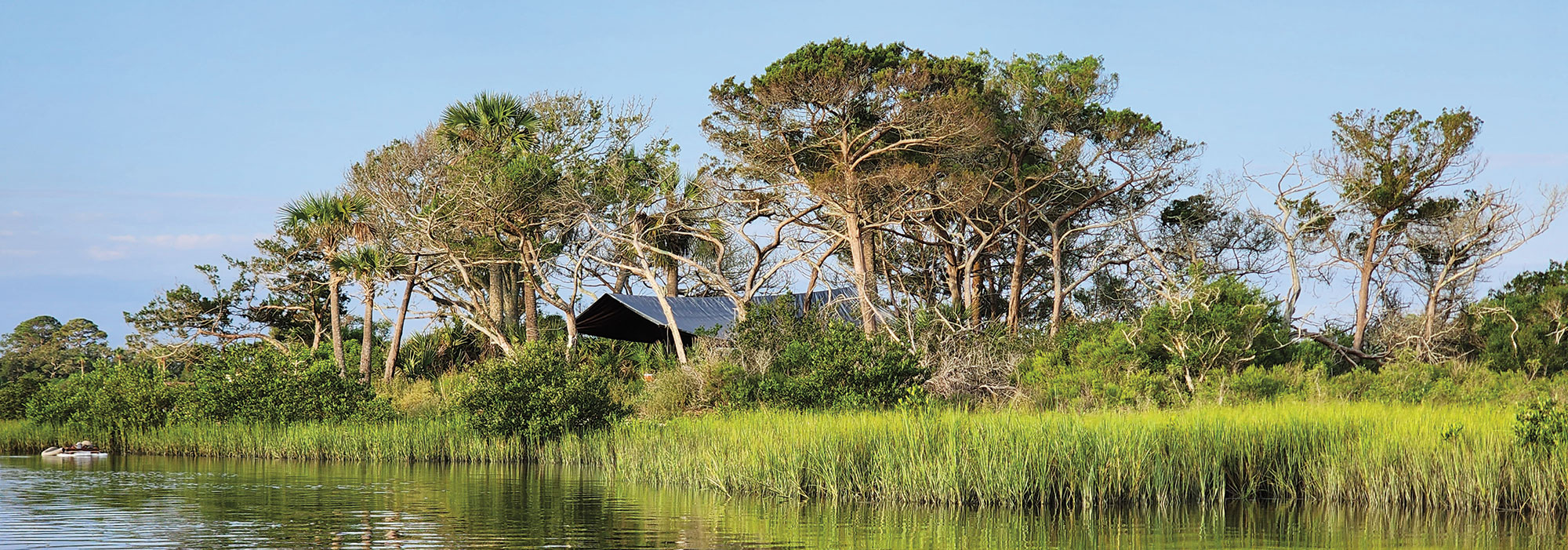
Freedom Fort
In eighteenth-century Spanish Florida, a militia composed of formerly enslaved Africans fought for their liberty
Artifacts September/October 2023
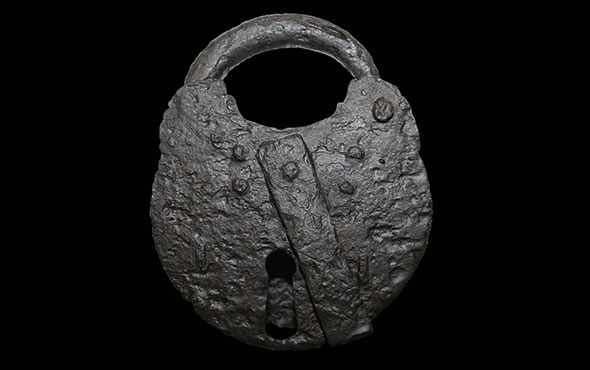
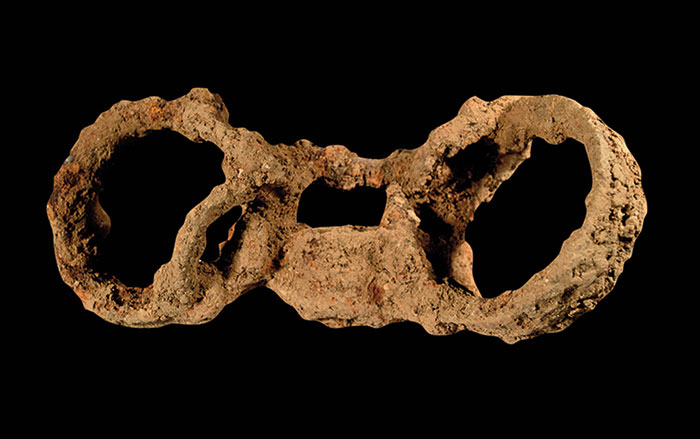
Padlock
Letter from Ghana November/December 2021
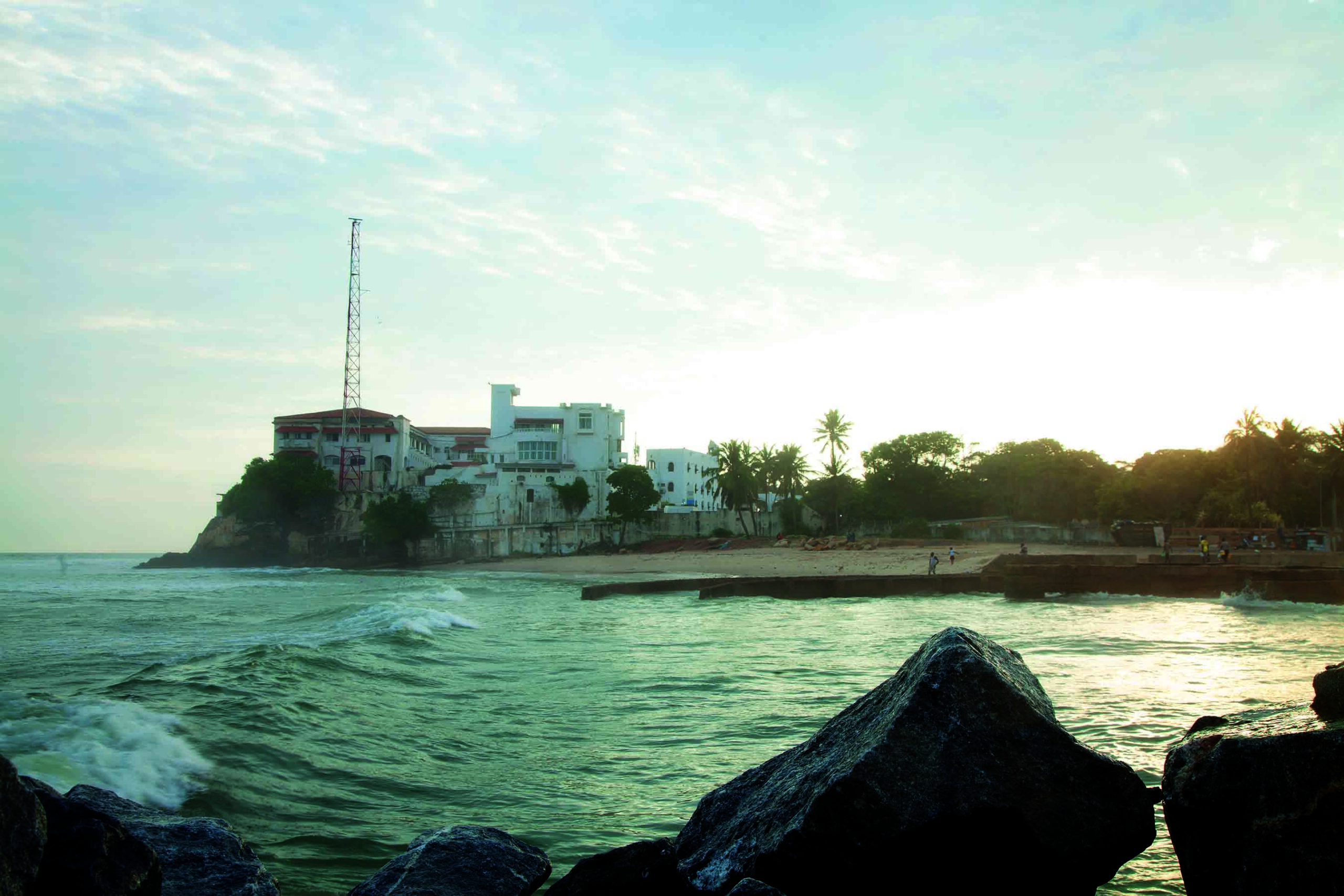
Life Outside the Castle
At Christiansborg Castle, a community that embodied the complexity of the transatlantic slave trade is being uncovered by descendants of those who created it
Digs & Discoveries November/December 2021
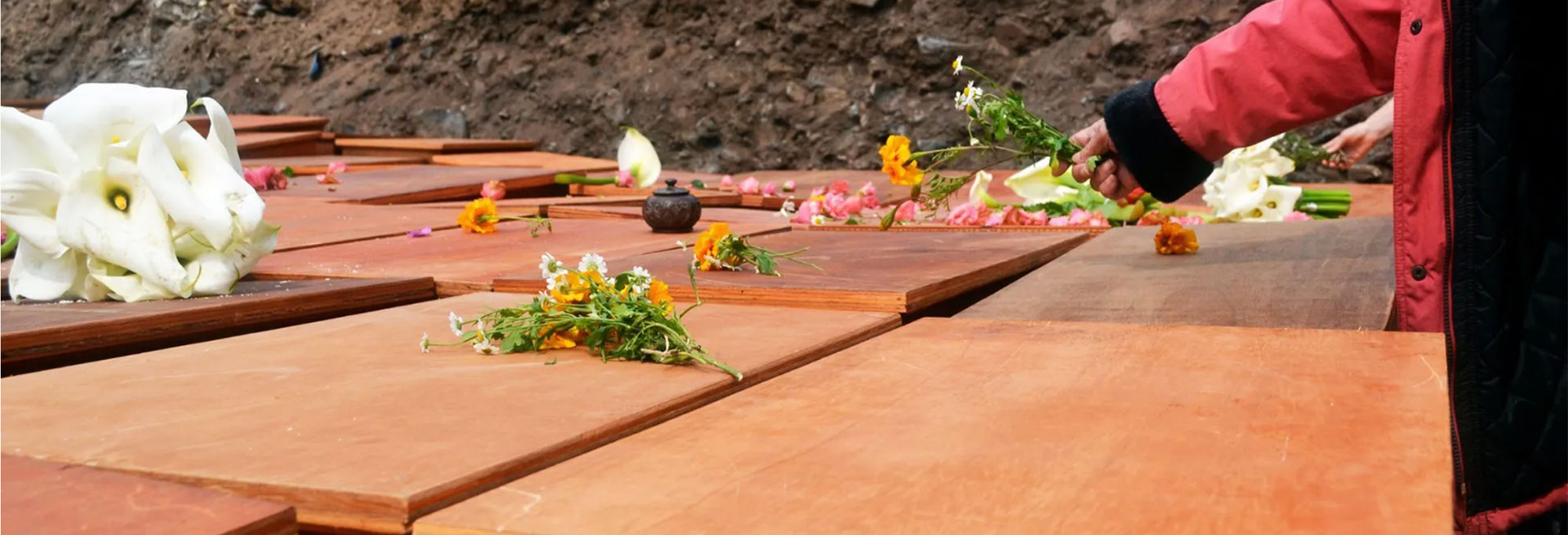
Identifying the Unidentified
More to Discover
Features July/August 2026
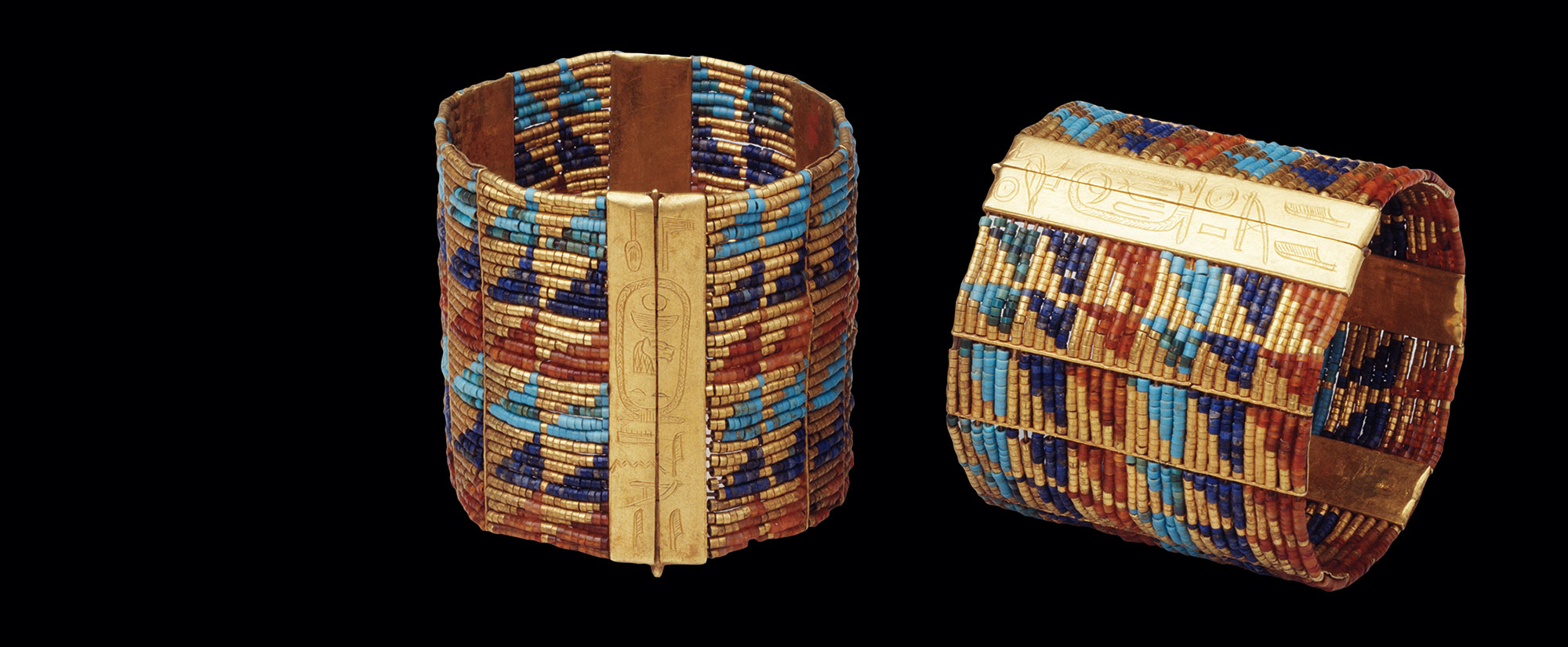
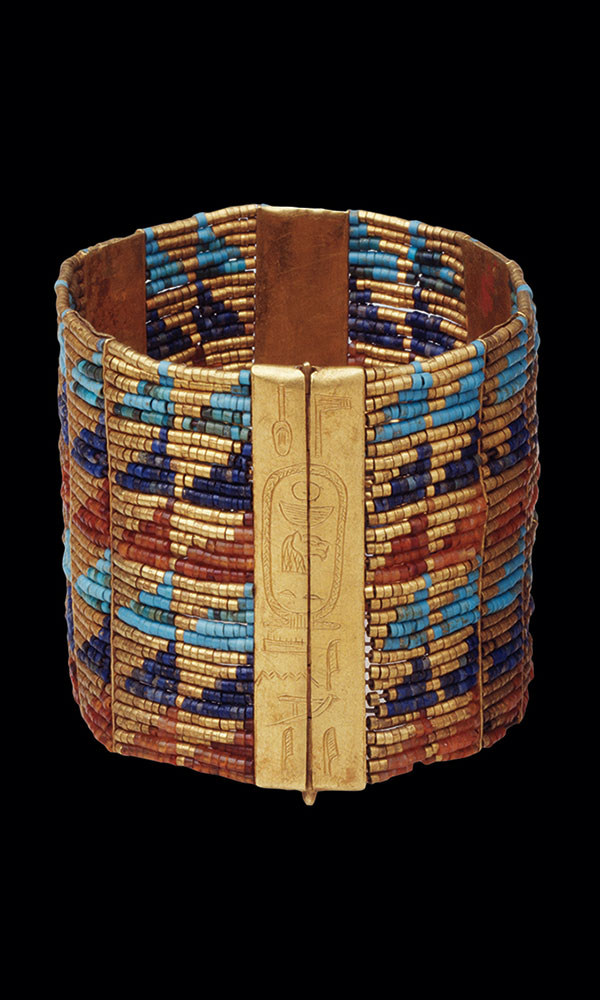
Egypt's First Queen
How a trailblazing ruler pulled her realm back from the brink
-
Features July/August 2026
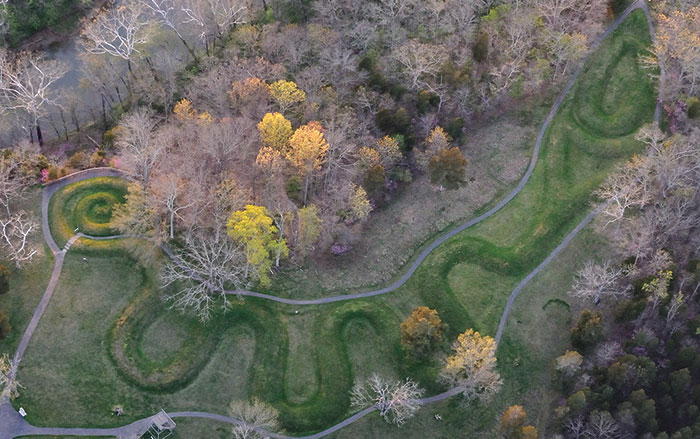
Secrets of the Serpent
Is a Native American origin story embedded in Ohio’s colossal earthwork?
 Timothy E. Black
 -
Features July/August 2026
Slinging Insults
Greek and Roman soldiers fired pointed barbs at their enemies
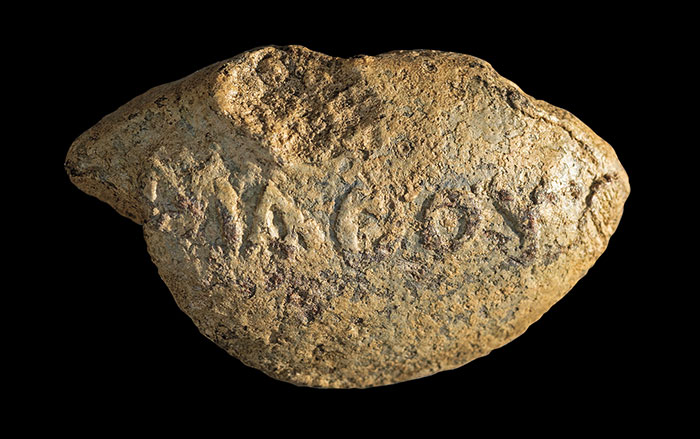 Courtesy Michael Eisenberg
 -
Features July/August 2026
Inside Africa’s Houses of Stone
Archaeologists are rethinking how kings shared power beyond the great capitals of medieval Zimbabwe
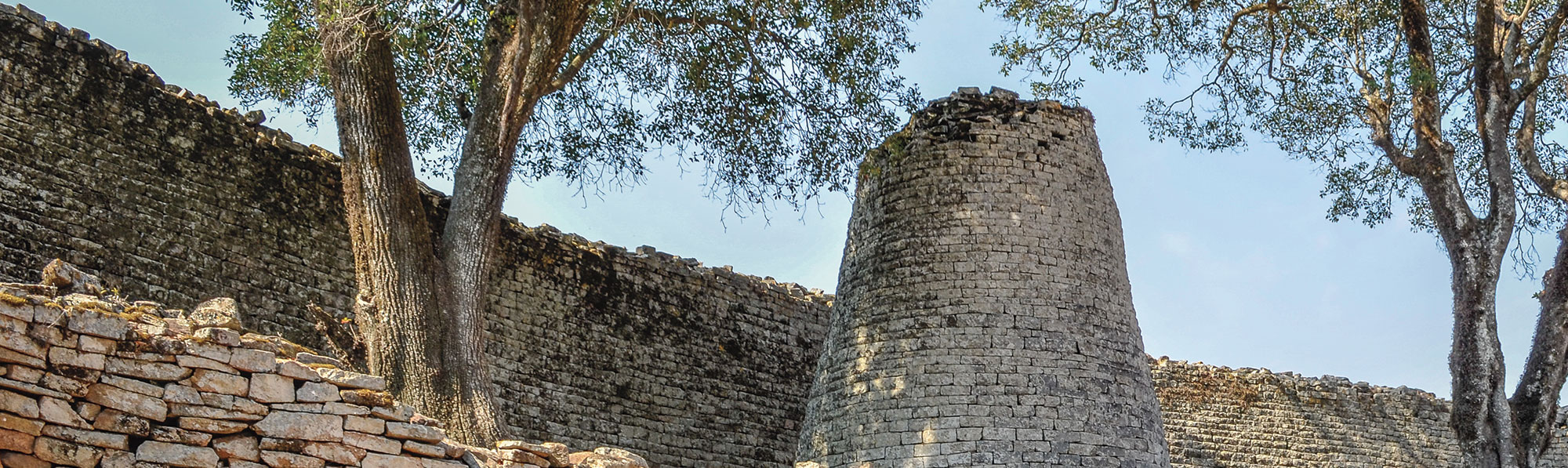 Ad/AdobeStock
 -
Features July/August 2026
Tennis, Anyone?
Discovering the origins of the peculiar racket game that swept sixteenth-century France
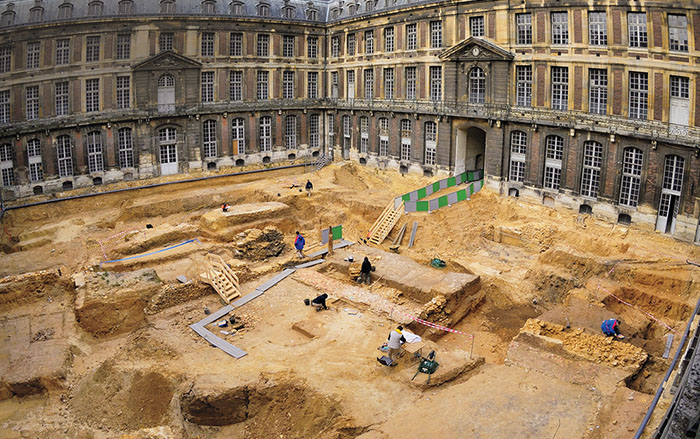 © Denis Gliksman, Inrap