

YEREVAN, ARMENIA—More than 600 miles of water-management features have been identified in Armenia at the site of the Urartian city of Argishtikhinili using satellite imagery and digital terrain models, according to a Science in Poland report. Nazarij Buławka and Krzysztof Jakubiak of the University of Warsaw and Inessa Karapetyan of the National Academy of Sciences of the Republic of Armenia determined that the construction of the irrigation system some 2,700 years ago had made farming possible in the dry Ararat Basin. Inscriptions on steles from the Kingdom of Urartu document five main canals that supplied water to the city of Argishtikhinili, and the surrounding fields, orchards, and vineyards, to support the Urartian state. The system would have been engineered and built to control the flow of water over long distances without pumps. “Knowledge of artificial irrigation and the benefits it brings were not surprising when it comes to the Urartians,” Jukubiak said. All of the canals spotted during the study may not have been built by the Urartians, however, he added. “Dating irrigation canals is extremely difficult due to their constant silting during use,” Jakubiak explained. “To attempt to date the canals’ formation, it is necessary to drill holes and collect samples from the canal bottom, hoping that the sediments will contain organic remains that can be subjected to radiocarbon dating,” he concluded. Read the original scholarly article about this research in Antiquity. For more on Urartu, go to "The Price of Plunder."
2,700-Year-Old Irrigation System Studied in Armenia
News July 20, 2026
Recommended Articles
Digs & Discoveries January/February 2014
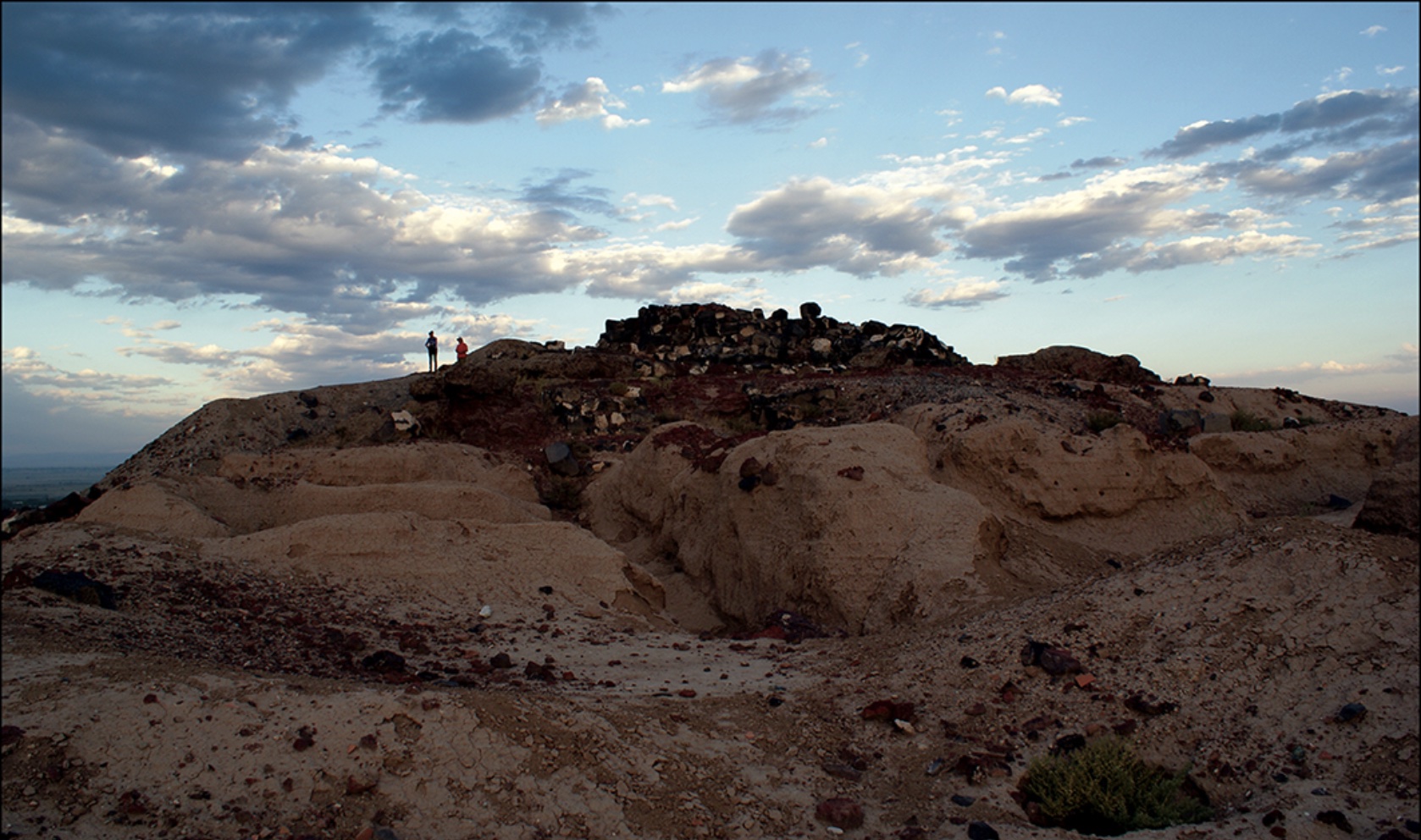
Point-and-Shoot Obsidian Analysis
Off the Grid September/October 2026
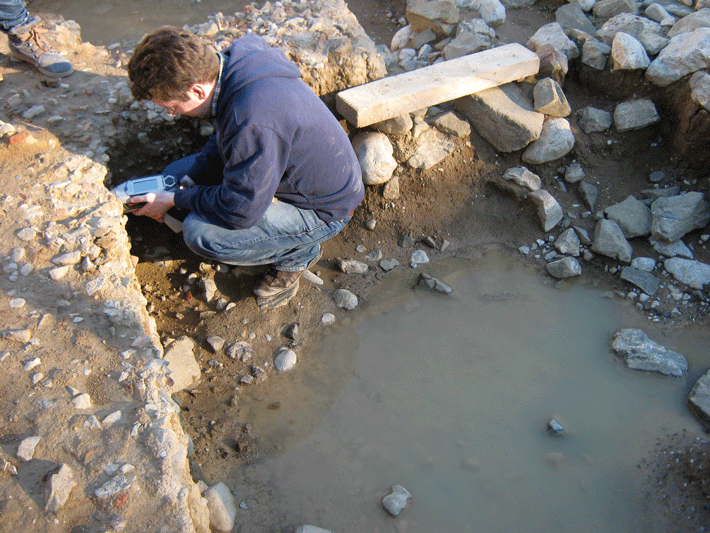
Xunantunich, Belize
Learning to draw monkeys at an ancient Maya art academy

Letter from Ireland September/October 2026
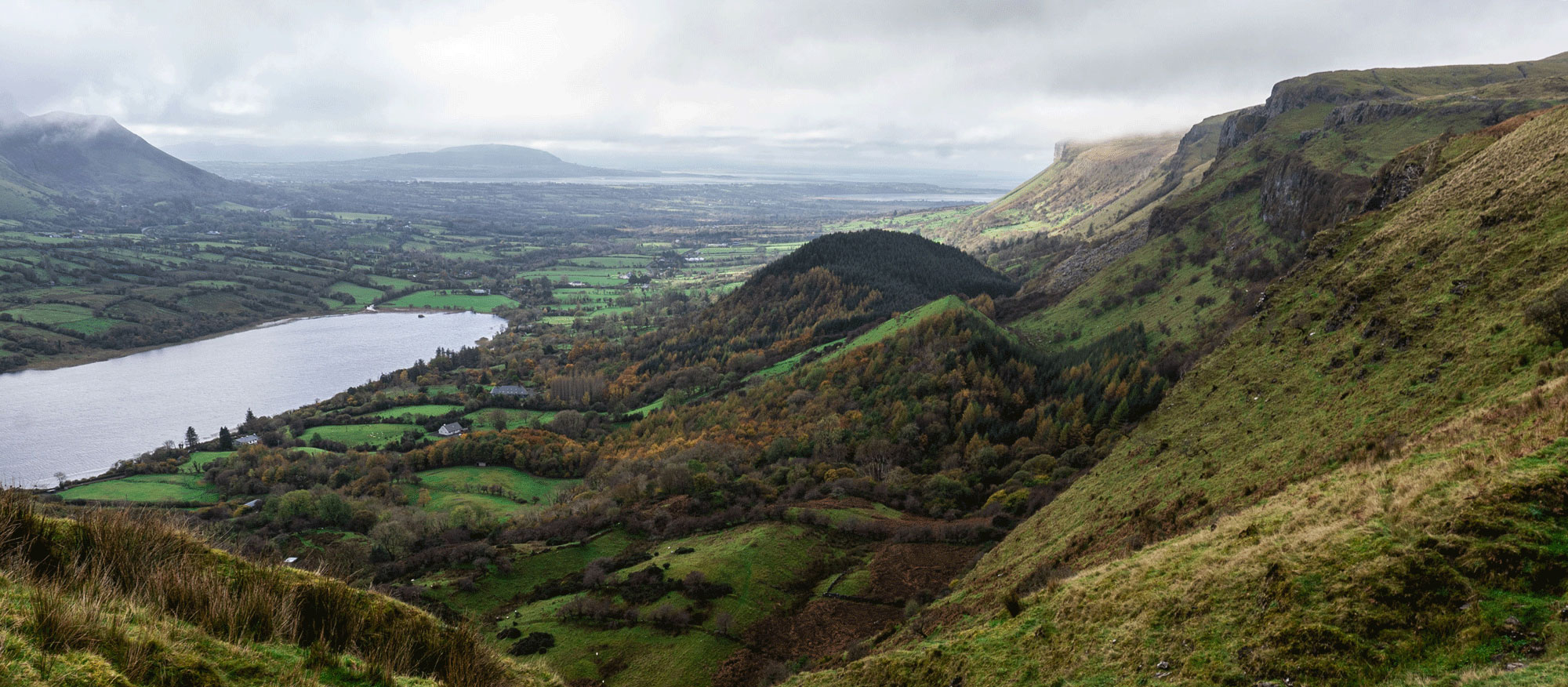
A War Between Friends
How IRA volunteers survived the Irish Civil War in a secret mountain hideout
Features September/October 2026
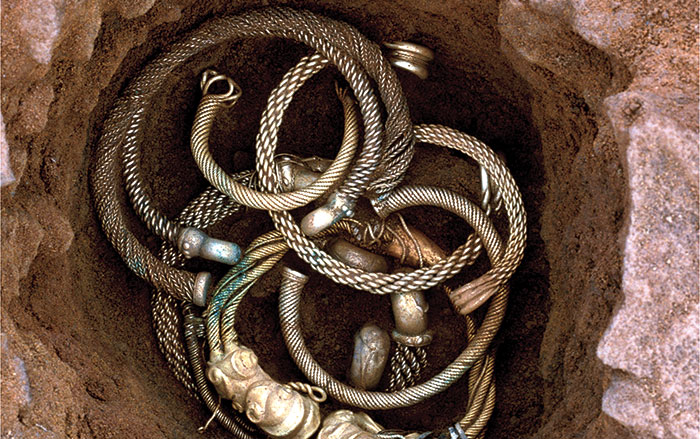
A Change in Fashion
Hoards of lavish gold and silver neck rings buried on an English hill reflect dramatic social change
More to Discover
Features July/August 2026
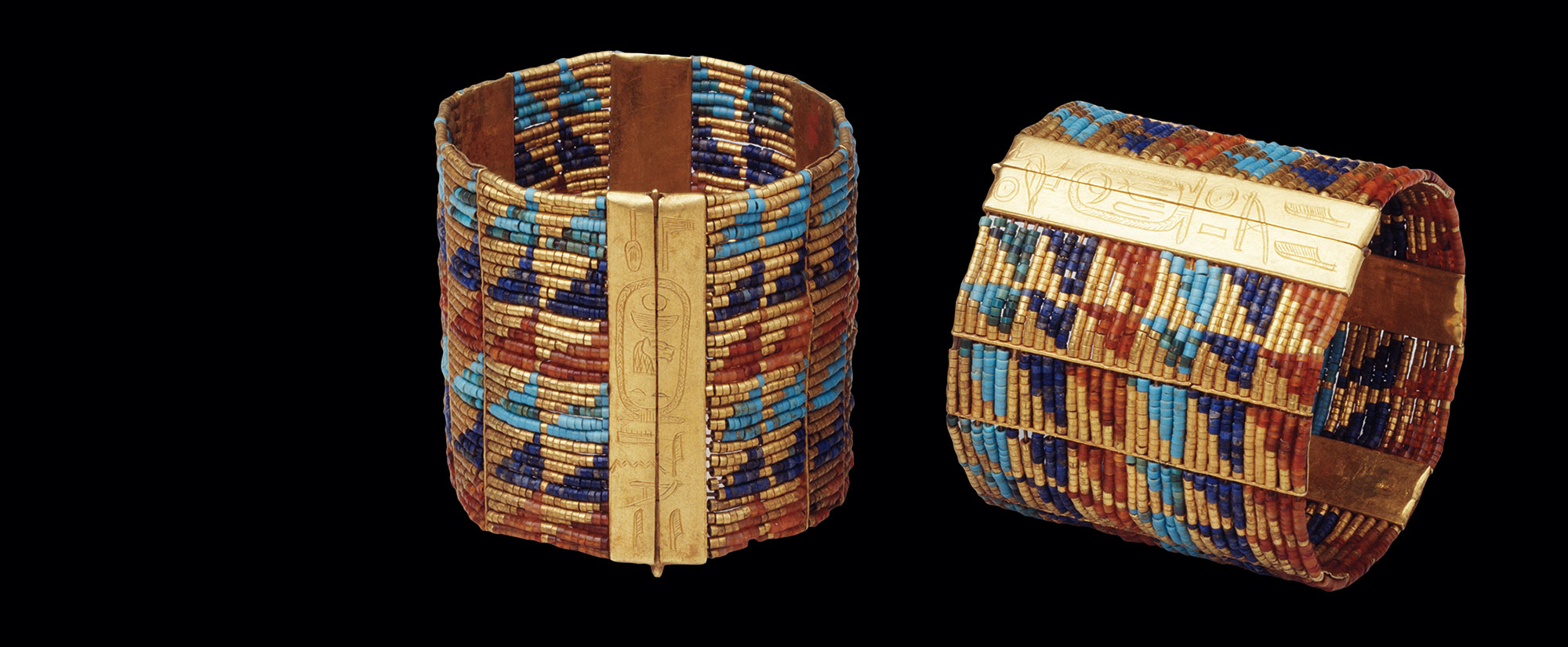
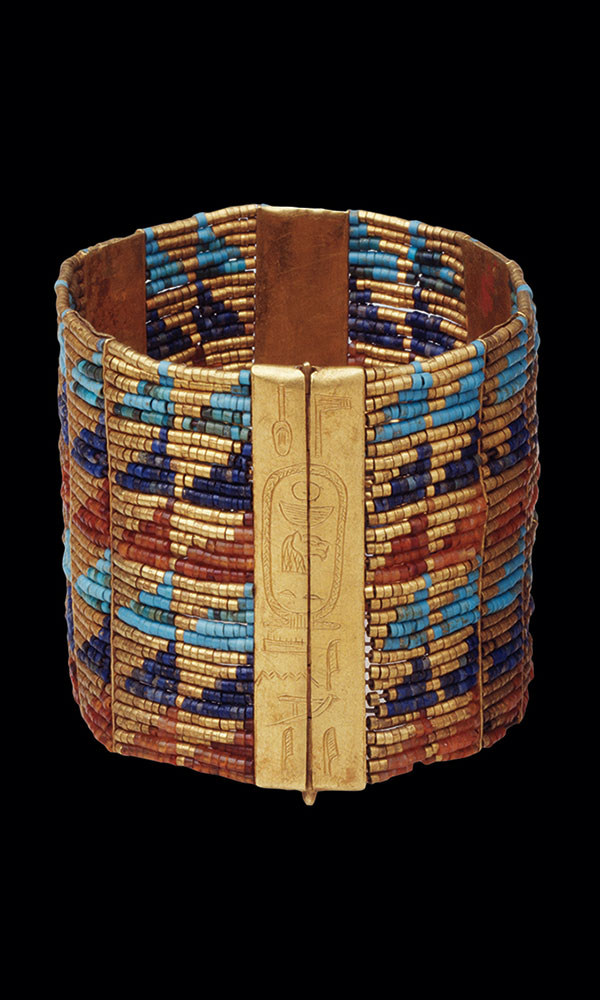
Egypt's First Queen
How a trailblazing ruler pulled her realm back from the brink
-
Features July/August 2026
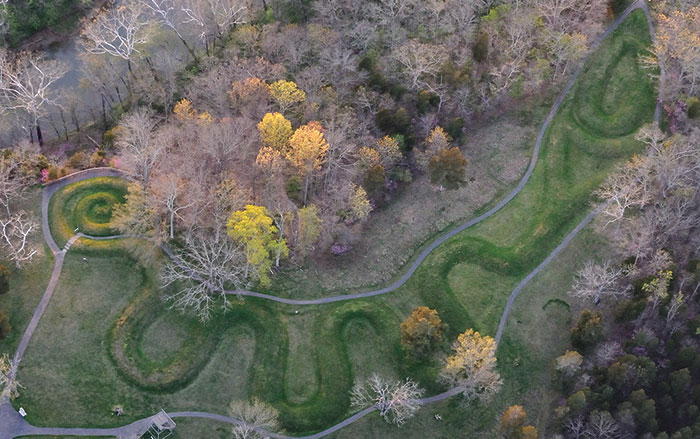
Secrets of the Serpent
Is a Native American origin story embedded in Ohio’s colossal earthwork?
 Timothy E. Black
 -
Features July/August 2026
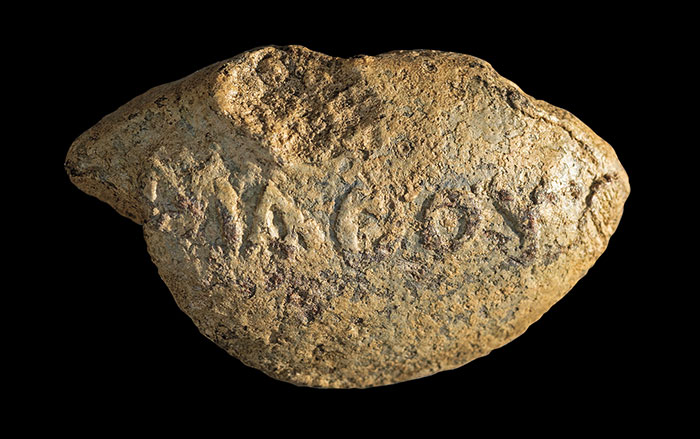
Slinging Insults
Greek and Roman soldiers fired pointed barbs at their enemies
 Courtesy Michael Eisenberg
 -
Features July/August 2026
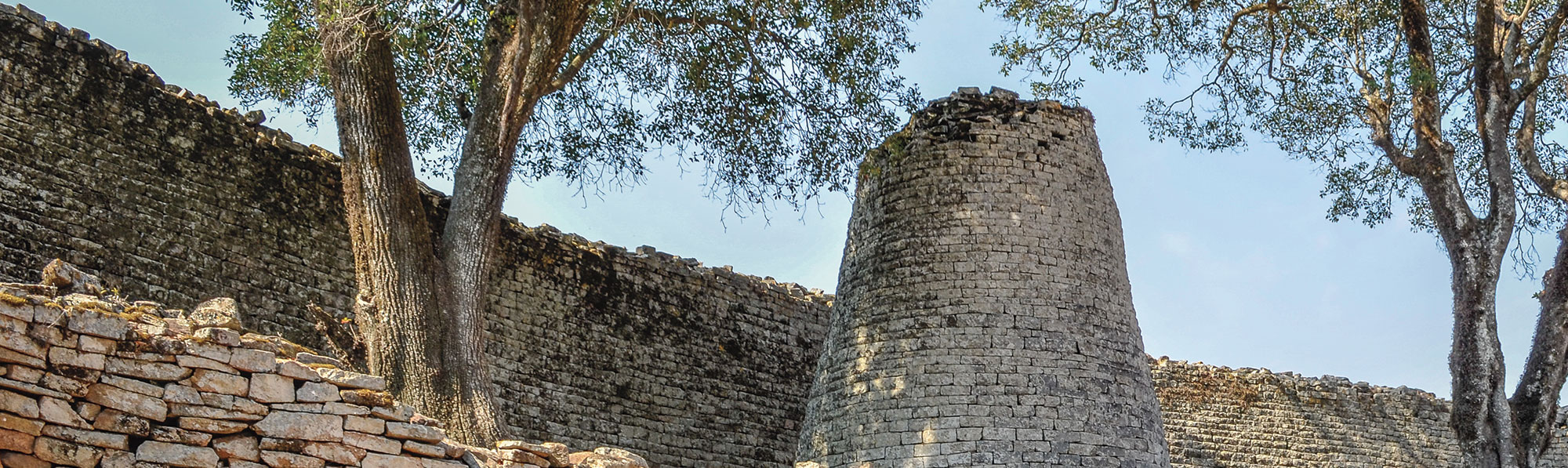
Inside Africa’s Houses of Stone
Archaeologists are rethinking how kings shared power beyond the great capitals of medieval Zimbabwe
 Ad/AdobeStock
 -
Features July/August 2026
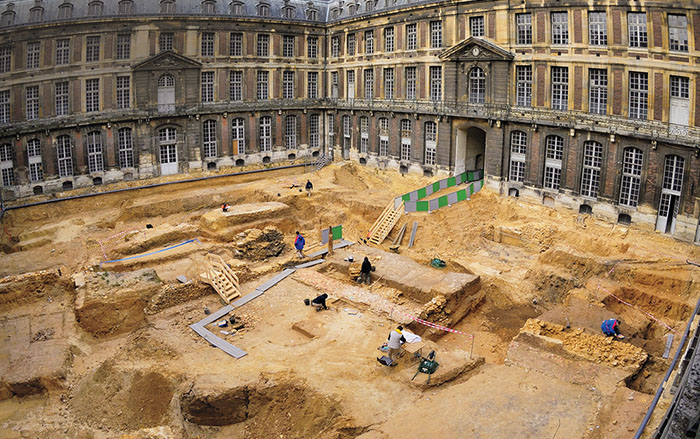
Tennis, Anyone?
Discovering the origins of the peculiar racket game that swept sixteenth-century France
 © Denis Gliksman, Inrap