

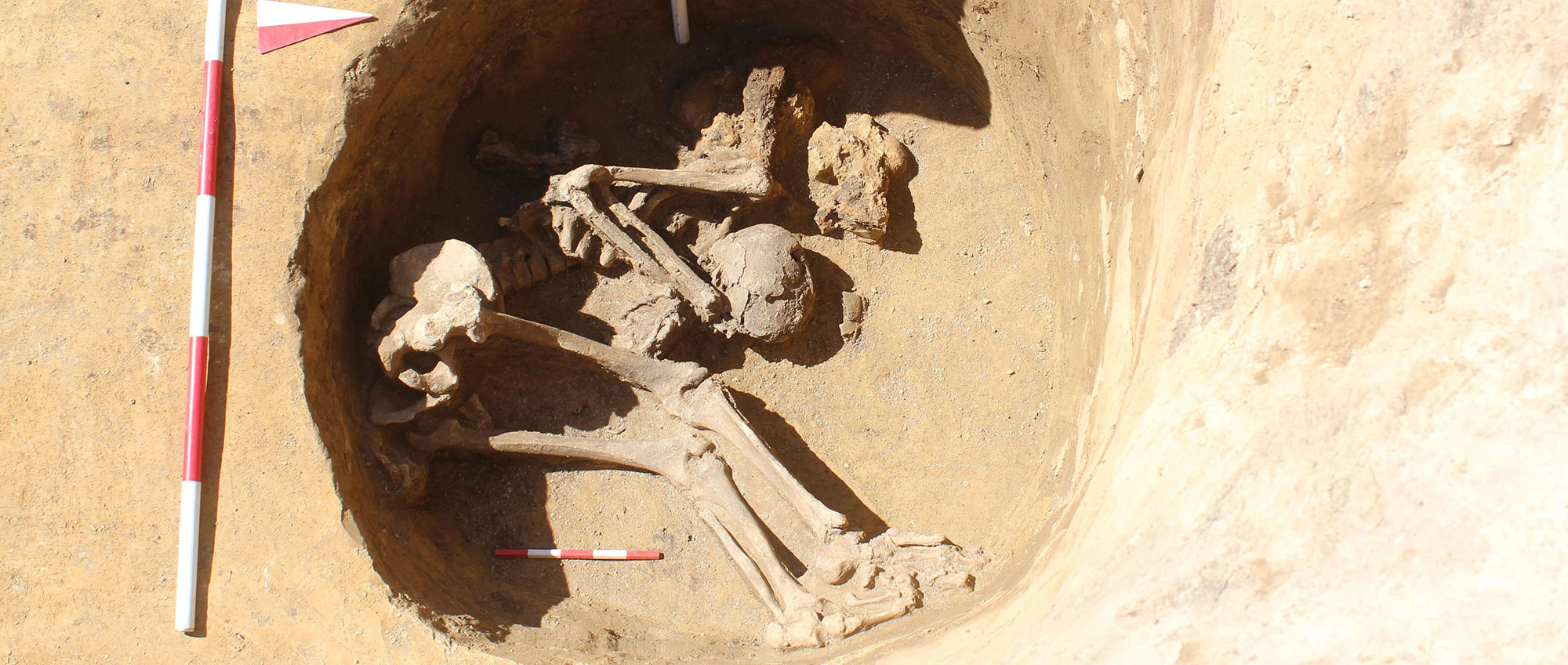
ŠURANY, SLOVAKIA—A Roman military camp dated to the late second century A.D. has been discovered in southwestern Slovakia, Live Science reports. Five entrance gates, fortifications, and a curved ditch-and-rampart system have been identified at the site. The camp is thought to have been used by troops under the command of the emperor Marcus Aurelius (reigned A.D. 161–180) during conflicts with Germanic tribes known as the Marcomanni. “We are clearly investigating a place that disappeared immediately after the military conflict between the Romans and the Germans,” said Matej Ruttkay of the Slovak Academy of Sciences. Skeletons and parts of skeletons have been found in ditches, wells, and shallow graves, he added. Most of these remains are thought to belong to Roman soldiers, since the nails from Roman military sandals, spears, arrowheads, parts of helmets as well as segmented and scale armor, legionary brooches, and coins have also been recovered. Michal Cheben of the Slovak Academy of Sciences said that analysis of the remains may reveal if the soldiers were killed in combat or died of disease, and why so many objects were also thrown into the pits and wells. When Marcus Aurelius died, his son, Commodus, reportedly negotiated a peace with the Marcomanni. For more about Marcus Aurelius' military campaigns in Roman provinces, go to "Ancient DNA Revolution: A Stranger in a Strange Land."
Roman Military Camp Excavated in Slovakia
News July 24, 2026
Recommended Articles
Digs & Discoveries May/June 2021
Swan Songs
Off the Grid November/December 2026
San Agustín, Colombia
Letter from Cape Canaveral November/December 2026
Dawn of the Space Age
Archaeologists have made surprising discoveries spanning 3,000 years at the birthplace of American space exploration

Features November/December 2026
Kingdom of Fortresses
How diverse and far-flung Iron Age chiefdoms united to challenge the Assyrian Empire
More to Discover
Features July/August 2026
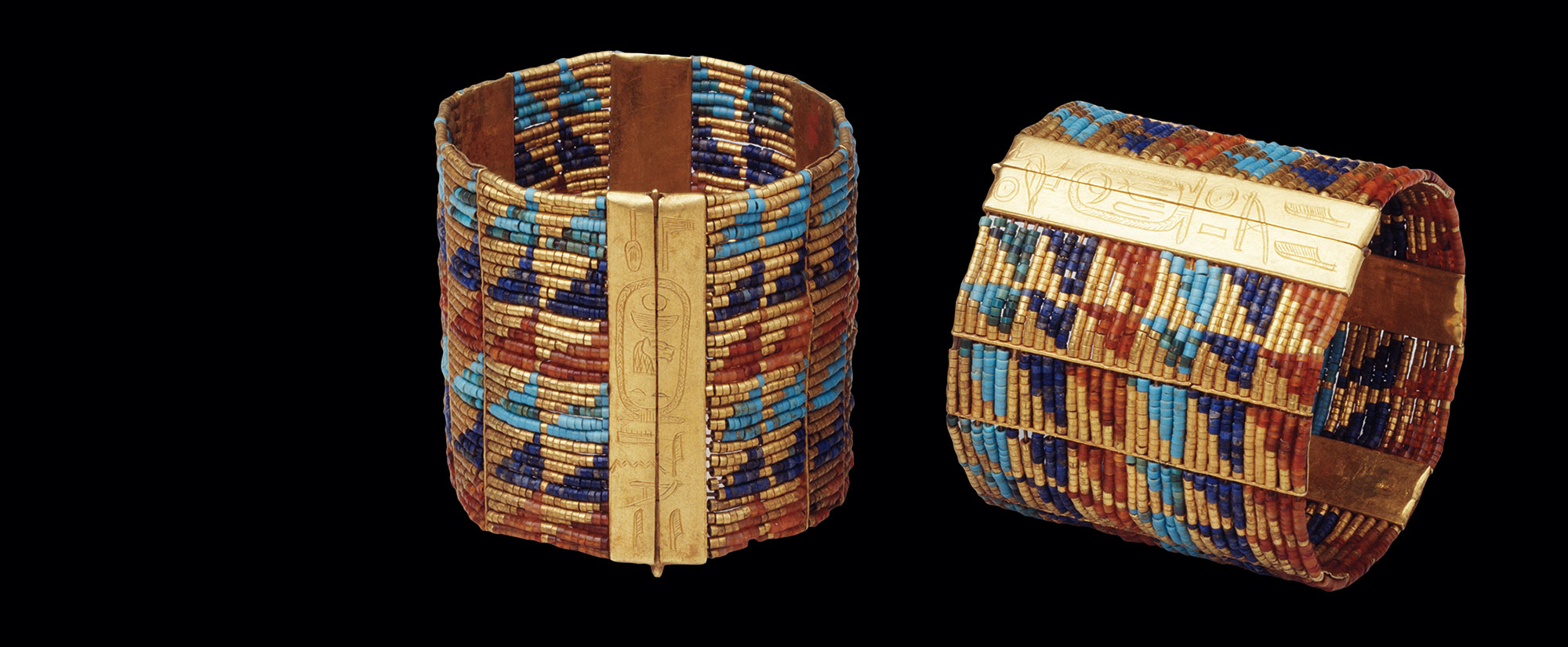
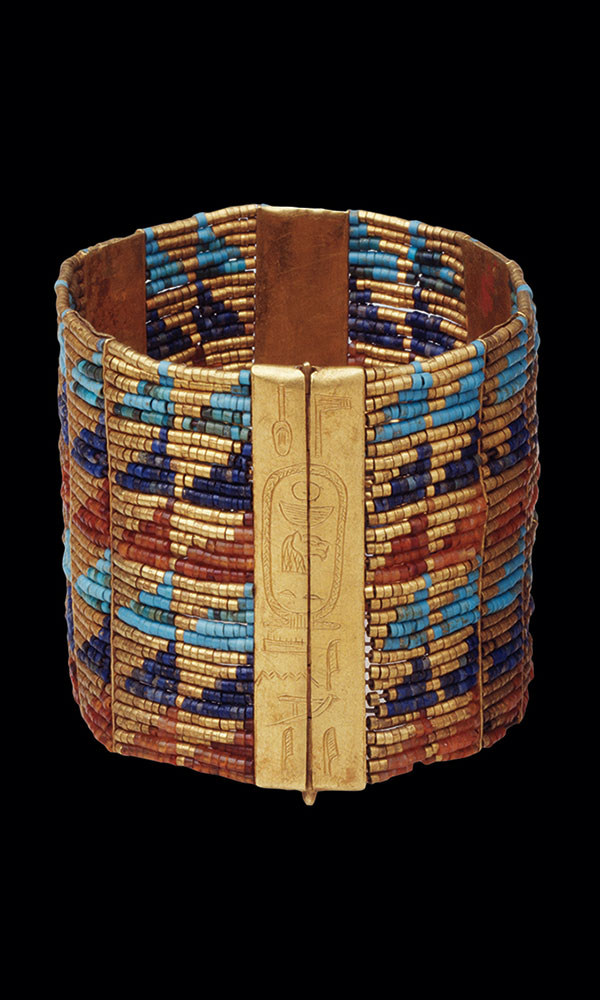
Egypt's First Queen
How a trailblazing ruler pulled her realm back from the brink
-
Features July/August 2026
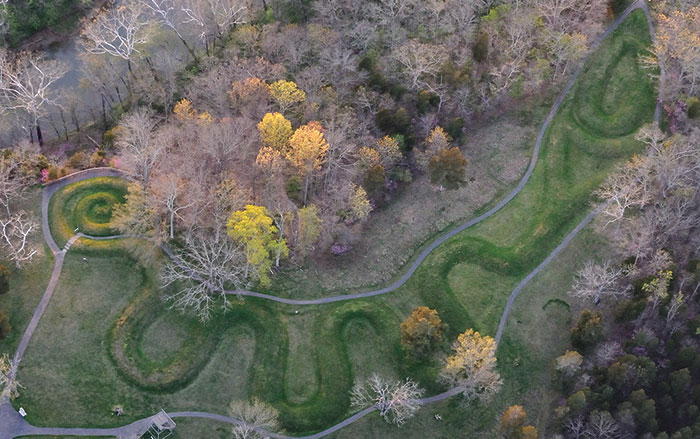
Secrets of the Serpent
Is a Native American origin story embedded in Ohio’s colossal earthwork?
 Timothy E. Black
 -
Features July/August 2026
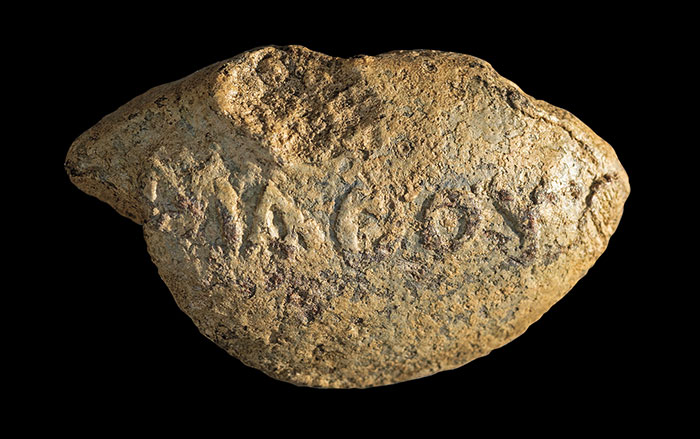
Slinging Insults
Greek and Roman soldiers fired pointed barbs at their enemies
 Courtesy Michael Eisenberg
 -
Features July/August 2026
Inside Africa’s Houses of Stone
Archaeologists are rethinking how kings shared power beyond the great capitals of medieval Zimbabwe
 Ad/AdobeStock
 -
Features July/August 2026
Tennis, Anyone?
Discovering the origins of the peculiar racket game that swept sixteenth-century France
 © Denis Gliksman, Inrap