

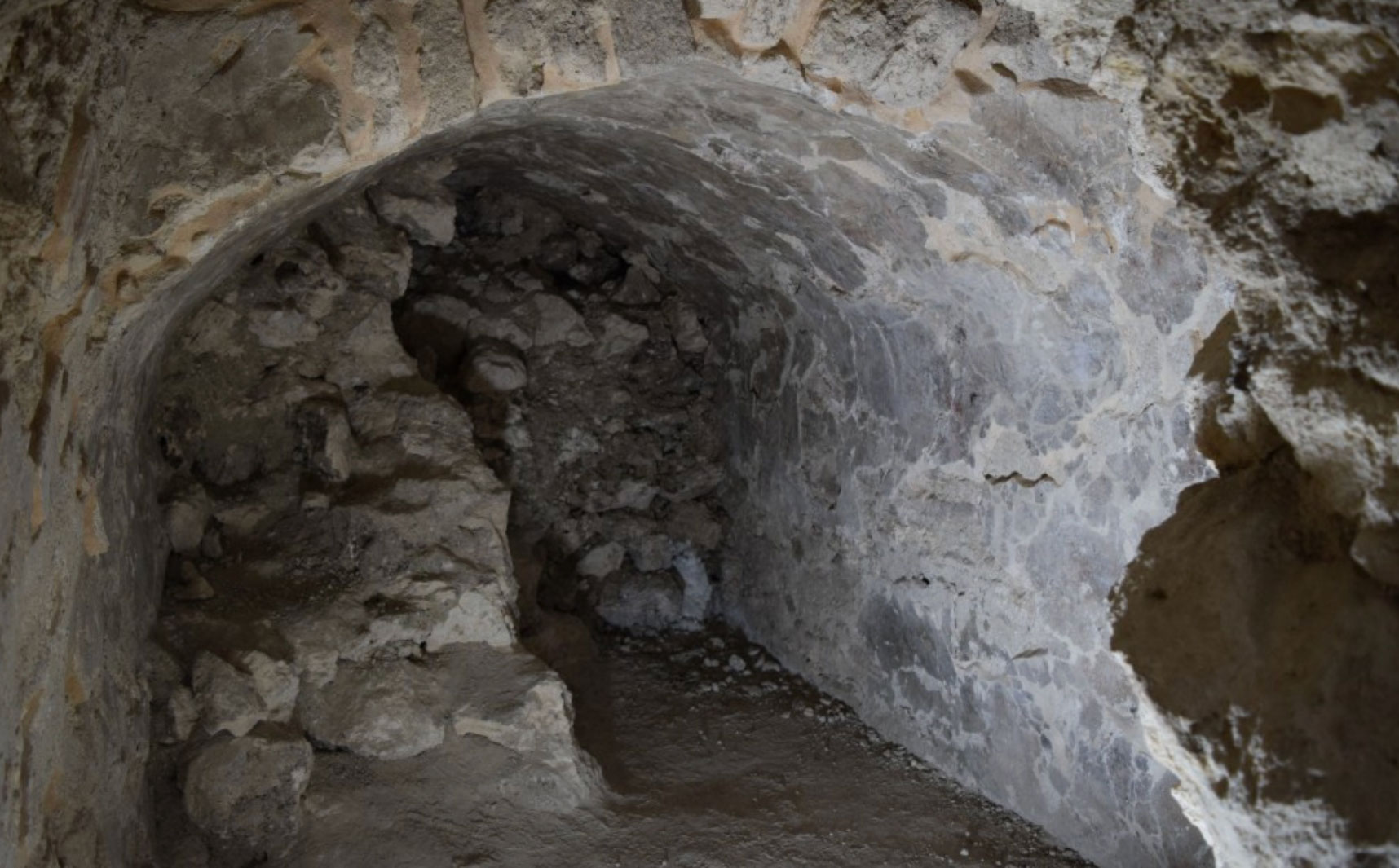
CAMPECHE, MEXICO—Mexico News Daily reports that a digital reconstruction of a charcoal mural discovered inside a cave-like, arched vault at the Maya site of Calakmul has revealed early examples of calendrical writing. Daniel Salazar Lama of Mexico’s National Institute of Anthropology and History (INAH) said that the mural shows Juun Ajaw, one of the mythical Maya hero twins, hunting a creature in water. A symbol corresponding to a day marker in the 260-day Maya ritual calendar cycle is shown next to Juun Ajaw. Salazar said that the date appears to have been added to the main scene at a later time. The mural may represent an episode in the life of Juun Ajaw, or a renewal ritual, and the date may have been added to commemorate the event, he explained. The construction of the building where the mural was found had previously been dated to between 400 and 390 B.C., but the style of the drawing and the date it contains suggest that the building could have been constructed between 400 and 200 B.C. For more, go to "The Maya Sense of Time."
High-Tech Tools Reveal Early Maya Calendrical Writing
News July 30, 2026
Recommended Articles
Features November/December 2024
Chalice of Souls
A Maya jade heirloom embodies an enduring sacred tradition

Features January/February 2023
Jungle Realm of the Snake Queens
How women ascended the ranks in the highstakes world of Maya politics
Features July/August 2021
Autobiography of a Maya Ambassador
A grand monument and a humble burial chronicle the changing fortunes of a career diplomat
More to Discover
Features July/August 2026
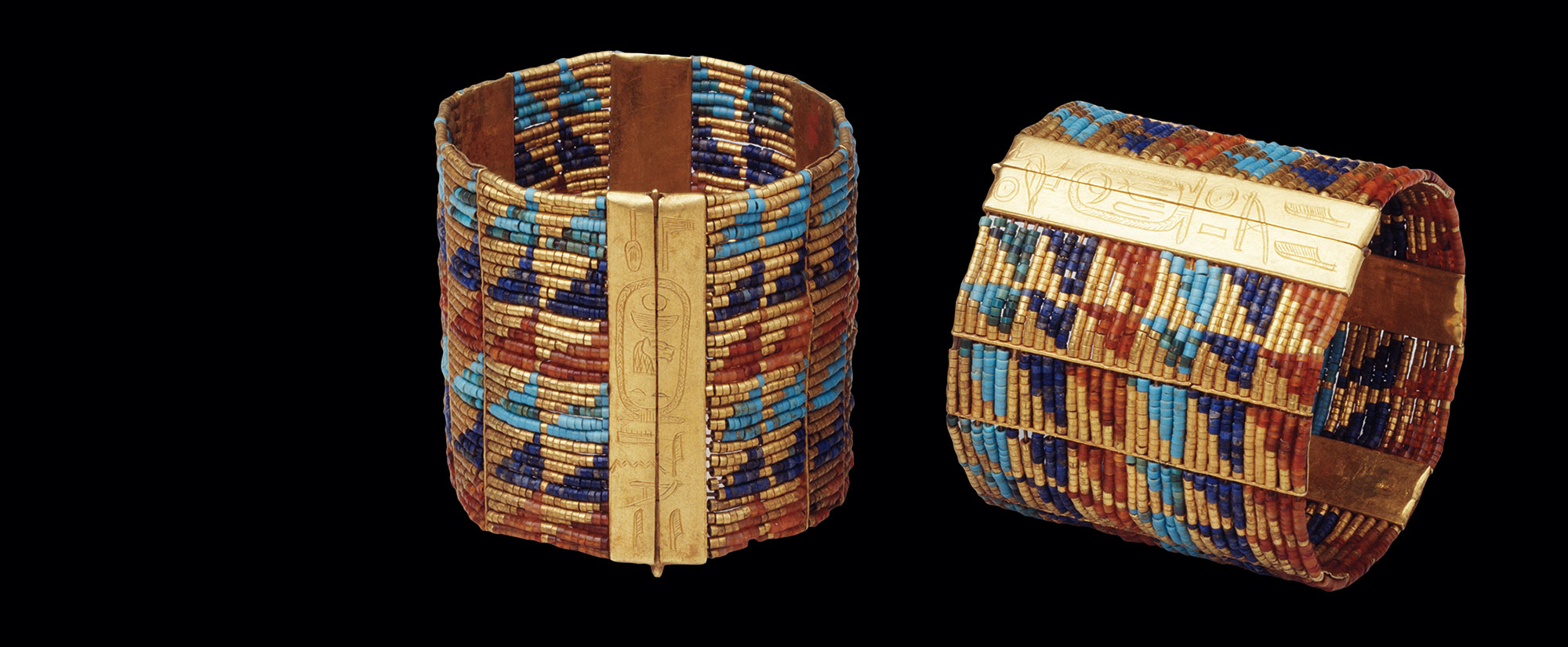
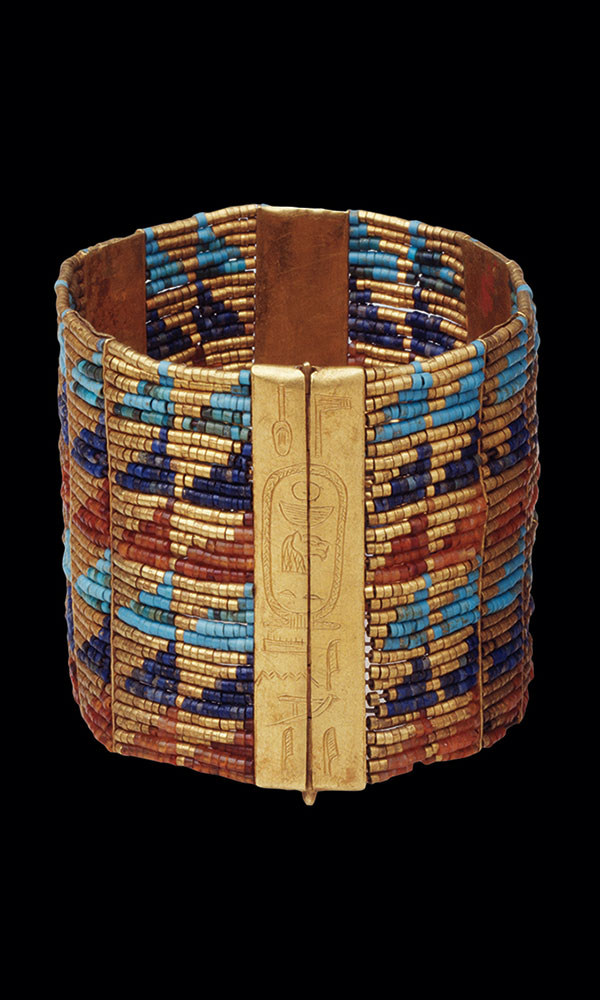
Egypt's First Queen
How a trailblazing ruler pulled her realm back from the brink
-
Features July/August 2026
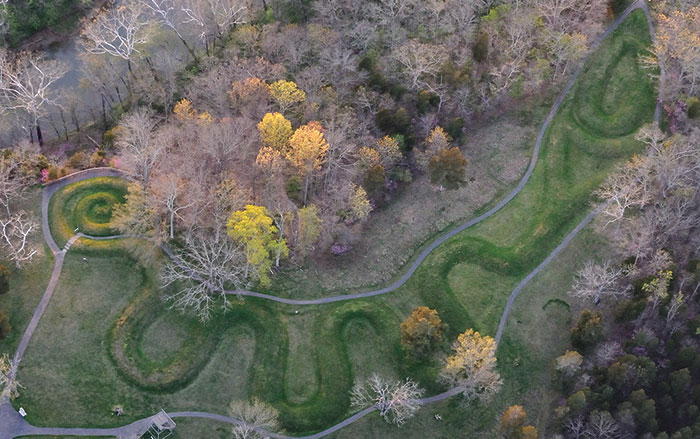
Secrets of the Serpent
Is a Native American origin story embedded in Ohio’s colossal earthwork?
 Timothy E. Black
 -
Features July/August 2026
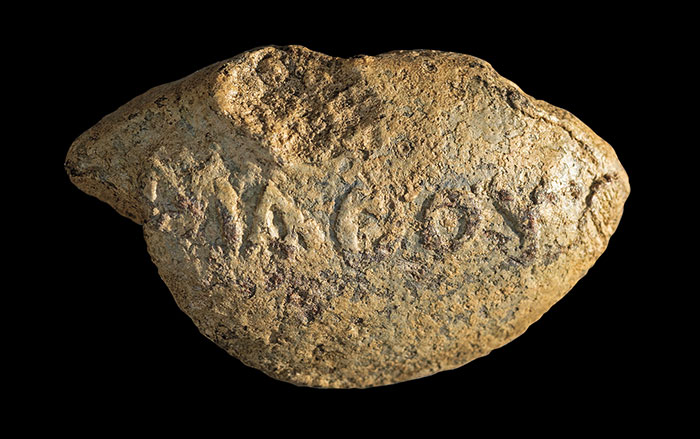
Slinging Insults
Greek and Roman soldiers fired pointed barbs at their enemies
 Courtesy Michael Eisenberg
 -
Features July/August 2026
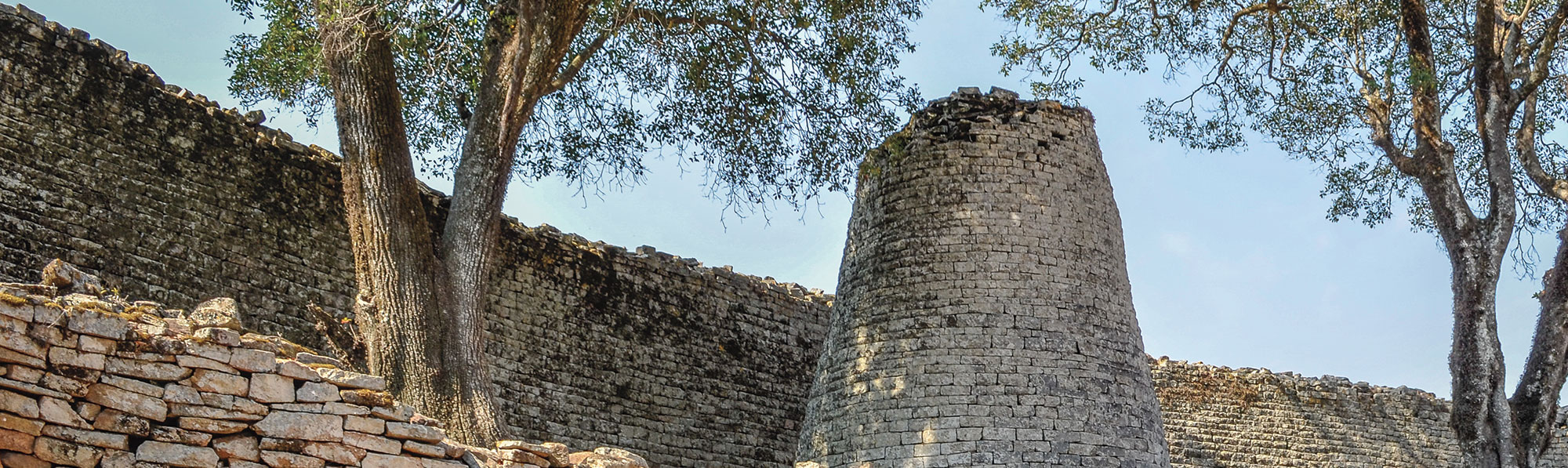
Inside Africa’s Houses of Stone
Archaeologists are rethinking how kings shared power beyond the great capitals of medieval Zimbabwe
 Ad/AdobeStock
 -
Features July/August 2026
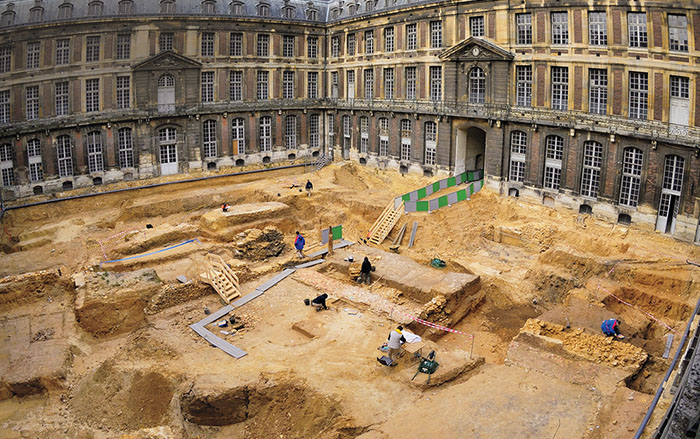
Tennis, Anyone?
Discovering the origins of the peculiar racket game that swept sixteenth-century France
 © Denis Gliksman, Inrap