

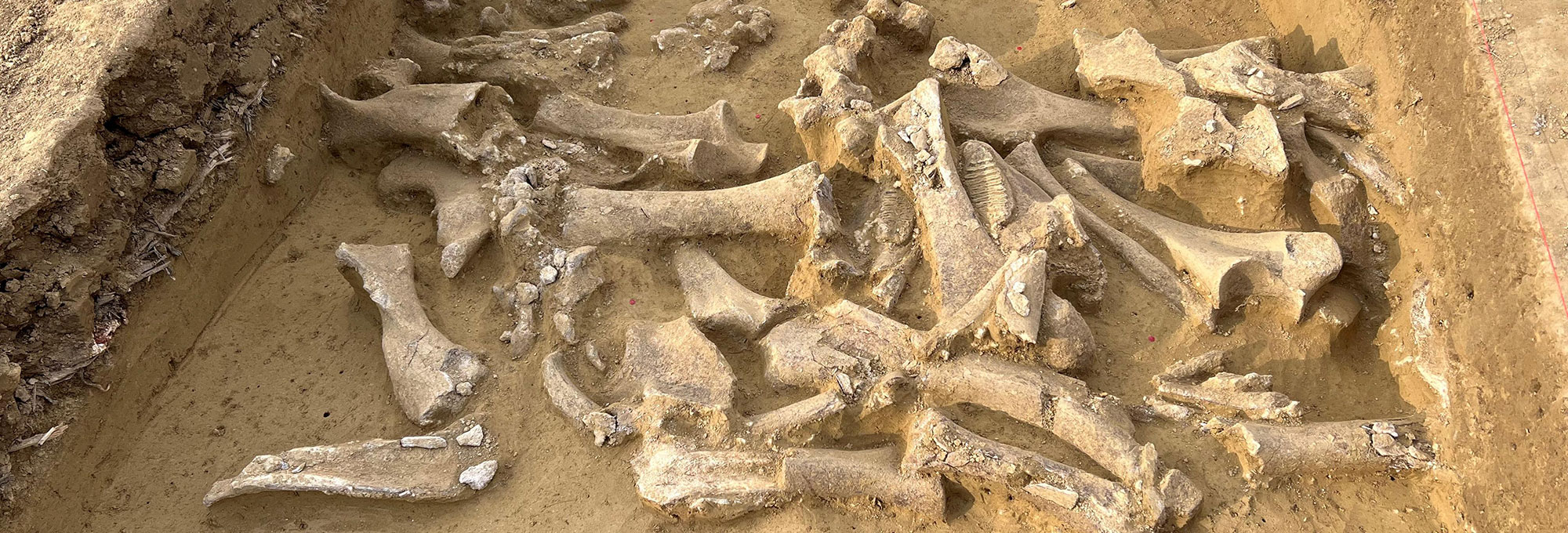
STOCKHOLM, SWEDEN—DNA analysis of bones from more than 500 individual woolly mammoths suggests that Upper Paleolithic hunters in Eurasia and North America may have targeted female animals, according to a statement released by Stockholm University. “By comparing genetic sex ratios of hundreds of mammoths from natural settings with those found in these archaeological contexts, we can now infer that human activity was the primary driver behind these bone accumulations,” said David Díez del Molino of Stockholm University. Mammoth remains discovered in natural settings were found to be mostly male, likely because solitary males may have died in sinkholes or landslides that preserved their remains. Some 70 percent of the mammoth bones found at archaeological sites, however, were found to belong to females. “While it is tempting to assume that hunters would have targeted females because they were smaller than adult males, the reality may have been more complex,” said Jarosław Wilczyński of the Polish Academy of Sciences. “If mammoths behaved like modern elephants, females living in matriarchal herds may have had group defenses that would have made encounters with herds equally or even more risky,” he explained. Yet female-led herds may have been more predictable, making it easier for hunters to find them, concluded Hannah M. Moots of the University of Stockholm. Read the original scholarly article about this research in Current Biology. To read about now submerged terrain where mammoths once roamed, go to "Letter from Doggerland: Mapping a Vanished Landscape."
Ice Age Hunters Deliberately Targeted Female Woolly Mammoths
News August 3, 2026
Recommended Articles
Digs & Discoveries July/August 2019
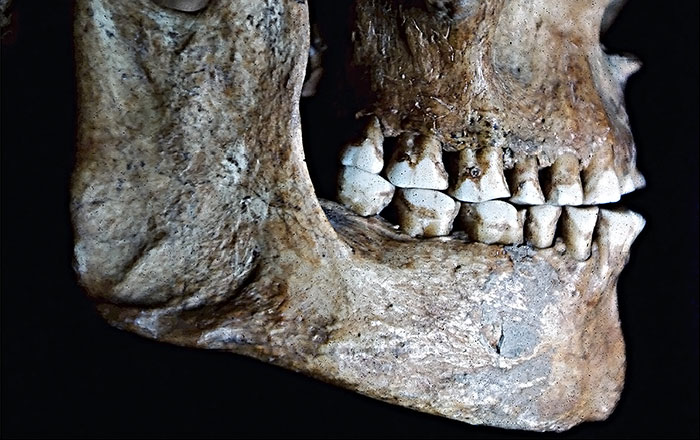
You Say What You Eat
Digs & Discoveries May/June 2026
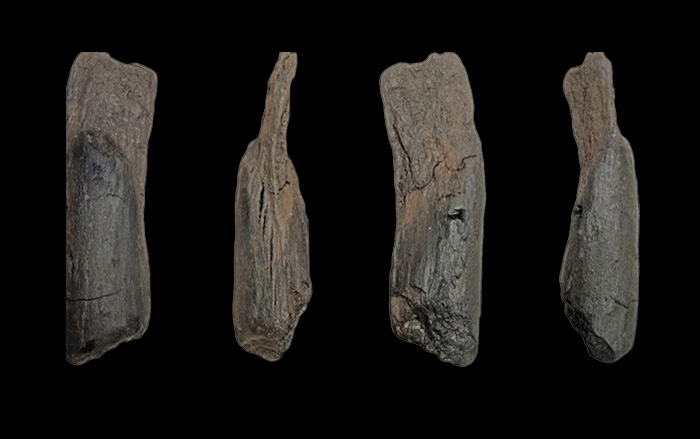
Turning Over the Soil
Digs & Discoveries May/June 2025
Lay of the Land


More to Discover
Features July/August 2026
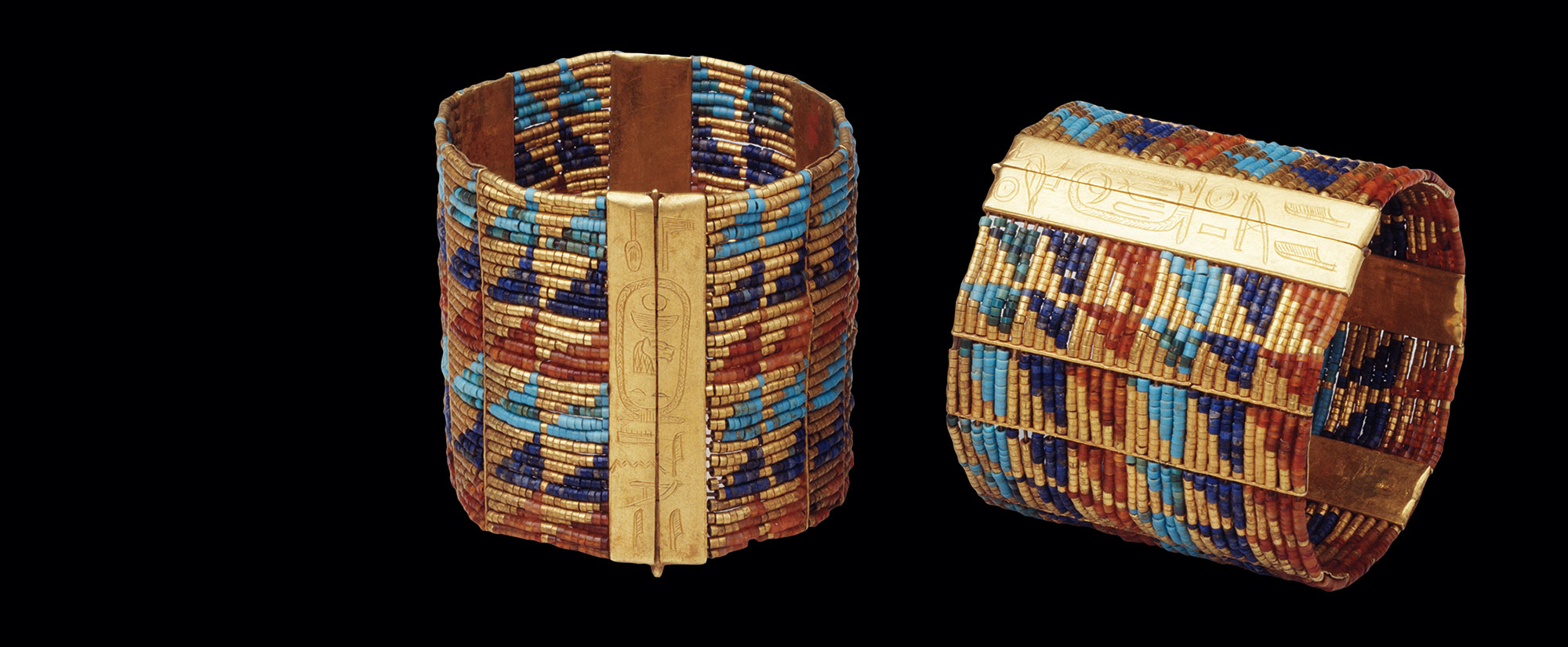
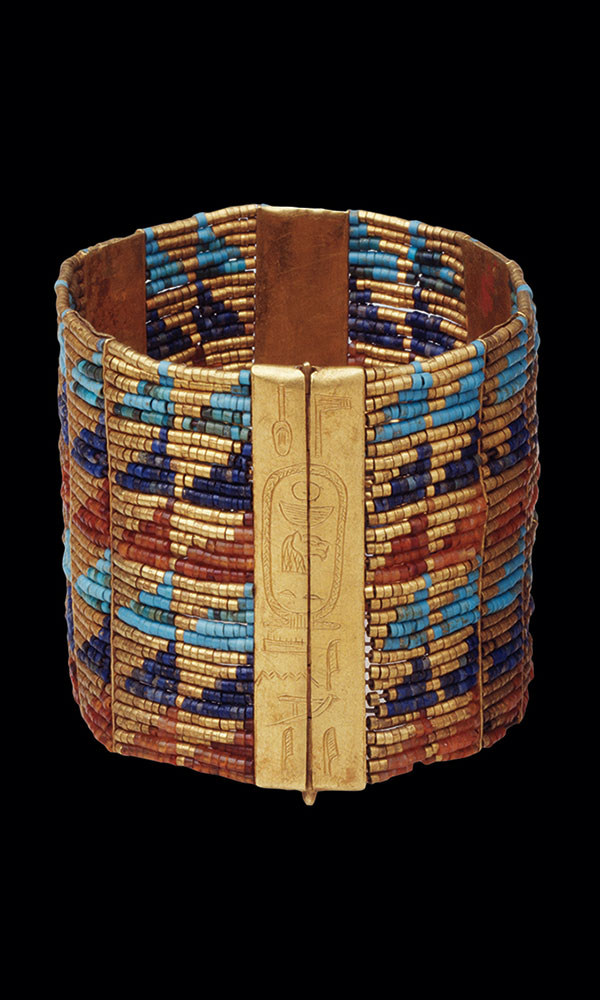
Egypt's First Queen
How a trailblazing ruler pulled her realm back from the brink
-
Features July/August 2026
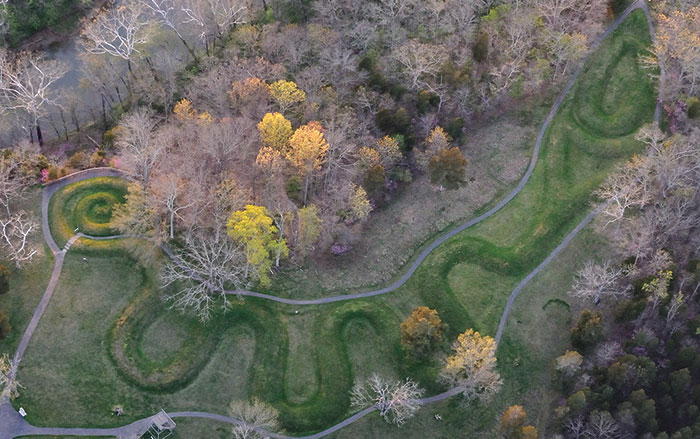
Secrets of the Serpent
Is a Native American origin story embedded in Ohio’s colossal earthwork?
 Timothy E. Black
 -
Features July/August 2026
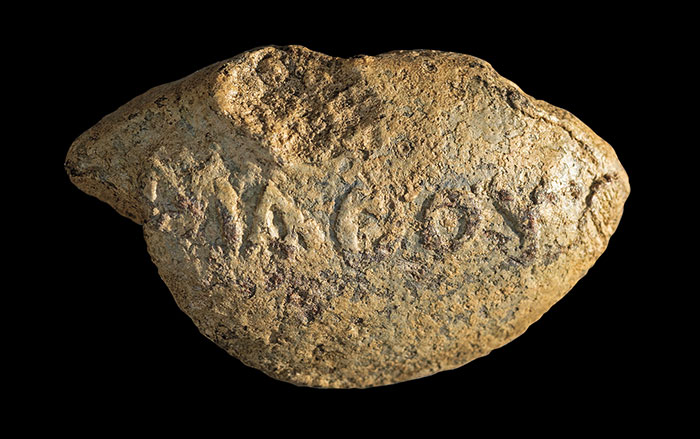
Slinging Insults
Greek and Roman soldiers fired pointed barbs at their enemies
 Courtesy Michael Eisenberg
 -
Features July/August 2026
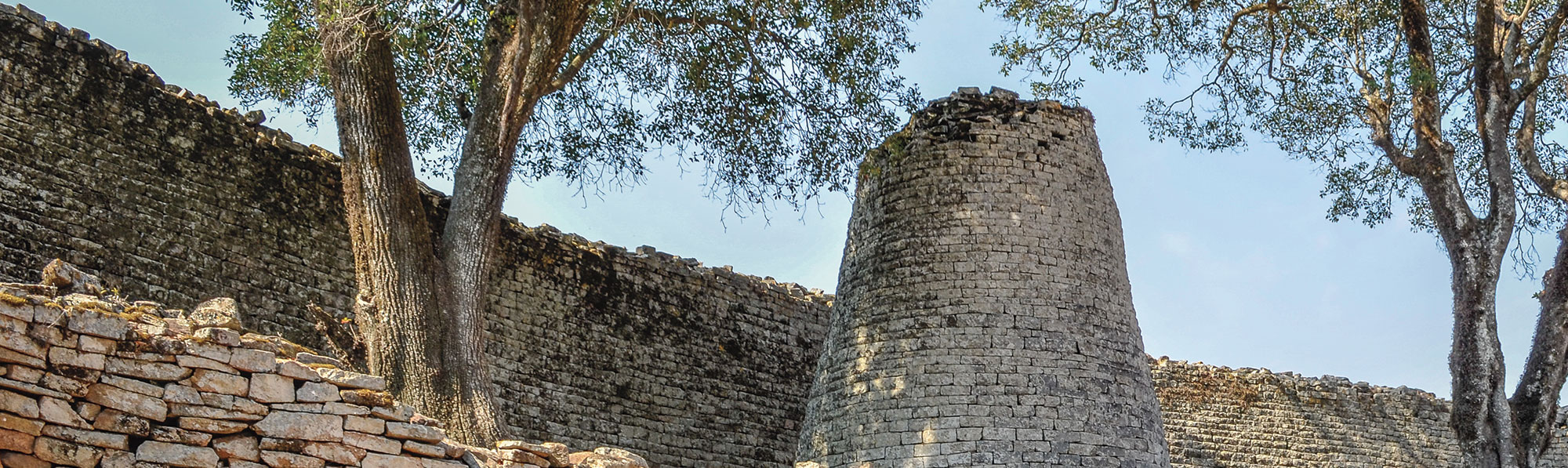
Inside Africa’s Houses of Stone
Archaeologists are rethinking how kings shared power beyond the great capitals of medieval Zimbabwe
 Ad/AdobeStock
 -
Features July/August 2026
Tennis, Anyone?
Discovering the origins of the peculiar racket game that swept sixteenth-century France
 © Denis Gliksman, Inrap