

SAN LUIS OBISPO, CALIFORNIA—Phys.org reports that two beads made from giant rock scallops have been unearthed at the Turkey Flats and Lichtenstein sites, both located far from the Santa Barbara Channel where giant rock scallops usually live. The creatures live below the tide line, making them difficult to reach, and have thick, hard shells, making them difficult to shape into beads. Researchers suggest these factors made the beads rare and a sign of high status among the Indigenous Chumash, Salinan, and Yokuts peoples. The bead from Turkey Flats has been radiocarbon dated to 8,500 years ago—the oldest such bead ever found. “It’s cool that this is the oldest of its kind identified so far, but cooler still to view it as part of a broader Early Holocene cultural landscape seemingly well-established in this locale as much as 10,000 years ago,” said archaeologist Barry A. Price of Applied EarthWorks, Inc. The bead from Lichtenstein was dated to 3,674 years ago, indicating that the tradition of crafting and trading giant scallop shell beads lasted for more than 5,000 years. Isotope analysis of the materials revealed that the Turkey Flats shell came from southern California, while the Lichtenstein shell came from central or southern California. “There’s a more-than-reasonable chance the beads were manufactured on the Channel Islands and moved northward via networks of trade that could have extended hundreds of miles,” Price said. “That’s the most likely scenario, though it’s also possible that individuals from the Channel Islands or Santa Barbara coast carried them northward as part of their personal ornamentation,” he concluded. To read more about the Chumash homeland in this region, go to "Off the Grid: Chumash Painted Cave State Historic Park, California."
Giant Rock Scallop Beads from California Studied
News August 11, 2026
Recommended Articles
Off the Grid July/August 2024
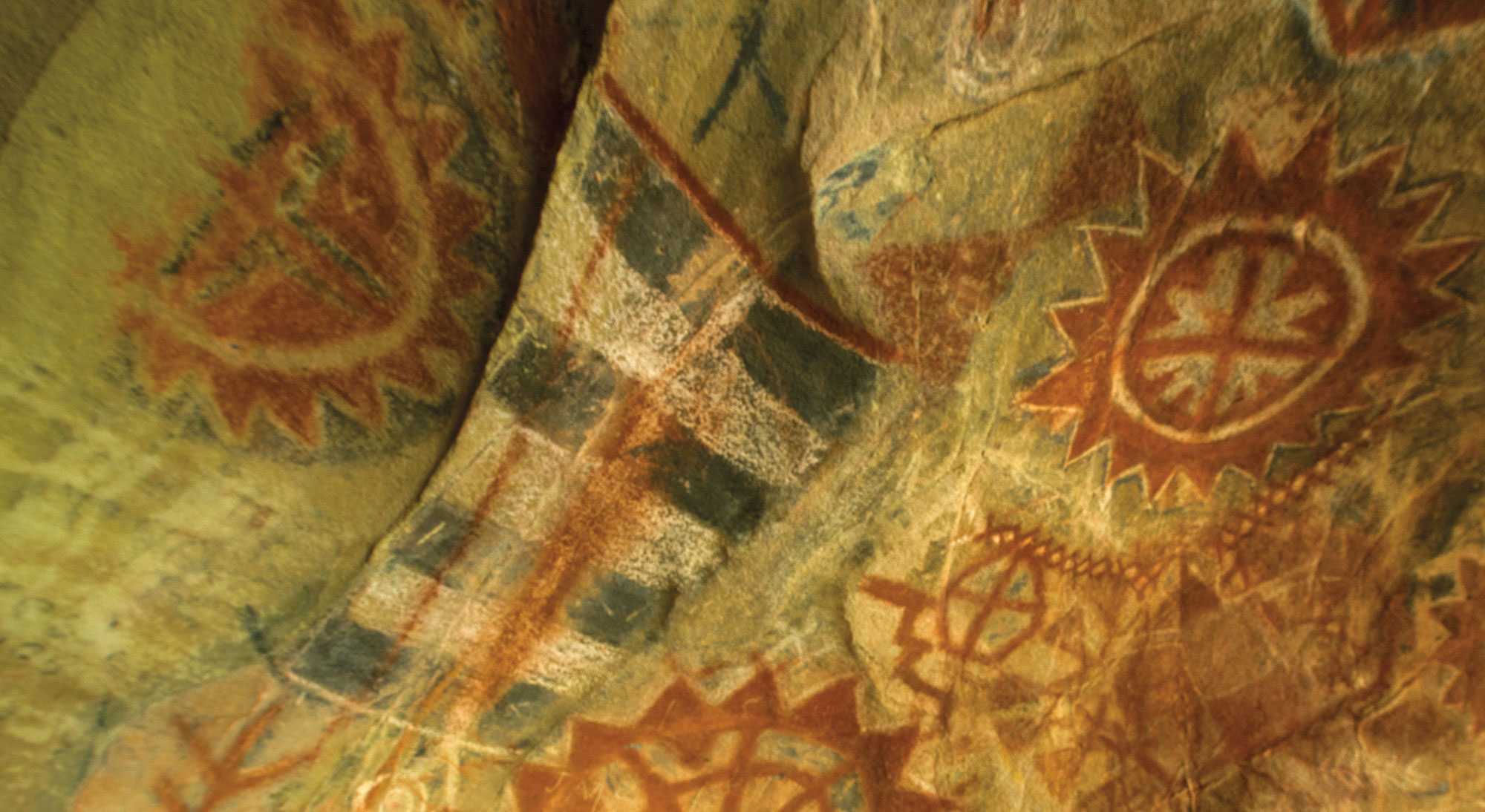
Chumash Painted Cave State Historic Park, California
Digs & Discoveries September/October 2022
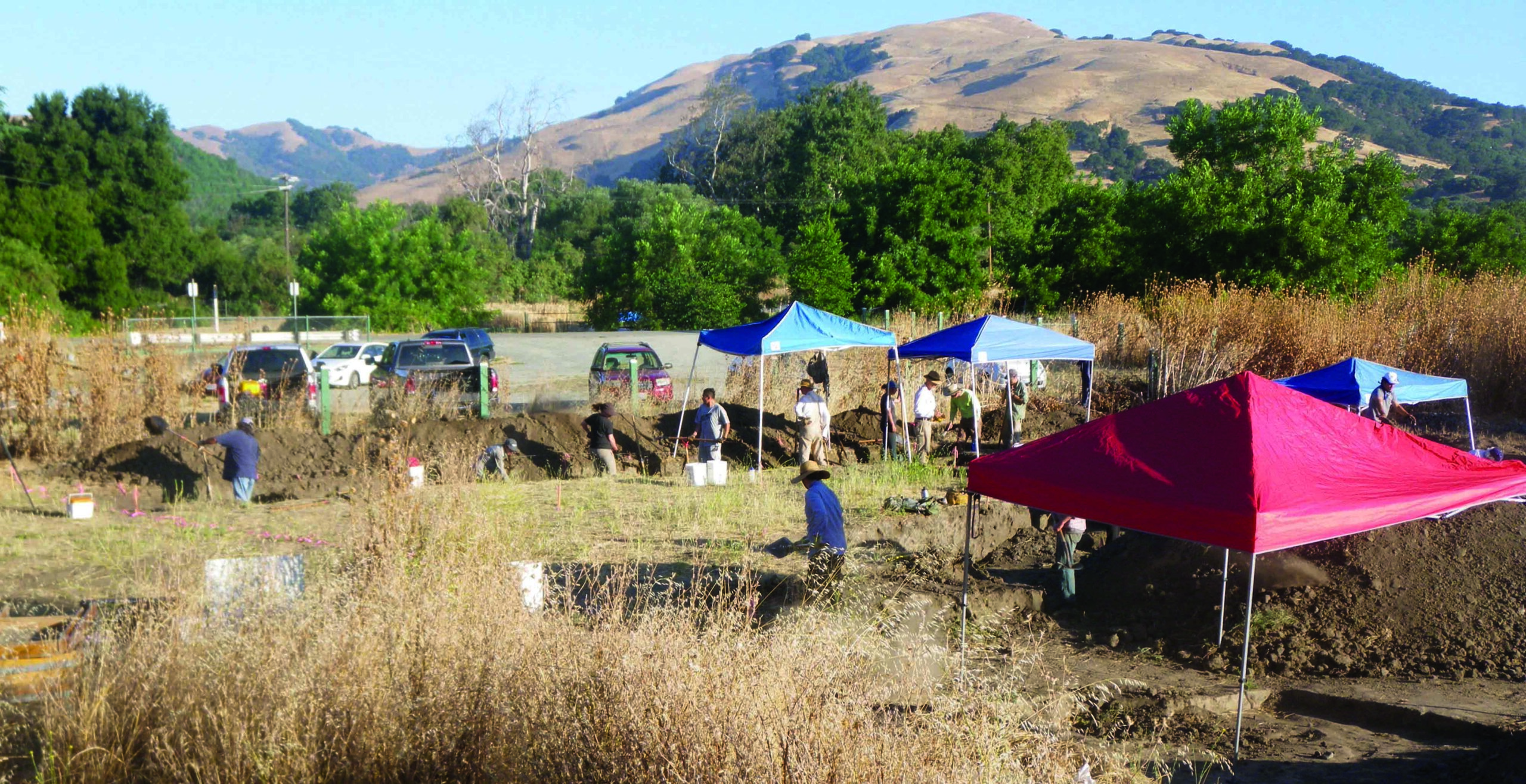
Linking the Lineages
Letter from the Bay Area May/June 2022
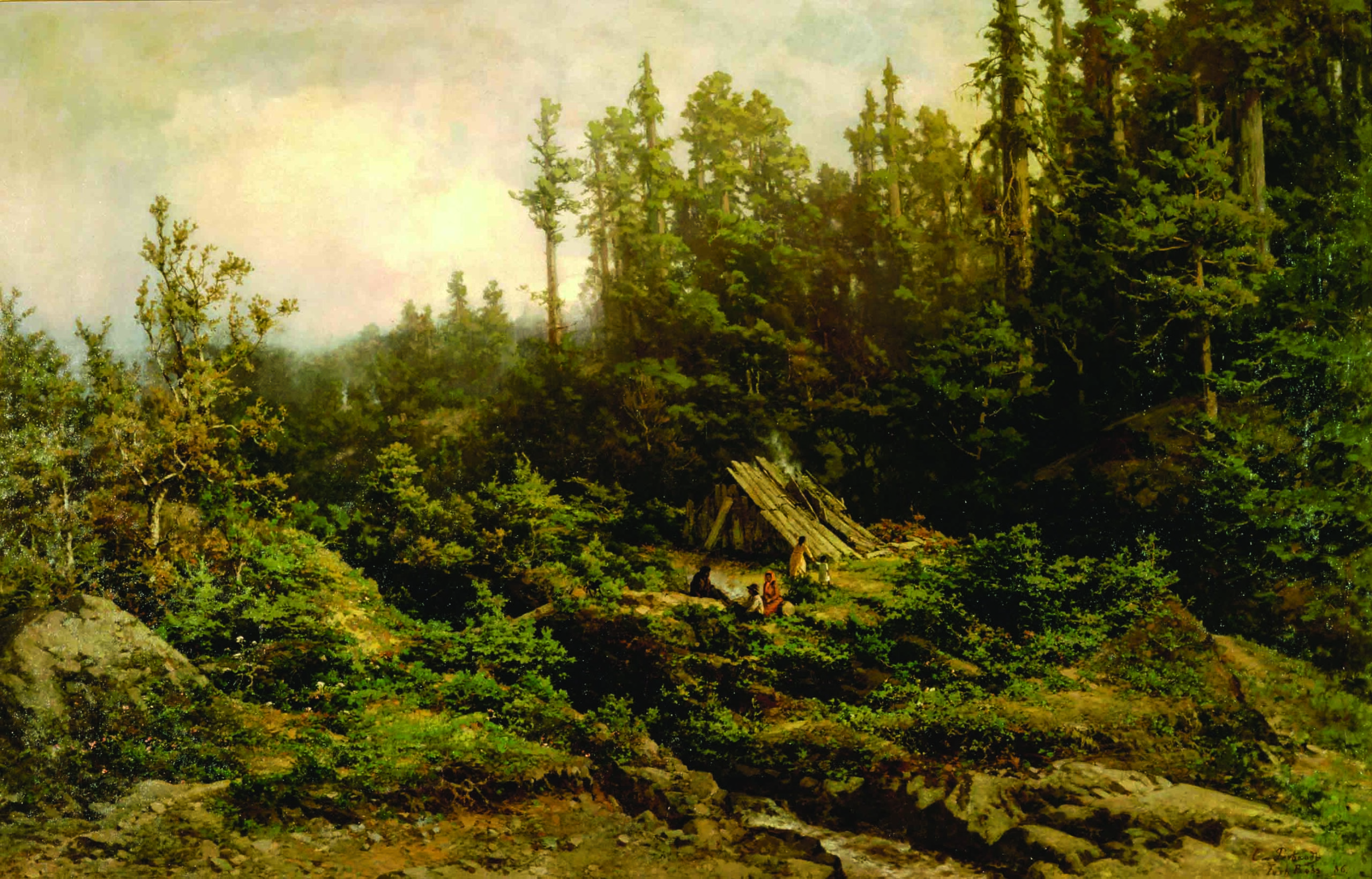
California's Coastal Homelands
How Native Americans defied Spanish missionaries and preserved their way of life
Off the Grid November/December 2021
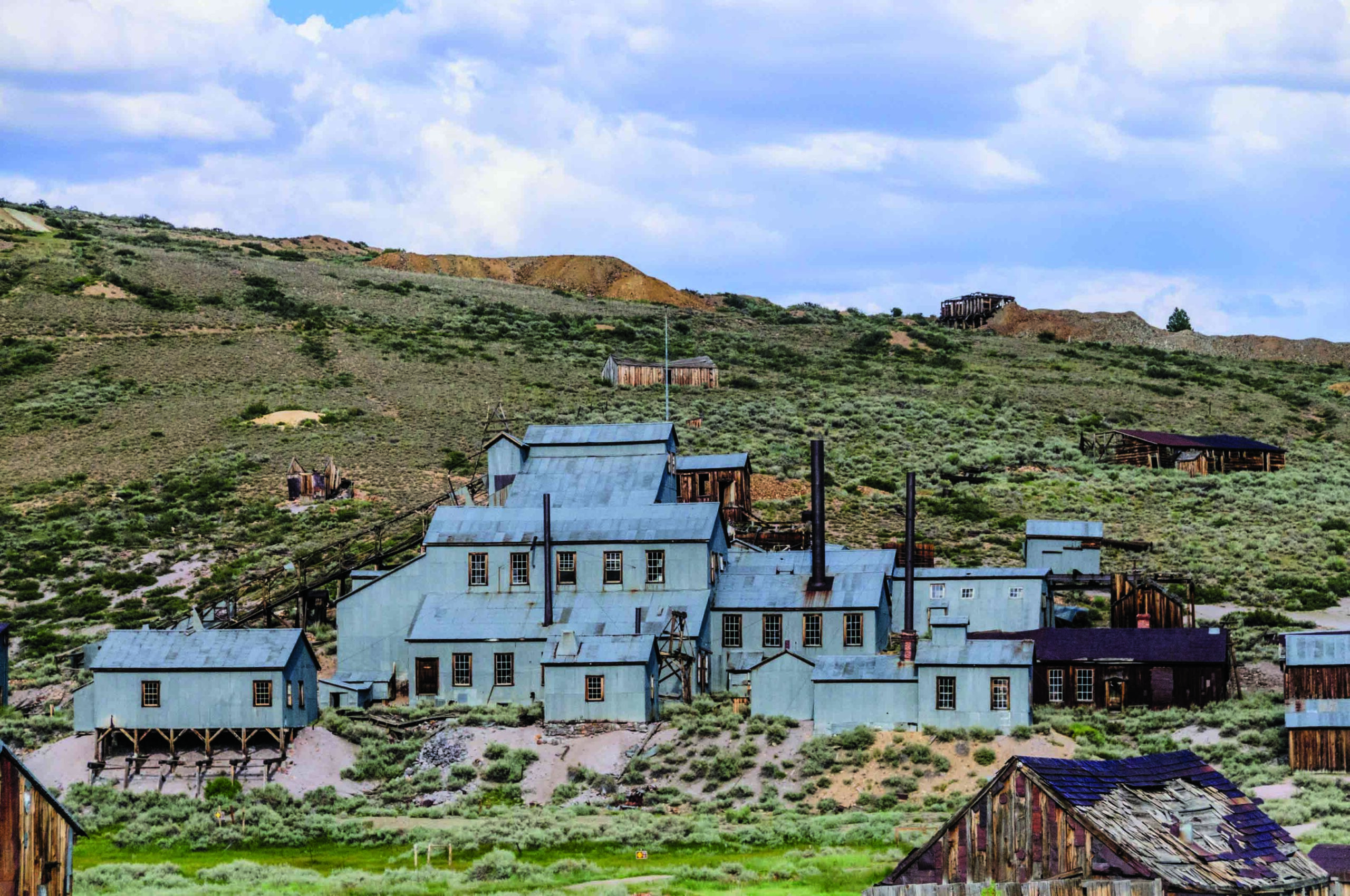
Bodie, California
More to Discover
Features July/August 2026
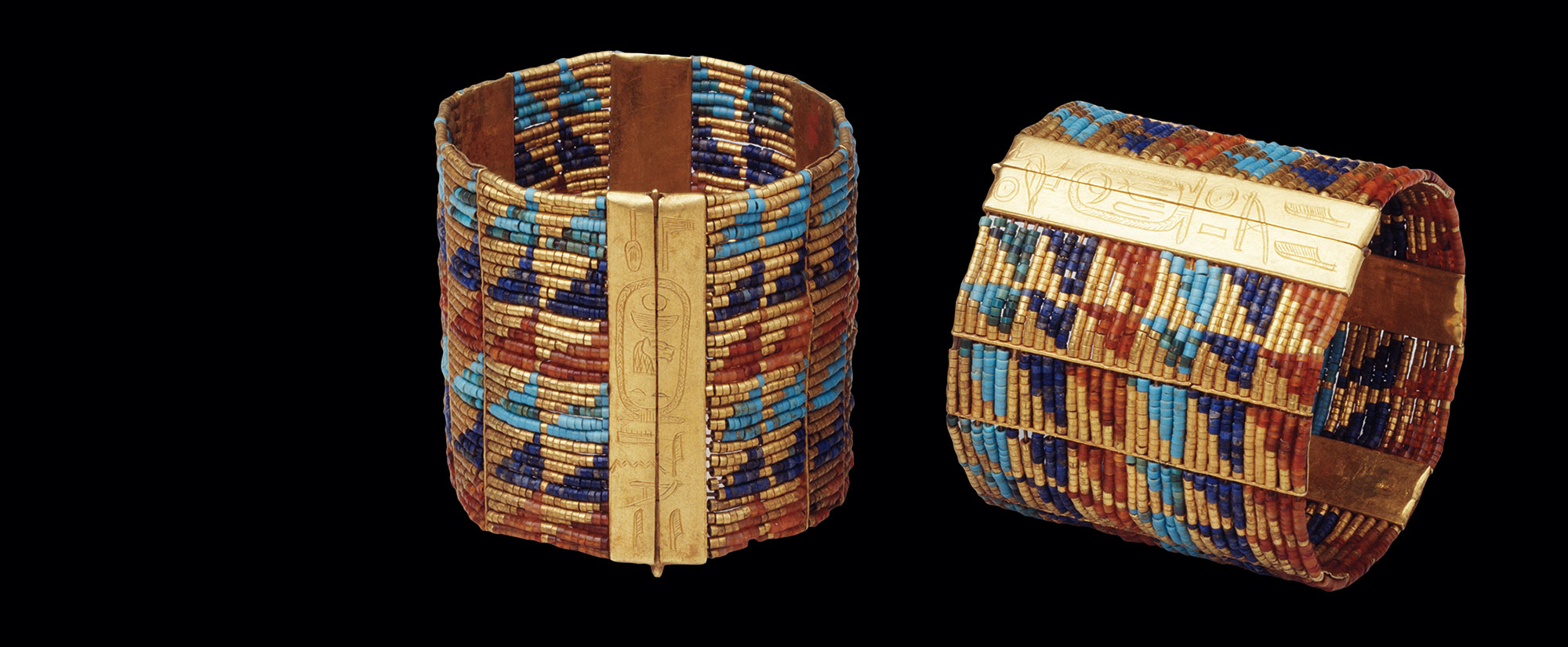
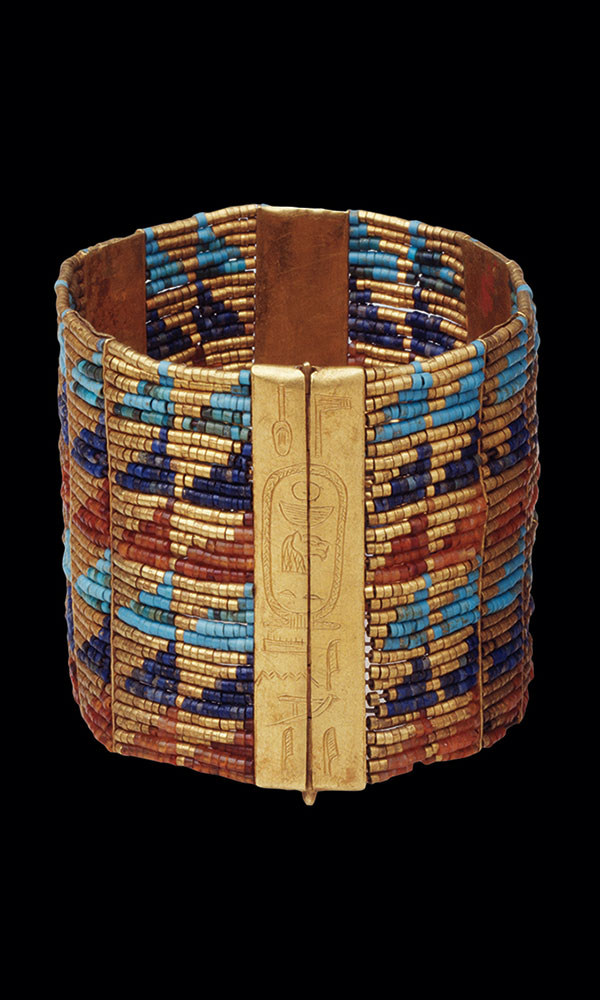
Egypt's First Queen
How a trailblazing ruler pulled her realm back from the brink
-
Features July/August 2026
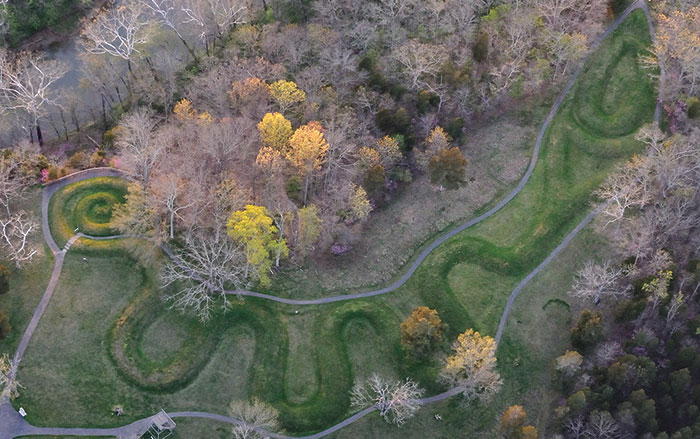
Secrets of the Serpent
Is a Native American origin story embedded in Ohio’s colossal earthwork?
 Timothy E. Black
 -
Features July/August 2026
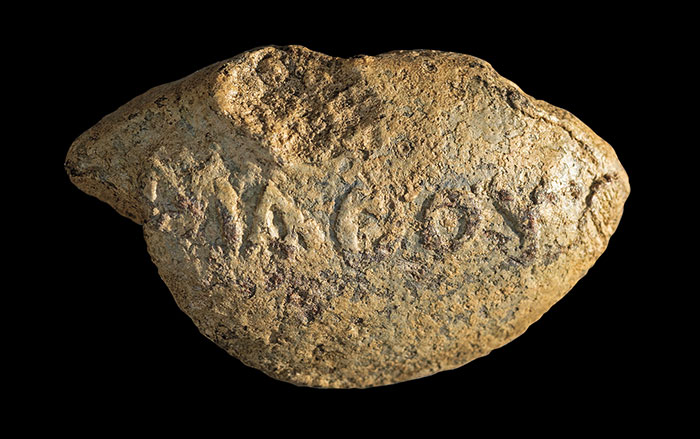
Slinging Insults
Greek and Roman soldiers fired pointed barbs at their enemies
 Courtesy Michael Eisenberg
 -
Features July/August 2026
Inside Africa’s Houses of Stone
Archaeologists are rethinking how kings shared power beyond the great capitals of medieval Zimbabwe
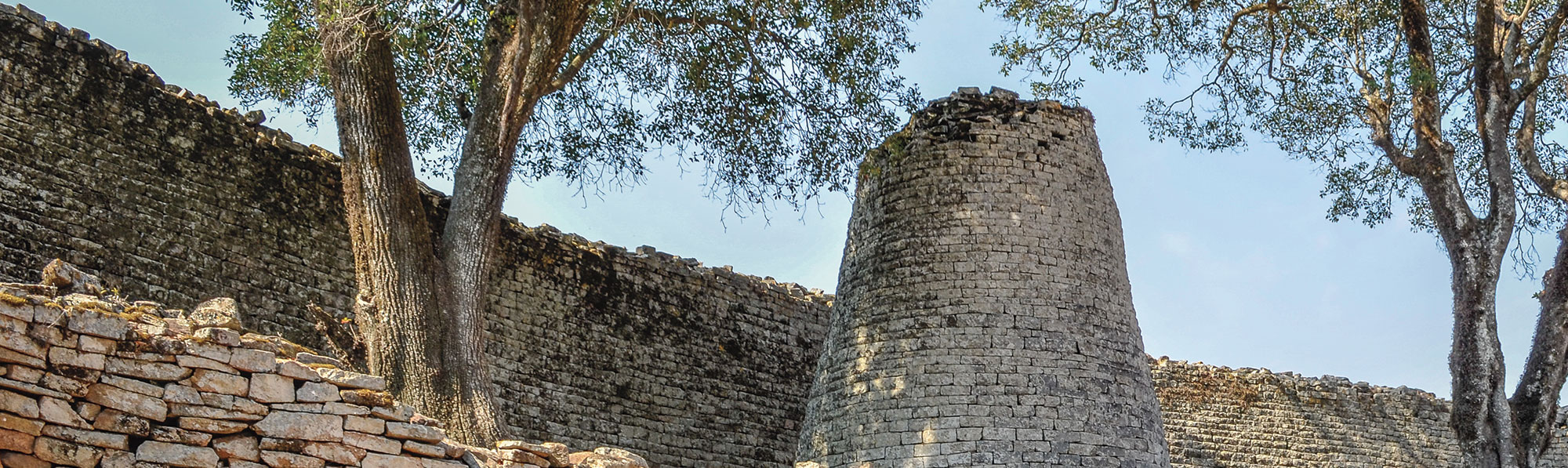 Ad/AdobeStock
 -
Features July/August 2026
Tennis, Anyone?
Discovering the origins of the peculiar racket game that swept sixteenth-century France
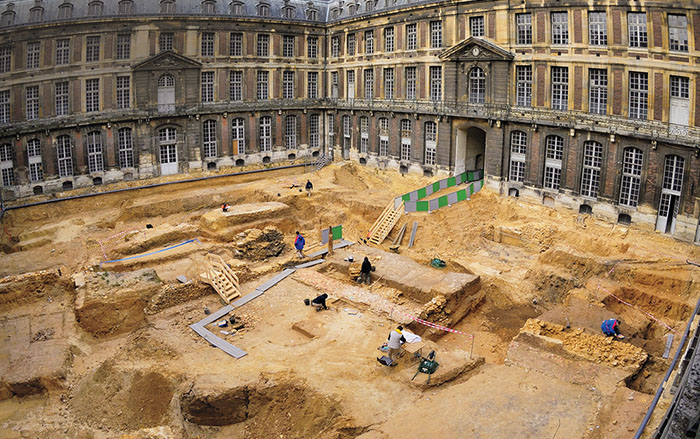 © Denis Gliksman, Inrap