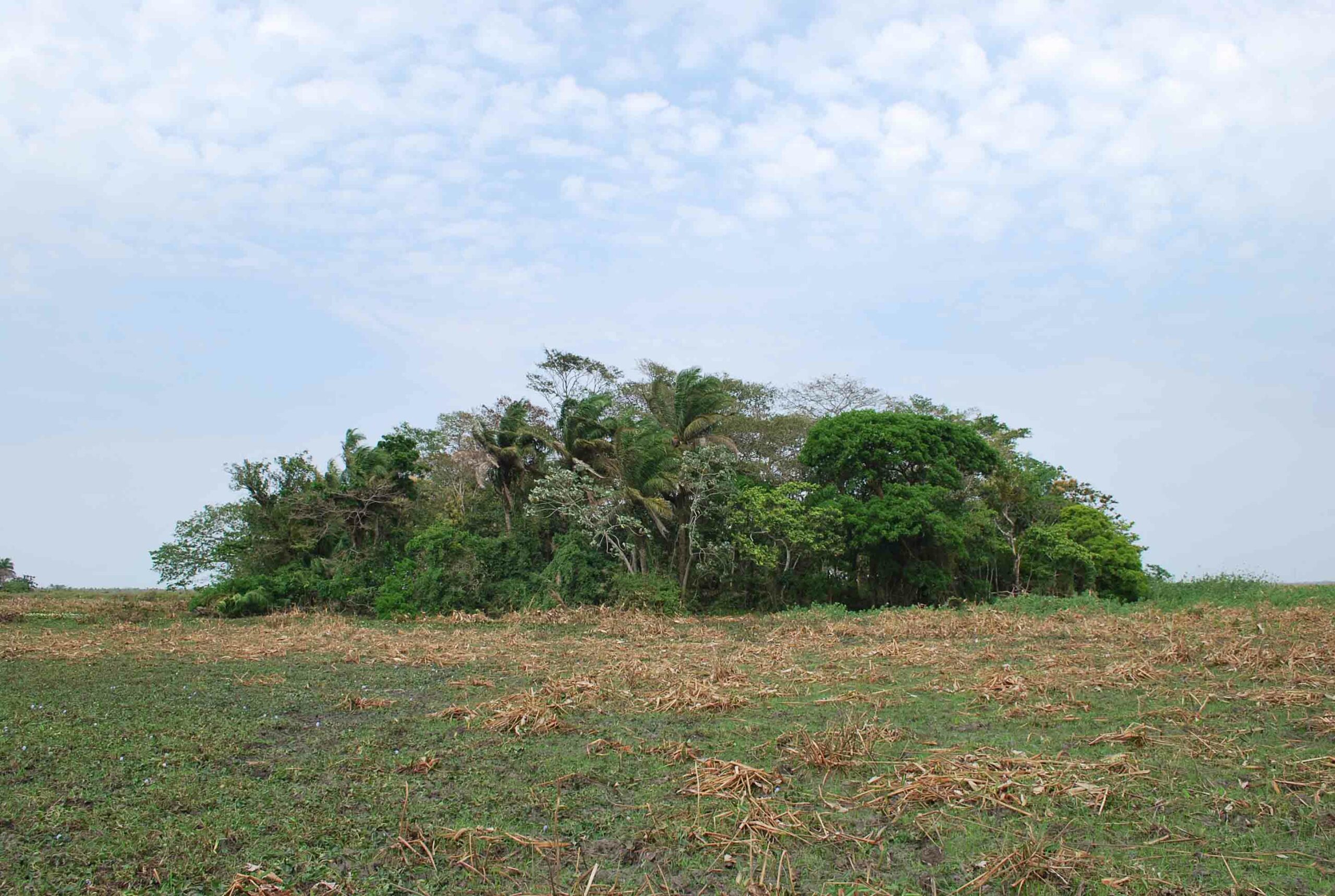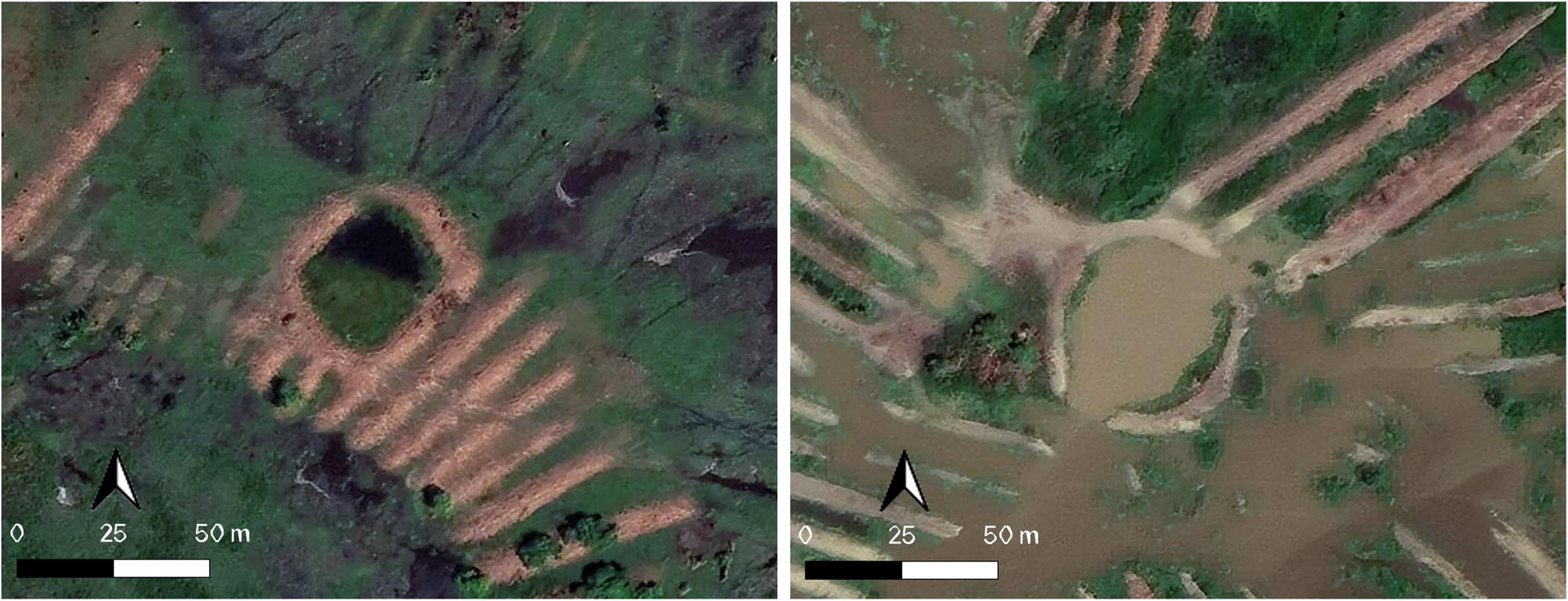
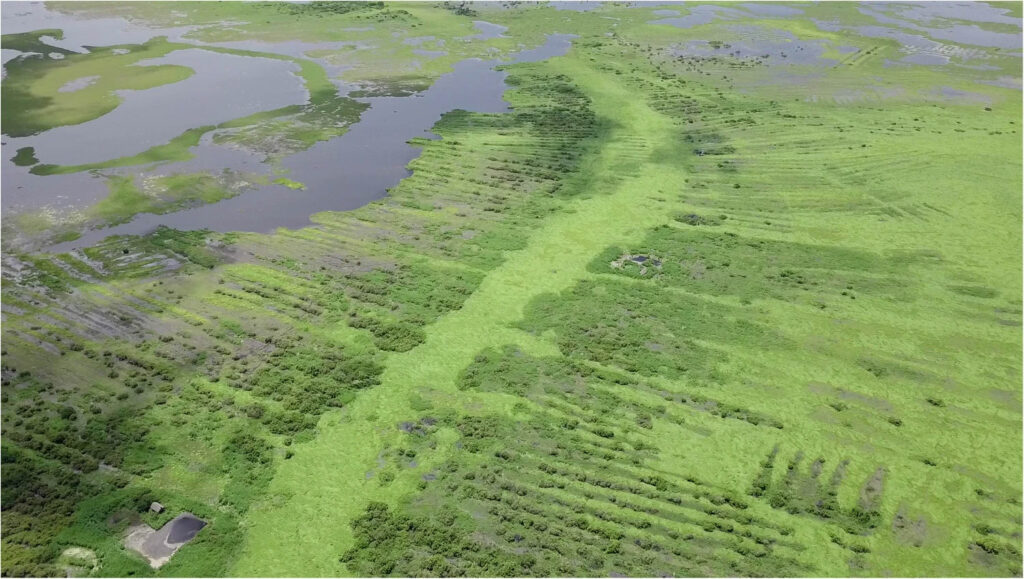
LA MOJANA, COLOMBIA—Archaeologists have determined that a vast pre-Hispanic agricultural field network composed of canals and ridges in Colombia was built and maintained by family groups working in cooperation, according to a statement released by the University of Cambridge. The sheer size of the raised field systems, which take up about 2,000 square miles in the La Mojana region and were in use from the first centuries b.c. until the eleventh century a.d., persuaded researchers in the past that they must have been built by people following the orders of powerful chiefs. “These field systems are so impressive that people have assumed they were achieved by hierarchical chiefdoms. Our data tells a very different story,” said archaeologist Jasmine Vieri of the University of Cambridge. Her team analyzed satellite imagery of a two-square-mile area of La Mojana and recorded the volume and size of some 1,600 ridges. They then used a variety of statistical methods to determine how much labor would have been needed to construct the field system. “We are confident that one of these canal-ridge systems could have been built in less than two months, around half of a dry season. That’s a far lower labor investment than has been previously assumed, and manageable through cooperation,” said Vieri. The researchers suggest that the ancient field systems may hold some lessons for modern policymakers searching for new land use models in the region. Read the original scholarly article about this research in the journal Communications Sustainability. To read about recent discoveries changing archaeologists’ preconceptions about pre-Hispanic governments, go to “Kings of Cooperation.”