

LAWRENCE, KANSAS—Bethany Potter of the University of Kansas and her colleagues reviewed migration models for the arrival of modern humans in the Americas, Phys.org reports. They then compared the possible arrival times—either before the Last Glacial Maximum, more than 25,000 years ago; during the Last Glacial Maximum, between 20,000 and 14,000 years ago; or after the ice finally retreated, some 14,000 years ago—with DNA samples, archaeological evidence, and environmental data. Genetic evidence indicates that population lineages had already split into Northern and Southern Native American lineages some 15,000 years ago. No DNA evidence for such splits in the population more than 25,000 years ago have been identified. Archaeological evidence of human activity before 25,000 years ago may have been left by groups of people who did not survive or did not leave many descendants. According to the researchers, it is also possible their DNA has yet to be recovered or identified in later populations. The study therefore suggests that it is most likely that people arrived in the Americas between 20,000 and 14,000 years ago. “It is critical that paleogenomics research be rooted in questions articulated by archaeologists and tribal historians, and that such research be attuned to the needs and priorities of descendant communities,” Potter concluded. Read the original scholarly article about this research in Current Opinion in Genetics & Development. To read more about theories regarding how the Americas were populated, go to "America, in the Beginning."
When Did People Arrive in the Americas?
News October 7, 2026
Recommended Articles
Digs & Discoveries November/December 2016
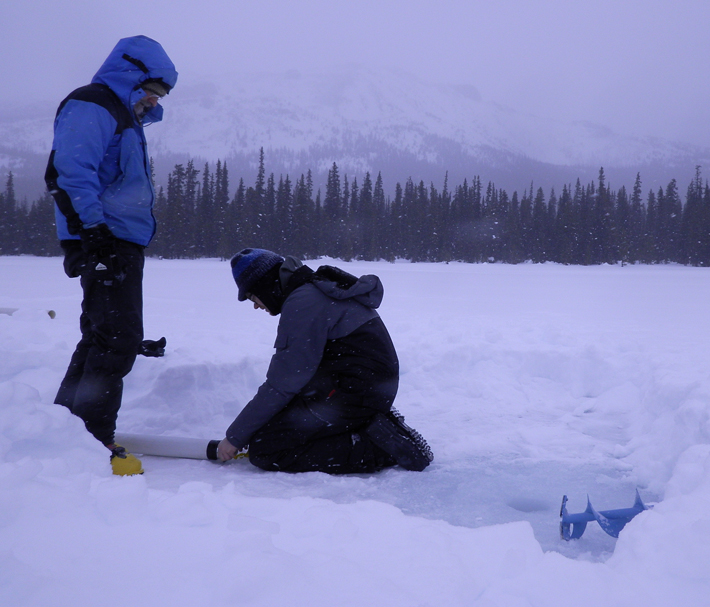
Coast over Corridor
Digs & Discoveries July/August 2022
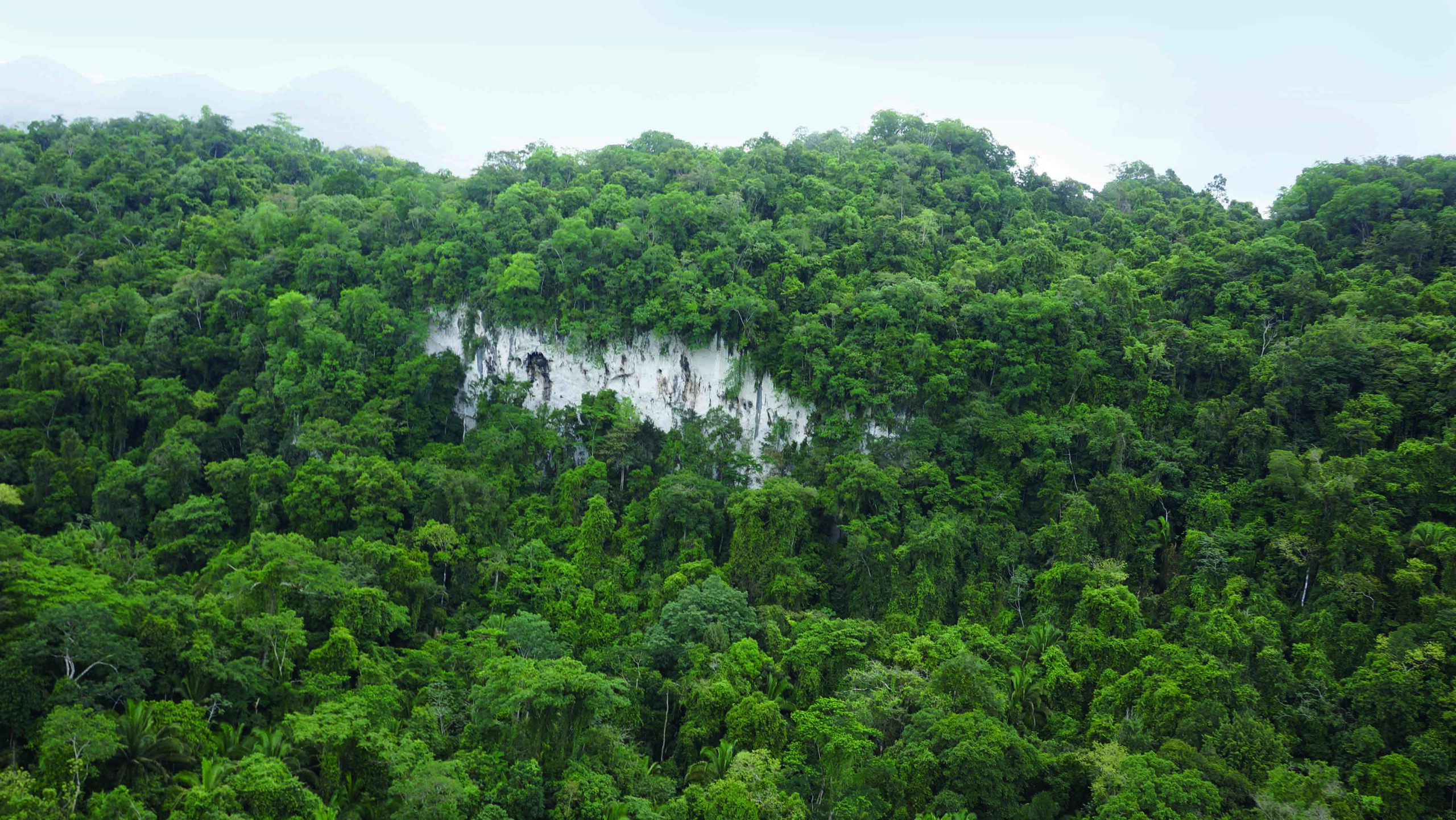
The Great Maize Migration
Digs & Discoveries January/February 2022
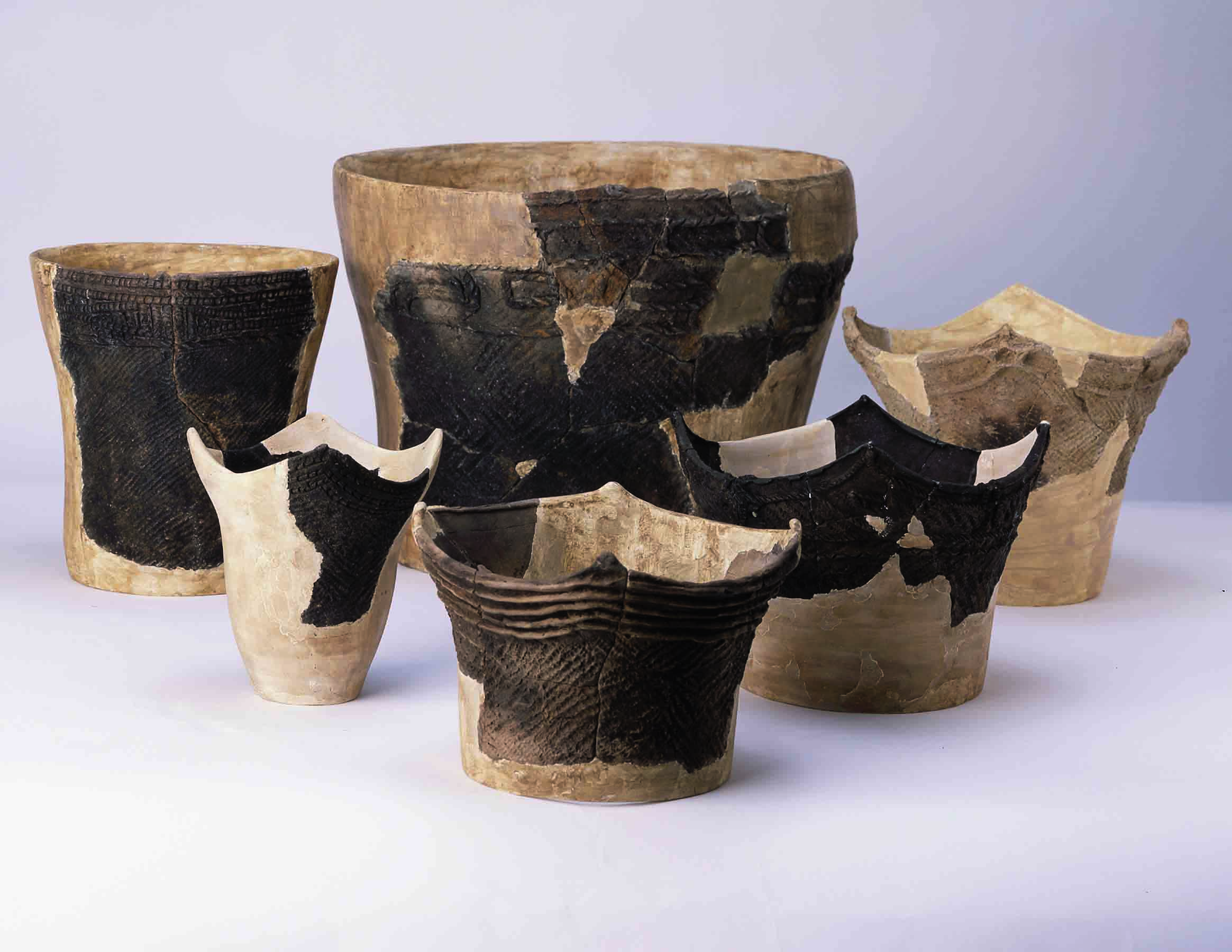
Japan's Genetic History
Off the Grid September/October 2026
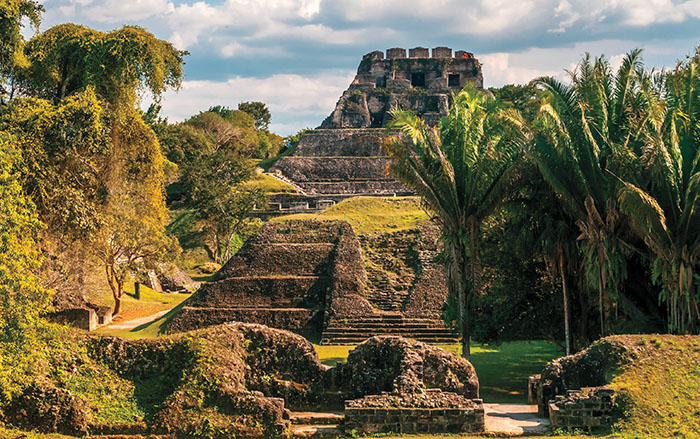
Xunantunich, Belize
Learning to draw monkeys at an ancient Maya art academy
More to Discover
-
Features September/October 2026
A Change in Fashion
Hoards of lavish gold and silver neck rings buried on an English hill reflect dramatic social change
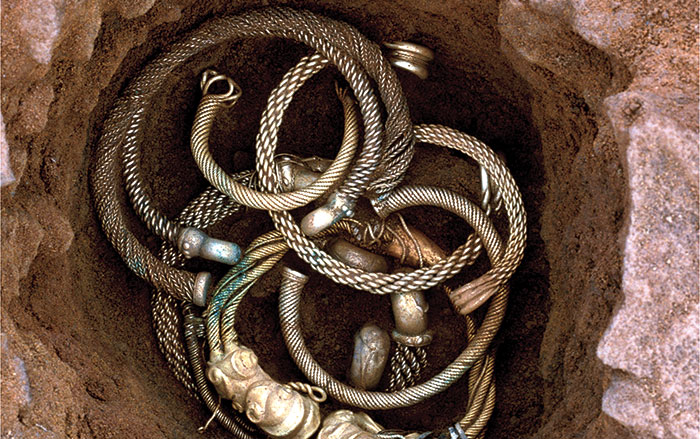 Photo © 2026 The Trustees of the British Museum
 -
Features September/October 2026
Cultivating Fields of Stone
Peru’s ancient farmers used intricate rock maps to plan for the future
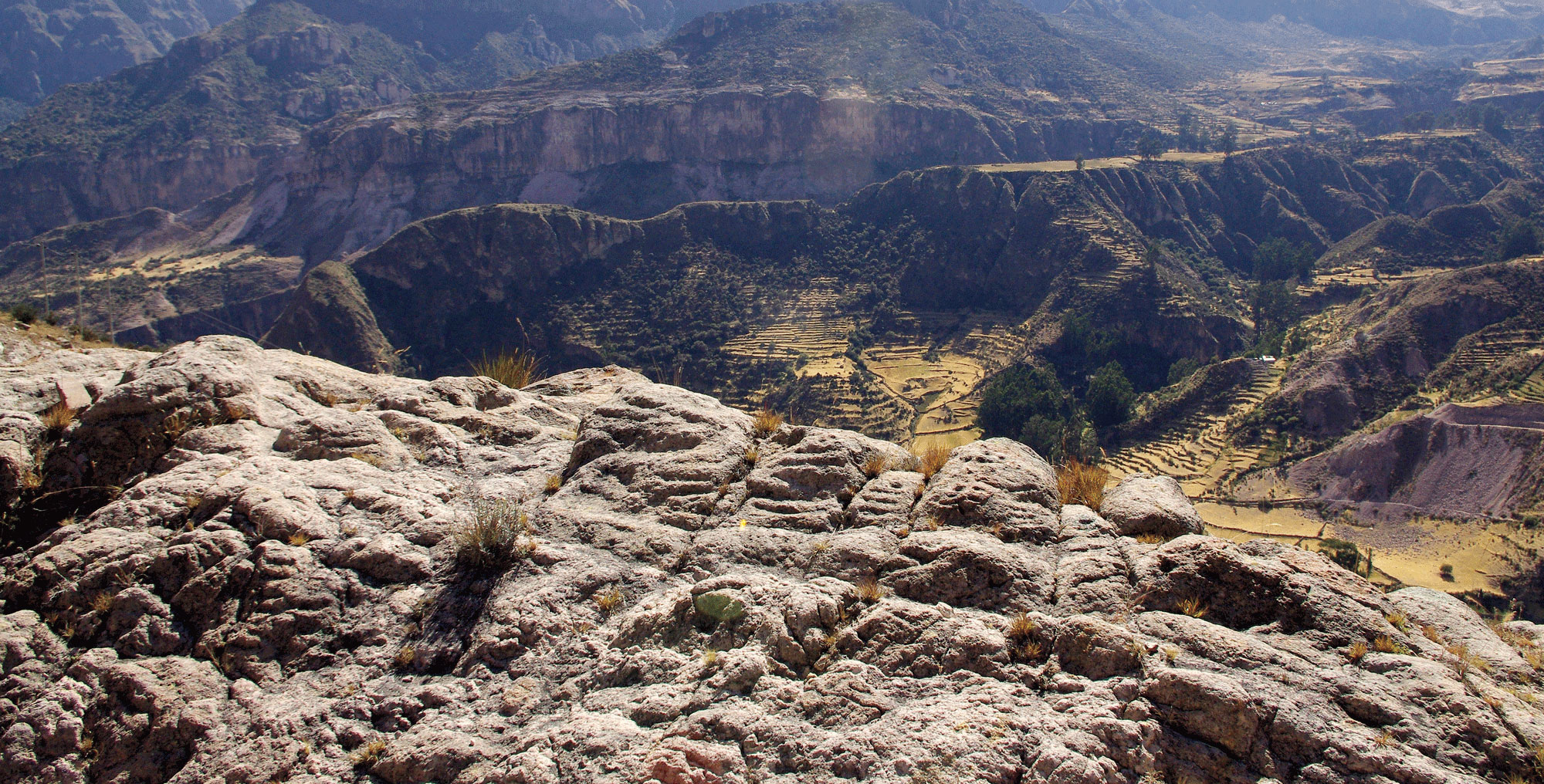 Courtesy Patricia Aparicio Martínez
 -
Features September/October 2026
Where Was Ancient Egypt Born?
Archaeologists are reimagining a time before the first pharaohs
 Courtesy Robert Słaboński/Tell el-Farkha Expedition
 -
Features September/October 2026
2,000 Years Under the Sea
The story of Greece’s famed Antikythera wreck is finally being revealed
 © ESAG/UNIGE