

KAYSERI, TURKEY—Türkiye Today reports that a mosaic floor dated to more than 2,000 years ago has been unearthed in central Anatolia at the site of Kültepe-Kanesh by researchers from Turkey’s Ministry of Culture and Tourism, Ankara University, and South Korea’s National Research Institute of Cultural Heritage. Kültepe-Kanesh was first settled in the third millennium B.C. and was inhabited into the Roman period. The largest surviving section of mosaic, found under four archaeological layers dated to between 323 and 30 B.C., measures about five feet square, but smaller fragments of mosaic in the area suggest that the floor had once been larger. The flooring had been set on leveled ground covered with crushed stone, fine soil, and a layer of small river pebbles and other materials. Turkish Culture and Tourism Minister Mehmet Nuri Ersoy said that the mosaic is the first to be uncovered at the site. To read about an archive of cuneiform tablets unearthed at the site, go to “Assyrian Women of Letters.”
Mosaic Flooring Uncovered at Kultepe-Kanesh in Central Anatolia
News October 21, 2026
Recommended Articles
Digs & Discoveries November/December 2026
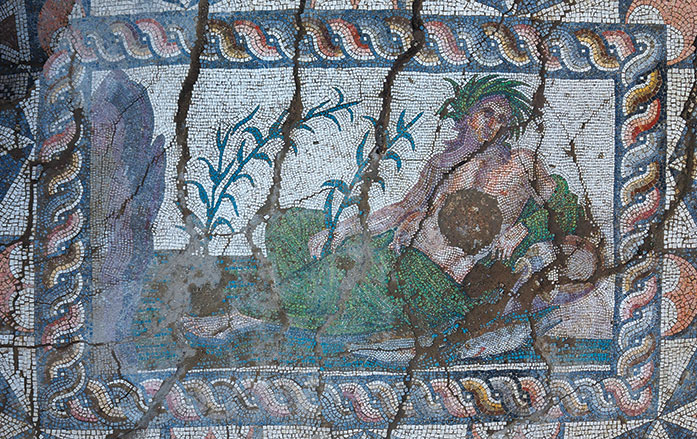
Reclining with the River God
Digs & Discoveries September/October 2025
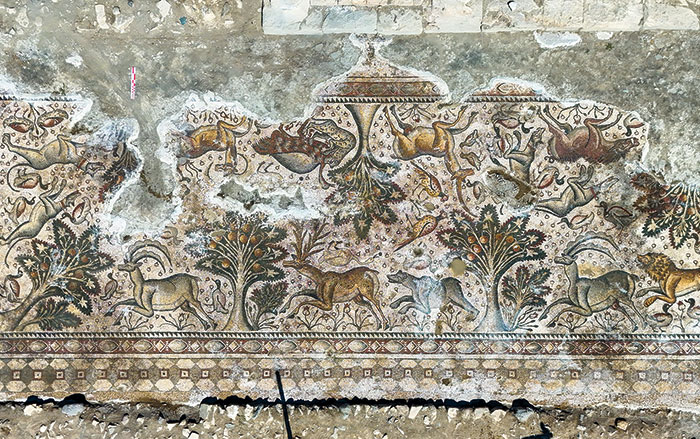
A Day at the Hunt
Digs & Discoveries November/December 2022
Reduce, Reuse, Recyle
Digs & Discoveries May/June 2020
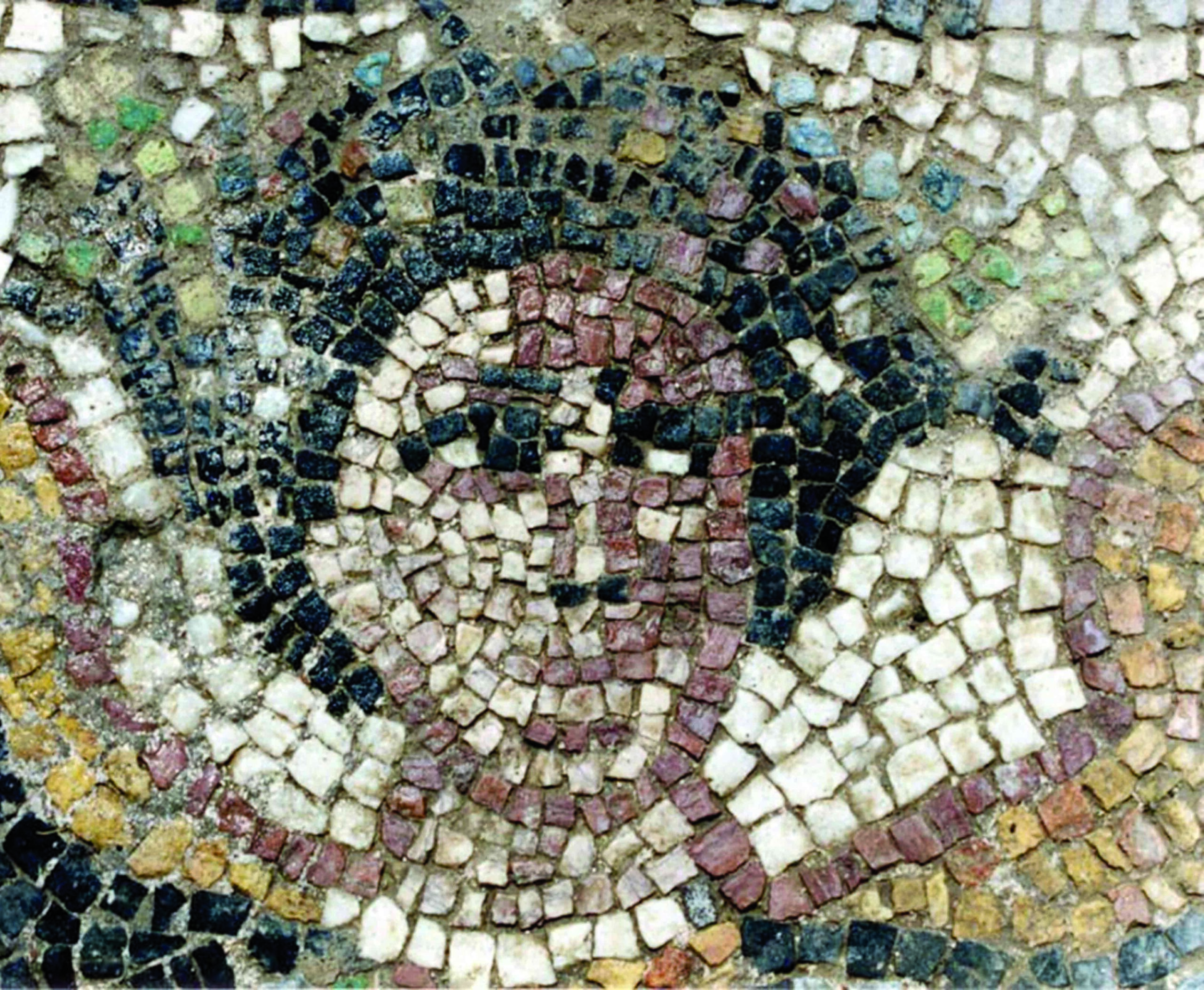
Polychrome Patchwork

More to Discover
-
Features September/October 2026
A Change in Fashion
Hoards of lavish gold and silver neck rings buried on an English hill reflect dramatic social change
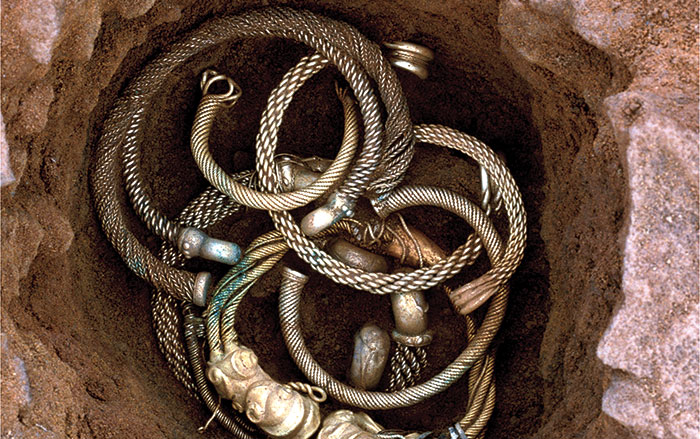 Photo © 2026 The Trustees of the British Museum
-
Features September/October 2026
Cultivating Fields of Stone
Peru’s ancient farmers used intricate rock maps to plan for the future
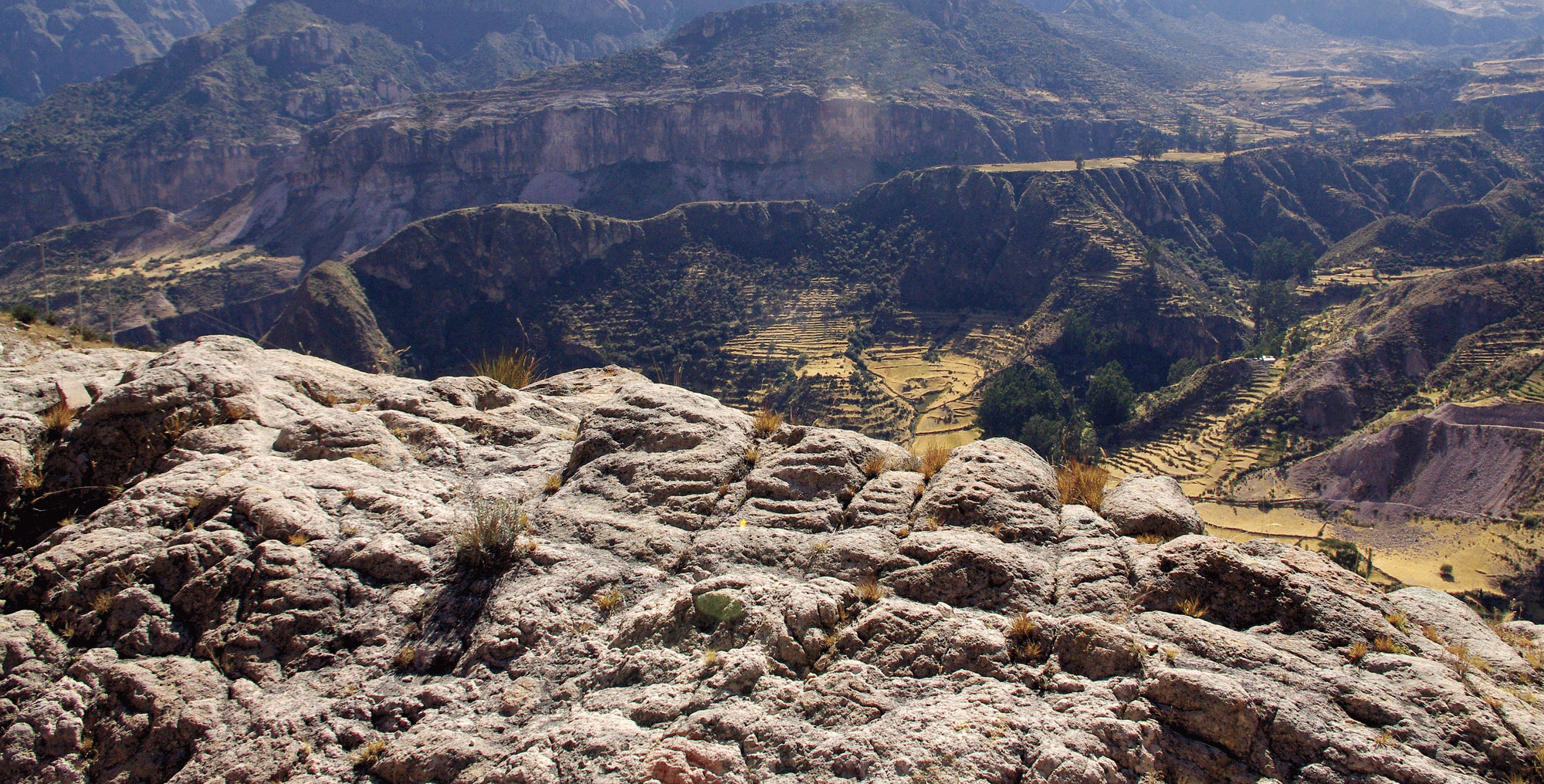 Courtesy Patricia Aparicio Martínez
-
Features September/October 2026
Where Was Ancient Egypt Born?
Archaeologists are reimagining a time before the first pharaohs
 Courtesy Robert Słaboński/Tell el-Farkha Expedition
-
Features September/October 2026
2,000 Years Under the Sea
The story of Greece’s famed Antikythera wreck is finally being revealed
 © ESAG/UNIGE