

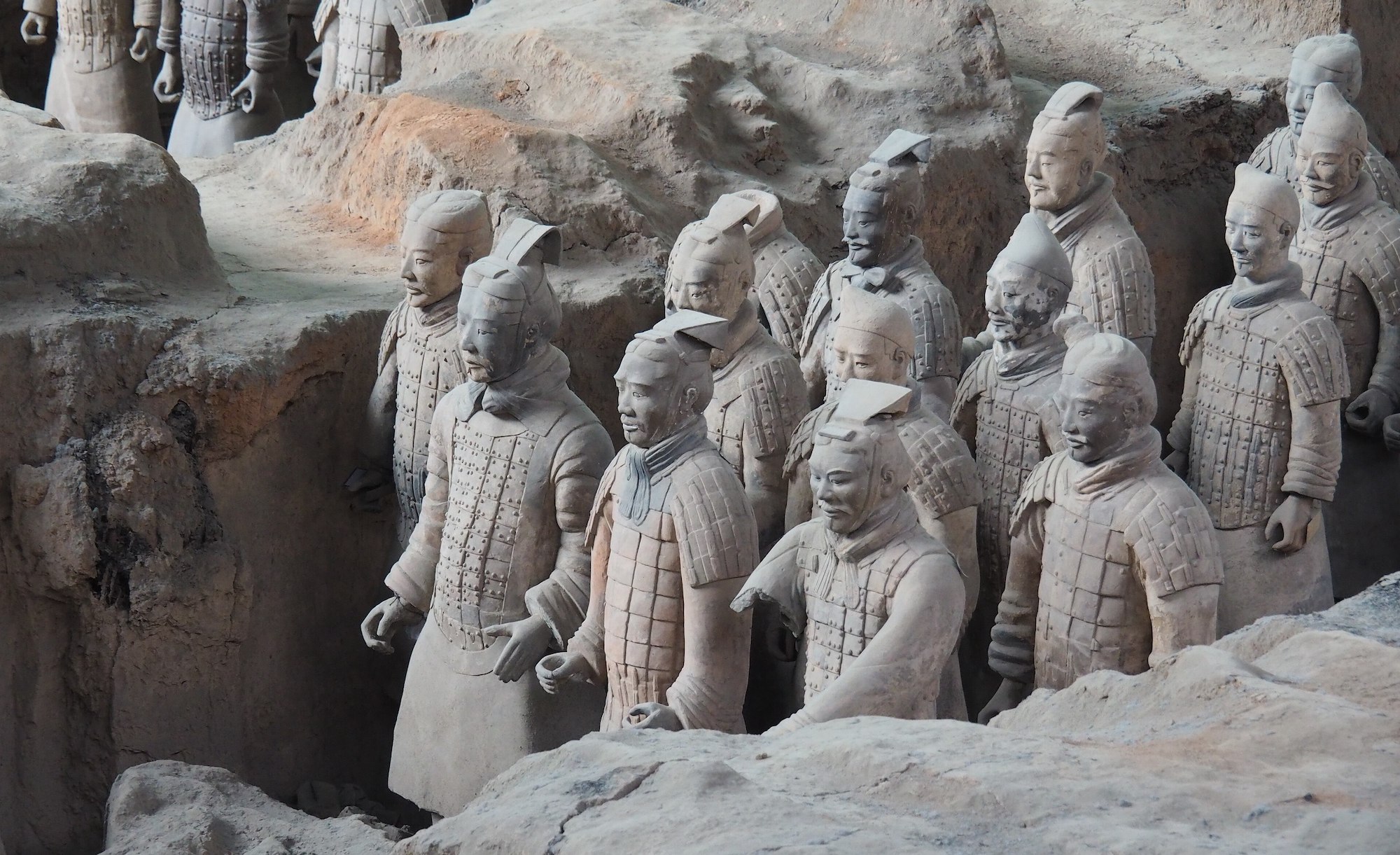
XI’AN, CHINA—Science Alert reports that an analysis of fingerprints preserved in the clay of a sample of soldiers from the Terracotta Army suggests that men, women, and children contributed to the work of assembling the sculptures. Discovered in 1974 by farmers digging a well about a mile away from the 2,200-year-old tomb of China’s Emperor Qin Shihuangdi, the Terracotta Army is made up of approximately 8,000 soldier statues bearing a wide variety of faces, hairstyles, and armor. Thirty-six warrior statues recovered from the same pit were surveyed for the study, and a total of 91 fingerprints were identified on them. Twelve of these prints were excluded because they seemed to come from individuals who left multiple prints. Of the 79 remaining fingerprints, 73 were left behind during the process of molding, shaping, and assembling the statues. Most of these prints were found on the warriors’ heads and arms. The other six fingerprints were left behind during the decorating process, and were found on nails and waistbands of the soldiers’ armor. The distances between the ridges of fingerprints can be used as clues to the age and sex of the person, and so a mathematical model was used to estimate who might have worked on these 36 statues. About 45 percent of the prints are thought to have belonged to men, 32 percent to women, and about 22 percent to children under the age of 15. The teens may have been working as apprentices, as described in Qin Dynasty records. “These findings challenge the long-held assumption that Terracotta Army production relied exclusively on adult male labor,” said Xiaoxi Li of the Emperor Qin Shihuang Mausoleum Site Museum. To read about a recently discovered member of the Terracotta Army, go to “Around the World: China.”
Who Crafted China’s Terracotta Army?
News October 23, 2026
Recommended Articles
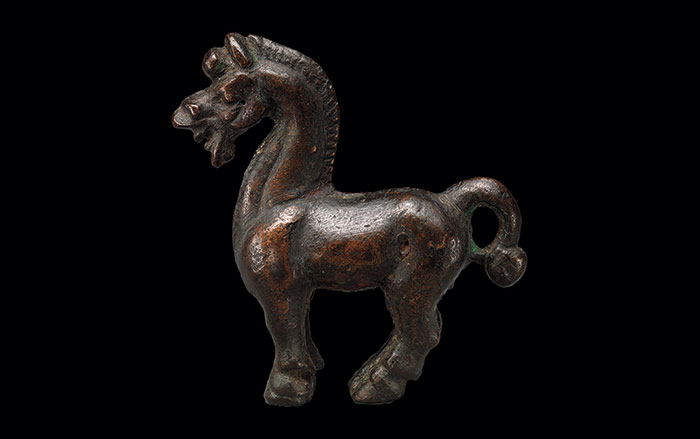
The Story of the Horse July/August 2015
Riding into the Afterlife

Features November/December 2026
Unearthing the Outlanders
New discoveries challenge ancient prophecies about the peoples living on China’s borders three millennia ago
Digs & Discoveries July/August 2026
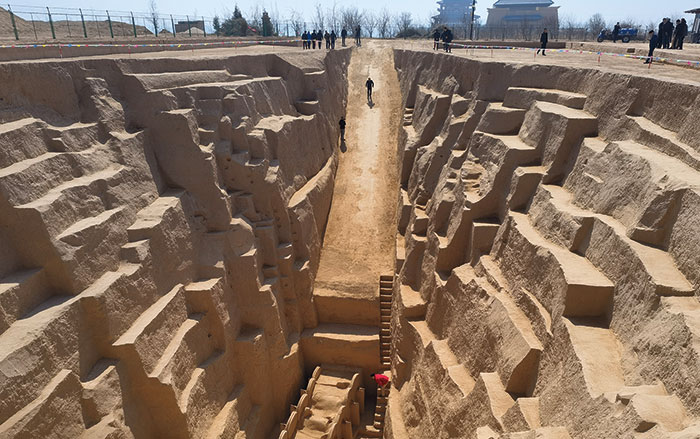
Ancient China’s “Pony Express”
Han Dynasty postal horses had hard lives but evocative names—meet Wandering Hawk, Podgy and Lumpy, and Mr. Red Horse
Digs & Discoveries July/August 2026
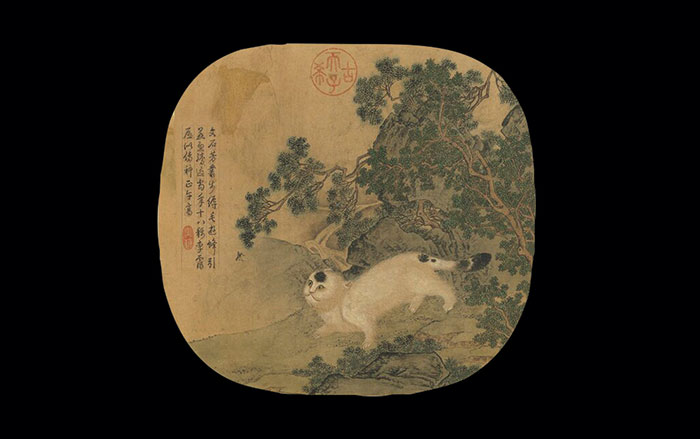
Cat Trails
More to Discover
-
Features September/October 2026
A Change in Fashion
Hoards of lavish gold and silver neck rings buried on an English hill reflect dramatic social change
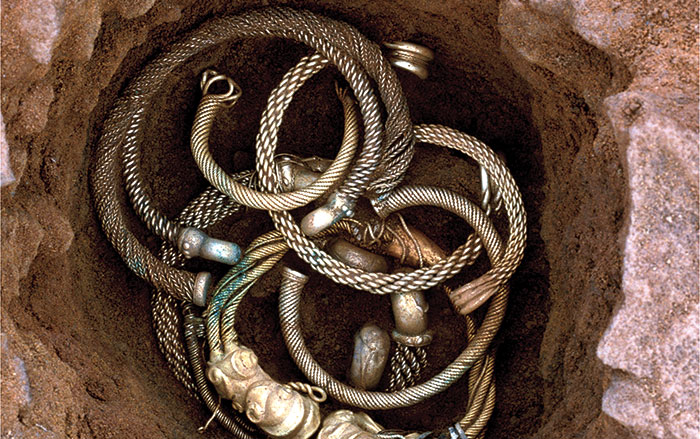 Photo © 2026 The Trustees of the British Museum
-
Features September/October 2026
Cultivating Fields of Stone
Peru’s ancient farmers used intricate rock maps to plan for the future
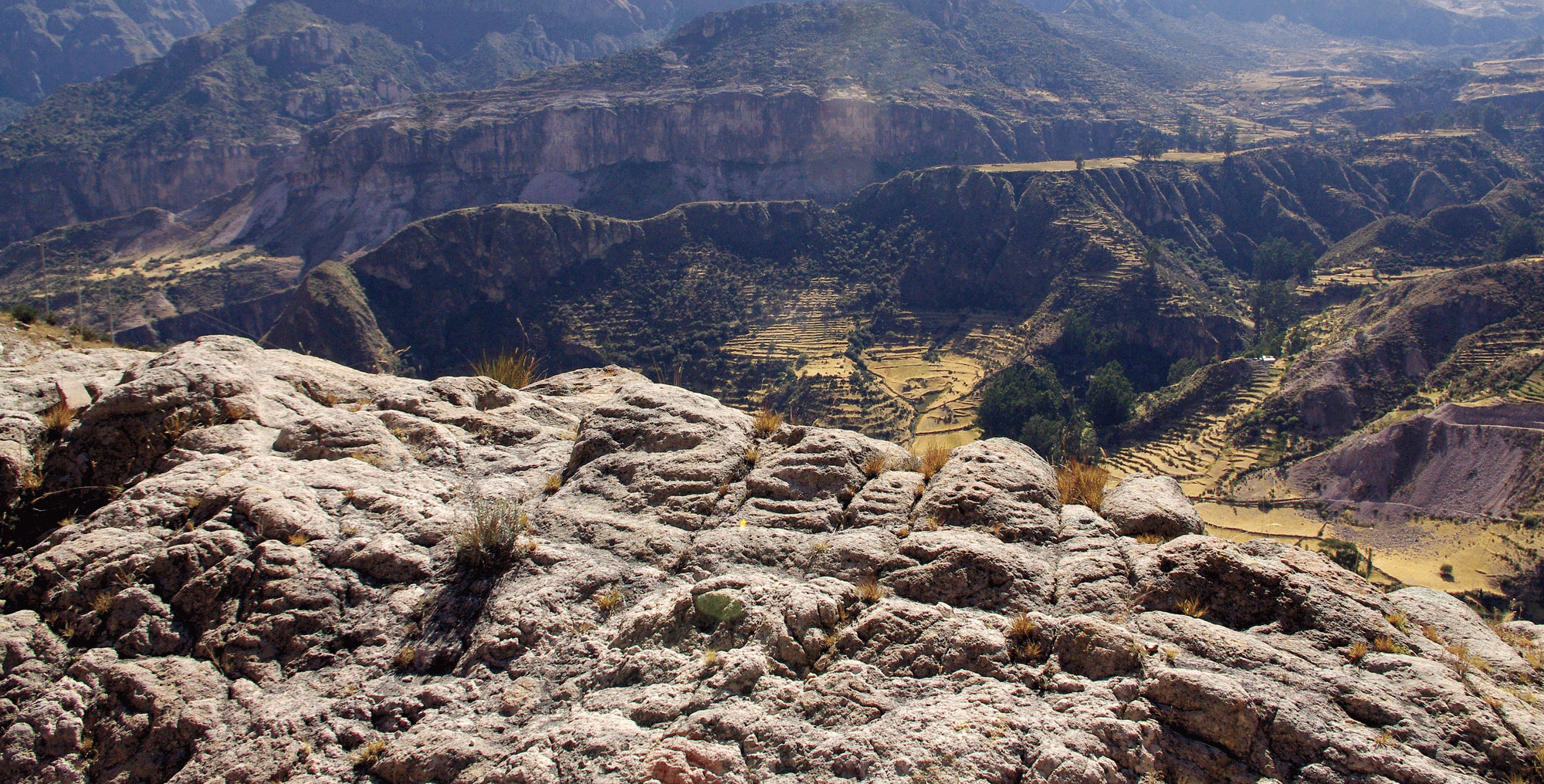 Courtesy Patricia Aparicio Martínez
-
Features September/October 2026
Where Was Ancient Egypt Born?
Archaeologists are reimagining a time before the first pharaohs
 Courtesy Robert Słaboński/Tell el-Farkha Expedition
-
Features September/October 2026
2,000 Years Under the Sea
The story of Greece’s famed Antikythera wreck is finally being revealed
 © ESAG/UNIGE