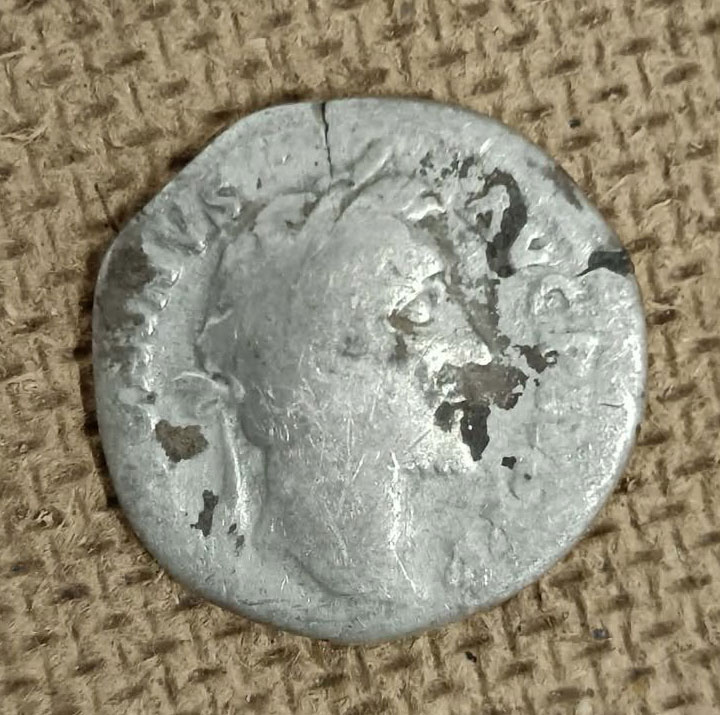
Roman Coins Recovered in Hungary

News October 30, 2026

Roman silver coins
Rippl-Rónai Museum
SHARE:

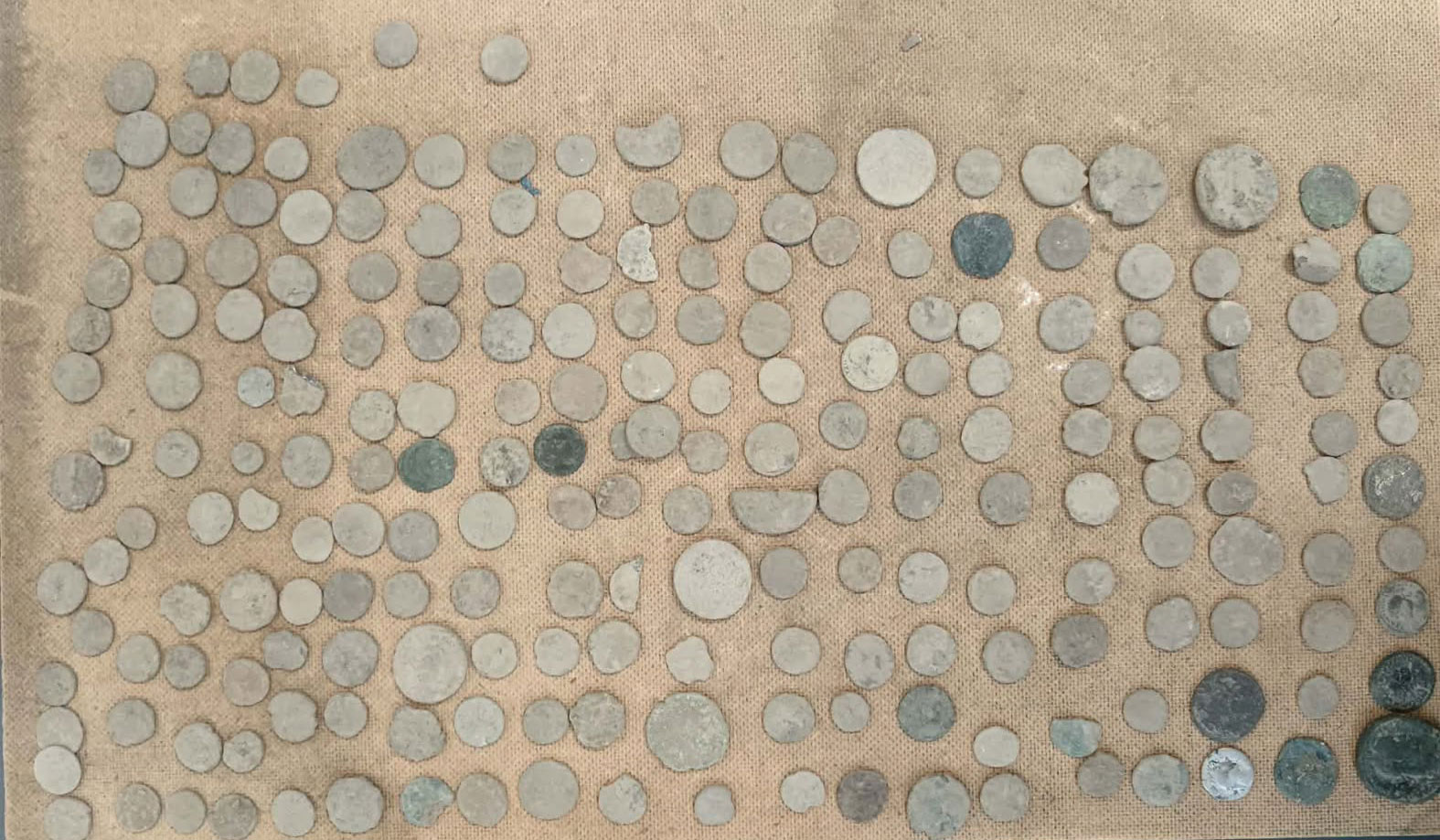
SOMOGY COUNTY, HUNGARY—More than 700 coins were discovered at three sites near the Drava River in southwestern Hungary by archaeologists from the Rippl-Rónai Museum, Hungary Today reports. Most of the coins have been dated to the rule of the emperor Constantine (A.D. 307–337), but silver coins dating to the reigns of the emperors Antoninus Pius (A.D. 138–161), Severus Alexander (A.D. 222–235), Aurelian (A.D. 270–275), and Probus (A.D. 276–282) have also been identified. One coin, known as a “consecration coin,” is thought to have been minted to mark the death of Claudius II (reigned A.D. 268–270) and his deification. Pottery, brooches, and fragments of a scale were also recovered. To read about a major building project undertaken by Antoninus Pius, go to “The Wall at the End of the Empire: The Other Wall.”
  • Features September/October 2026

    A Change in Fashion

    Hoards of lavish gold and silver neck rings buried on an English hill reflect dramatic social change

    Read Article
    Torc hoard
    Photo © 2026 The Trustees of the British Museum
  • Features September/October 2026

    Cultivating Fields of Stone

    Peru’s ancient farmers used intricate rock maps to plan for the future

    Read Article
    Courtesy Patricia Aparicio Martínez
  • Features September/October 2026

    Where Was Ancient Egypt Born?

    Archaeologists are reimagining a time before the first pharaohs

    Read Article
    Courtesy Robert Słaboński/Tell el-Farkha Expedition
  • Features September/October 2026

    2,000 Years Under the Sea

    The story of Greece’s famed Antikythera wreck is finally being revealed

    Read Article
    © ESAG/UNIGE