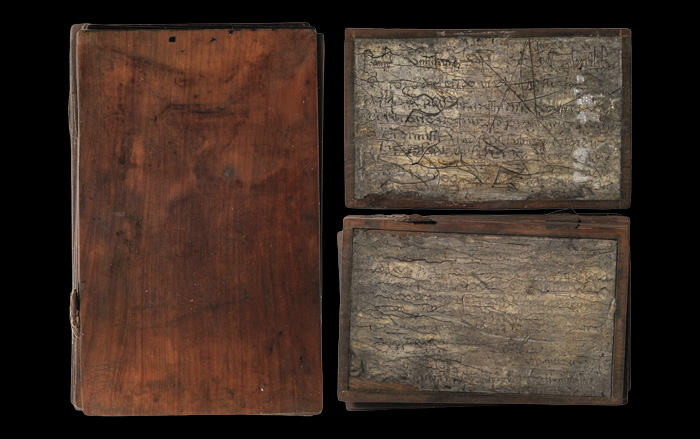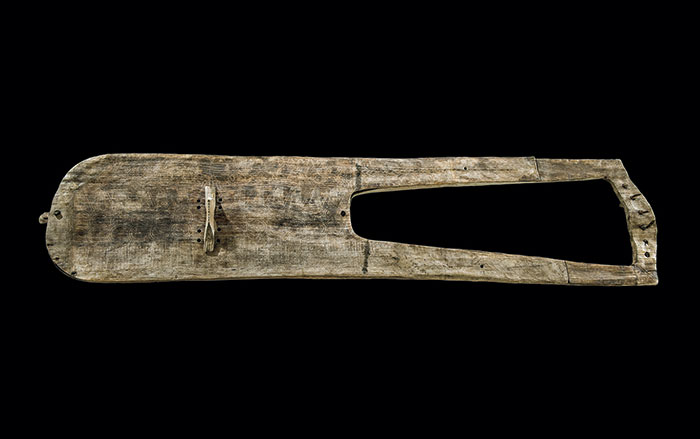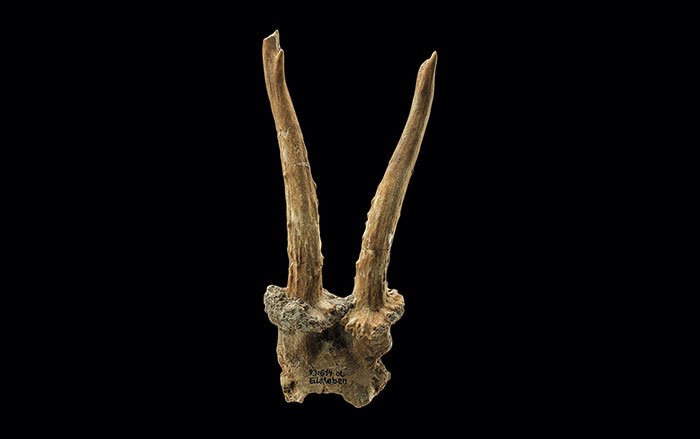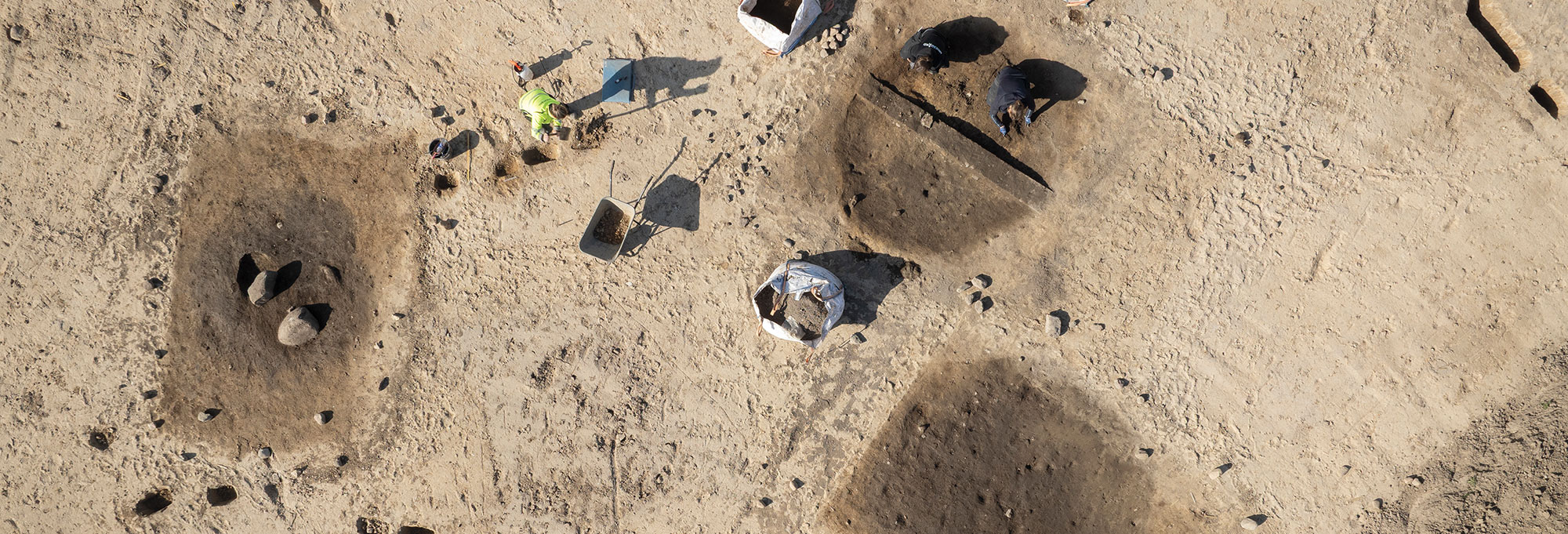

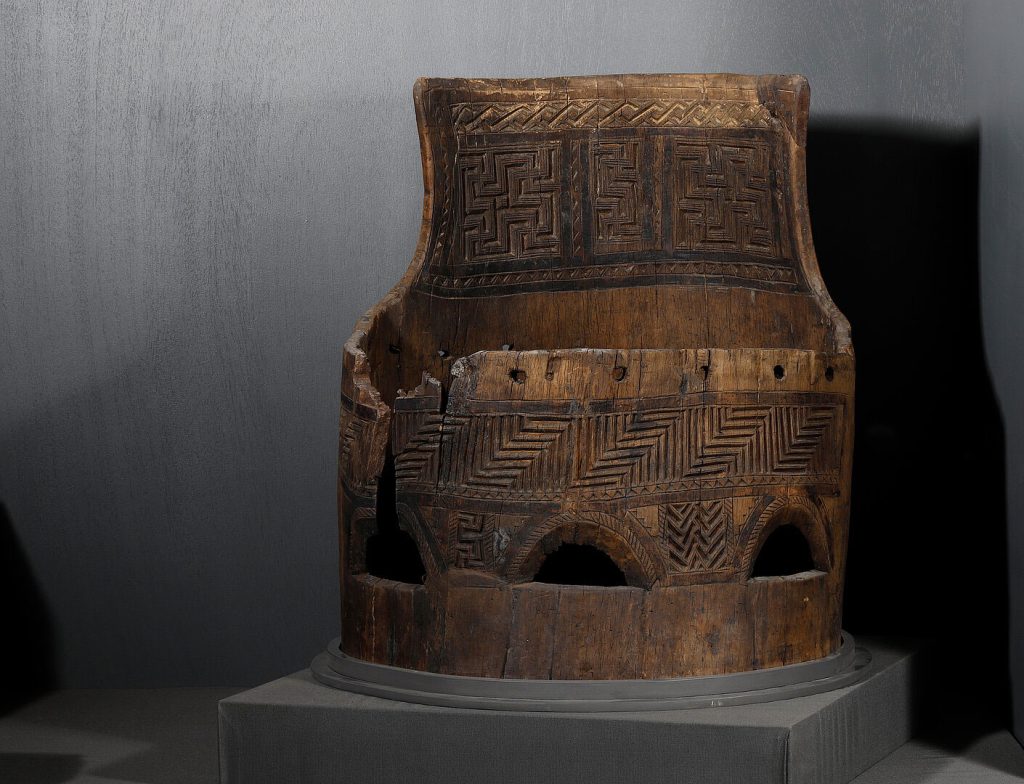
CUXHAVEN GERMANY—According to a statement released by Kiel University, researchers from the Institute of Clinical Molecular Biology (IKMB) at Christian-Albrechts-University and the Lower Saxony Institute for Historical Coastal Research analyzed the remains of a man who was interred in a boat in the fifth century A.D. at the Fallward burial ground, which is located near Germany’s North Sea coast and the mouth of the Elbe River. The boat also contained items made of wood, pottery, and metal that were preserved in the site’s damp soil. These items include a chair carved from the trunk of an alder tree and a late Roman military belt, suggesting that the man had come from a far-flung location. “Genetic analyses confirm that a man buried at Fallward originated from the Danube region,” said Daniel Myburgh of IKMB. The man was also found to have had ties to southeastern Europe and the Mediterranean. “He was also infected with a very rare leprosy pathogen. He is the first individual from the group to have been identified in Europe,” Myburgh continued. This form of leprosy is known to have been present in Egypt between the fourth and second centuries B.C., but it had not yet been detected in Central or Northern Europe. “Leprosy is a chronic disease,” said Almut Nebel of IKMB. “It can take years for clear symptoms to appear. The man had not yet suffered any bone damage. Either he was affected by an asymptomatic form of the disease, or the disease had so far only affected soft tissues,” he added. The researchers concluded that the man may have been a mercenary in the Roman army who settled by the North Sea, or a trader who traveled long distances. Read the original scholarly article about this research in iScience. To read about a lyre discovered in a sixth-century A.D. grave in southwestern Germany, go to “The Music of Time: Medieval Warrior Troubadours.”