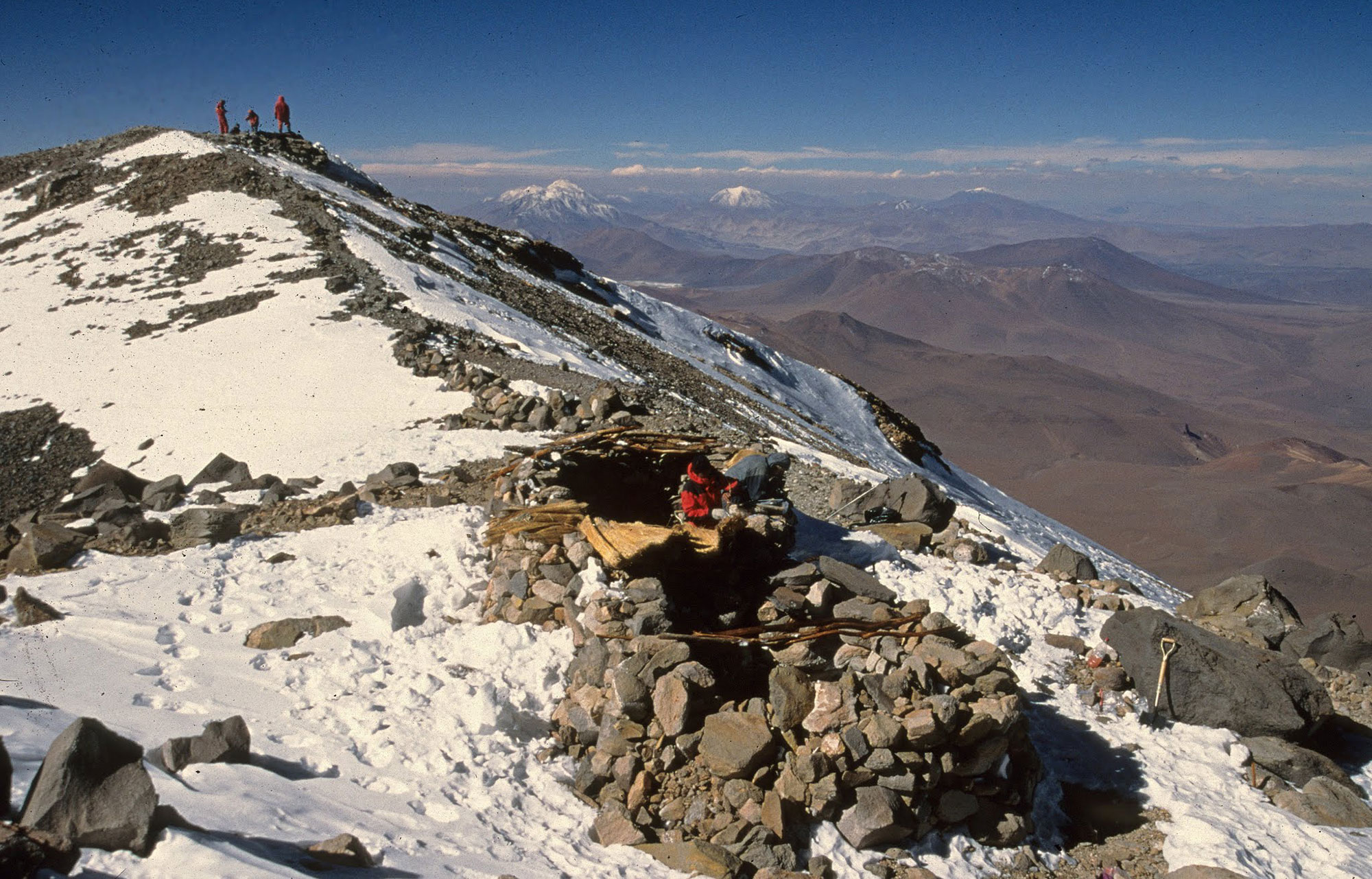
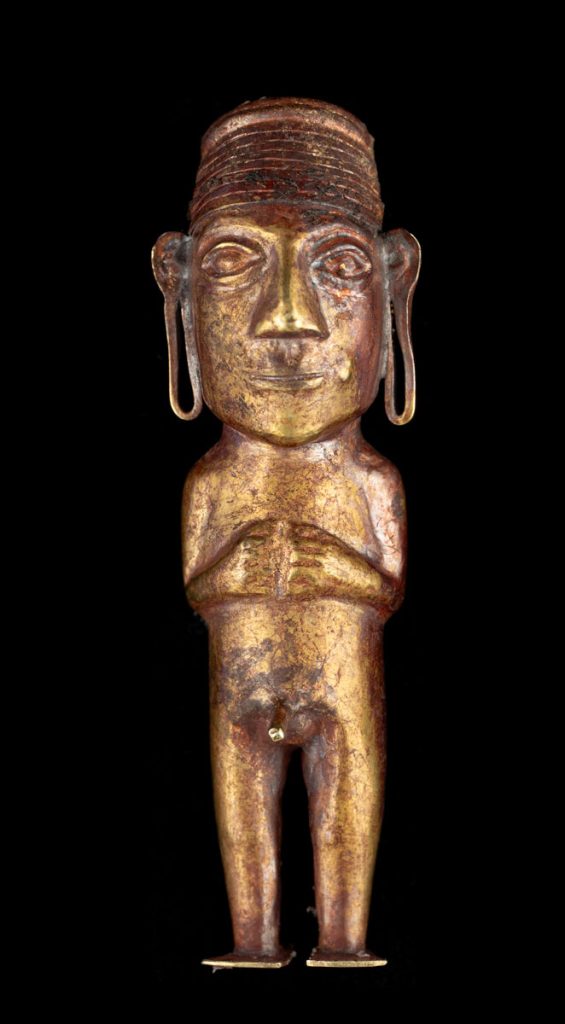
ANDES MOUNTAINS, SOUTH AMERICA—The capacocha was one of the most sacred religious rituals in the Inca Empire. During the ceremony, young children were sacrificed, often at mountain shrines high in the Andes Mountains, to mark significant events or to appease the gods in times of natural disaster. According to a Science Alert report, those chosen children were plied with a variety of different drugs in the months and weeks leading up to their sacrifice. A research team led by University of Warsaw archaeologist Dogmara Socha conducted toxicological analysis on hair and nail samples from eight young mummified victims buried at sites in Peru and Argentina around 500 years ago. Traces of cocaine were detected in all the samples, suggesting that the individuals likely chewed on coca leaves prior to their deaths. This may have been a way to suppress hunger and fatigue, and to help the children endure the arduous journey up the mountains. Some victims were given alcohol, likely in the form of a maize beer known as chicha. One 14-year-old girl, dubbed the Ampato Maiden, tested positive for harmine, a psychoactive compound found in plants and used in the preparation of ayahuasca. “What surprised me most was the diversity of the results,” said Socha. “Although coca consumption appears to have been common, we found considerable differences in the use of other substances. This suggests that the preparation of children was much more complex and varied than we previously thought.” Read the original scholarly article about this research in Antiquity. For more on uses of coca in ancient Peru, go to “Earliest Ayahuasca Trip.”