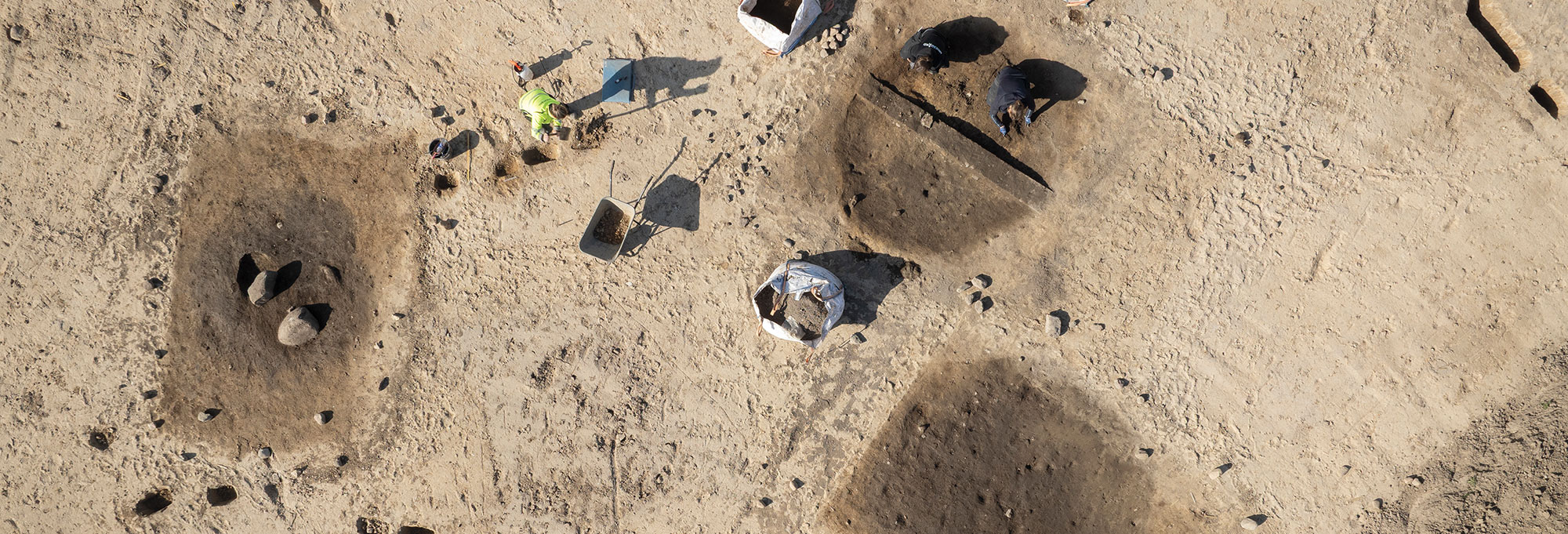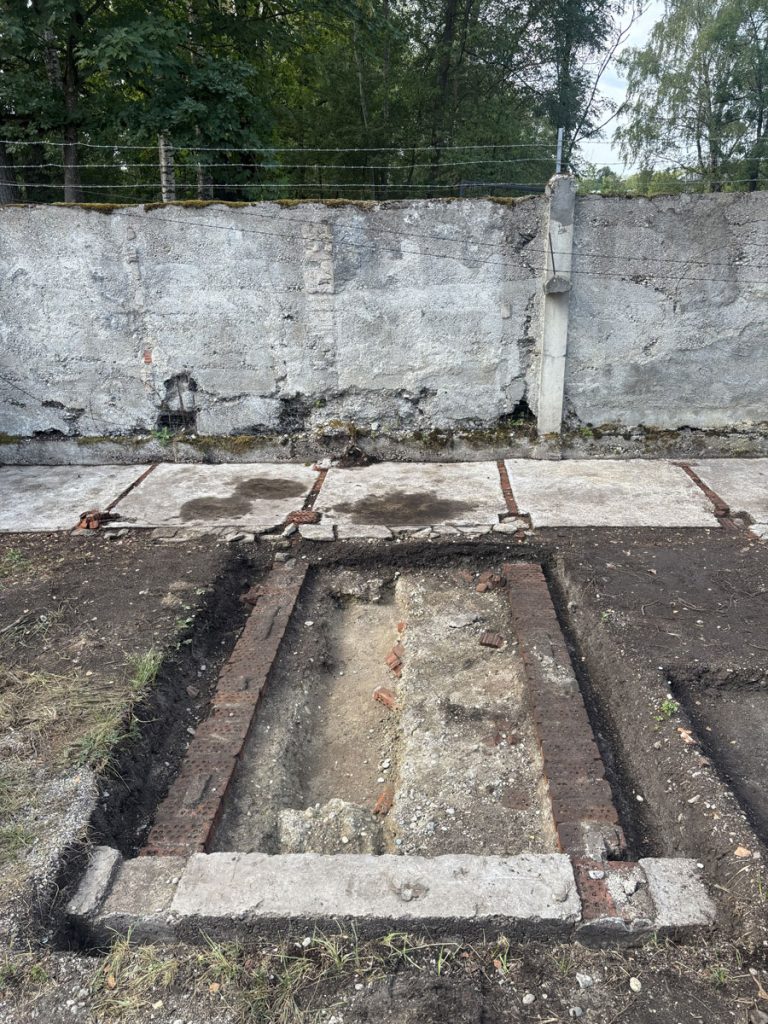
DACHAU, GERMANY—Human bone fragments were found in a layer of ash at the site of the Dachau concentration camp in southern Germany, according to a Daily Express report. More than 200,000 people, including Jews, political opponents, priests, and resistance fighters, were imprisoned at Dachau during a 12-year period. The ashes were uncovered during an excavation of a well-preserved facility near the crematorium where Nazi Schutzstaffel (SS) units trained dogs to terrorize and attack prisoners. Thirty-five kennels were also uncovered at the site. The dogs were used to round up prisoners attempting to escape the camp, and to accompany forced labor details made up of malnourished inmates. “The crematorium area and the dog-handler area formed a closely connected functional unit as places of terror,” said Gabriele Hammermann of the Dachau Concentration Camp Memorial Site. Archaeologists working at the site also found the crematorium’s administrative offices, where SS personnel kept records of the incineration and disposal of the bodies of more than 41,500 people who were killed there. Mathias Pfeil, chief heritage conservation officer at the Bavarian State Office for the Preservation of Monuments, said that the soil at the camp is “the last and incorruptible witness to Nazi crimes.” To read about artifacts left behind by Jews in Poland who the Nazis deported to camps, go to “Artifact: Torah Shield and Pointer.”