

VIENNA, AUSTRIA—Zooarchaeologist Wim Van Neer of the Royal Belgian Institute of Natural Sciences and his colleagues examined a collection of 131 ancient Egyptian cat skulls held at the Natural History Museum in Vienna, according to a ZME Science report. The skulls came from mummified felines removed in the nineteenth century from the cemetery site of Beni Hassan in central Egypt. Analysis revealed that 26 of the cats had periodontitis and 24 had missing teeth. Pitting was found on 35 of the skulls, while 19 had perforations in the eye sockets, consistent with infections or nutritional stress. Traumatic injuries such as fractures and puncture wounds were found on 14 of the skulls. Some of the wounds may have been caused by blows from a sharp metal implement or blunt force trauma, while some of the puncture wounds may have been inflicted by other cats, the researchers suggest. The wounds that show signs of healing may have been caused by punishments or fights between animals, they explained. Fatal wounds may have been inflicted as the first step in the mummification process, the researchers added. Van Neer and his colleagues conclude that the animals may have been kept in crowded conditions that contributed to this evidence of disease and violence. Read the original scholarly article about this research in the Journal of Archaeological Science. To read about tomb paintings from Beni Hassan, go to “Emblems for the Afterlife.”
Health of Mummified Egyptian Cats Evaluated
News November 13, 2026
Recommended Articles
Features March/April 2014
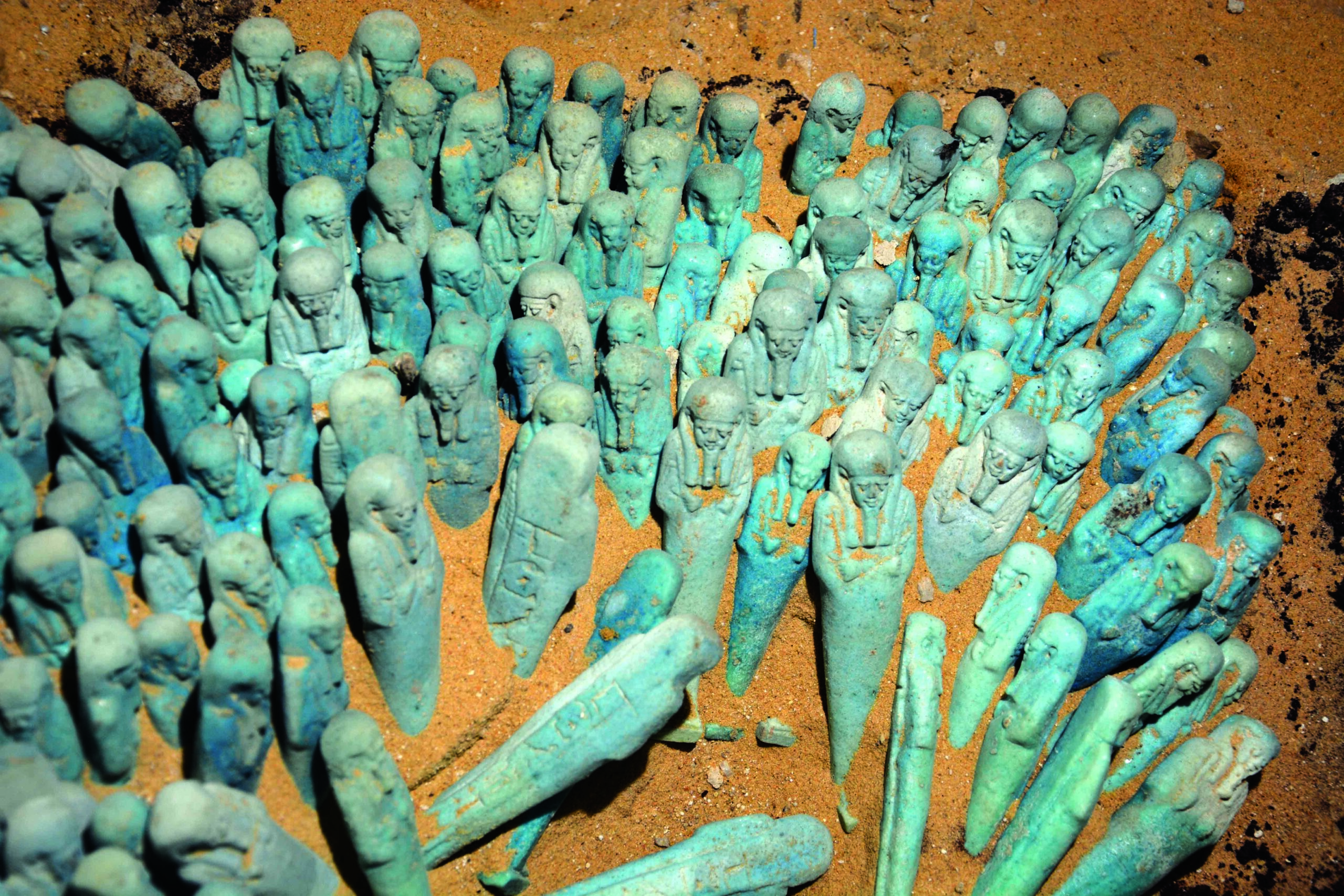
Messengers to the Gods
During a turbulent period in ancient Egypt, common people turned to animal mummies to petition the gods, inspiring the rise of a massive religious industry
Digs & Discoveries July/August 2013
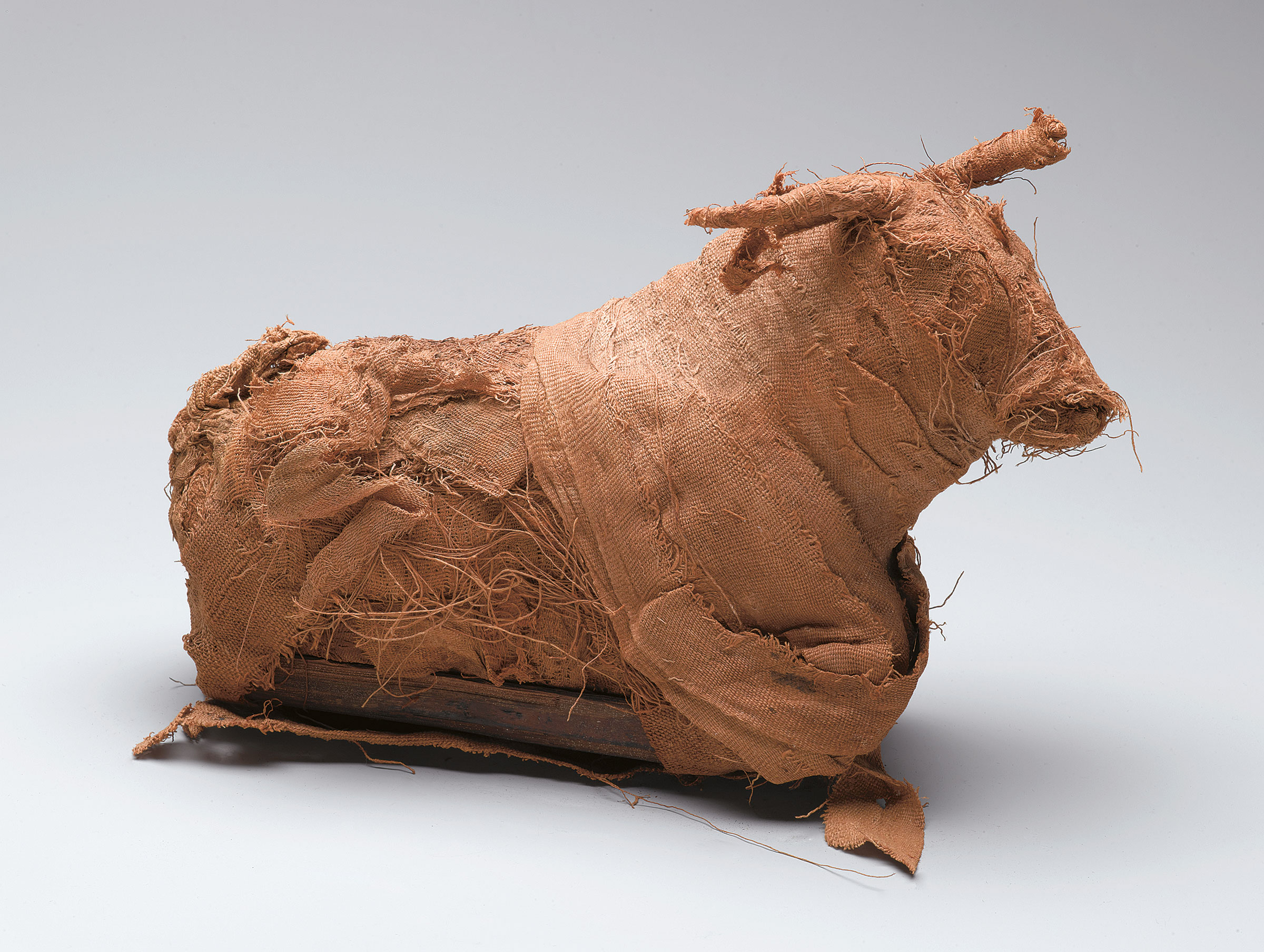
Did the “Father of History” Get It Wrong?
Artifacts May 1, 2011
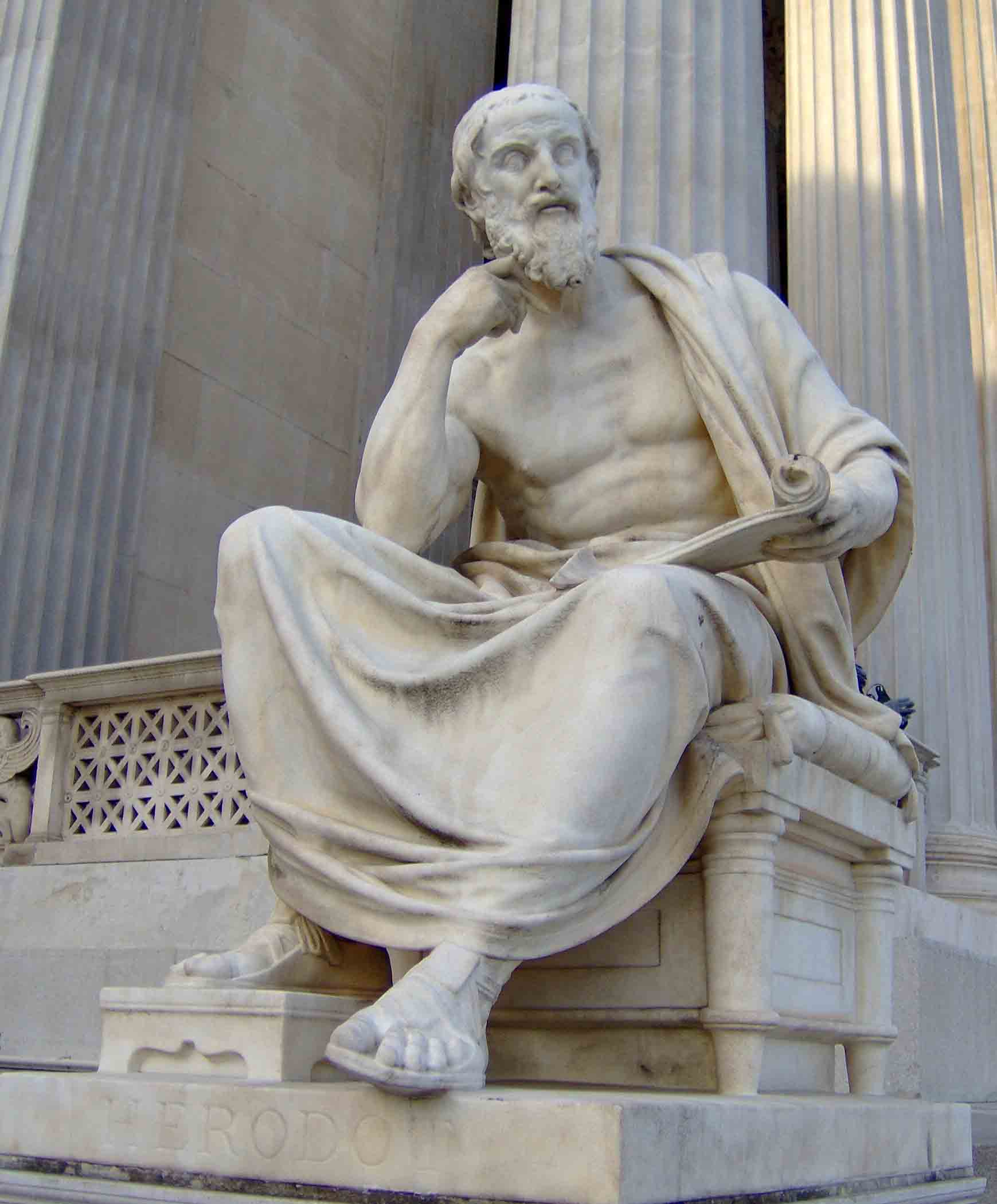
Egyptian Artificial Toe
Until now, an artificial leg made of bronze and wood and found buried with a Roman aristocrat in southern Italy dating to 300 b.c. was thought to be the first prosthesis. Finch's work suggests, however, that the Egyptians be credited with pioneering prosthetic medicine.
More to Discover
Features November/December 2026
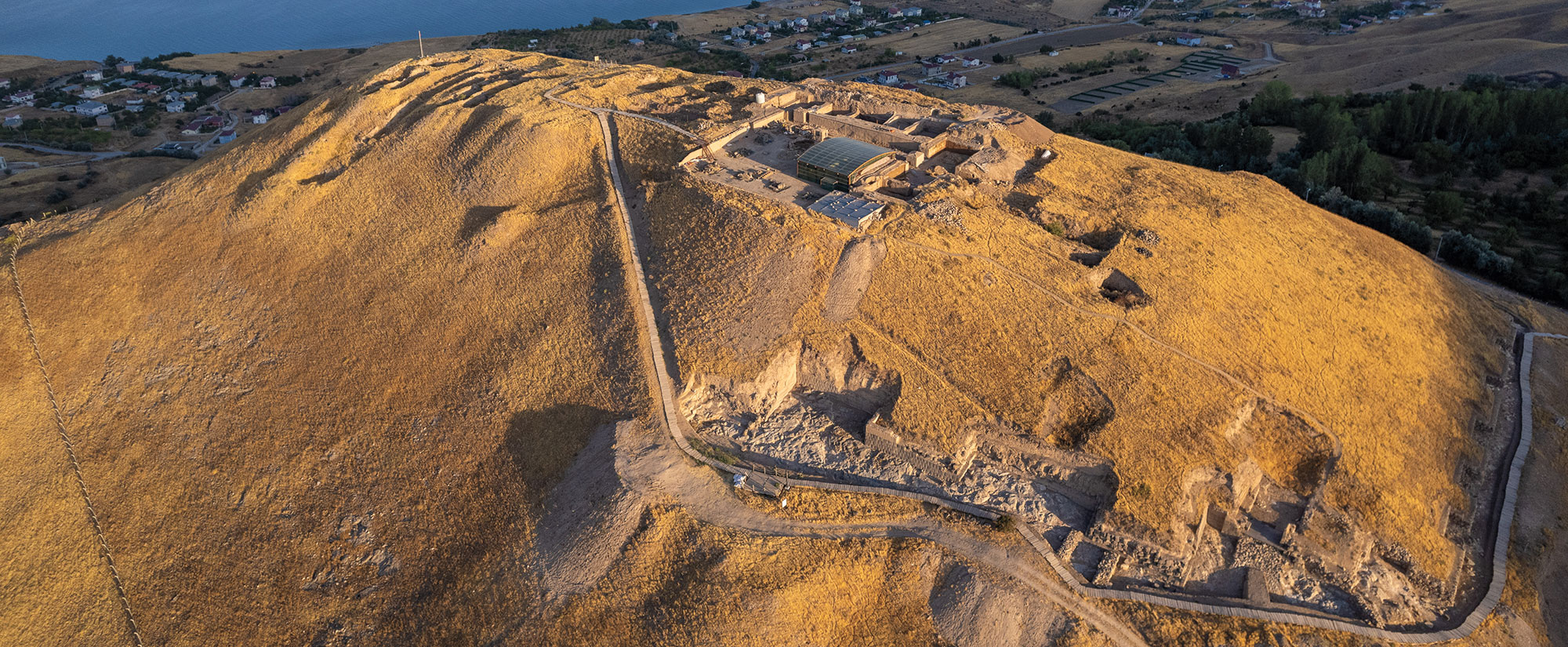
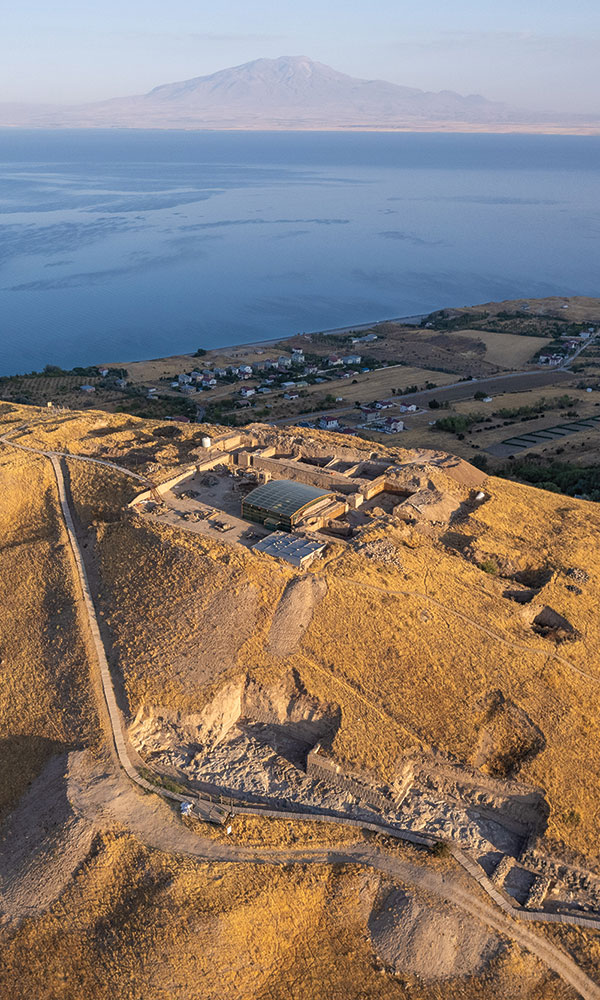
Kingdom of Fortresses
How diverse and far-flung Iron Age chiefdoms united to challenge the Assyrian Empire
-
Features November/December 2026
A Tomb of One’s Own
Life behind the scenes in Egypt’s Valley of the Kings
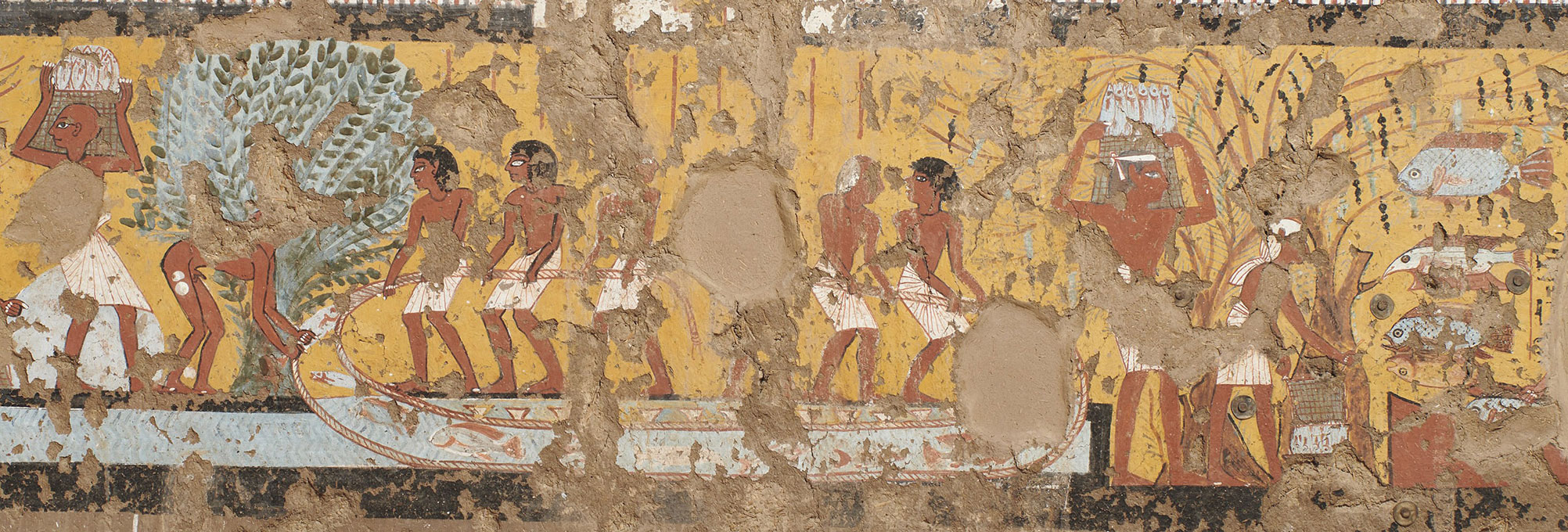 © Matjaz Kacicnik/Project TT 217–The Tomb of the Sculptor Ipuy in Context (JGU Mainz, IFAO Cairo)
-
Features November/December 2026
Outfitting Viking Voyagers
In Denmark, archaeologists have discovered a massive factory that equipped an innovative fleet
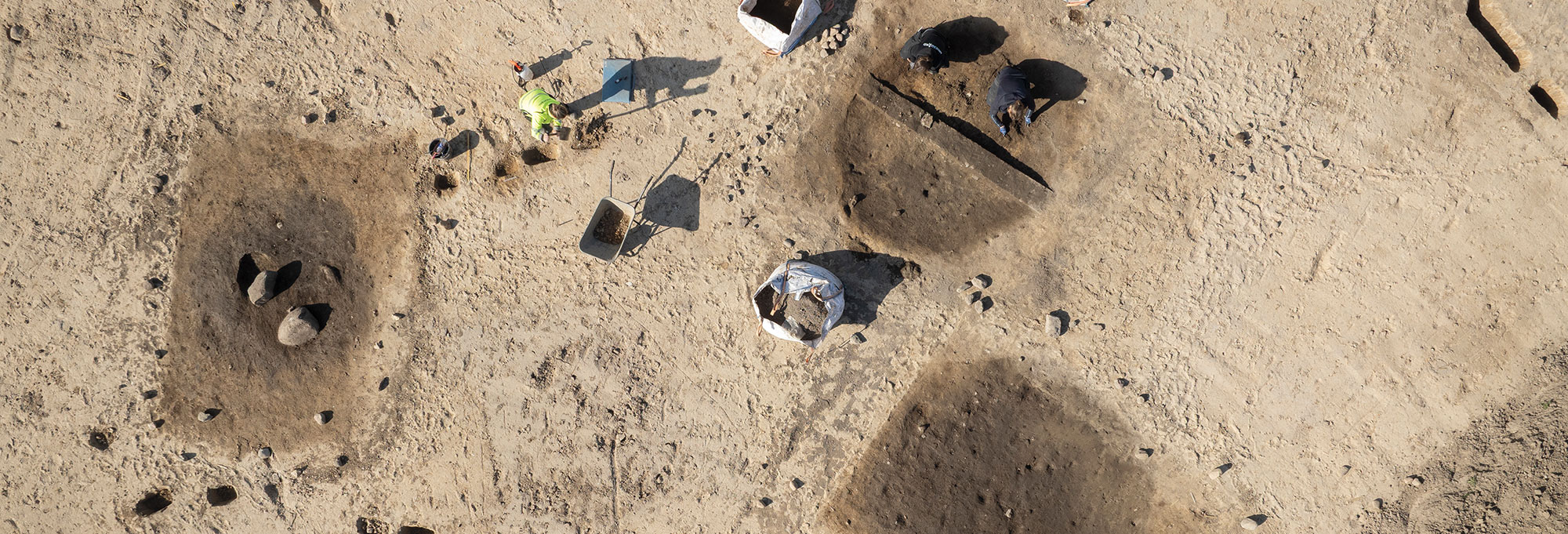 Moesgaard Museum
-
Features November/December 2026
Stone Age Stargazers
Did artists 12,000 years ago illuminate a cave in Tajikistan with their vision of the Milky Way?
 ˝© Nodir Tursun-Zade
-
Features November/December 2026
Unearthing the Outlanders
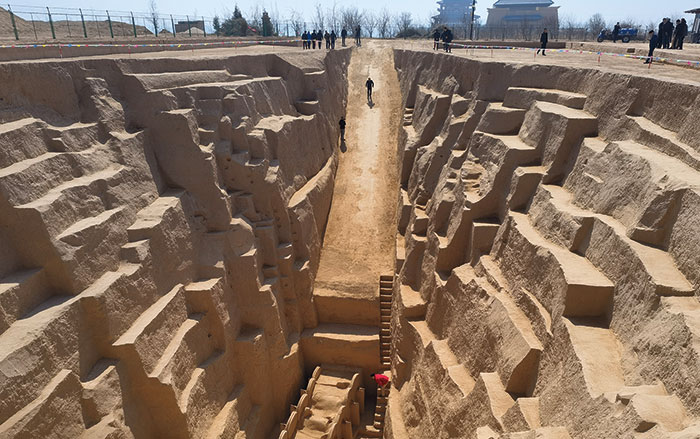
New discoveries challenge ancient prophecies about the peoples living on China’s borders three millennia ago
 Courtesy Shaanxi Provincial Institute of Archaeology