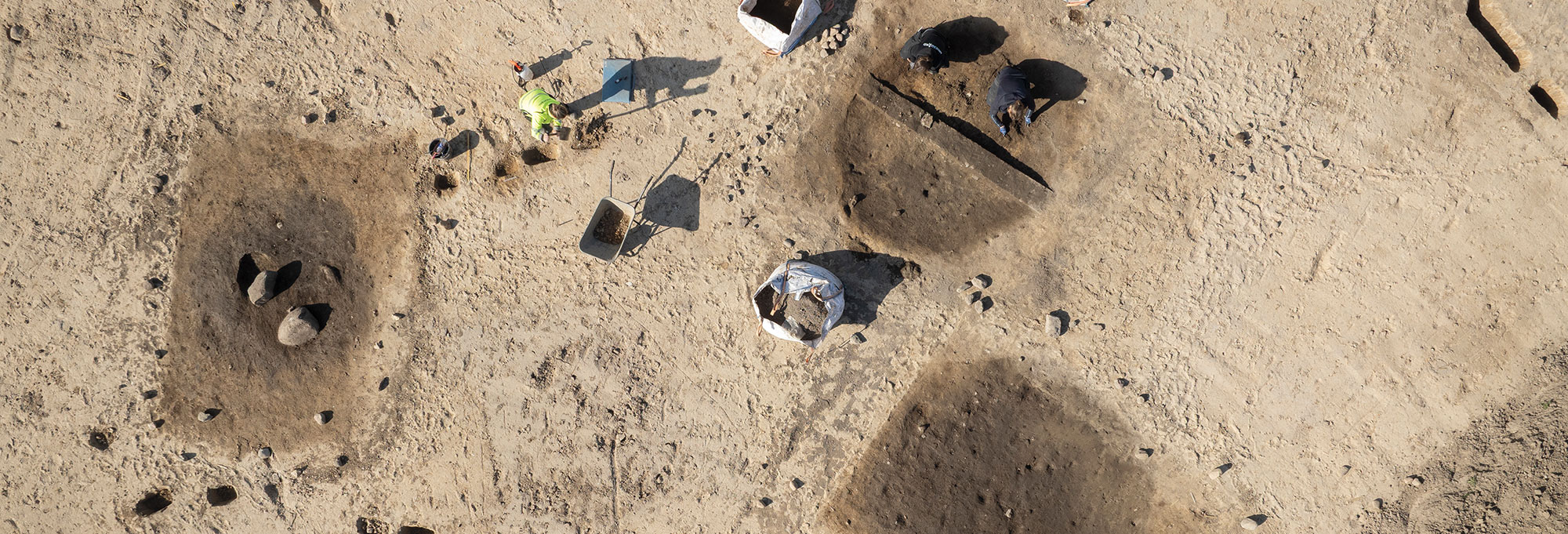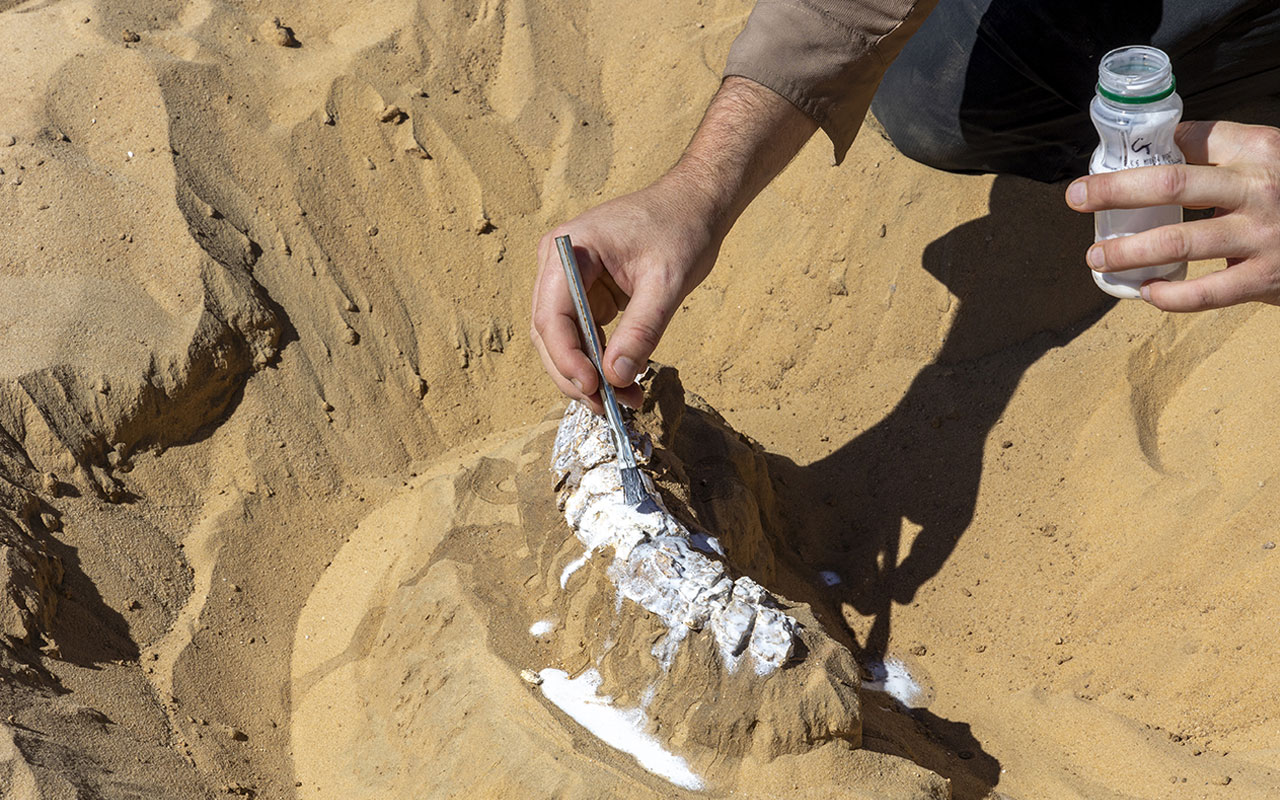
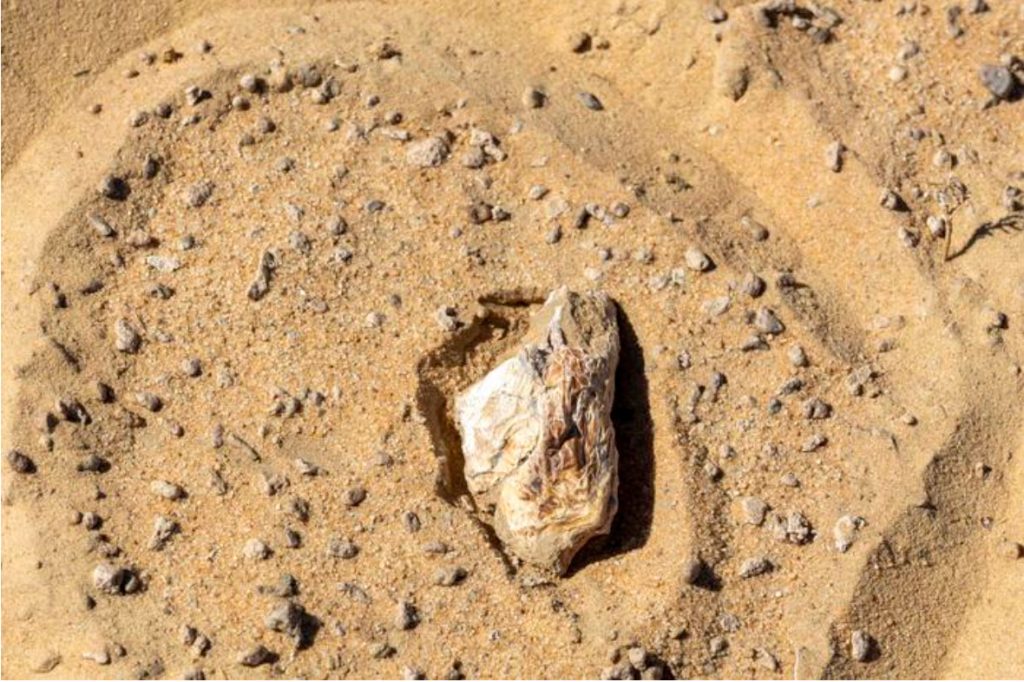
QUEENSLAND, AUSTRALIA—According to a Gizmodo report, people living at Uruq Aljelibah, a 125,000-year-old site in Saudi Arabia, may have poisoned their stone points. An excavation conducted by Chris Clarkson of Griffith University, in collaboration with King Abdullah University of Science and Technology and the Saudi Heritage Commission, has uncovered more than 5,000 artifacts and fossils of hippopotamuses, buffalos, camels, gazelles, and oryx on the shores of what had been a large freshwater lake. Organic residues have survived on the sophisticated stone-tipped weapons, and show that these people used adhesives, plant-fiber technologies, and perhaps plant poisons to make hunting more effective, Clarson explained. “It gives us an unusually detailed picture of early human life in what is now one of the driest regions on Earth,” he added. The study also suggests that some of the early humans who migrated out of Africa stayed in “Green Arabia,” while other moved on into Asia. To read about life-size reliefs dating to the sixth millennium B.C. in northern Saudi Arabia, go to “Oldest Animal Art,” one of ARCHAEOLOGY’s Top 10 Discoveries of 2021.