

COPENHAGEN, DENMARK—According to a statement released by the University of Copenhagen, Mikkel Nørtoft of the University of Copenhagen has developed a system using multiple sources of information to reconstruct social status from grave goods. To test the method, data from some 300 Corded Ware culture graves in Bohemia dated to between 4,000 and 5,000 years ago was evaluated. The analyses of the graves were then compared with genetic ancestry and Y-chromosome patterns to track paternal lineages. The estimated ages of the individuals in the study, and their sex and known illnesses, were included as well. The study suggests that social inequality emerged over several centuries after people from the steppe migrated into Bohemia. At first, differences in wealth appear to have been small, mostly age-related, and distributed across different lineages. “Archaeologists have long debated whether steppe populations migrating across Europe from Ukraine brought with them a highly unequal social system and patriarchy,” Nørtoft said. “Achieving status through life actions appears to have been more important than through inheritance, at least during the first 400 years,” he explained. After a new lineage appeared, between about 2700 and 2500 B.C., signs of wealth and gender inequality increased, and adult men had more richly furnished graves. “In the final phase, roughly 2500 to 2300 B.C., we see a few rich displays of family wealth through children, and the previously new lineage now dominated the burial record,” Nørtoft said. These changes could be a sign of inherited wealth and growing social competition, he added. “We now have a correlation between changing Y-haplogroup lineages and unequal burial wealth display in one region, but we need more DNA data to confirm this at the family level, and elsewhere,” he concluded. Read the original scholarly article about this research in the Journal of Neolithic Archaeology. To read about particular kinds of artifacts in Corded Ware burials that signified wealth, go to “Canine Couture.”
Wealth and Status of Early Herders Evaluated
News November 18, 2026
Recommended Articles
Off the Grid November/December 2026
San Agustín, Colombia
Archaeologists are finally deciphering the mystery megaliths of a vanished Andean people

Letter from Cape Canaveral November/December 2026
Dawn of the Space Age
Archaeologists have made surprising discoveries spanning 3,000 years at the birthplace of American space exploration

Features November/December 2026
Kingdom of Fortresses
How diverse and far-flung Iron Age chiefdoms united to challenge the Assyrian Empire

Features November/December 2026
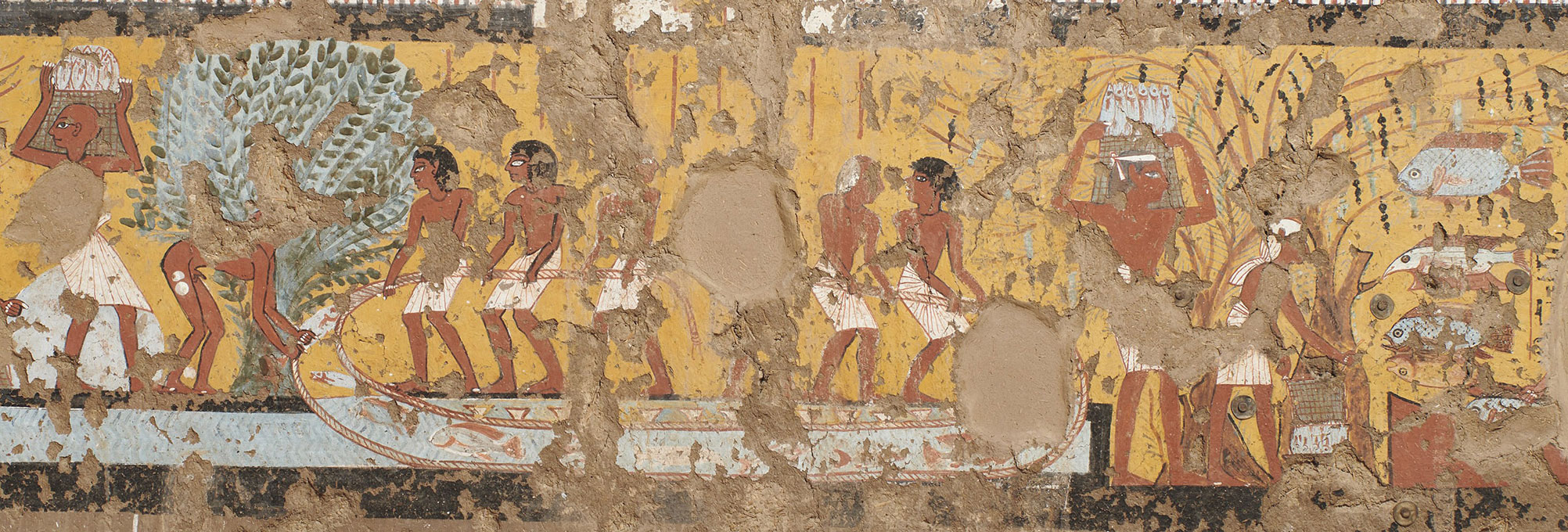
A Tomb of One’s Own
Life behind the scenes in Egypt’s Valley of the Kings
More to Discover
Features November/December 2026
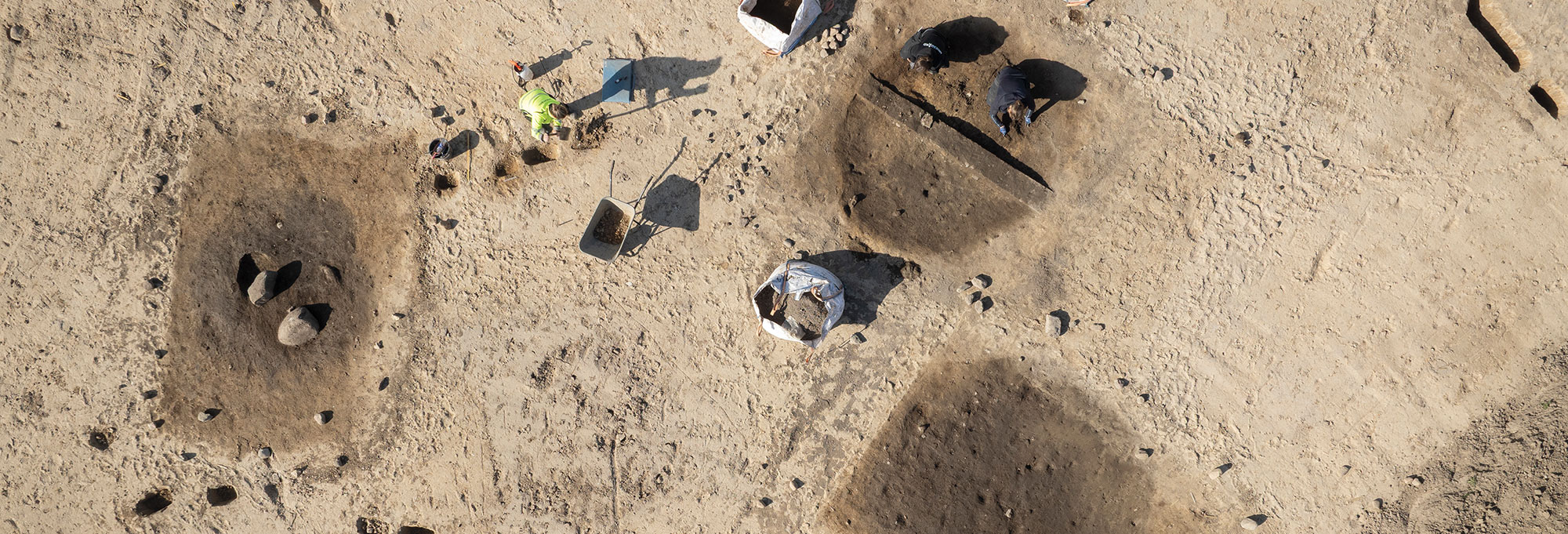
Outfitting Viking Voyagers
In Denmark, archaeologists have discovered a massive factory that equipped an innovative fleet
-
Features November/December 2026
Stone Age Stargazers
Did artists 12,000 years ago illuminate a cave in Tajikistan with their vision of the Milky Way?
 ˝© Nodir Tursun-Zade
-
Features November/December 2026
Unearthing the Outlanders
New discoveries challenge ancient prophecies about the peoples living on China’s borders three millennia ago
 Courtesy Shaanxi Provincial Institute of Archaeology
-
Artifacts November/December 2026
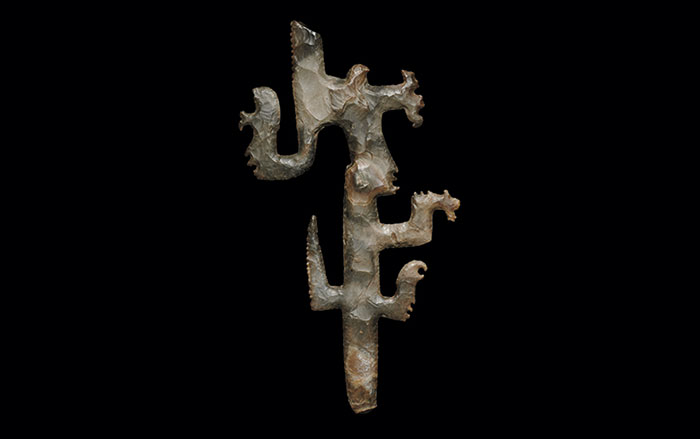
Maya Eccentric Flint
Have modern craftspeople been able to replicate these rare ceremonial objects?
 Courtesy Cleveland Museum of Art/John L. Severance Fund 1950.161
-
Digs & Discoveries November/December 2026
Night of the Dangerous Dead
Mutilated remains in medieval burials show how far vampire hunters were willing to go
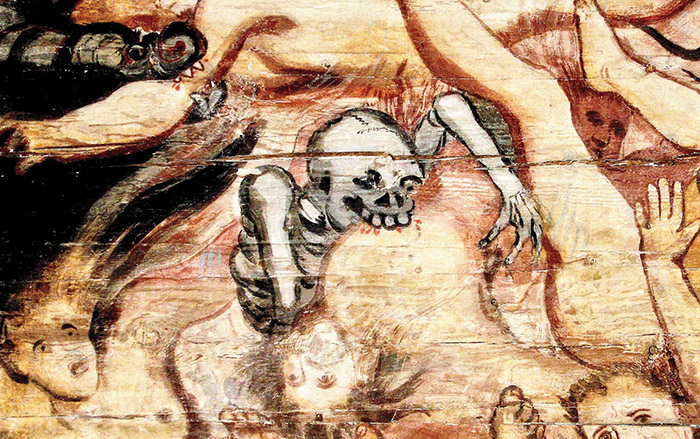 Photo John Blair