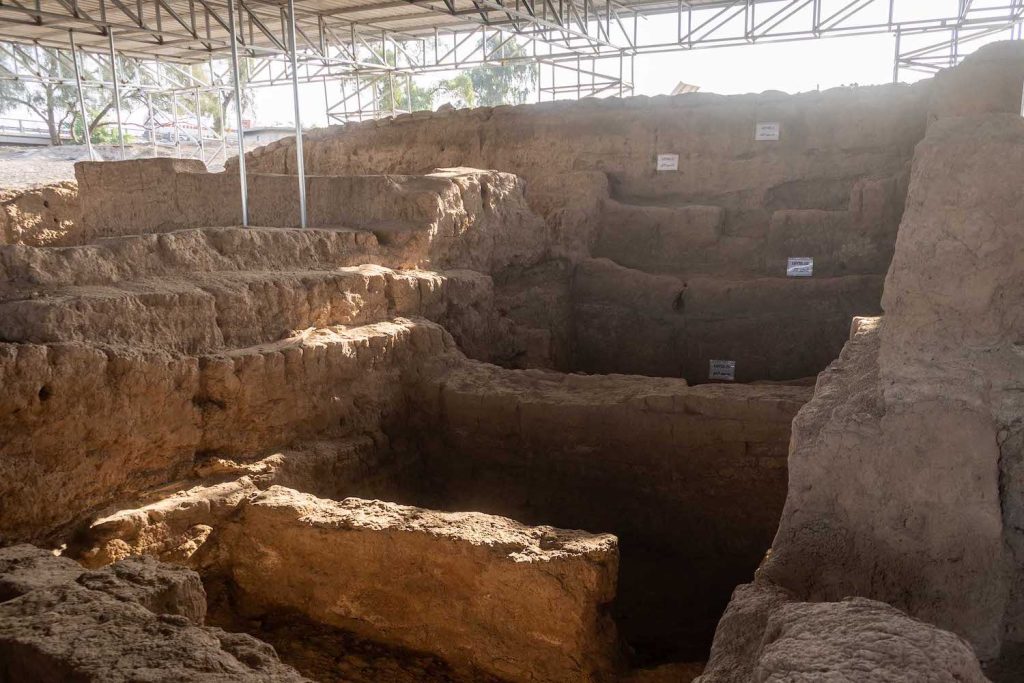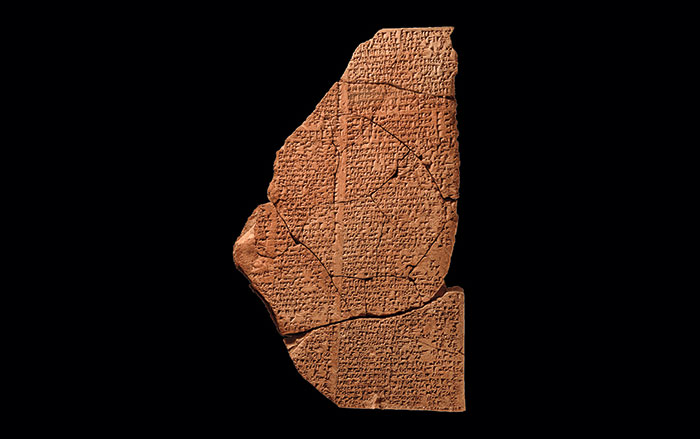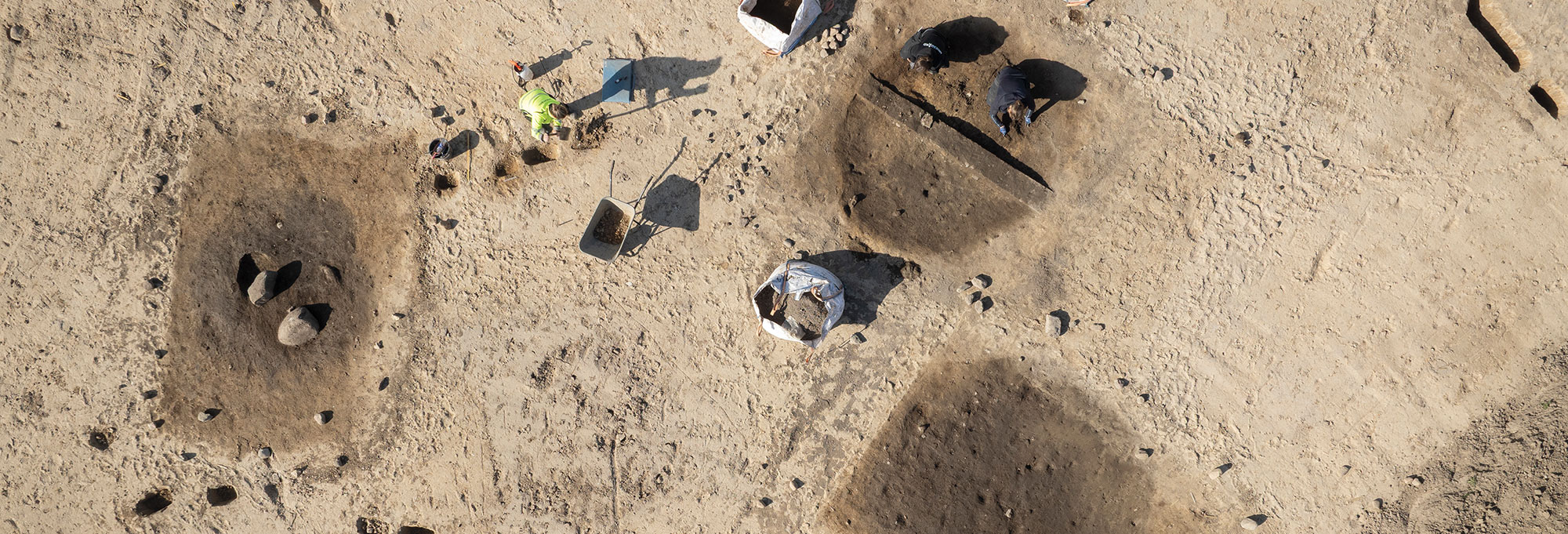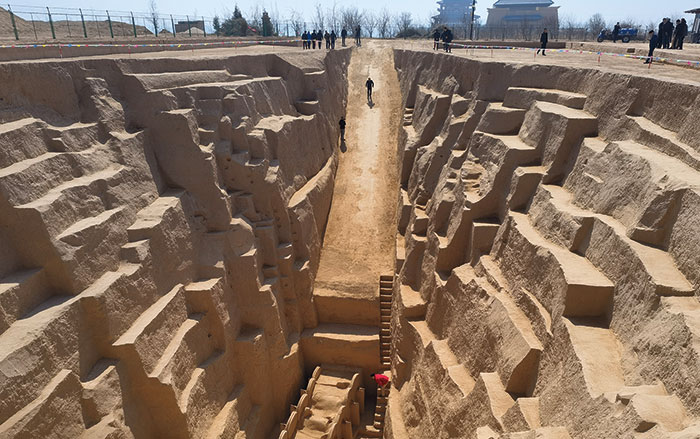

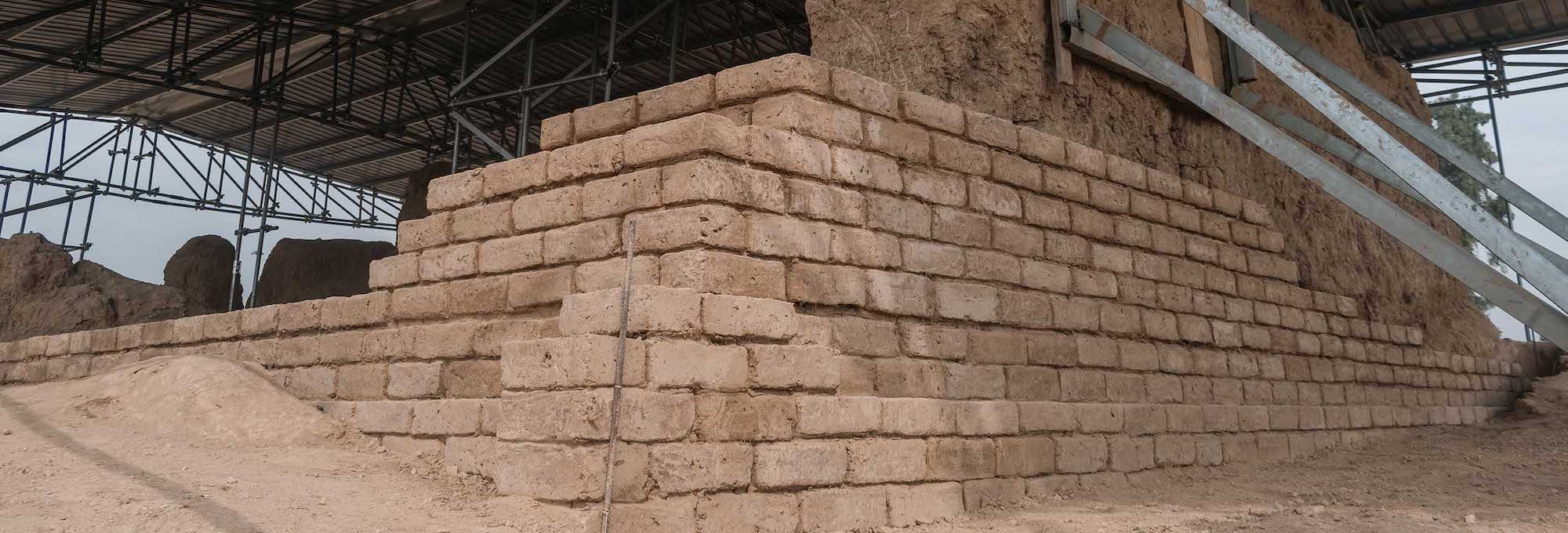
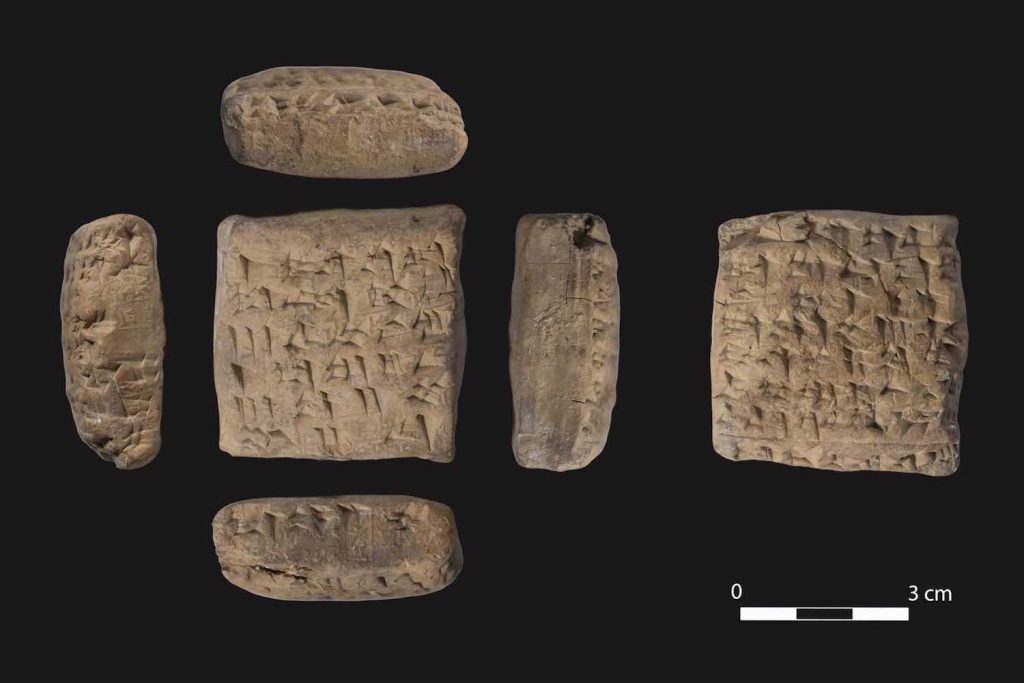
BAGHDAD, IRAQ—La Brújula Verde reports that researchers led by Nicola Laneri of the University of Catania are continuing to excavate the site of a 3,800-year-old building at Tell Muhammad, which is located near the Tigris River in central Iraq. A cuneiform tablet recording an agreement to borrow barley and beer was found in one of the building’s rooms. The contract had been signed in front of two witnesses. The space where the tablet was uncovered features a semicircular mudbrick counter facing the street, and a mudbrick basin that may have been used for brewing or making bread. At the edge of the room, the researchers unearthed a section of the city’s 16-foot-thick outer wall. In all, more than 300 feet of the wall and a small secondary gate have been uncovered. The excavation also revealed piping made of reed mats and clay that was used to carry water into a large cistern built inside the protective city wall. To read about the possible location of an Akkadian city in northern Iraq, go to “Searching for Lost Cities: Capital of the World’s First Empire.”