
TARTU, ESTONIA—Estonian Public Radio reports that analysis of proteins recovered from the dental enamel of children interred at two cemeteries in Estonia during the late Iron Age and early medieval period suggests that children’s burials became more complex and differentiated by gender around the age of 10. In these two cemeteries, the children’s burials were placed in the same areas as the adults. “From my initial results, it seems that around the age of ten is a turning point, where the quantity and complexity of grave goods changes,” said Karin Rannaäär of the University of Tartu. “The assumption has been that boys have more weapons and tools, and girls more jewelry,” she explained. Younger children were buried with jewelry and items related to clothing, such as bronze studs and spirals, necklaces, bracelets, and beads. But around age 10, girls were buried with more jewelry, similar to the grave goods interred with adult women. Boys were buried with tools and spearheads around the same age, similar to the grave goods buried with grown men. Boys may have been practicing combat at that age, Rannaäär explained. “The second option is simply that a spearhead was placed in the grave with the thought that had the boy grown up, he could have become a warrior,” she added. To read about a boy’s burial in medieval Germany, go to “Good Night, Sweet Prince.”
Protein Analysis Used to Test Ideas About Children’s Grave Goods in Estonia
News November 20, 2026
Recommended Articles
Digs & Discoveries November/December 2019
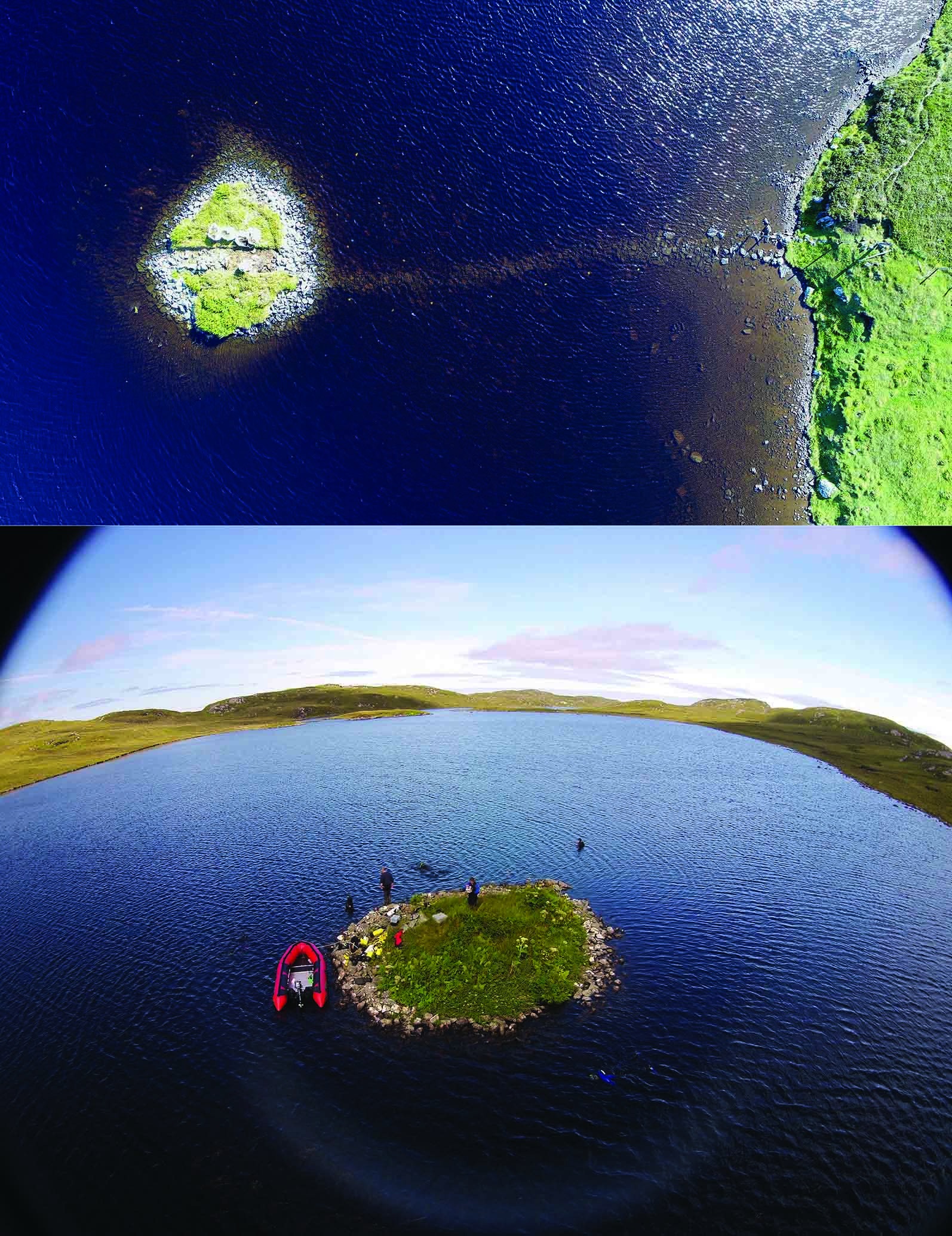
Worlds Apart
Digs & Discoveries November/December 2026
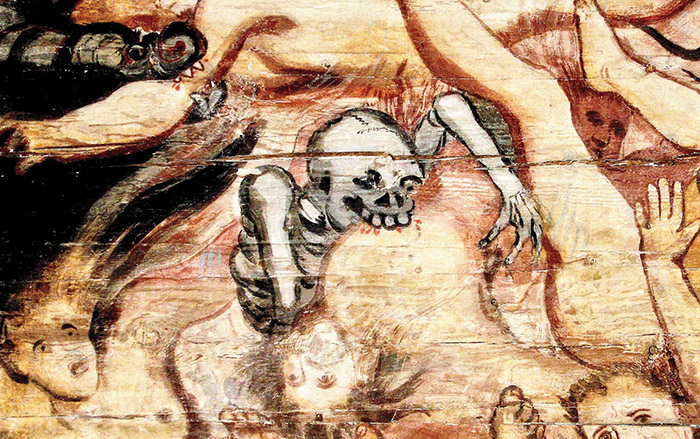
Night of the Dangerous Dead
Mutilated remains in medieval burials show how far vampire hunters were willing to go
Digs & Discoveries September/October 2026
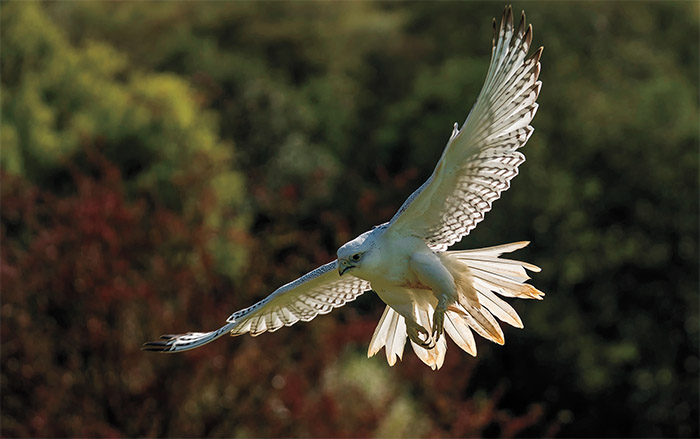
Gyrfalcons Over Baghdad
Dozens of birds gifted to medieval Abbasid caliphs were likely imported from Iceland
Digs & Discoveries March/April 2026
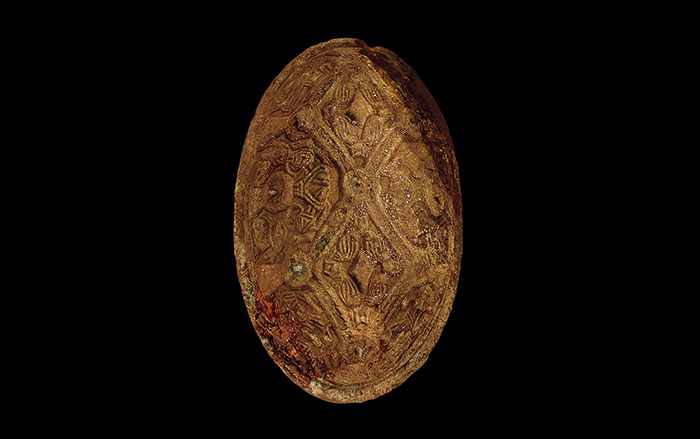
Viking Mollusk Mask
More to Discover
Features November/December 2026
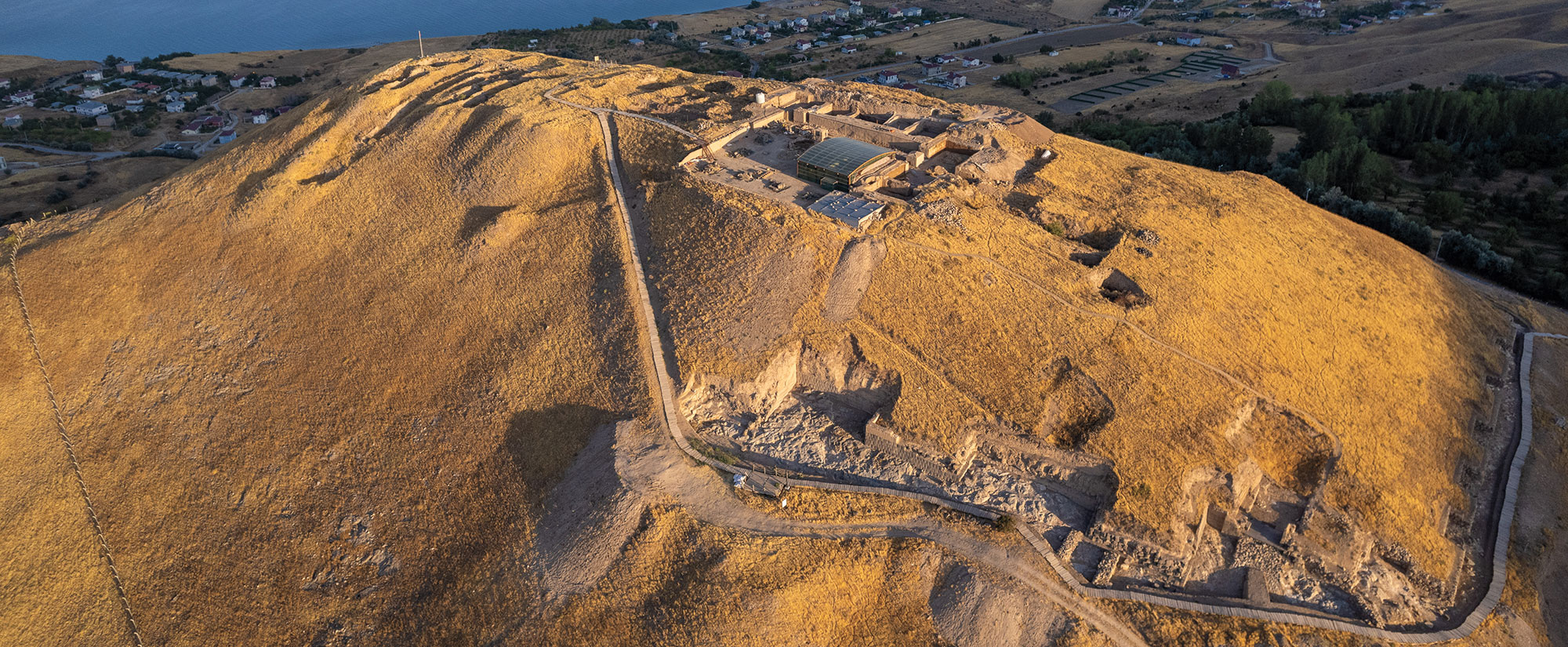
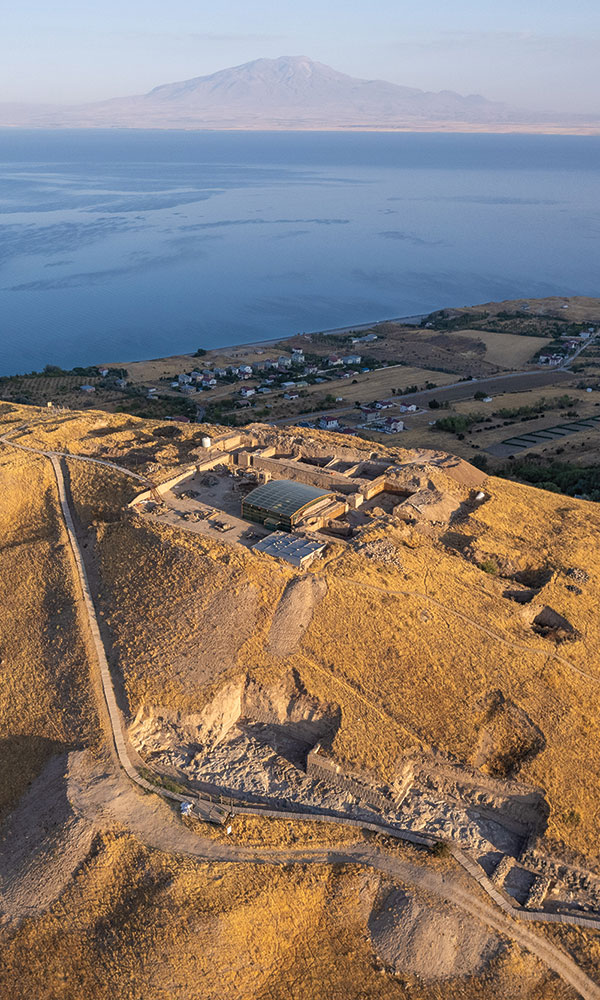
Kingdom of Fortresses
How diverse and far-flung Iron Age chiefdoms united to challenge the Assyrian Empire
-
Features November/December 2026
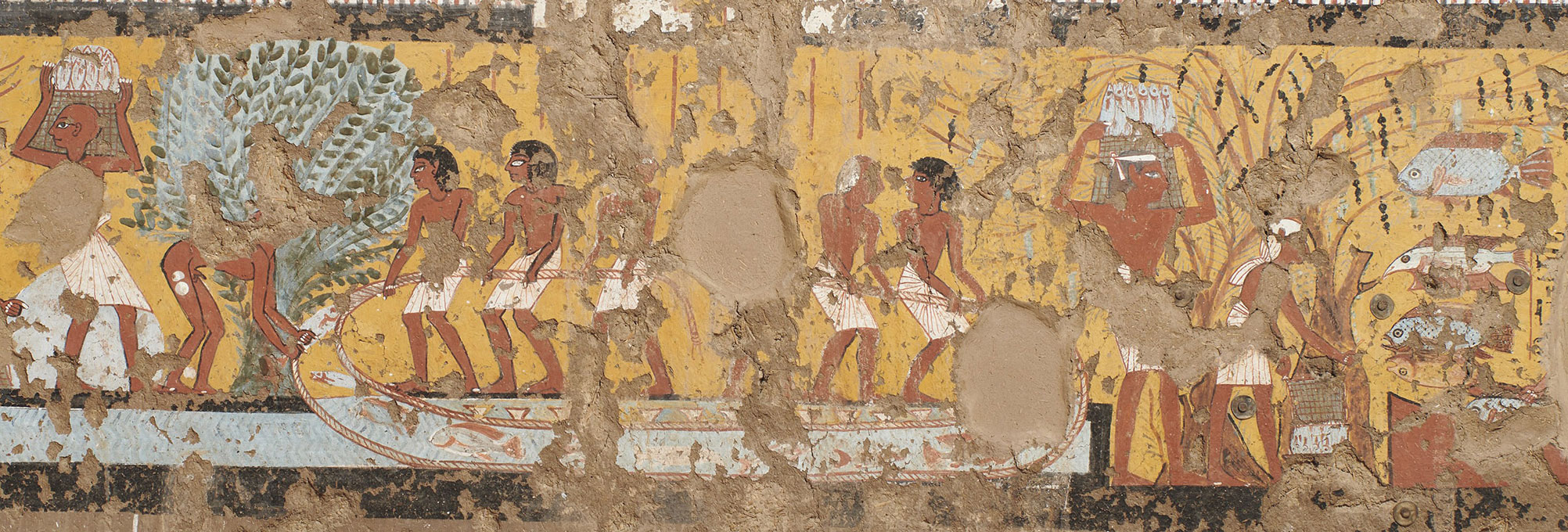
A Tomb of One’s Own
Life behind the scenes in Egypt’s Valley of the Kings
 © Matjaz Kacicnik/Project TT 217–The Tomb of the Sculptor Ipuy in Context (JGU Mainz, IFAO Cairo)
-
Features November/December 2026
Outfitting Viking Voyagers
In Denmark, archaeologists have discovered a massive factory that equipped an innovative fleet
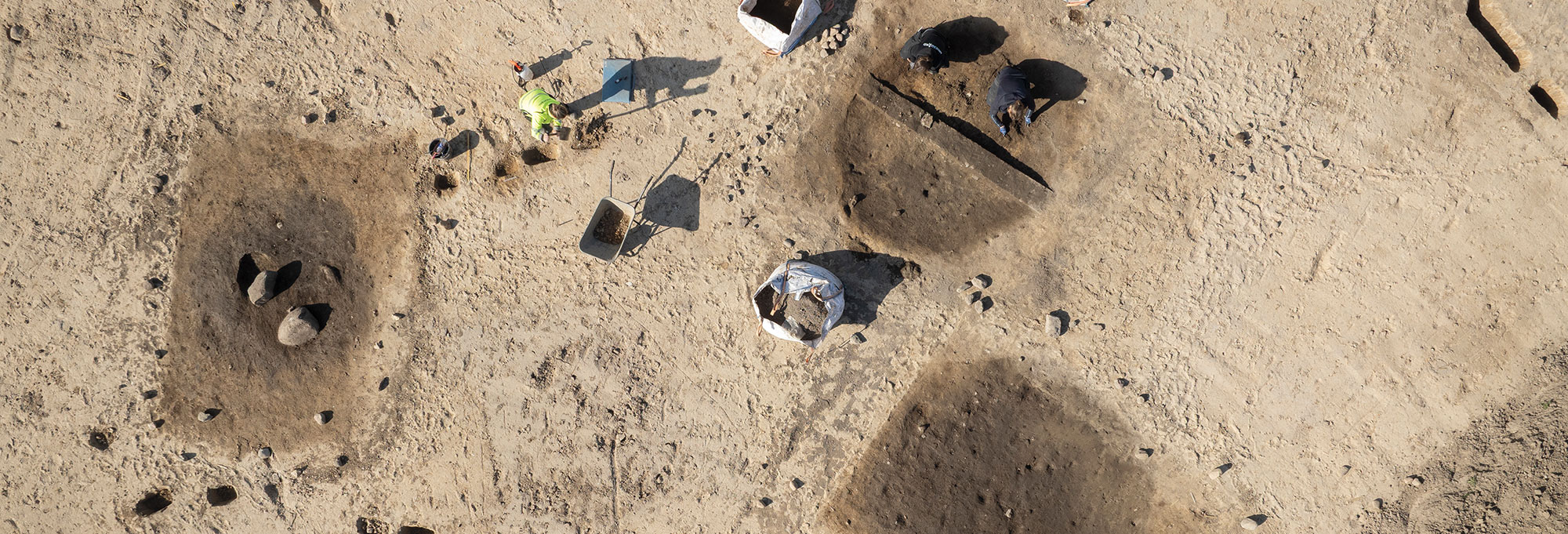 Moesgaard Museum
-
Features November/December 2026
Stone Age Stargazers
Did artists 12,000 years ago illuminate a cave in Tajikistan with their vision of the Milky Way?
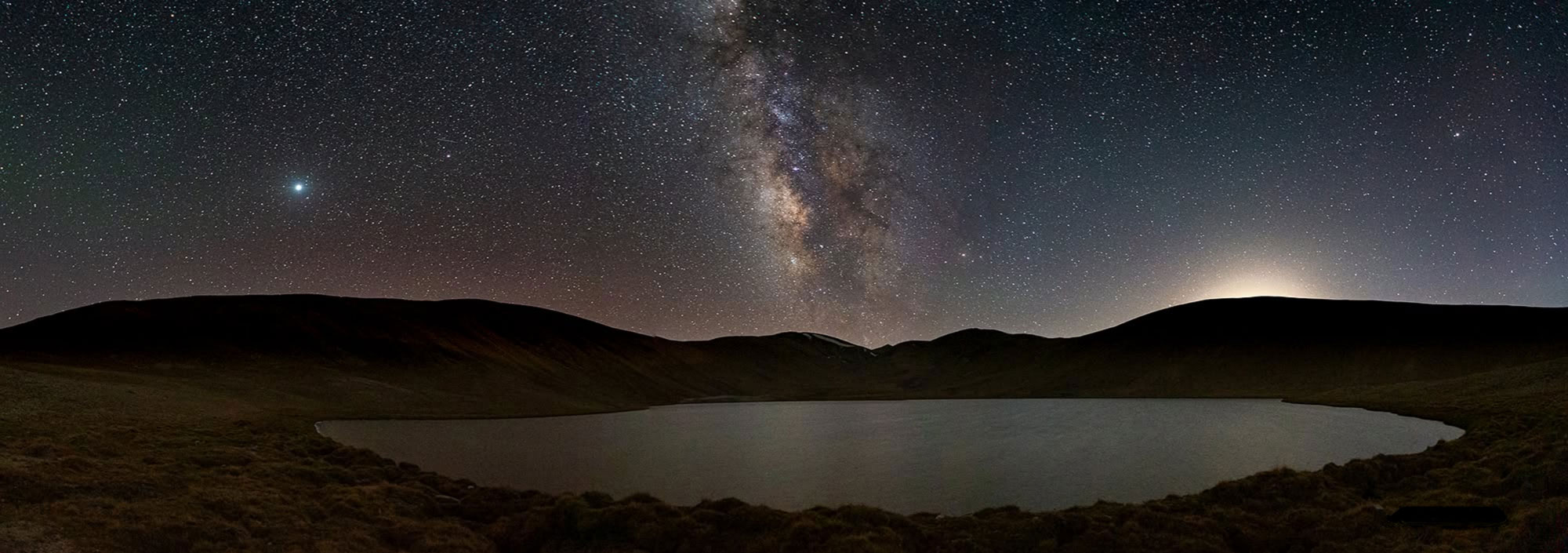 ˝© Nodir Tursun-Zade
-
Features November/December 2026
Unearthing the Outlanders
New discoveries challenge ancient prophecies about the peoples living on China’s borders three millennia ago
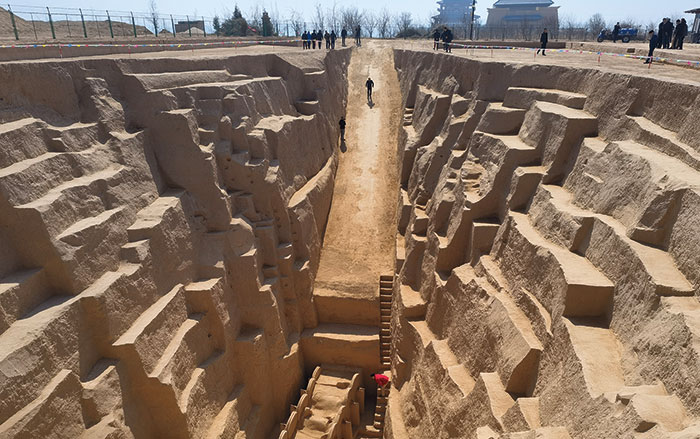 Courtesy Shaanxi Provincial Institute of Archaeology