
ATHENS, GEORGIA—Analysis of 2,500-year-old remains unearthed in the Greek colony of Himera on the island of Sicily suggests that babies began eating solid food at about three months of age, but were not fully weaned until they were almost four years old, Phys.org reports. This is similar to the weaning practices found at Apollonia Pontica, a Greek colony on the Black Sea coast. More than 13,000 burials have been excavated at Himera, but infant and child mortality appeared to be low among the population, which was made up of Sicilians, Phoenicians, and Greeks. Laurie Reitsema of the University of Georgia and her colleagues measured the levels of carbon and nitrogen isotopes in the bones of 27 adult women and 58 children. The amount of nitrogen in the bones indicates how long the children were breastfed, while the amount of carbon reveals the plant-based solid food consumed. All of the children in the study seem to have been raised with Greek weaning practices. “Breastfed babies look different than weaned babies, isotopically, because their diets consist of milk, which differs isotopically from other foods,” Reitsema said. “Breastfeeding is well known to support infant survival, especially in places without reliable access to clean, safe drinking water,” she added. Reitsema noted, however, that the study examined children who had died at a young age, despite being breastfed for years. “It is possible that the weaning behaviors we see in this study reflect a specifically unsuccessful strategy,” she said. Study of the bones of individuals who lived in Himera and survived into adulthood may reveal that they experienced different childhoods, Reitsema concluded. Read the original scholarly article about this research in the European Journal of Archaeology. To read about the fifth-century B.C. Battle of Himera, go to “The Fight for Ancient Sicily.”
What Did Children in a Greek Colony Eat 2,500 Years Ago?
News November 24, 2026
Recommended Articles
The Music of Time September/October 2026
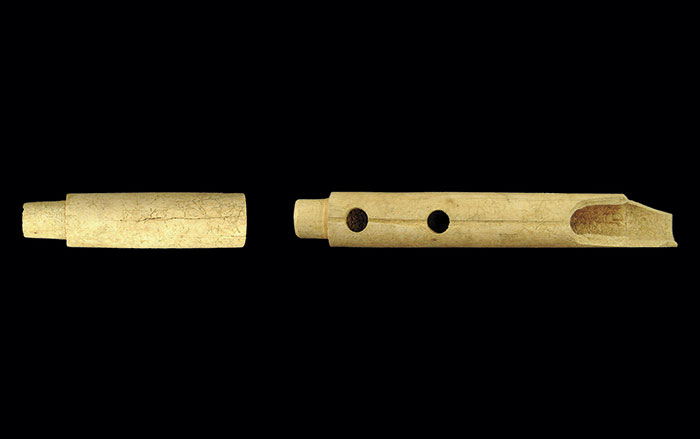
An Instrument of Great Ceremony
Digs & Discoveries January/February 2026
A Sicilian Gift Horse

Off the Grid September/October 2025
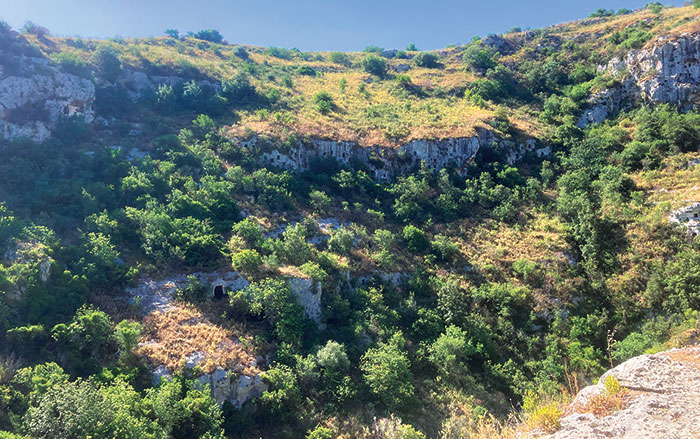
Necropolis of Pantalica, Italy
Digs & Discoveries May/June 2019
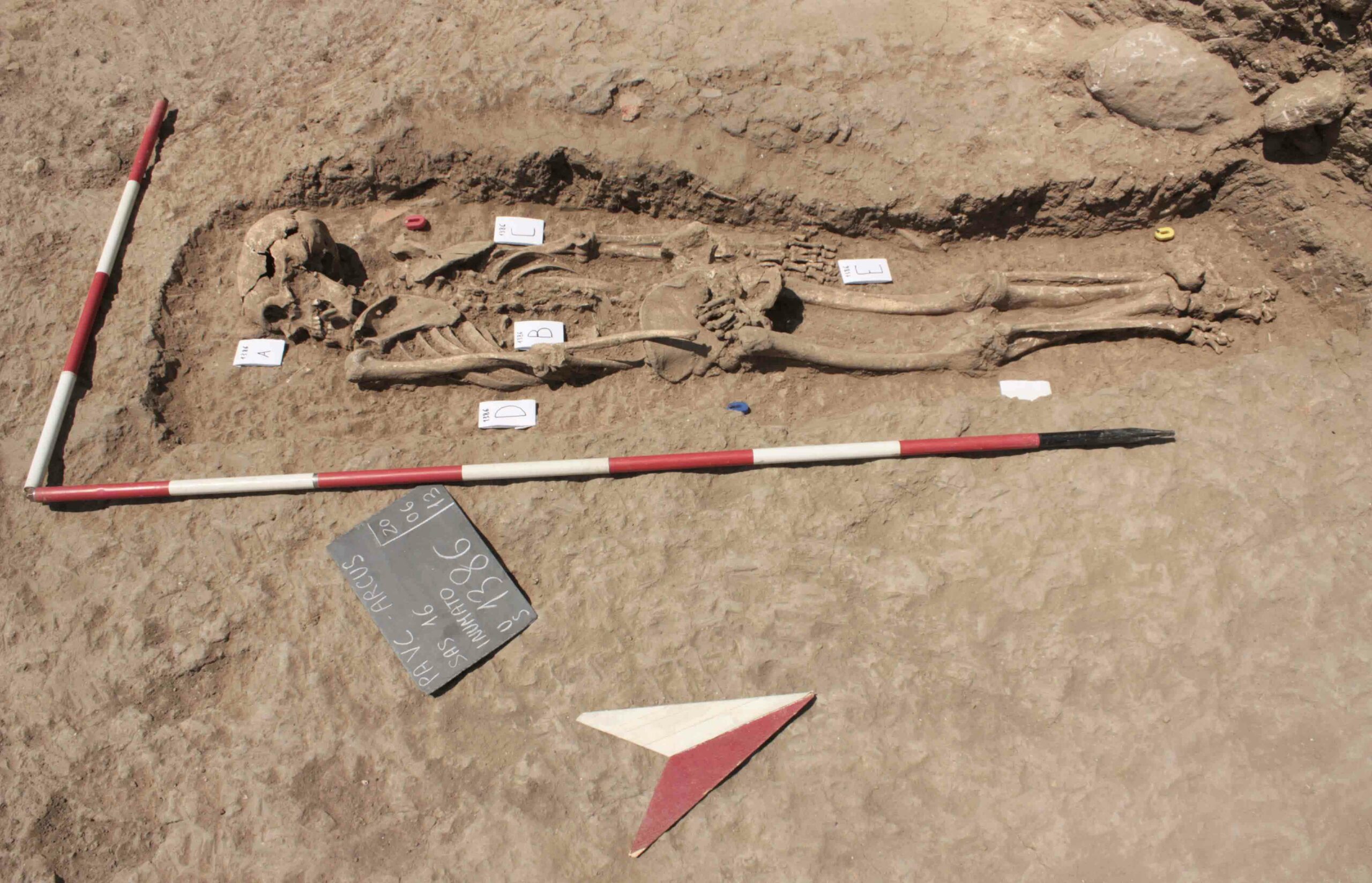
Stabbed in the Back
More to Discover
Features November/December 2026
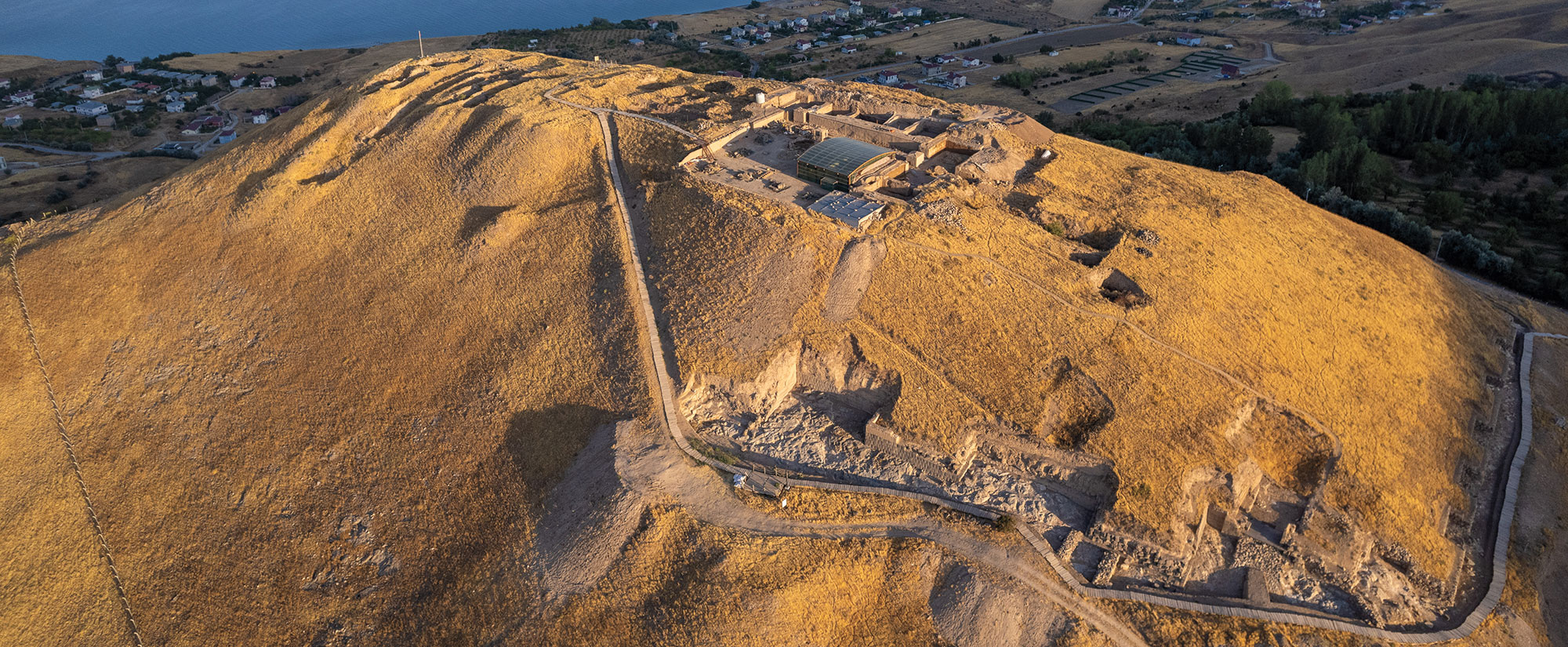
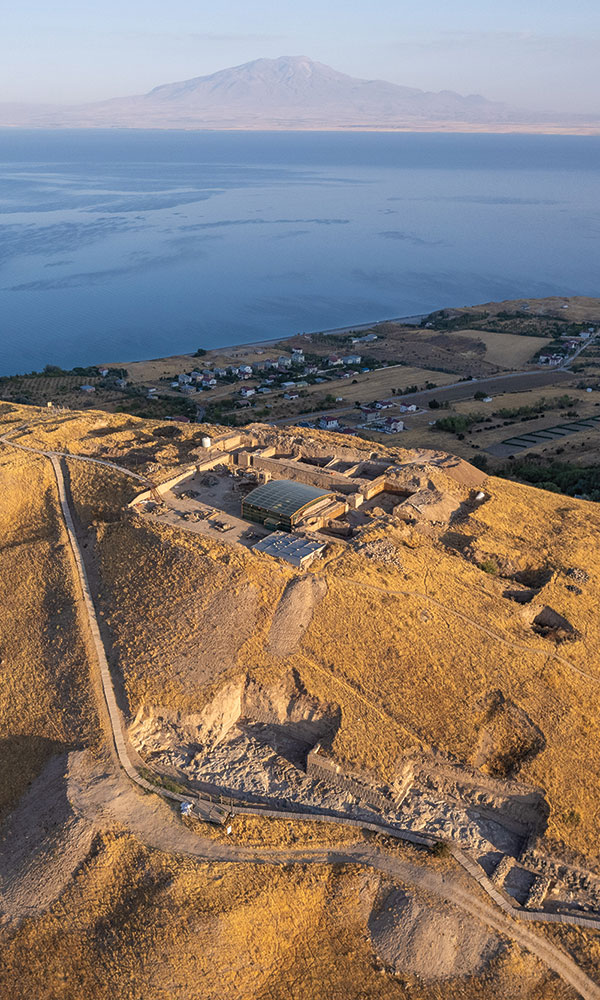
Kingdom of Fortresses
How diverse and far-flung Iron Age chiefdoms united to challenge the Assyrian Empire
-
Features November/December 2026
A Tomb of One’s Own
Life behind the scenes in Egypt’s Valley of the Kings
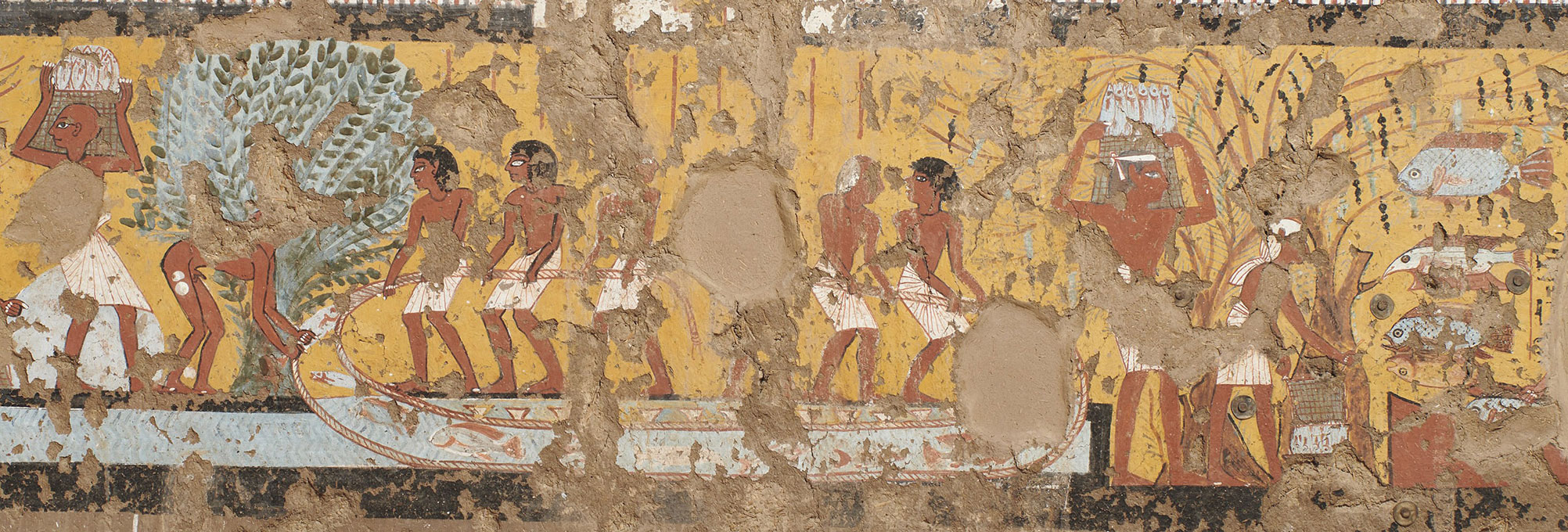 © Matjaz Kacicnik/Project TT 217–The Tomb of the Sculptor Ipuy in Context (JGU Mainz, IFAO Cairo)
-
Features November/December 2026
Outfitting Viking Voyagers
In Denmark, archaeologists have discovered a massive factory that equipped an innovative fleet
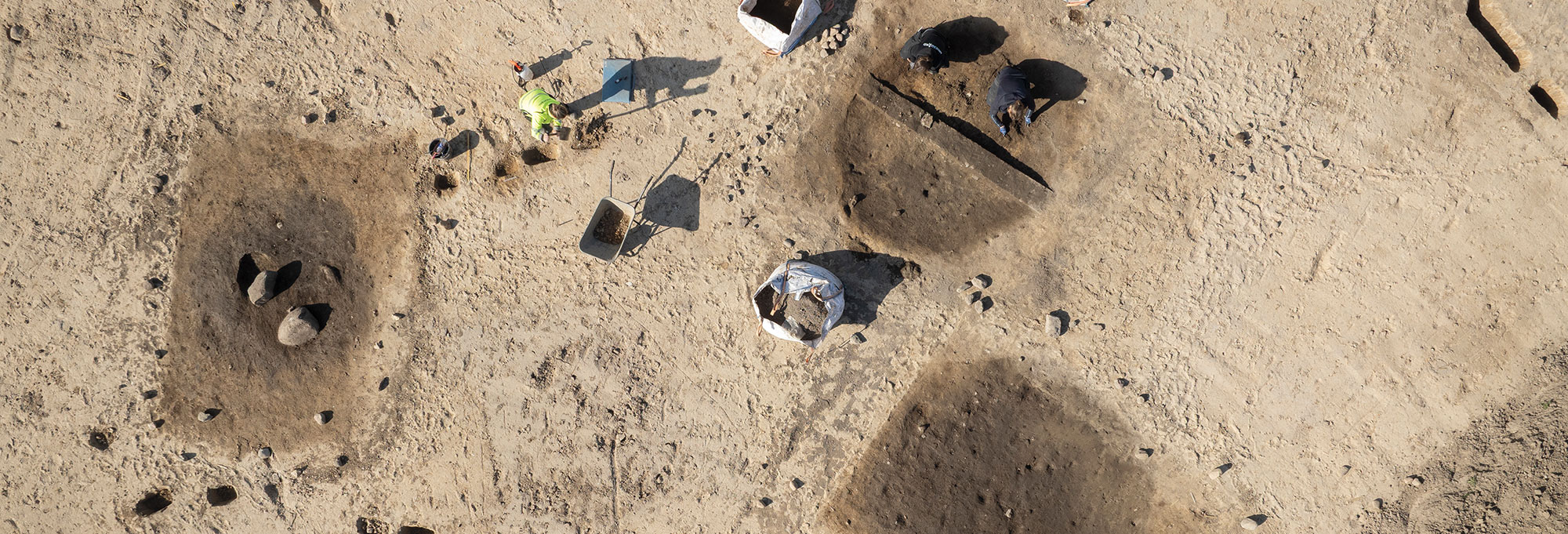 Moesgaard Museum
-
Features November/December 2026
Stone Age Stargazers
Did artists 12,000 years ago illuminate a cave in Tajikistan with their vision of the Milky Way?
 ˝© Nodir Tursun-Zade
-
Features November/December 2026
Unearthing the Outlanders
New discoveries challenge ancient prophecies about the peoples living on China’s borders three millennia ago
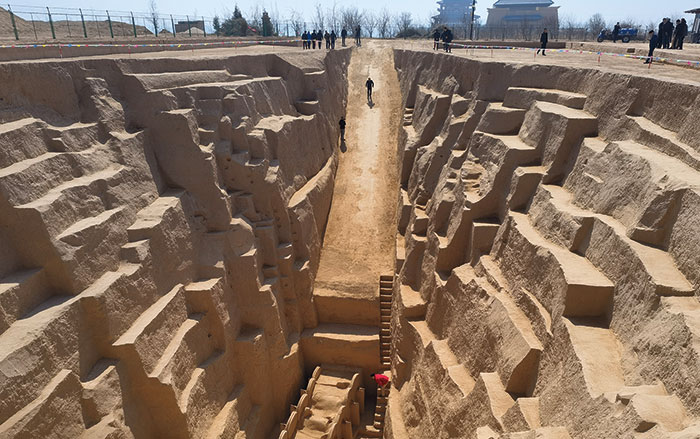 Courtesy Shaanxi Provincial Institute of Archaeology