

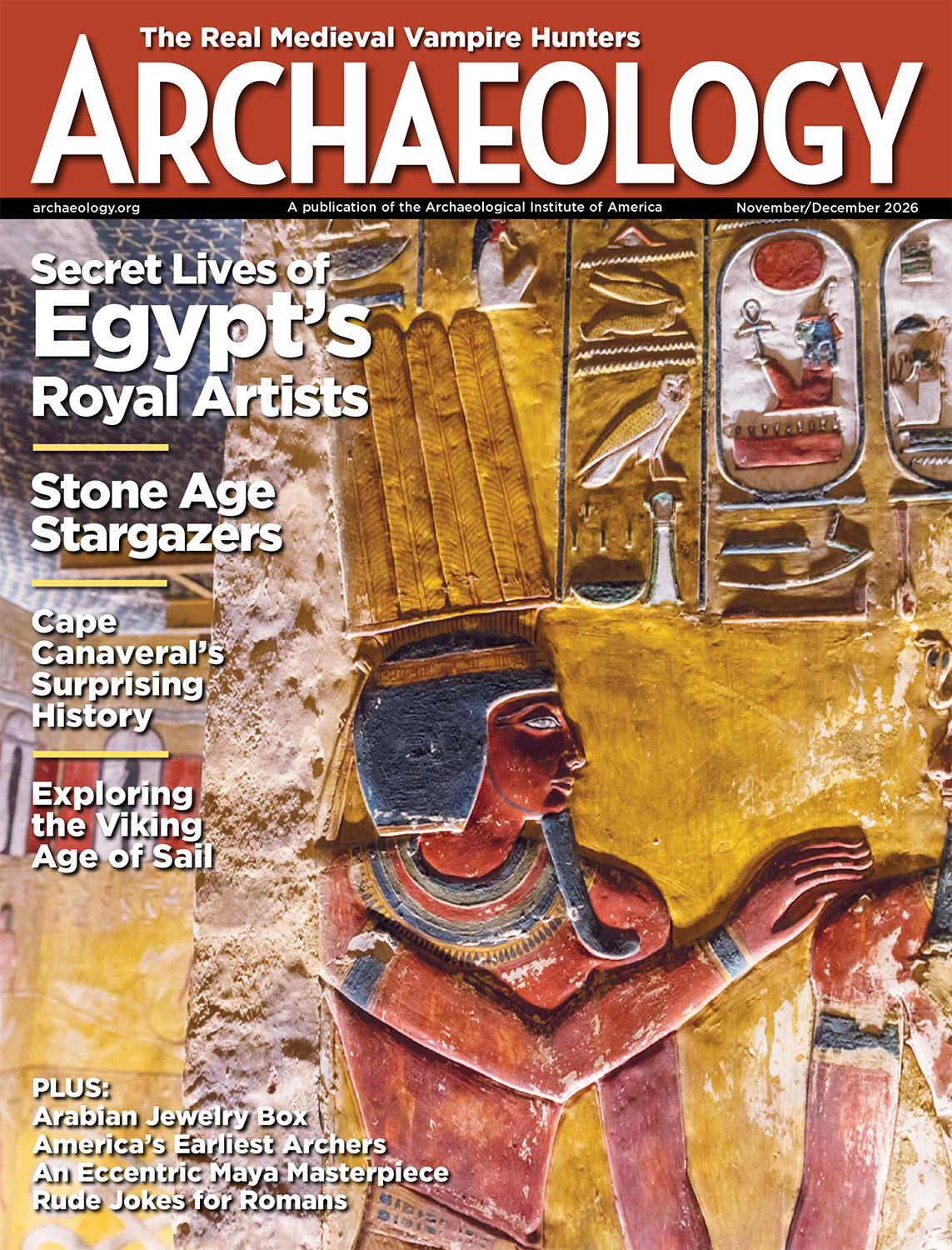
Features November/December 2026
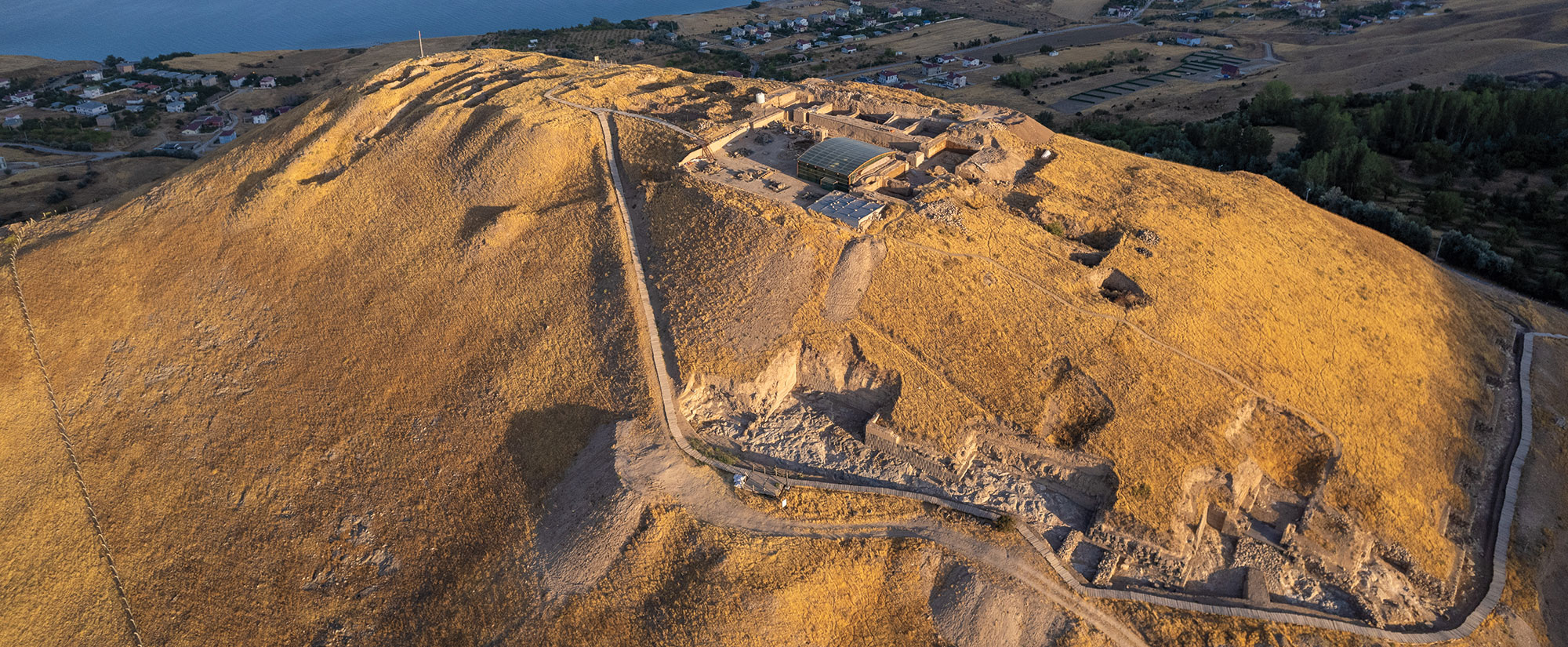
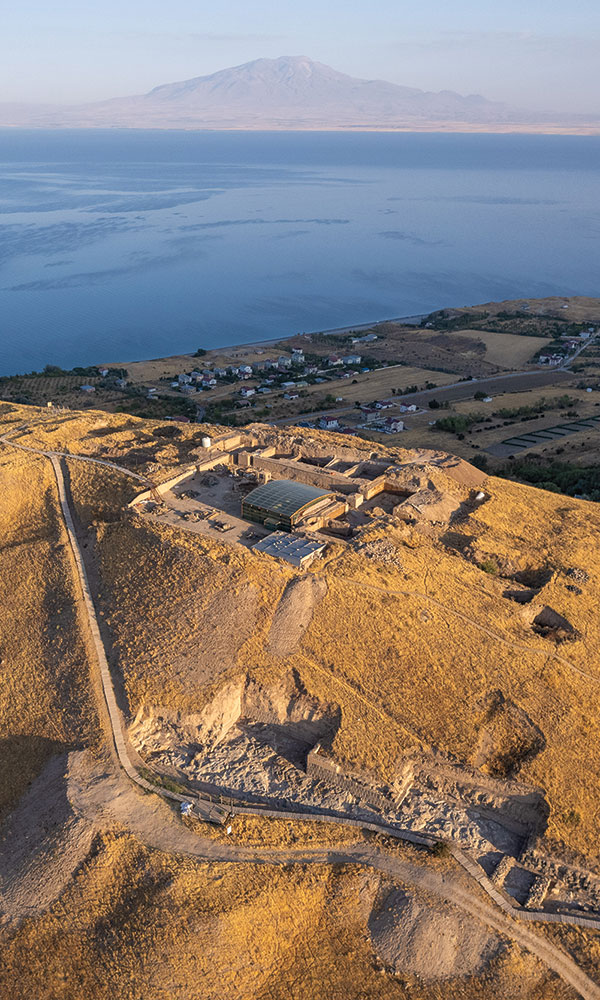
Kingdom of Fortresses
How diverse and far-flung Iron Age chiefdoms united to challenge the Assyrian Empire
Features November/December 2026
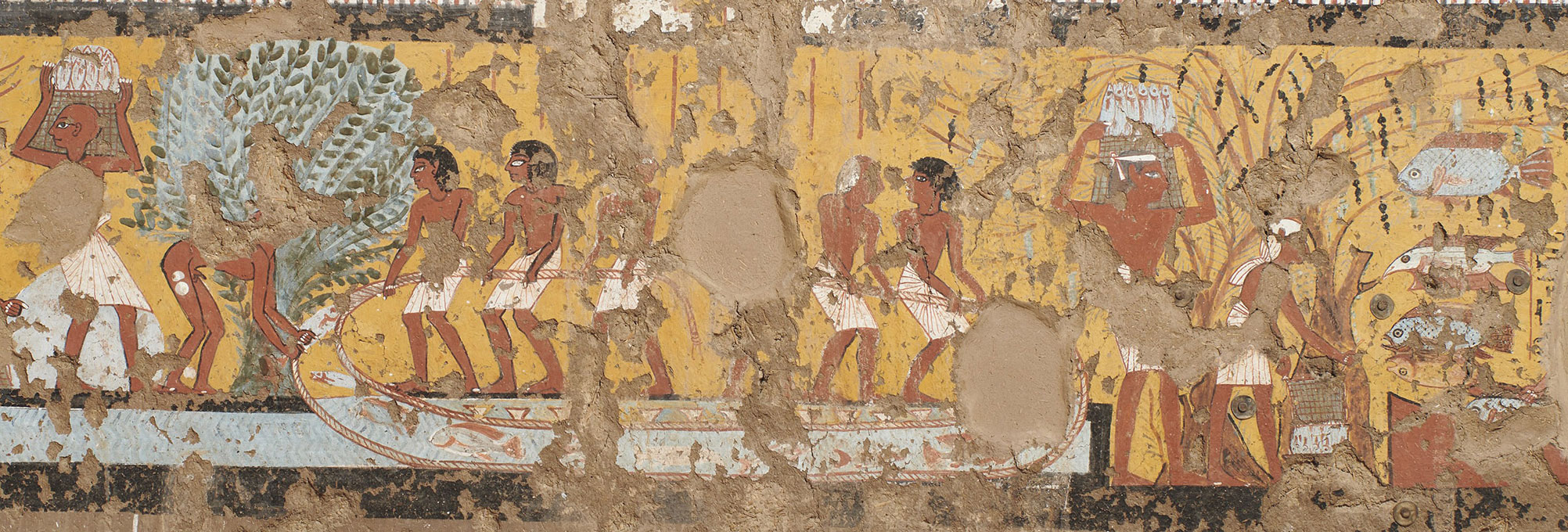
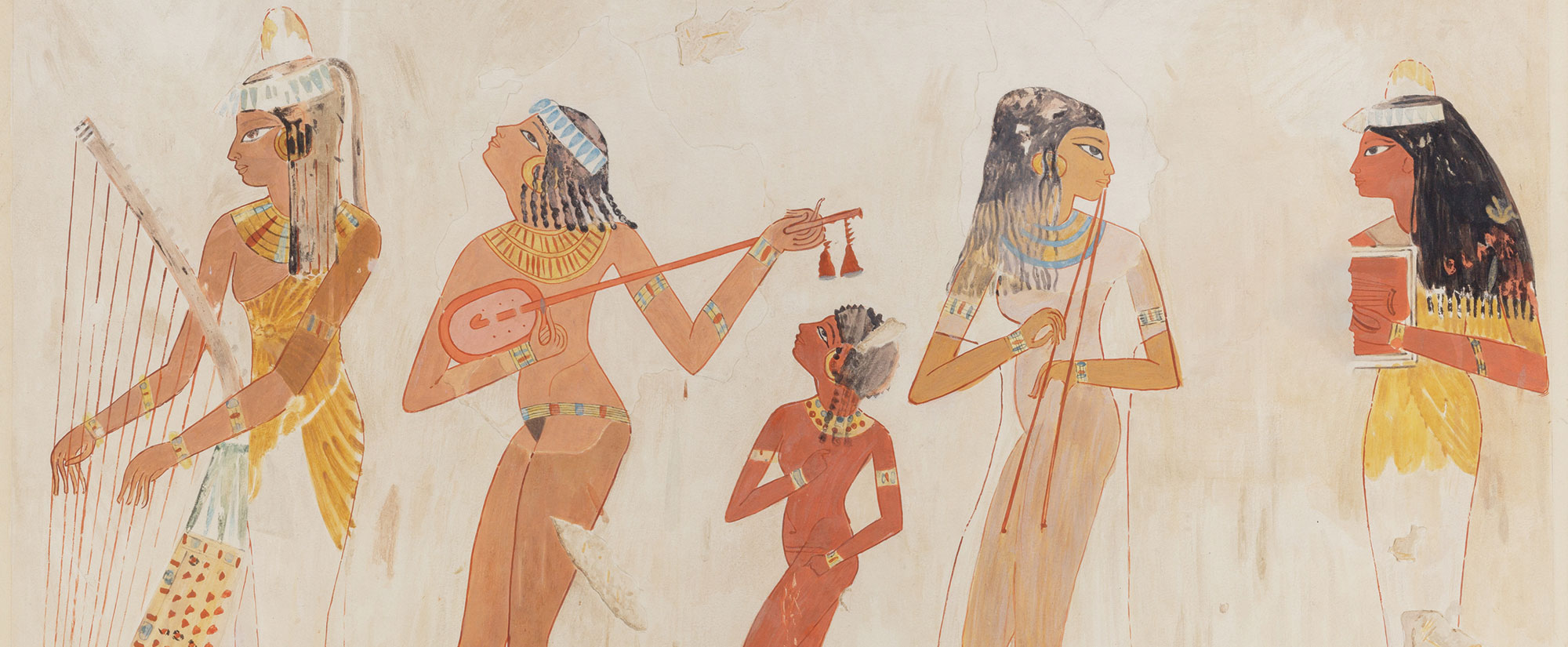
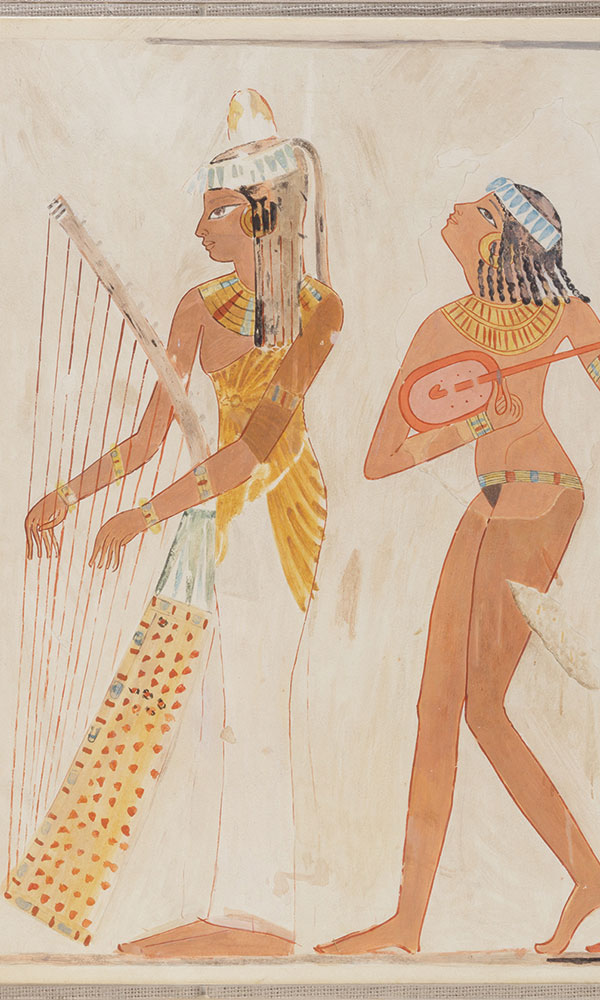
A Tomb of One’s Own
Life behind the scenes in Egypt’s Valley of the Kings
Letter from Cape Canaveral November/December 2026
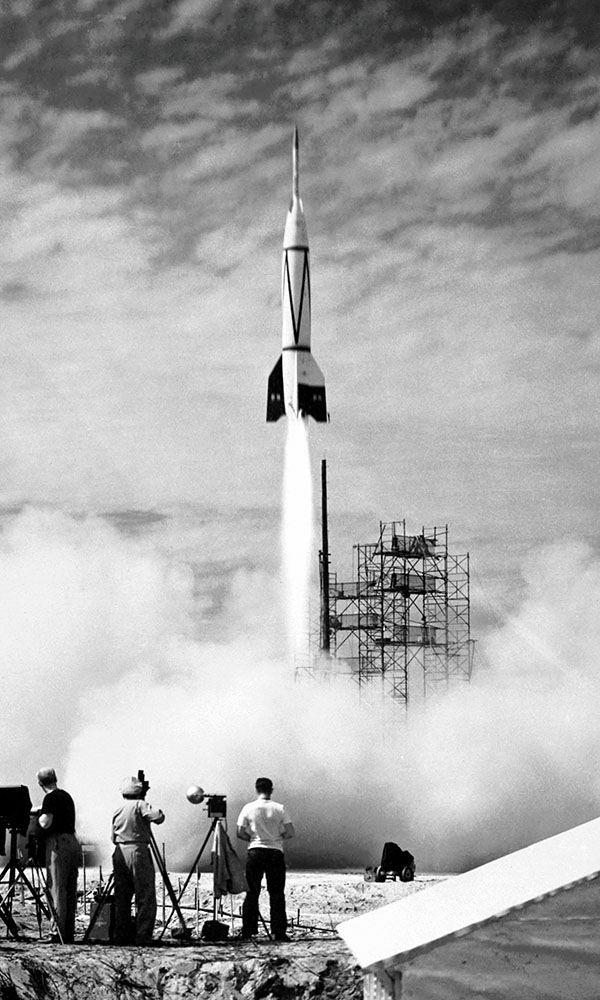
Dawn of the Space Age
Archaeologists have made surprising discoveries spanning 3,000 years at the birthplace of American space exploration

Digs & Discoveries November/December 2026
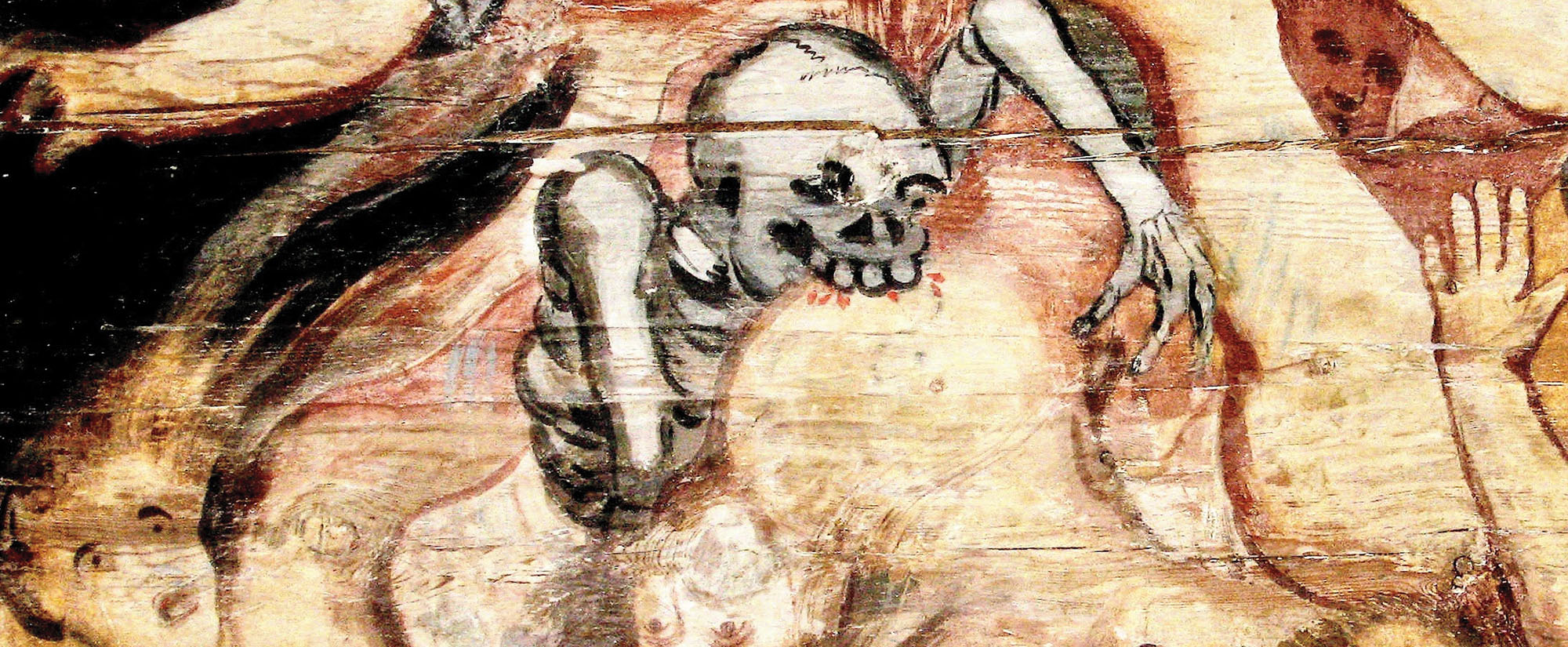
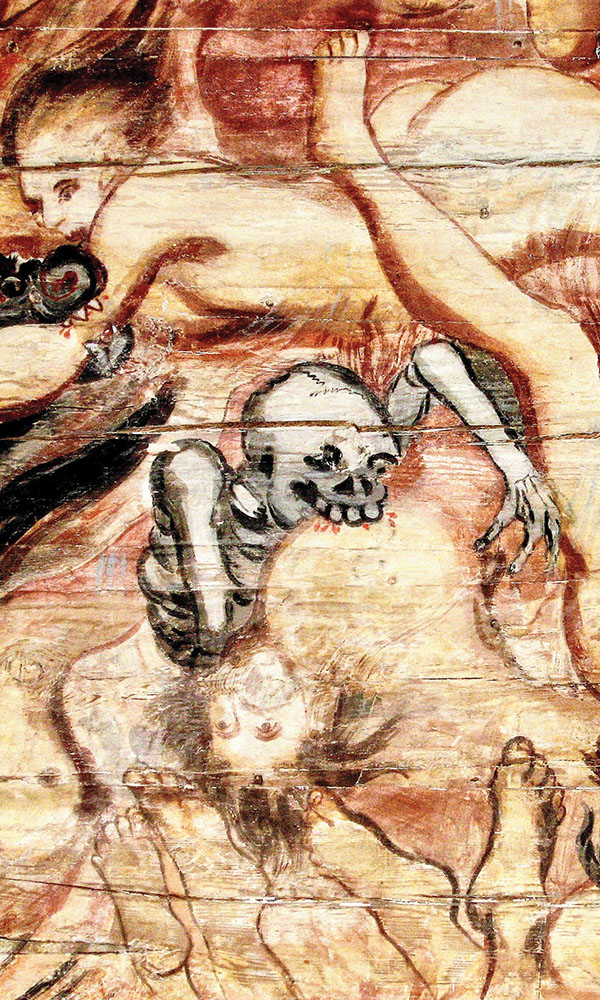
Night of the Dangerous Dead
Mutilated remains in medieval burials show how far vampire hunters were willing to go
-
Features
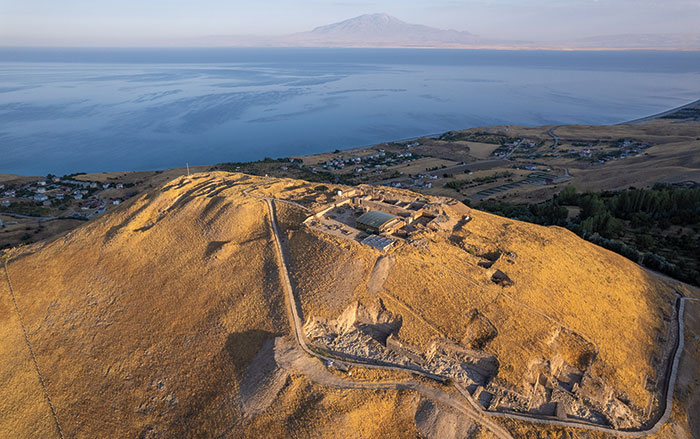
Kingdom of Fortresses
How diverse and far-flung Iron Age chiefdoms united to challenge the Assyrian Empire
 © Tolga İldun
 -
© Matjaz Kacicnik/Project TT 217–The Tomb of the Sculptor Ipuy in Context (JGU Mainz, IFAO Cairo)
-
Letter from Cape Canaveral
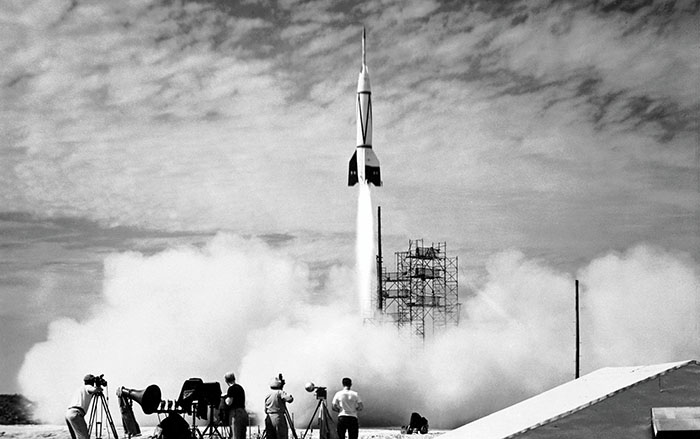
Dawn of the Space Age
Archaeologists have made surprising discoveries spanning 3,000 years at the birthplace of American space exploration
 Courtesy Cape Canaveral Space Force Museum
 -
Digs & Discoveries
Night of the Dangerous Dead
Mutilated remains in medieval burials show how far vampire hunters were willing to go
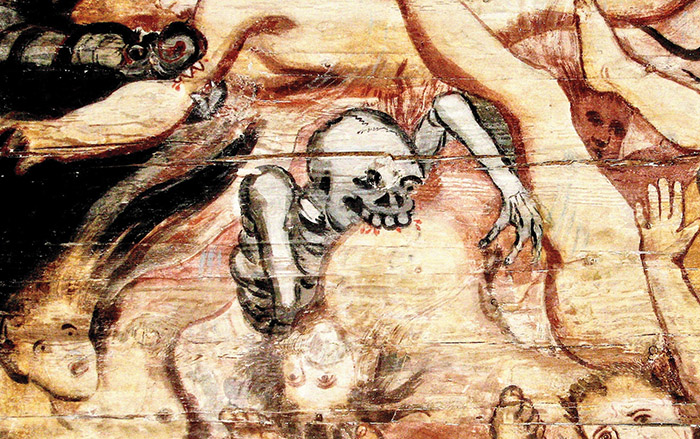 Photo John Blair
 -
 The Metropolitan Museum of Art, New York, Rogers Fund, 1930
-
News October 26, 2026
60,000-Year-Old Animal Proteins Mixed With Ocher Identified in South Africa
 Ole F. Unhammer/University of Bergen
 -
News October 26, 2026
Possible Praetorium Found at Roman Fortress in Bulgaria
 Photo by Krzysztof Narloch/University of Warsaw
 -
News October 23, 2026
Roman Sarcophagus at Westminster Abbey Likely Held Remains of Medieval Monk
 © Pre-Construct Archaeology Ltd/CC BY-ND 4.0
 -
News October 23, 2026
Who Crafted China’s Terracotta Army?
 Laika ac/Flickr
-
News October 23, 2026
9,000-Year-Old Workshop Uncovered in Turkey

-
News October 23, 2026
Unusual Objects Unearthed at Troy
-
News October 22, 2026
Wheel Ruts in Malta Analyzed
 Joel Grima
 -
News October 22, 2026
Did Penguin Hunters Occupy a Campsite Off Patagonia’s Coast?
 Nicolás C. Ciarlo
Trending Articles
-
Digs & Discoveries November/December 2026
Knowing the Ropes
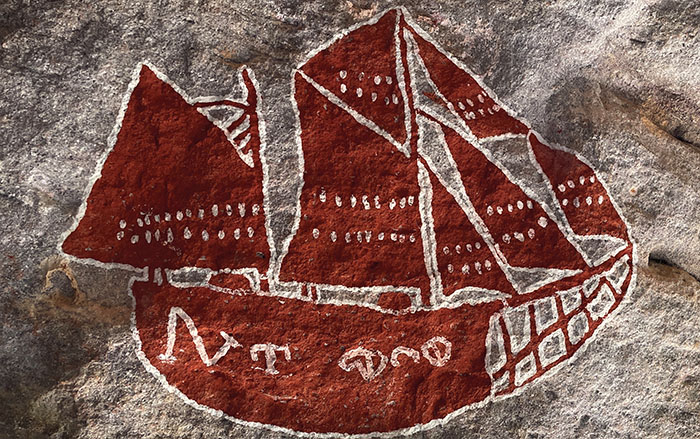 Courtesy Lynley Wallis
 -
Digs & Discoveries November/December 2026
To Bow or to Throw
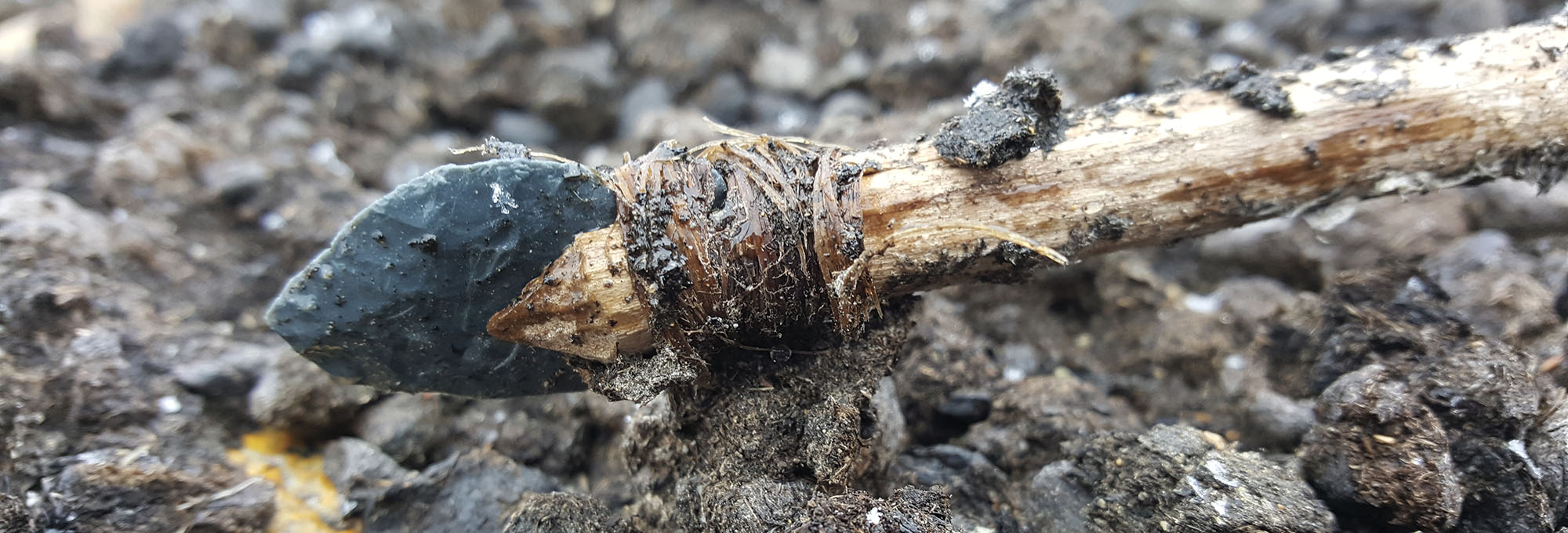 Photo by Holly Smith, Government of Yukon
 -
Features November/December 2026
Kingdom of Fortresses
How diverse and far-flung Iron Age chiefdoms united to challenge the Assyrian Empire
© Tolga İldun
-
Features September/October 2025
How to Build a Medieval Castle
Why are archaeologists constructing a thirteenth-century fortress in the forests of France?
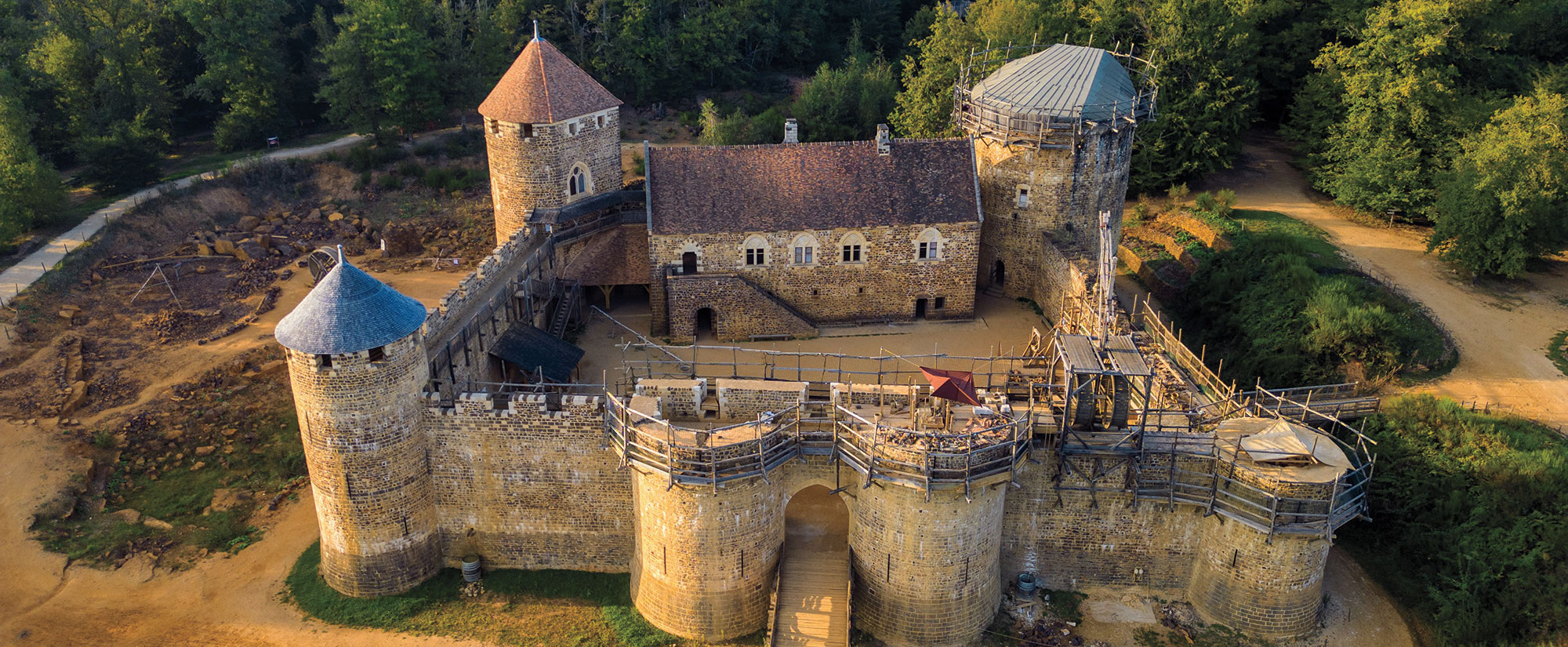
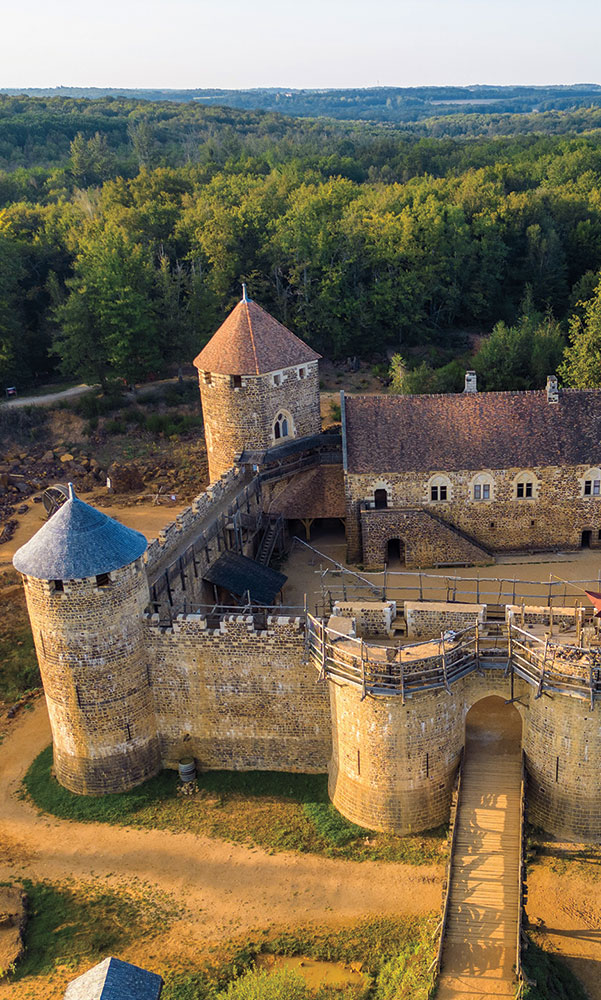 © D. Gliksman
-
Features July/August 2022
The Philistine Age
Archaeologists are reconsidering the origins and history of a much-maligned ancient people
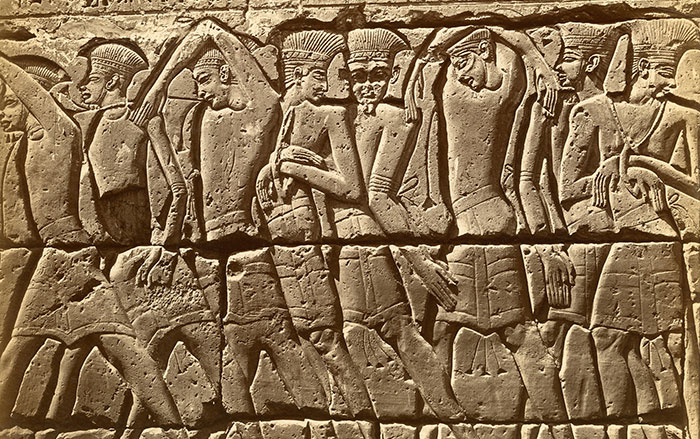 (Glasshouse Images/Alamy Stock Photo)
 -
Features November/December 2014
Dawn of a Thousand Suns
As the beginning of the Atomic Age fades into history, archaeologists work to document a time of uncertainty and experimentation
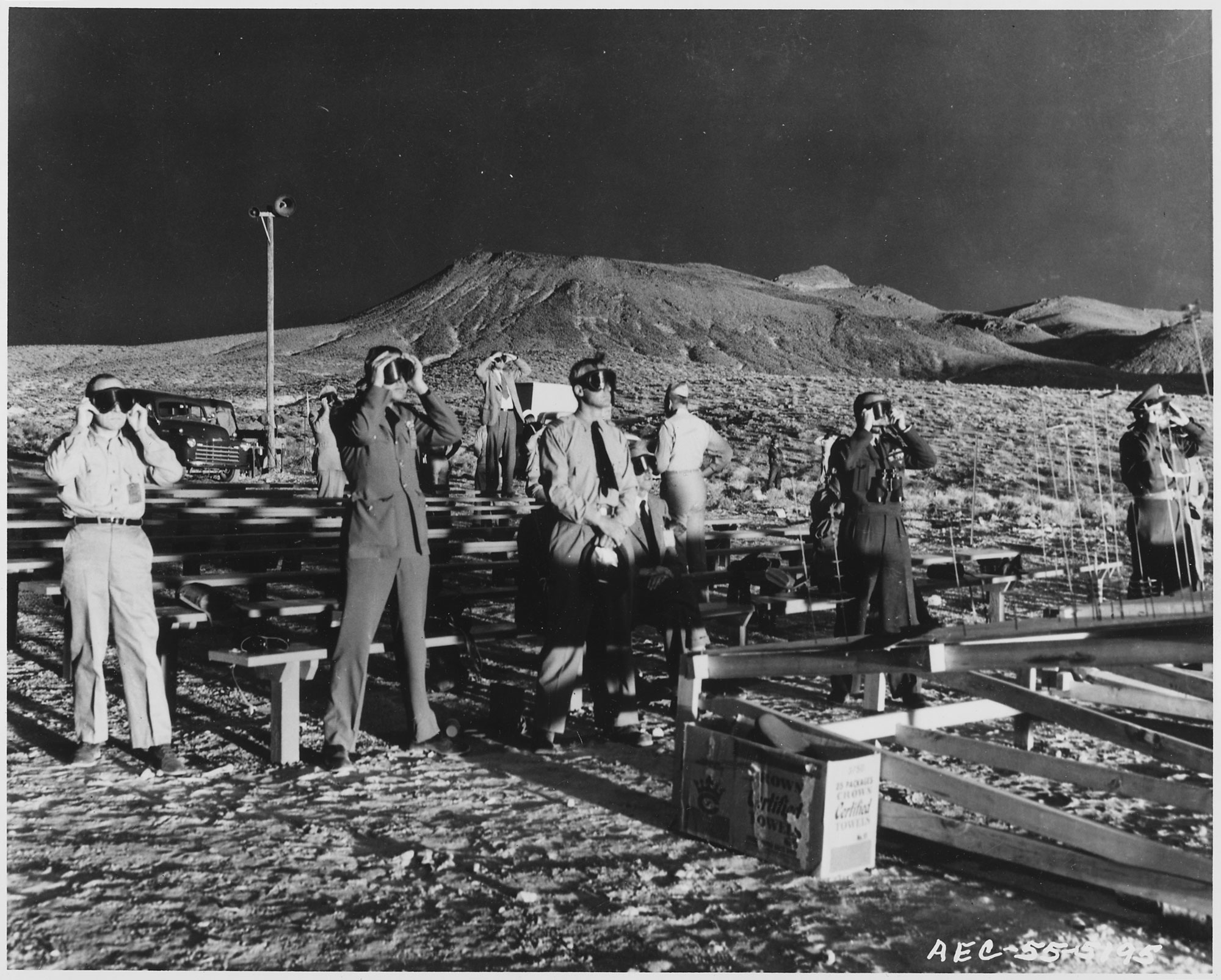 (U.S. National Archives)
 -
Letter from Nicaragua March/April 2024
Who Were the People of Greater Nicoya?
Archaeologists are challenging long-held assumptions about Mesoamerica’s influence on Indigenous peoples to its south
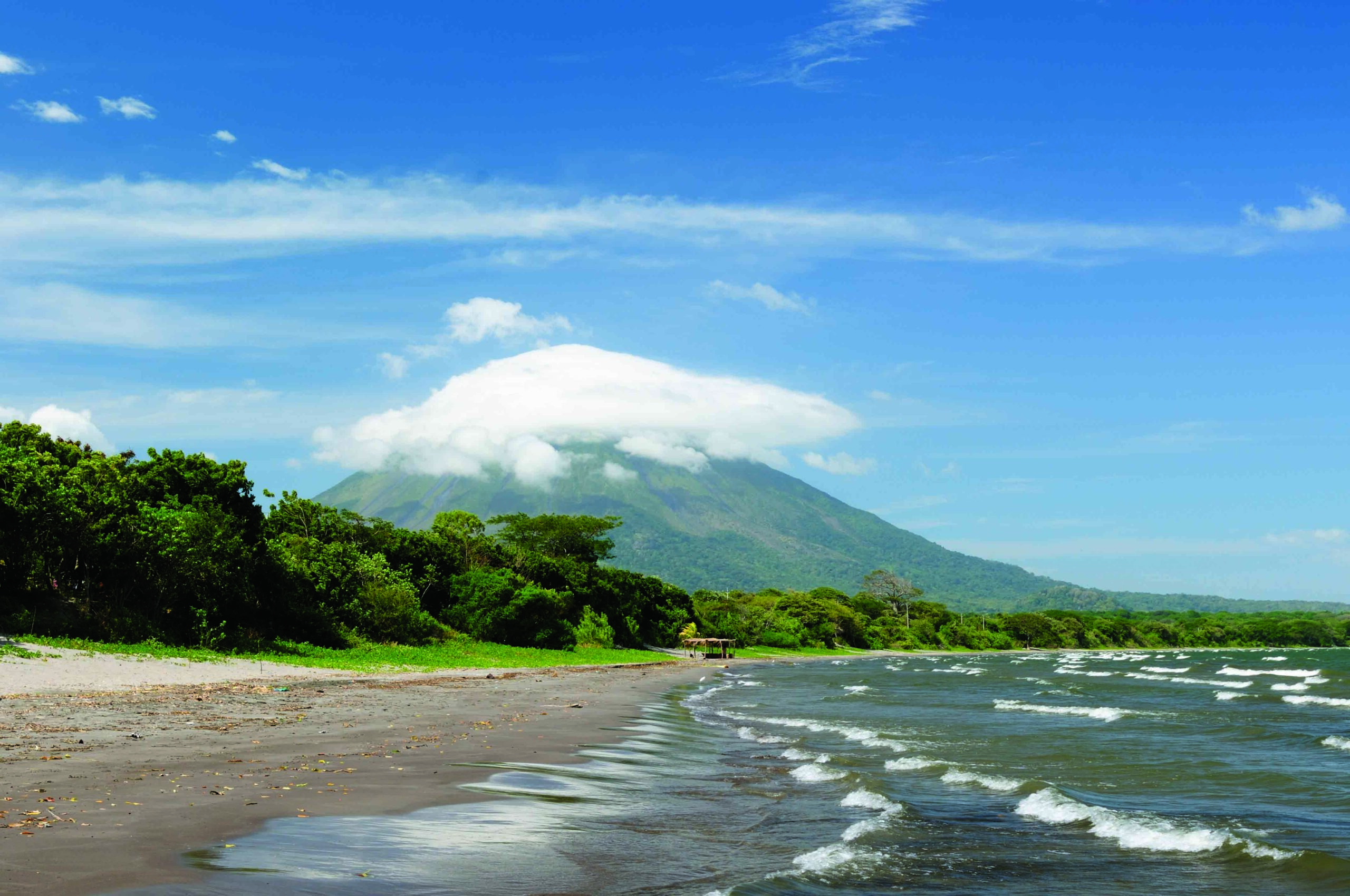
-
Features January/February 2017
Hoards of the Vikings
Evidence of trade, diplomacy, and vast wealth on an unassuming island in the Baltic Sea
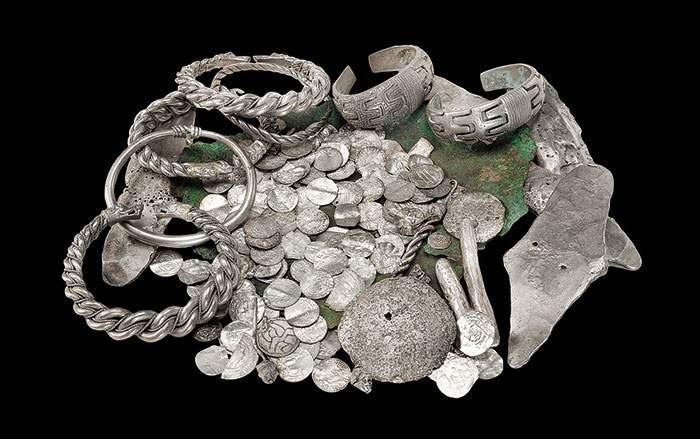 (Gabriel Hildebrand/The Royal Coin Cabinet, Sweden)
Around the World
Explore
-
PERU
-
EGYPT
-
INDONESIA
PERU
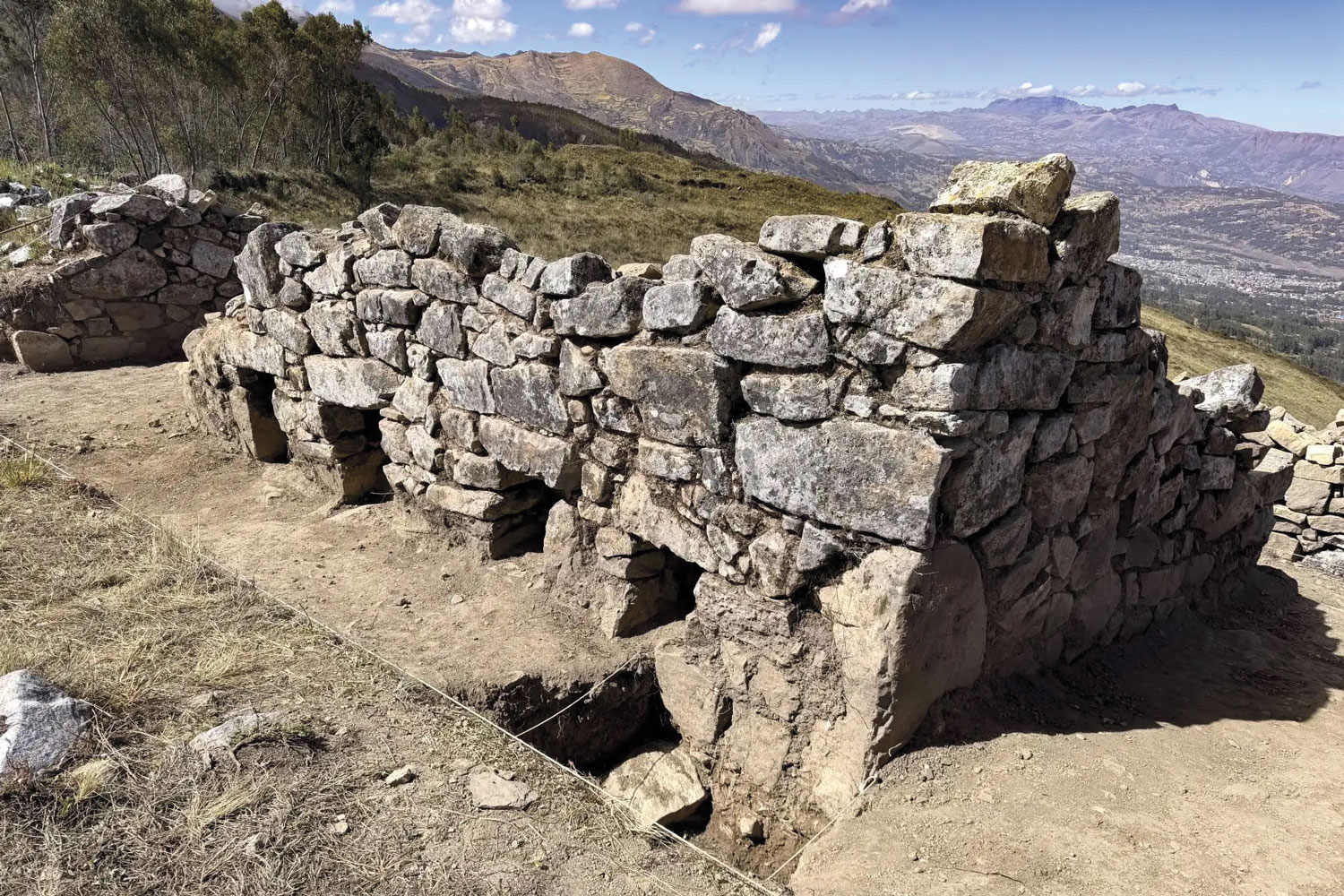
State-run Inca food storage facilities, or colcas, were sometimes located at high elevations where chilly mountain air helped preserve perishable provisions. Twelve circular colcas dating to 500 years ago were recently uncovered at the site of Wancasanga, which sits at 11,000 feet above sea level overlooking the Condebamba Valley. Archaeologists excavated a nearby building equipped with innovative stone ventilation shafts that circulated cool air through the storehouses to help regulate conditions inside.
Related Content
EGYPT
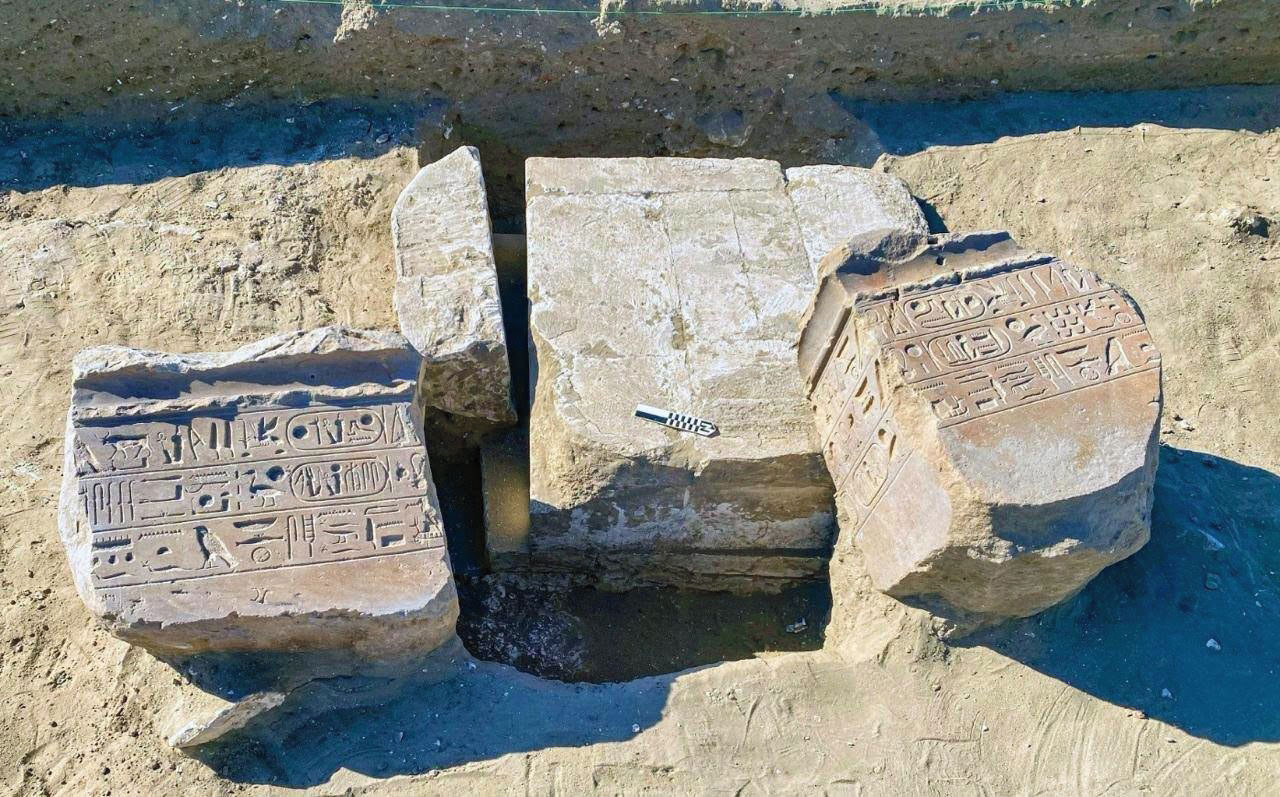
Tantalizing new evidence from Tell Abu Saifi has strengthened the case for the site’s association with an important long-lost Egyptian city. A recently uncovered sandstone lintel is inscribed with titles belonging to the pharaoh Ramesses II (reigned ca. 1279–1213 b.c.) as well as a reference to the god Horus as the Lord of Mesen. The city of Mesen is mentioned in ancient sources and was located along the Way of Horus, a key coastal military and trade route, but its exact whereabouts have never been confirmed.
Related Content
INDONESIA
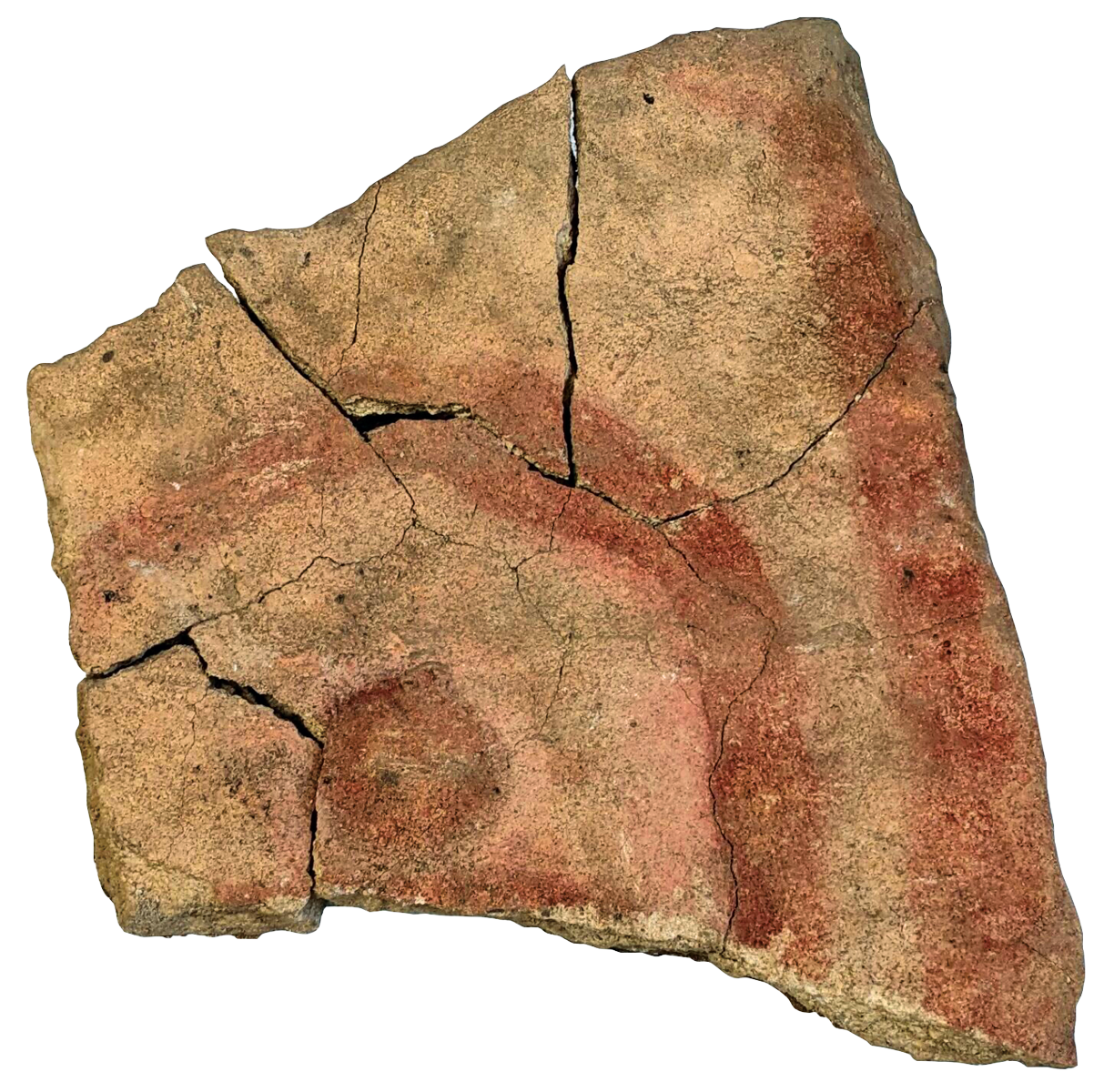
A 4,000-year-old painted stone plaque found in Wetar Island’s Huknaur rock shelter is the first of its kind ever discovered in Indonesia. The artifact’s red concentric circles and radiating sunray motif are characteristic of the Austronesian Painting Tradition, which has been identified around the western Pacific. These paintings are typically found on cave walls, but the recently unearthed artifact is the only known portable artwork executed in this style. The plaque was likely carried by an intrepid seafarer for protection or as a symbol of community identity.
Related Content
Get the Magazine
You enjoyed the website—now get the magazine! Subscribe here to either the print or digital edition of ARCHAEOLOGY and never miss an issue.
 B.C. Much of the chaos and destruction from that event was frozen in time. When archaeologists discovered an extraordinary two-pound solid-gold bowl crushed near three skeletons, it raised questions. Were these individuals rescuing it from the burning city? Or were they stealing it?
Scene of the ancient crime at the link in our bio.
(📸 Courtesy Penn Museum, Image #148769; Image #76264)" aria-hidden="true">
B.C. Much of the chaos and destruction from that event was frozen in time. When archaeologists discovered an extraordinary two-pound solid-gold bowl crushed near three skeletons, it raised questions. Were these individuals rescuing it from the burning city? Or were they stealing it?
Scene of the ancient crime at the link in our bio.
(📸 Courtesy Penn Museum, Image #148769; Image #76264)" aria-hidden="true">