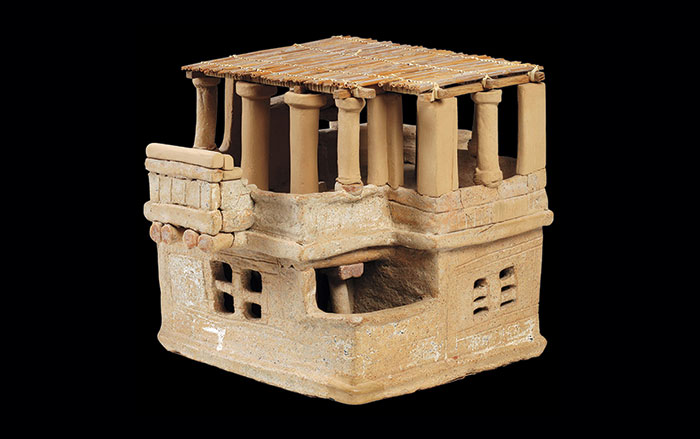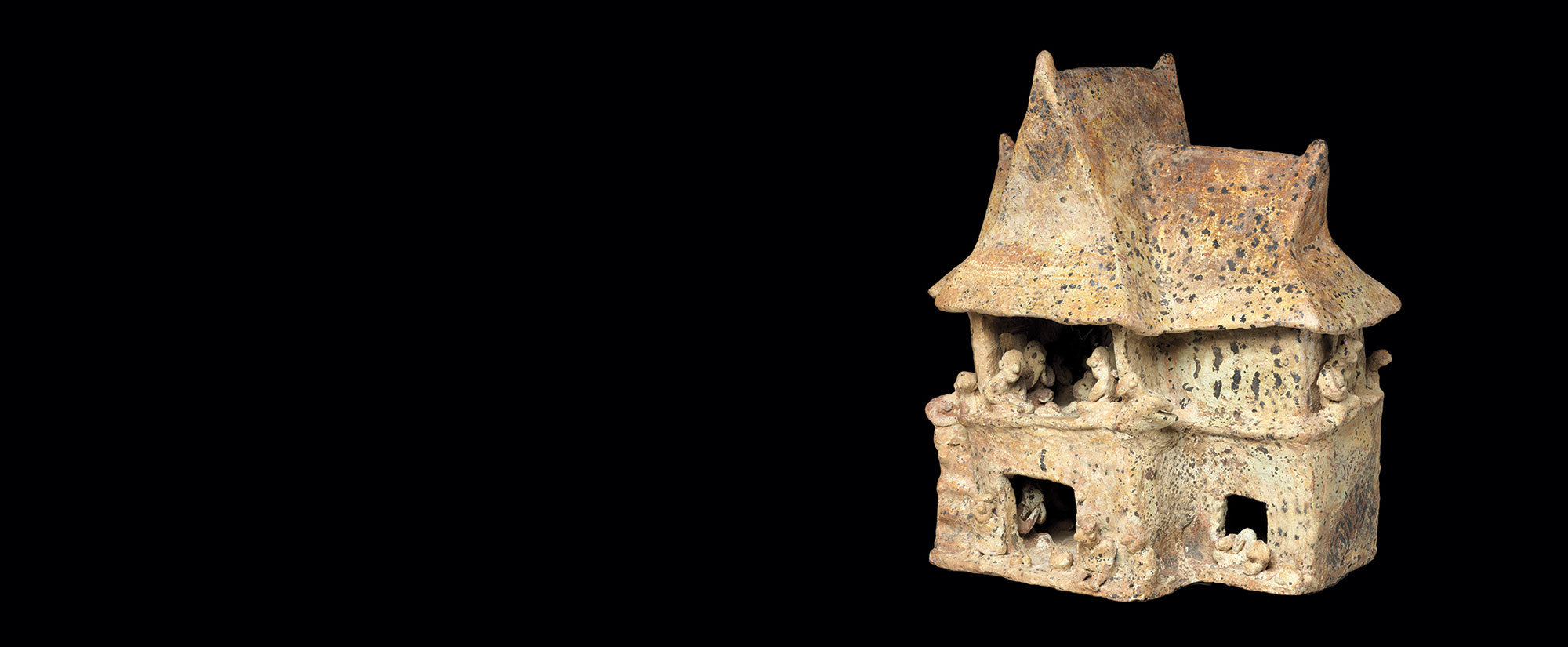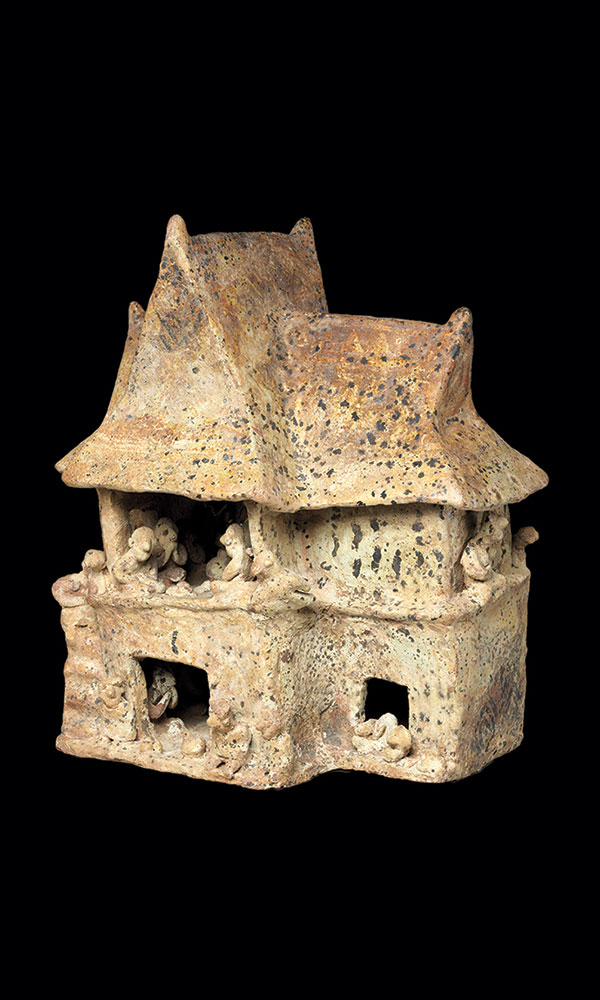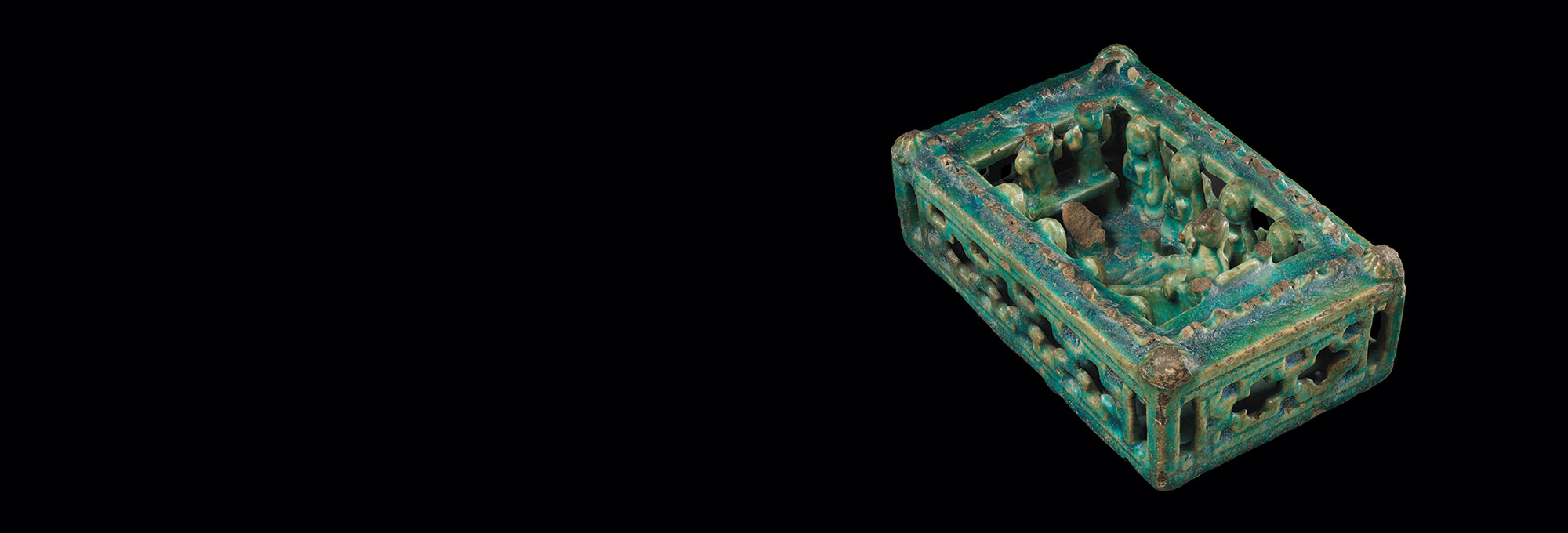
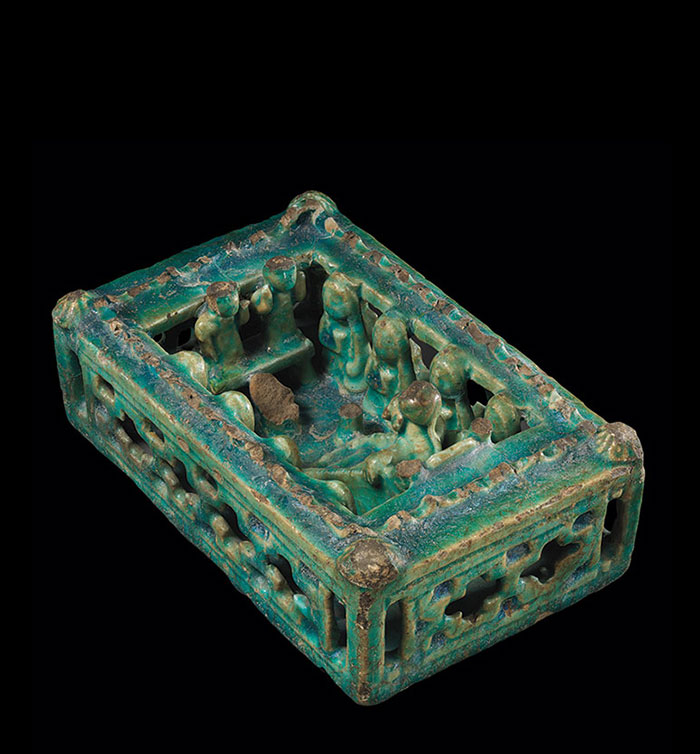
Under the Turkic Seljuk dynasty of the twelfth and thirteenth centuries, the markets of Persia were hives of activity. During this era, cities grew, a mercantile class began to form, and artisans experimented with innovative ways of representing human figures in ceramics. Among the distinctive earthenware objects that date to the period are glazed models of courtyards that feature people drinking, playing musical instruments, and dancing. Archaeologists have unearthed only the foundations of Sel

Recommended Articles
Artifacts March/April 2026
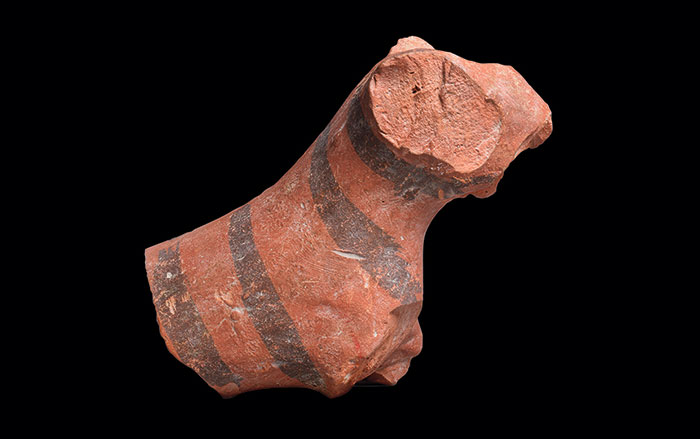
Caspian Tiger Figurine
Digs & Discoveries November/December 2025
BYOB(oar)
Features March/April 2025
Ahead of Their Time
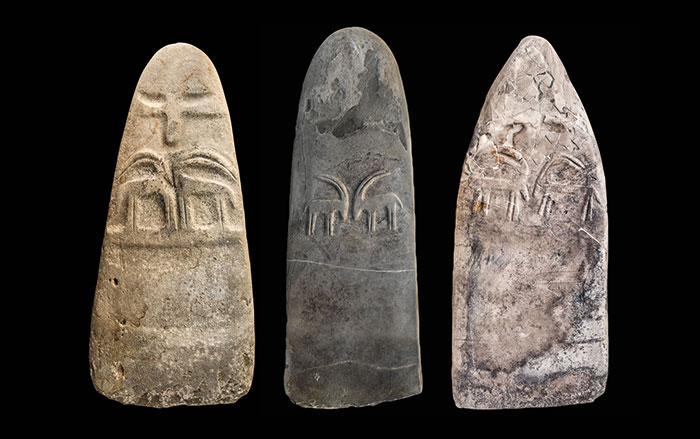
Excavations reveal the surprising sophistication of Copper Age villagers in southwestern Iran 6,000 years ago
Features November/December 2024
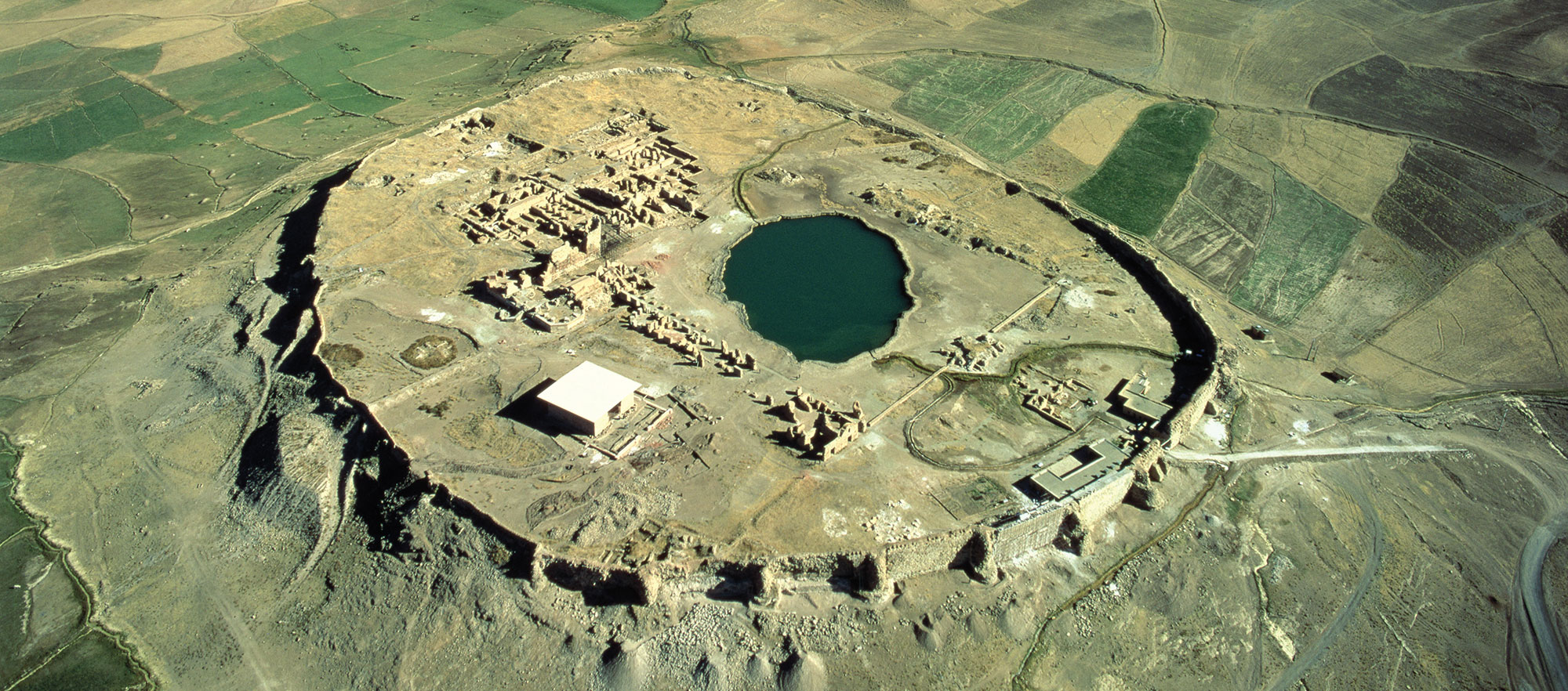
Exploring Ancient Persia’s Royal Fire Temple
At a remote lake in the mountains of Iran, archaeologists have identified the most revered Zoroastrian sanctuary
-
Features March/April 2026
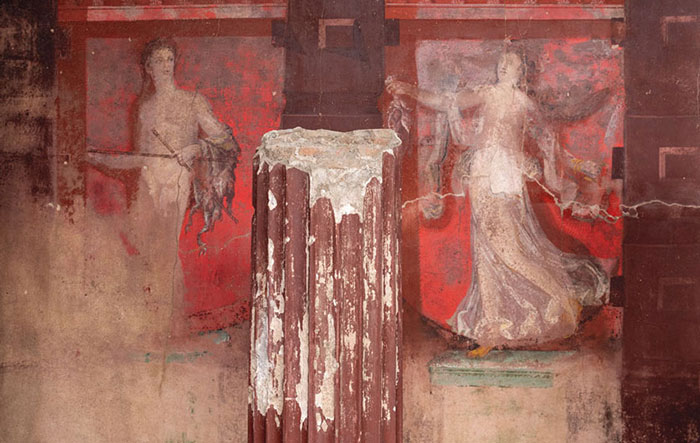
Pompeii's House of Dionysian Delights
Vivid frescoes in an opulent dining room celebrate the wild rites of the wine god
Courtesy Archaeological Park of Pompeii -
Features March/April 2026
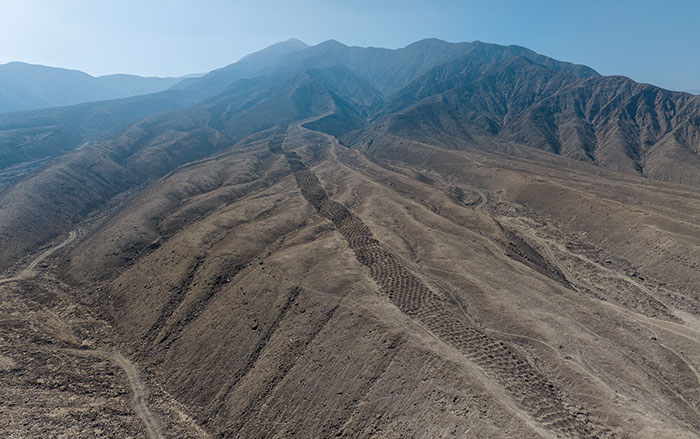
Return to Serpent Mountain
Discovering the true origins of an enigmatic mile-long pattern in Peru’s coastal desert
Courtesy J.L. Bongers -
Features March/April 2026
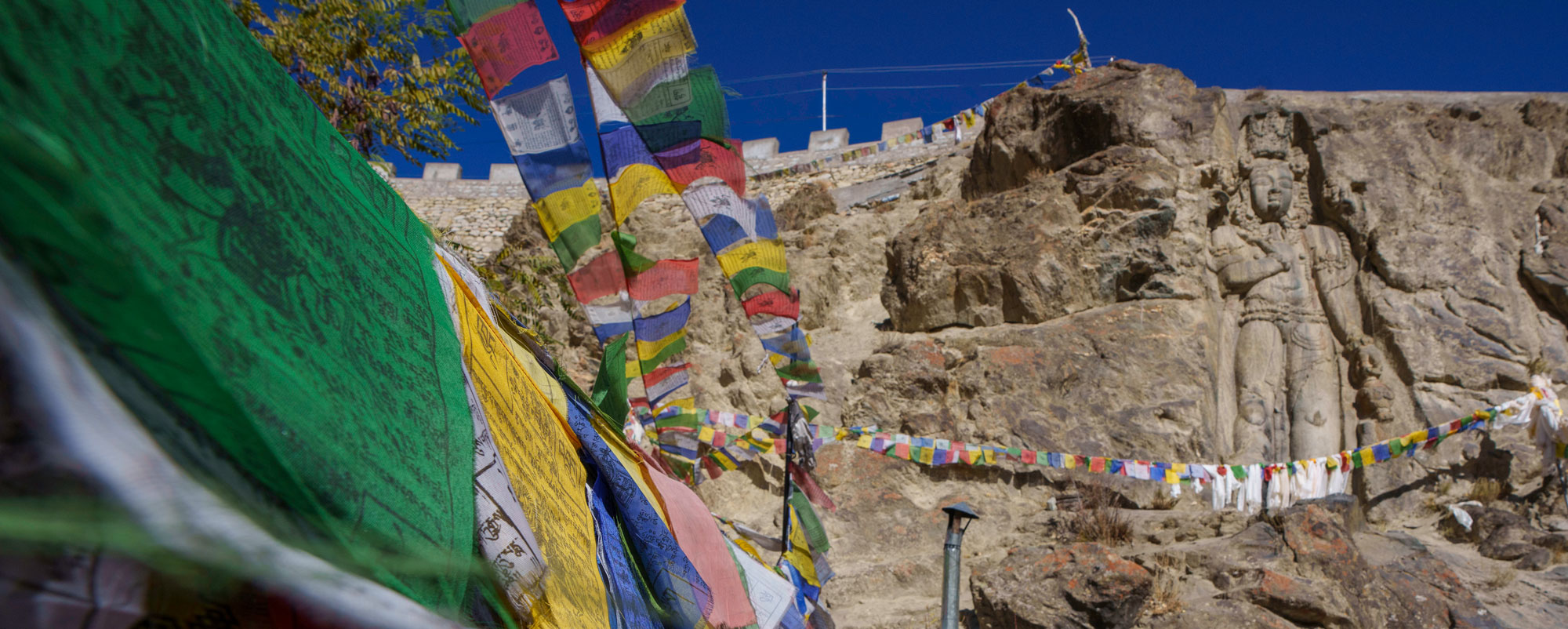
Himalayan High Art
In a remote region of India, archaeologists trace 4,000 years of history through a vast collection of petroglyphs
Matt Stirn -
Features March/April 2026
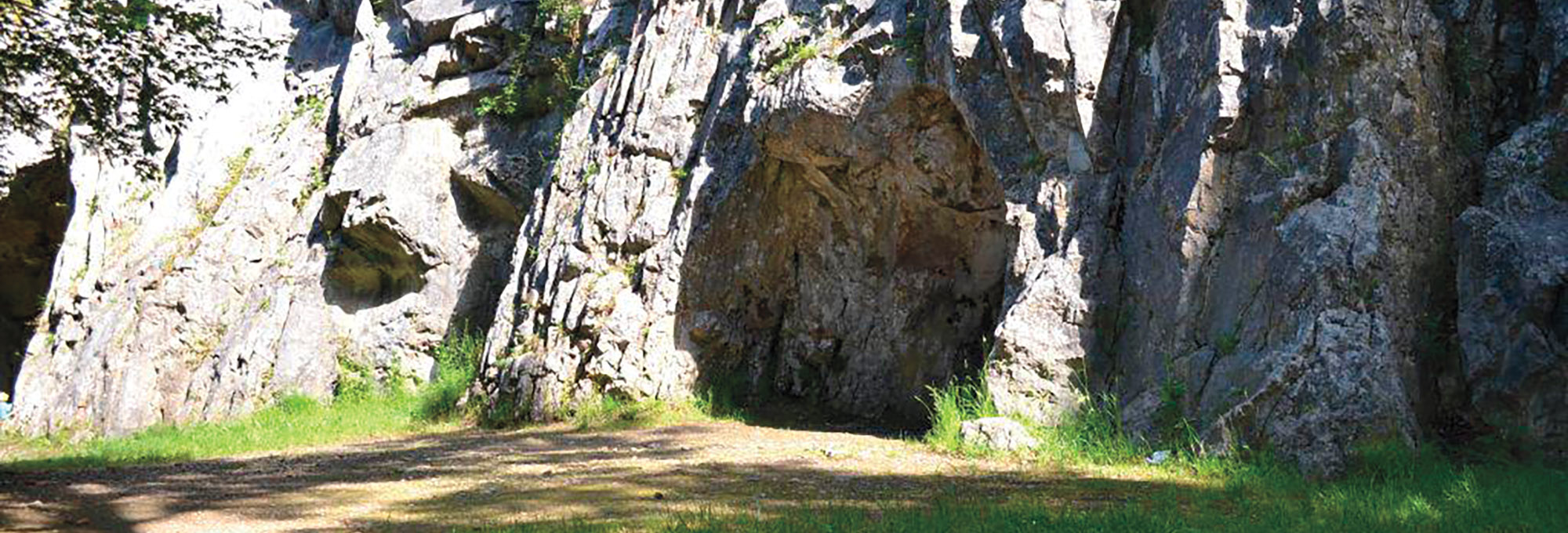
What Happened in Goyet Cave?
New analysis of Neanderthal remains reveals surprisingly grim secrets
IRSNB/RBINSL