

SANTA BARBARA, CALIFORNIA—The Santa Barbara Independent reports that ancestral remains and artifacts have been returned to the Santa Ynez Band of Chumash Mission Indians by the Yale Peabody Museum and Harvard University's Peabody Museum of Archaeology and Ethnology. The repatriation took four years to organize under the Native American Graves Protection and Repatriation Act (NAGPRA), which became law in 1990. “Our ancestors and their belongings were stolen from their resting place, a place where their families and communities prayed and grieved, leaving them to rest,” said Kathleen Marshall of the Santa Ynez Chumash Museum and Cultural Center. The earliest collection of these objects occurred in 1877, she added. The remains will be reburied, while the objects will be archived for use in teaching. Ceremonial items will be used in ceremonies once again. “We are tremendously grateful for [the tribe’s] generosity and trust as we worked through the process to return these important items home,” commented Jane Pickering of the Peabody Museum of Archaeology and Ethnology. To read more about the Chumash, go to "Off the Grid: Chumash Painted Cave State Historic Park, California."
Human Remains and Objects Repatriated to Chumash Indians
News July 16, 2026
Recommended Articles
Off the Grid September/October 2026
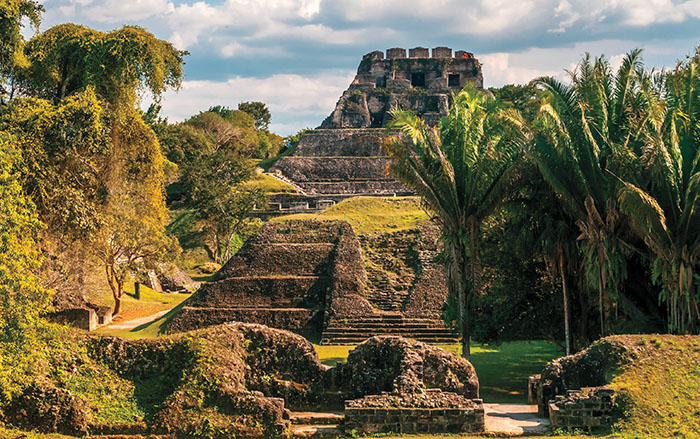
Xunantunich, Belize
Learning to draw monkeys at an ancient Maya art academy
Letter from Ireland September/October 2026
A War Between Friends
How IRA volunteers survived the Irish Civil War in a secret mountain hideout

Features September/October 2026
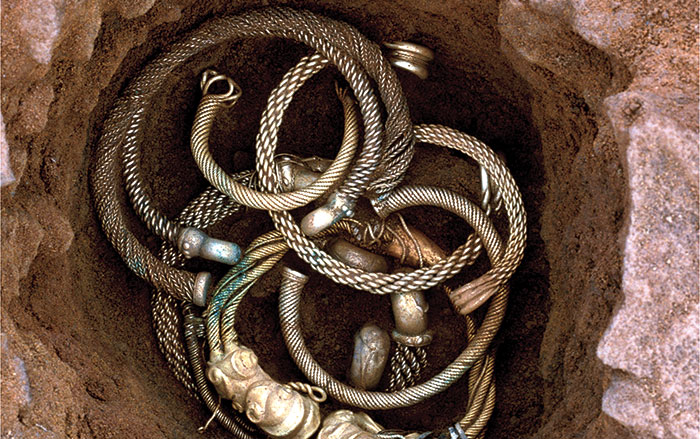
A Change in Fashion
Hoards of lavish gold and silver neck rings buried on an English hill reflect dramatic social change
Features September/October 2026
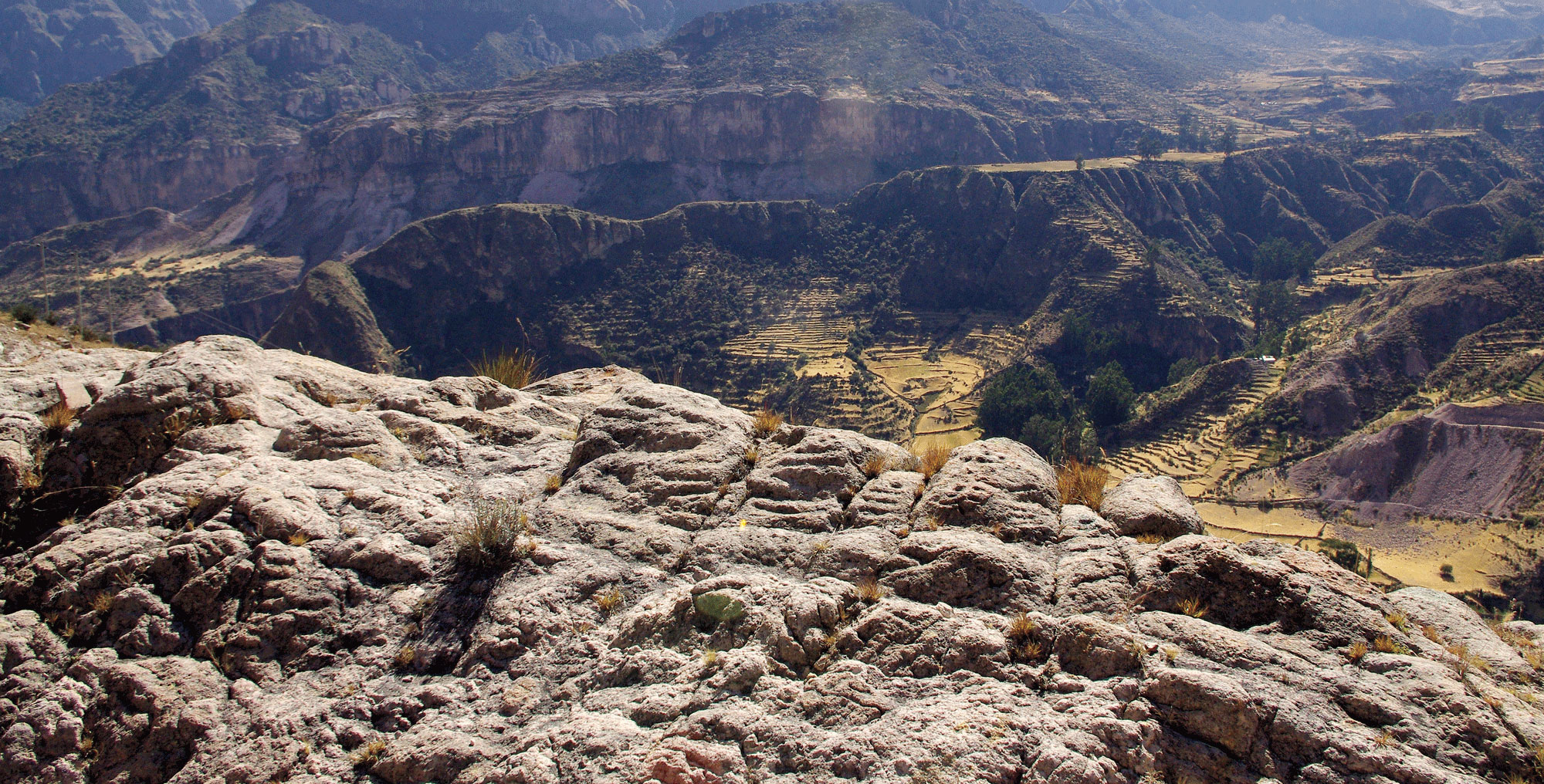
Cultivating Fields of Stone
Peru’s ancient farmers used intricate rock maps to plan for the future
More to Discover
Features July/August 2026
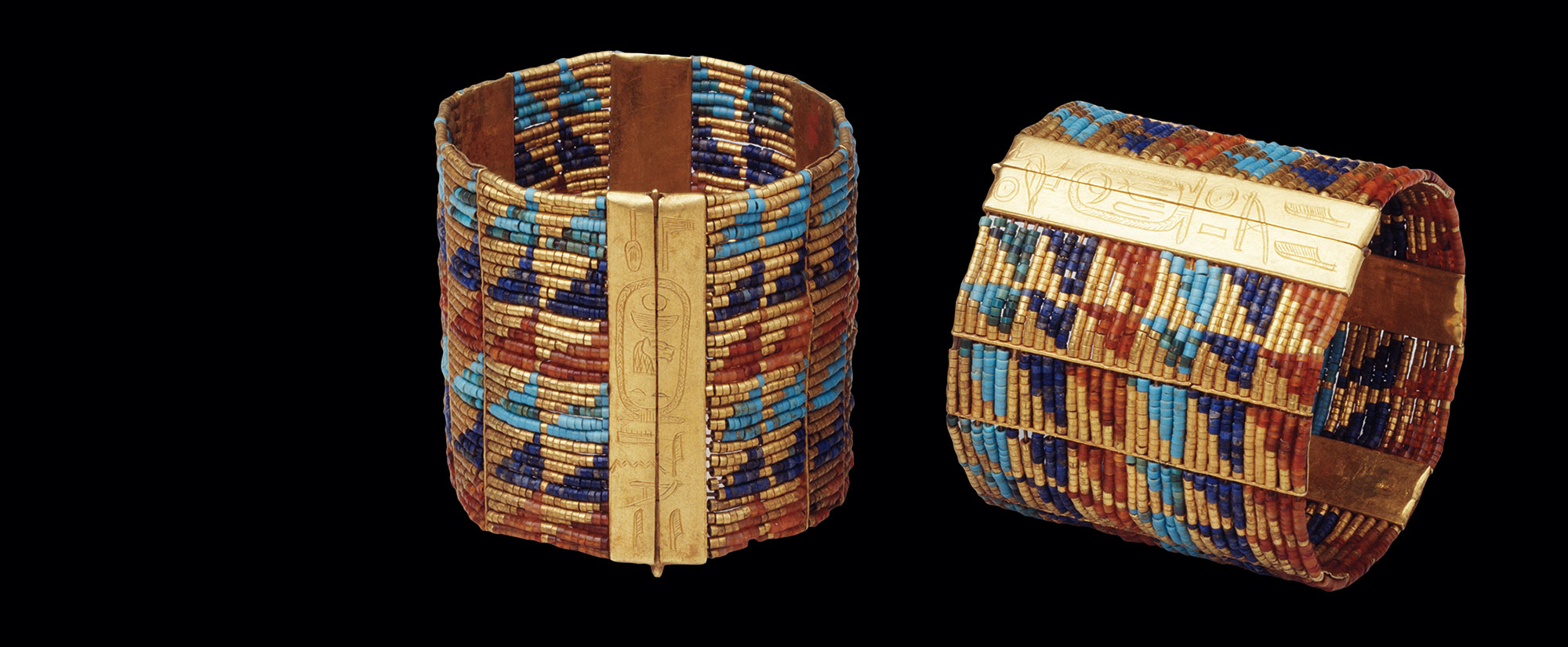
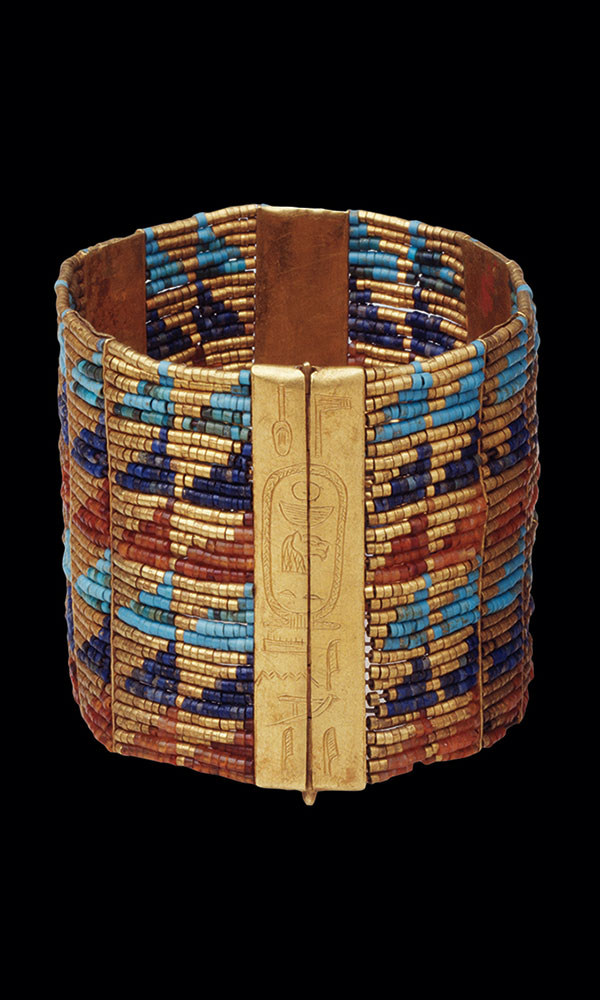
Egypt's First Queen
How a trailblazing ruler pulled her realm back from the brink
-
Features July/August 2026
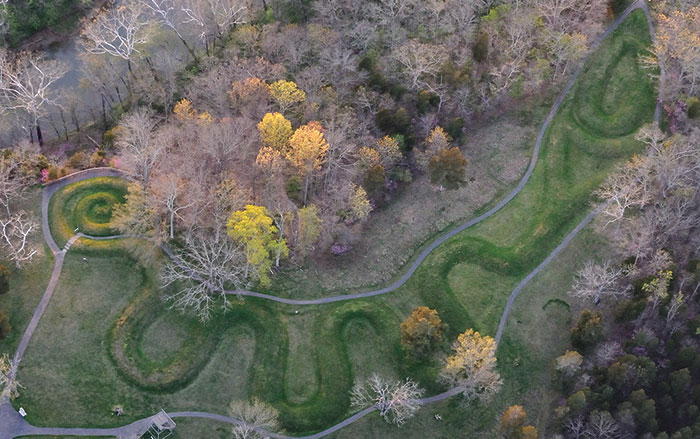
Secrets of the Serpent
Is a Native American origin story embedded in Ohio’s colossal earthwork?
 Timothy E. Black
 -
Features July/August 2026
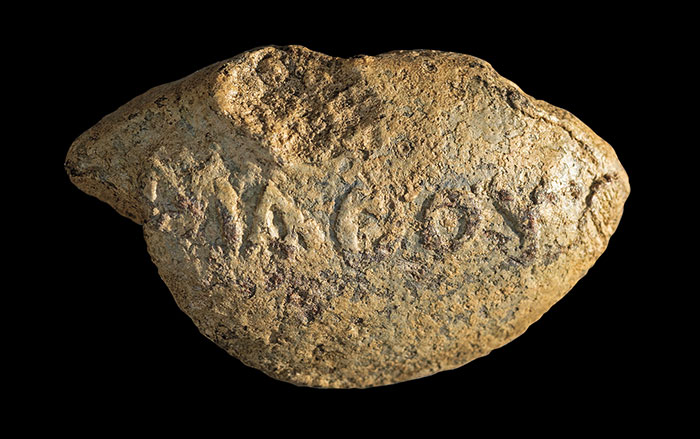
Slinging Insults
Greek and Roman soldiers fired pointed barbs at their enemies
 Courtesy Michael Eisenberg
 -
Features July/August 2026
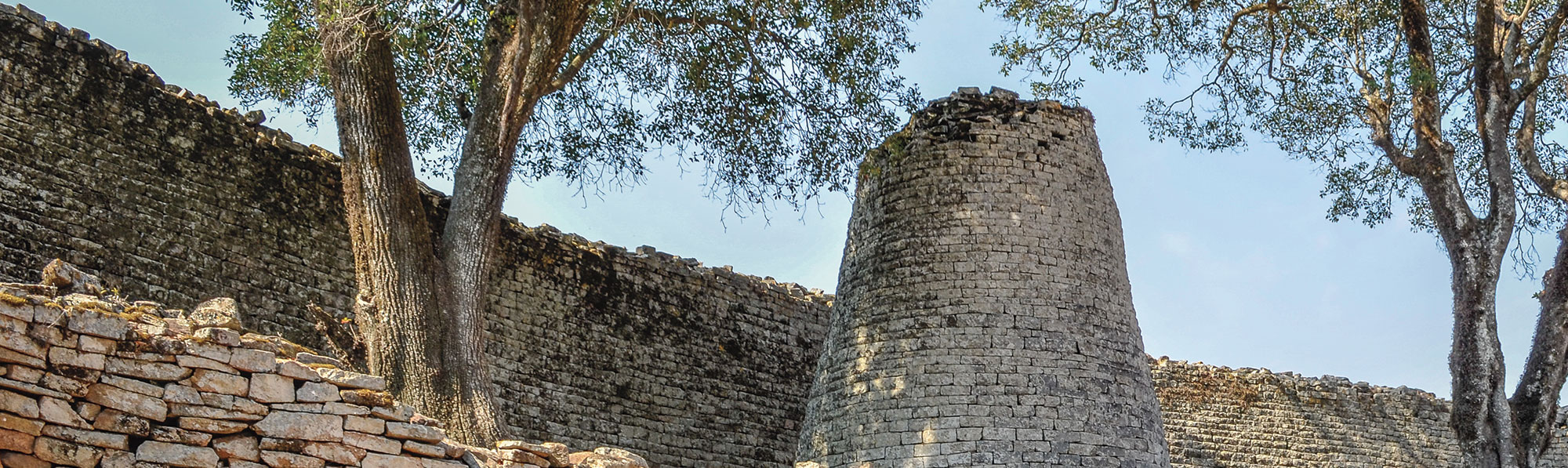
Inside Africa’s Houses of Stone
Archaeologists are rethinking how kings shared power beyond the great capitals of medieval Zimbabwe
 Ad/AdobeStock
 -
Features July/August 2026
Tennis, Anyone?
Discovering the origins of the peculiar racket game that swept sixteenth-century France
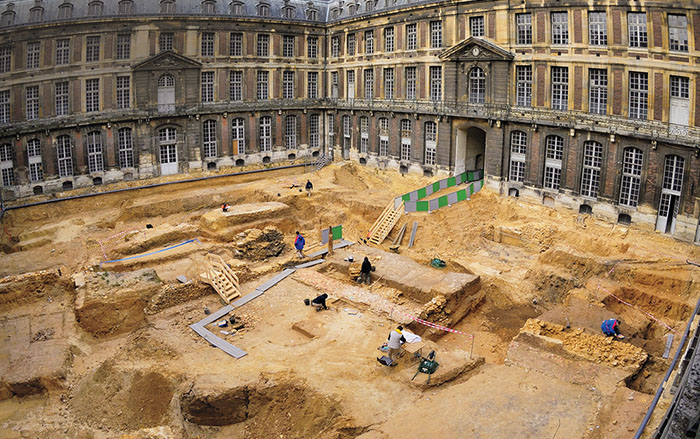 © Denis Gliksman, Inrap