What is it?
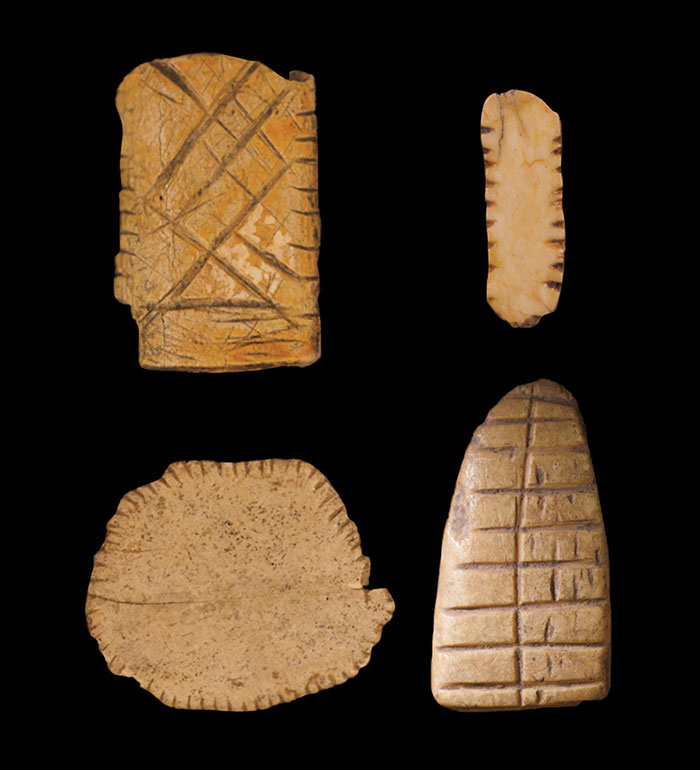
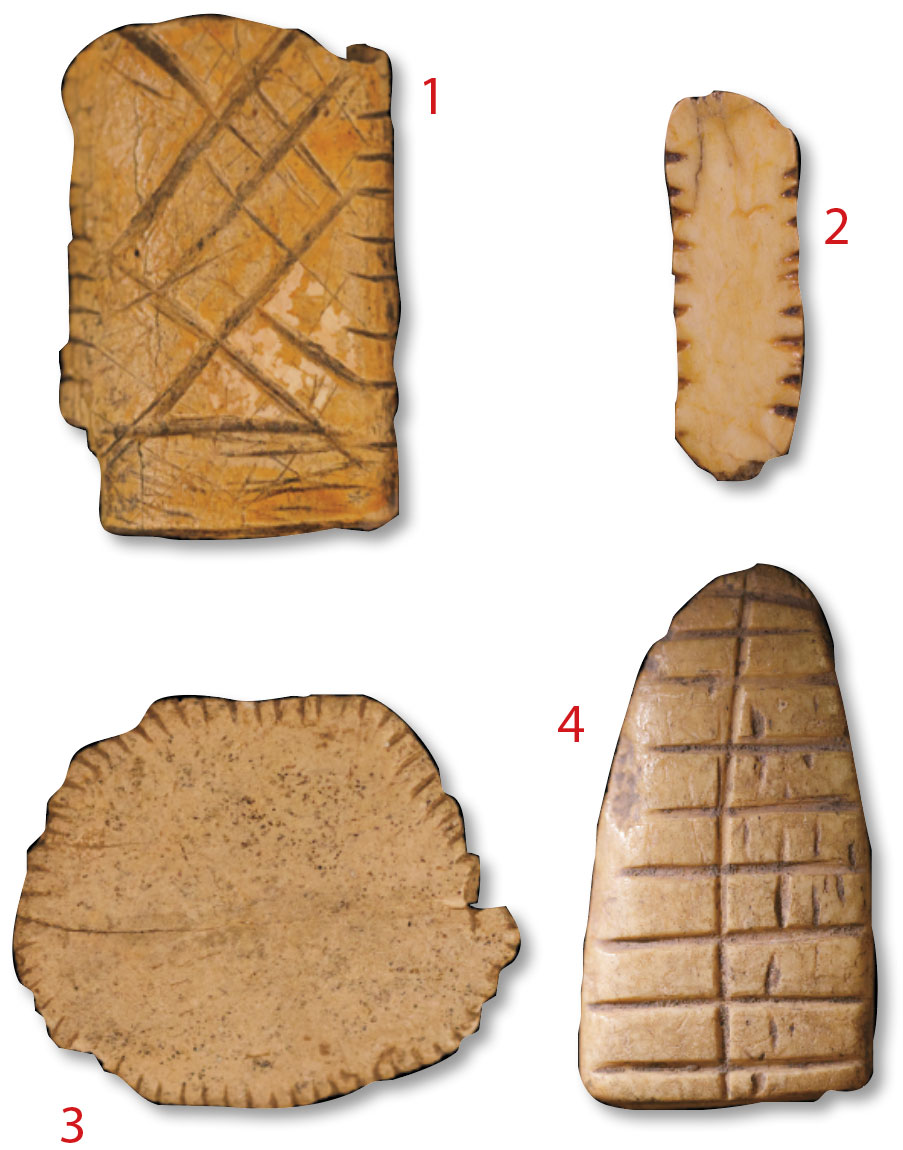
Dice
Material
Bone
Culture
Western Native American
Date
ca. 10,500 b.c.–a.d. 1000
Dimensions
1.0–1.5 inches high,
0.5–2 inches wide
Found
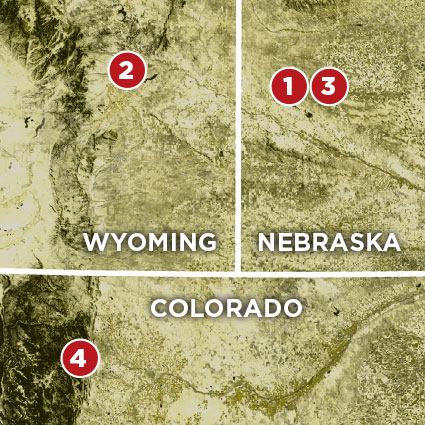
Wyoming, Nebraska, and Colorado
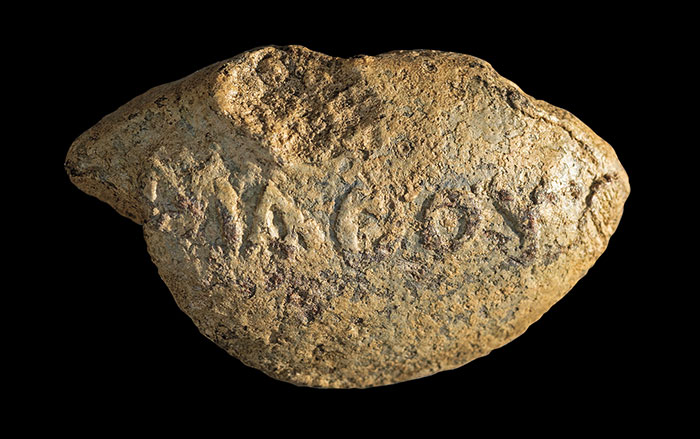
These days, a person throwing dice during a game of chance might be trying to win big at a high-stakes craps table in a plush Vegas casino or they may be bonding with their family during a rainy-day game of Yahtzee around the kitchen table. For some Native American peoples in western North America beginning around 12,500 years ago, dice also played an important social role. Archaeologist Robert J. Madden of Colorado State University has examined 659 dice found at 57 sites in 12 states dating from around 10,500 b.c. through the mid-sixteenth century. He has learned that these seemingly simple artifacts offer insights into how some Native American cultures understood such topics as randomness and probability and how this understanding may have affected their social interactions—both within their own groups and when encountering others. “From the earliest days of modern Western science in the sixteenth and seventeenth centuries, mathematicians have studied probability by analyzing dice rolls because they are clean and simple randomizers,” Madden says. “Historians of mathematics recognize that dice and games of chance are milestones in people’s understanding of randomness and the probabilistic nature of the universe. When you see dice in prehistory, they’re our first physical evidence of humans starting to grapple with these ideas.”
What makes this development so significant is that once people accept that there are random outcomes to games involving throwing dice—that is, as long as everyone’s using the same dice—all parties know they have an equal chance of winning, and this builds trust. “We find dice at locations where we know people were gathering, so it seems that they were using dice games as a kind of social technology to bring people together to exchange information and form relationships,” says Madden. “These were bands of hunter-gatherers who may never have met another particular group, and they may not have spoken the same language, but they all spoke the language of the game.”
Further Reading
A Roll of the Dice: How Native Americans Shaped Gambling and Probability Long Before the Old World, a podcast featuring archaeologist Robert J. Madden
For hunter-gatherers, games of chance could foster relationships and the exchange of information
Searching for the Comanche Empire
In a deep gorge in New Mexico, archaeologists have discovered a unique site that tells the story of a nomadic confederacy's rise to power in the heart of North America
Letter from Montana: The Buffalo Chasers
Vast expanses of grassland near the Rocky Mountains bear evidence of an extraordinary ancient buffalo hunting culture
Walking Into New Worlds
Native traditions and novel discoveries tell the migration story of the ancestors of the Navajo and Apache