

BİLECİK, TURKEY—Hürriyet Daily News reports that 25 turtle figurines carved from limestone have been discovered in a cave in northwestern Turkey. Some of the figurines, which measure less than one foot long and eight inches wide, had been coated with clay. The figurines have been dated to between 14,500 and 11,200 years ago by a team of researchers led by archaeologist Deniz Sarı of Edebali University. They suggest that the figurines were placed in the cave for ritual purposes. “There is an architectural arrangement forming circular rings,” Sarı said. “Around these, we found turtle figurines, mostly half-shaped or quickly fashioned from limestone, inserted into the ground,” she explained. Gedikkaya Hill, where the cave is located, resembles a turtle, and may have inspired the activity, Sarı added. “It may be too early to speak of such a cult for this period, but we know that most of the small figurines recovered appear to have been deliberately designed in the form of Gedikkaya Hill,” she said. Turtles were also used to represent longevity and endurance, she concluded. To read about a sixth-century b.c. burial of a woman and child interred with turtles in southeastern Turkey, go to "Let a Turtle Be Your Psychopomp."
Prehistoric Turtle Figurines Found in Turkey
News August 24, 2026
Recommended Articles
Digs & Discoveries July/August 2026
Put On Your Best Face
An opulent Roman villa hid a very peculiar staircase and an underground room for secret rites
Digs & Discoveries July/August 2026
Hurry Up and Celebrate
Features January/February 2026
The Cost of Doing Business
Piecing together the Roman empire’s longest known inscription—a peculiarly precise inventory of prices

Digs & Discoveries January/February 2026
The Palace Times

More to Discover
Features July/August 2026
Egypt's First Queen
How a trailblazing ruler pulled her realm back from the brink
-
Features July/August 2026
Secrets of the Serpent
Is a Native American origin story embedded in Ohio’s colossal earthwork?
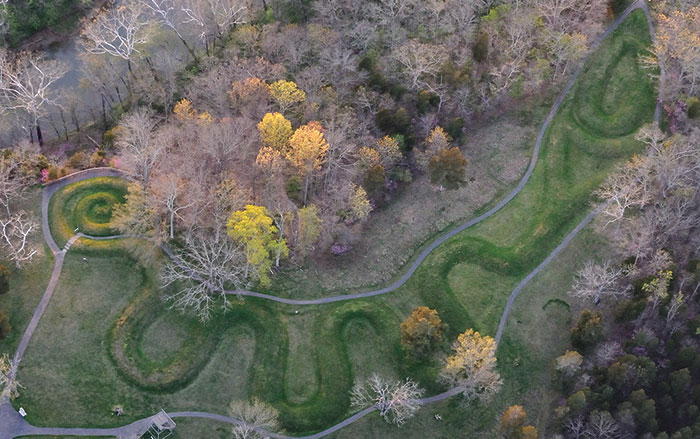 Timothy E. Black
 -
Features July/August 2026
Slinging Insults
Greek and Roman soldiers fired pointed barbs at their enemies
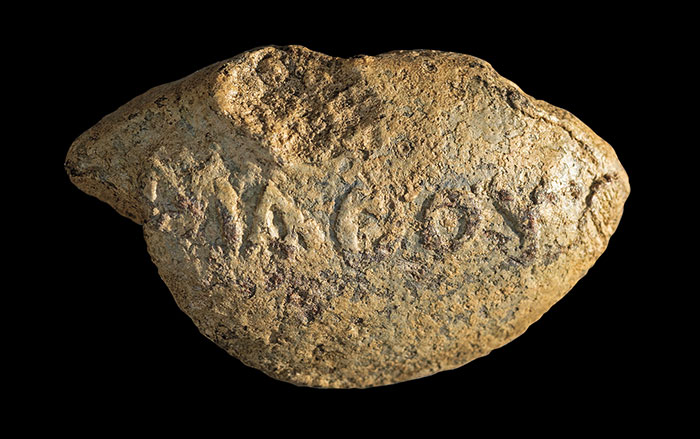 Courtesy Michael Eisenberg
 -
Features July/August 2026
Inside Africa’s Houses of Stone
Archaeologists are rethinking how kings shared power beyond the great capitals of medieval Zimbabwe
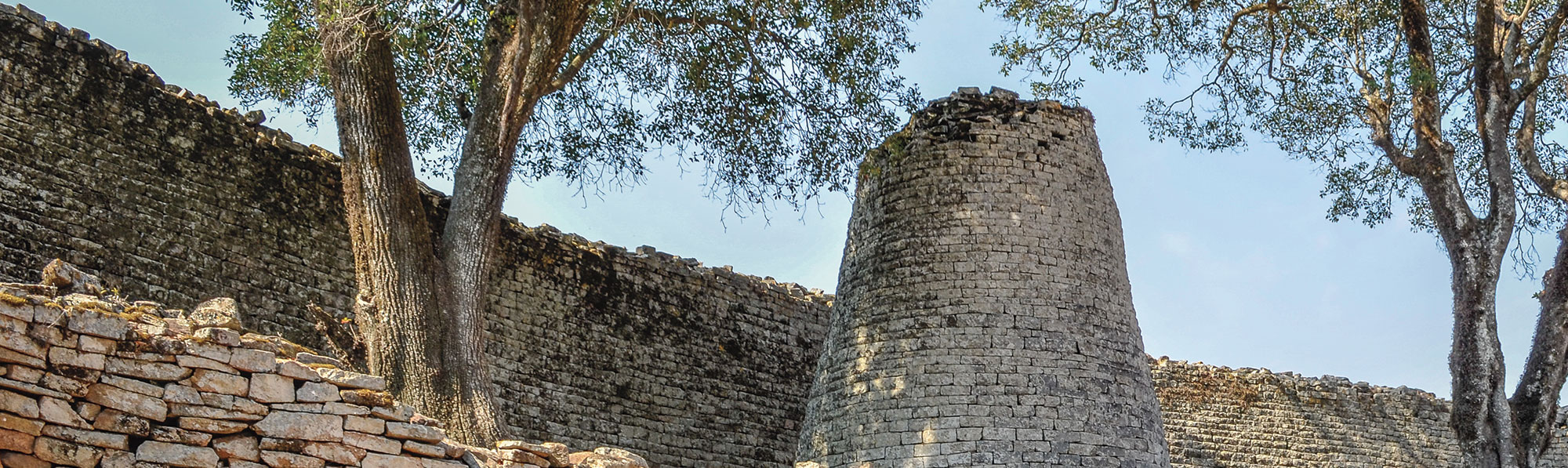 Ad/AdobeStock
 -
Features July/August 2026
Tennis, Anyone?
Discovering the origins of the peculiar racket game that swept sixteenth-century France
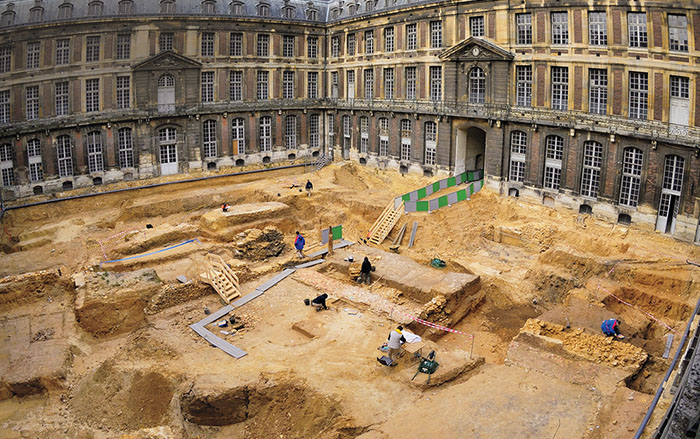 © Denis Gliksman, Inrap