Features
Features November/December 2026
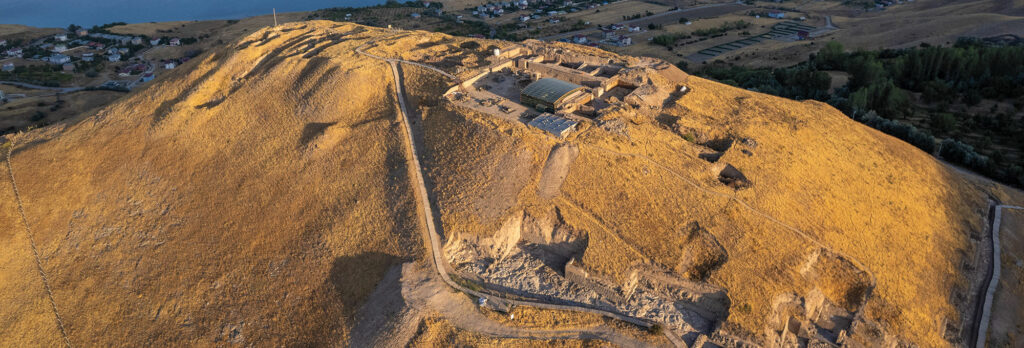
Kingdom of Fortresses
How diverse and far-flung Iron Age chiefdoms united to challenge the Assyrian Empire
RECENT Features
Features November/December 2026
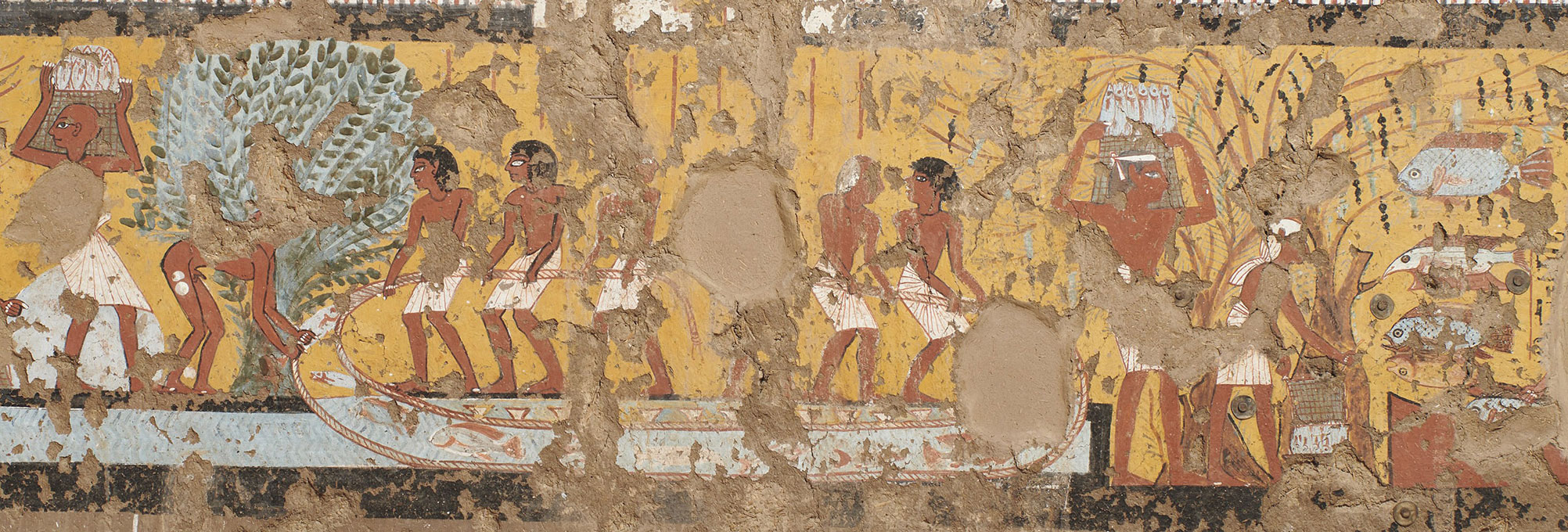
A Tomb of One's Own
Life behind the scenes in Egypt’s Valley of the Kings
Features November/December 2026
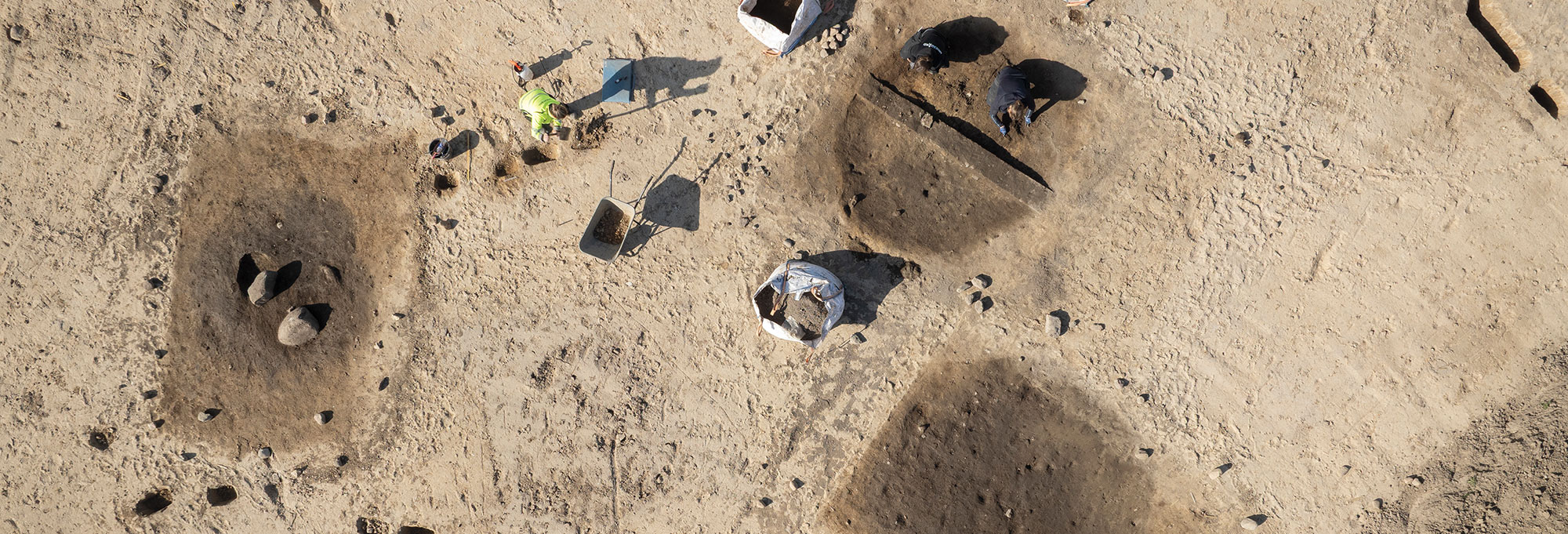
Outfitting Viking Voyagers
In Denmark, archaeologists have discovered a massive factory that equipped an innovative fleet
Features November/December 2026
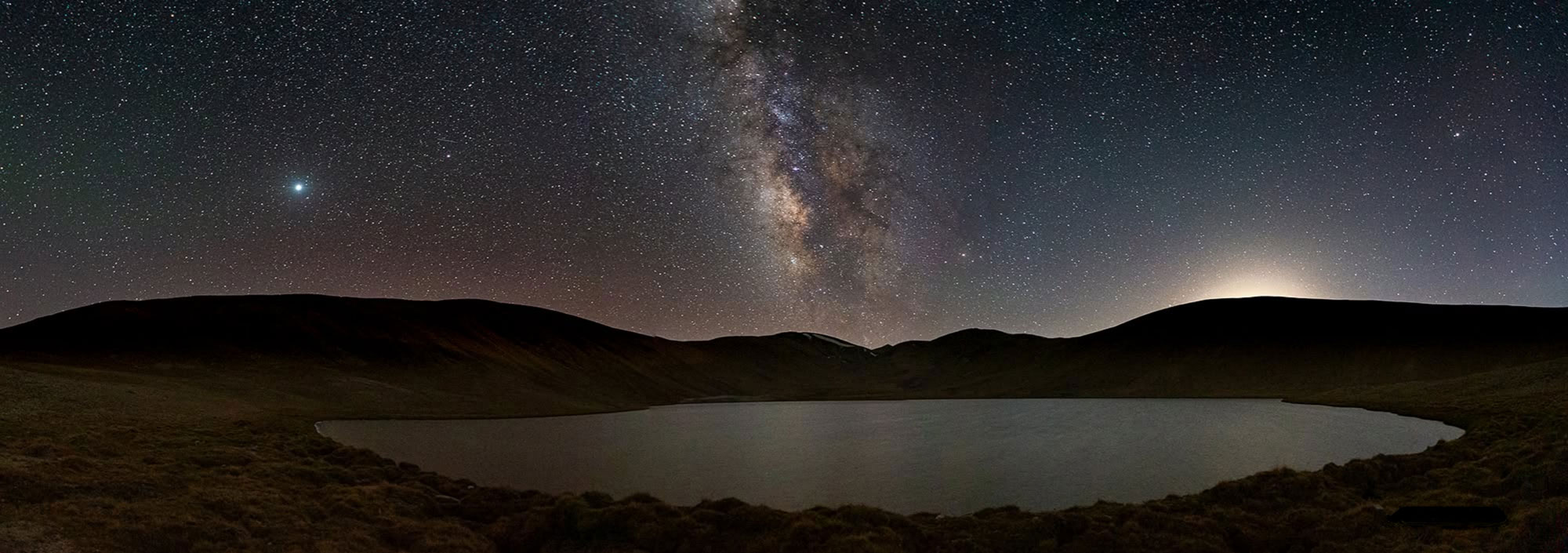
Stone Age Stargazers
Did artists 12,000 years ago illuminate a cave in Tajikistan with their vision of the Milky Way?
Features November/December 2026
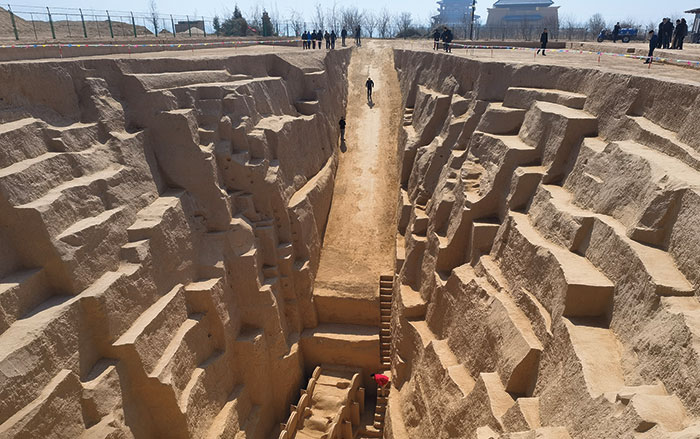
Unearthing the Outlanders
New discoveries challenge ancient prophecies about the peoples living on China’s borders three millennia ago
MORE Features
-
Features January 1, 2011
Undiscovery of the Year - Clovis Comet
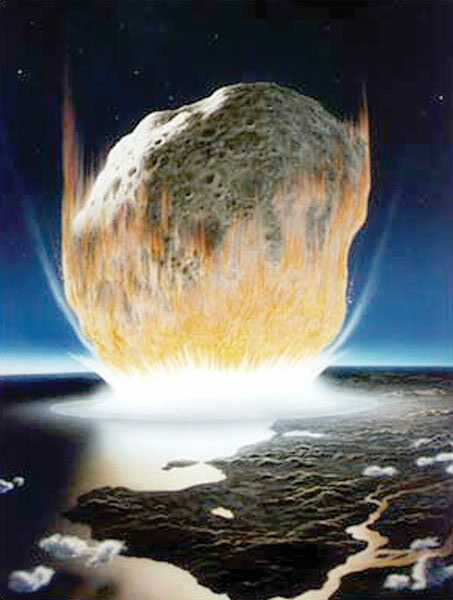 (Courtesy NASA)
 -
 AP Photos/Durmus Genc, Anatolian
 -
Features January 1, 2011
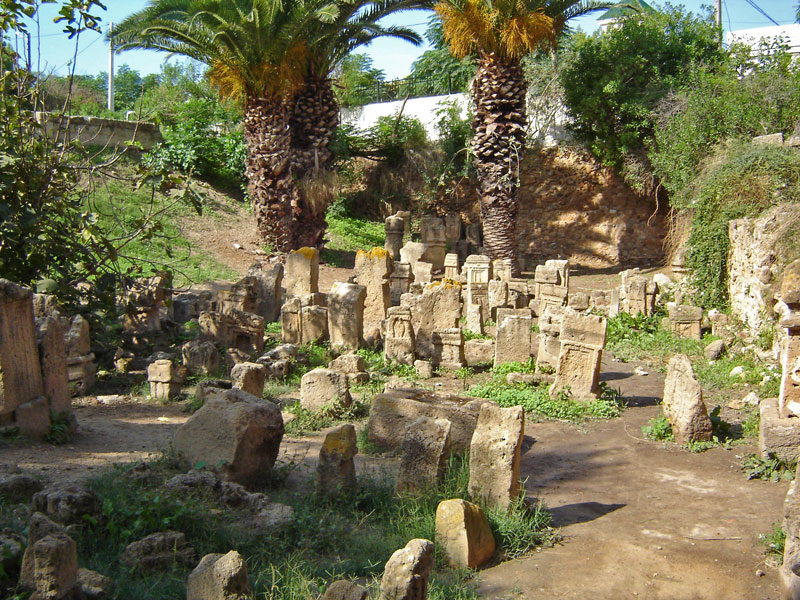
Child Burials - Carthage, Tunisia
A team led by University of Pittsburgh physical anthropologist Jeffrey Schwartz has refuted the long-held claim that the Carthaginians carried out large-scale child sacrifice from the eighth to second centuries b.c.
-
Features January 1, 2011
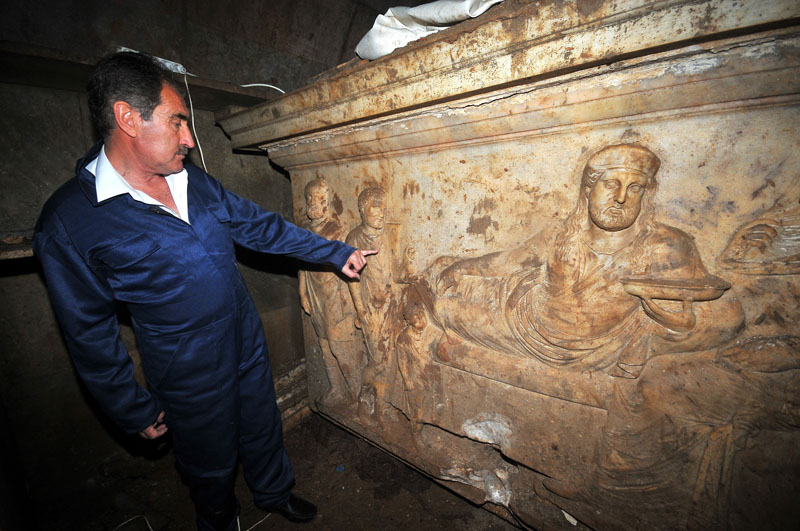
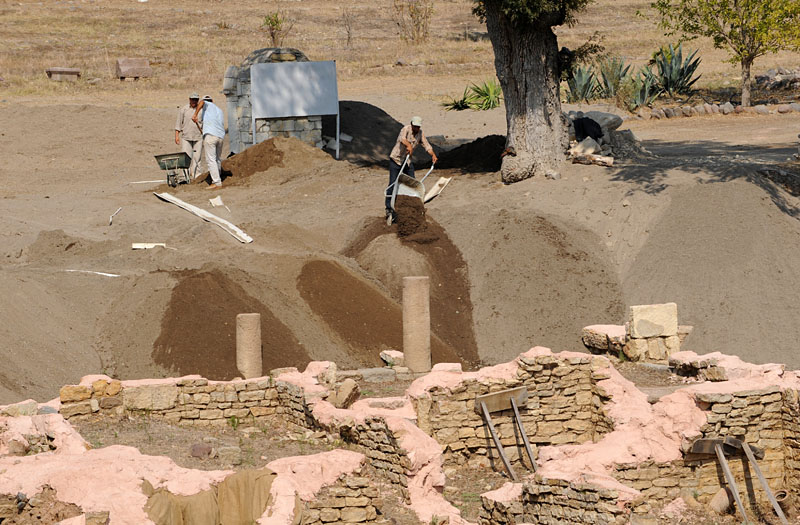
Allianoi - Turkey
A reservoir created by a new hydroelectric dam in western Turkey will soon permanently flood the ruins of the Roman-era bath complex of Allianoi.
-
Features January 1, 2011
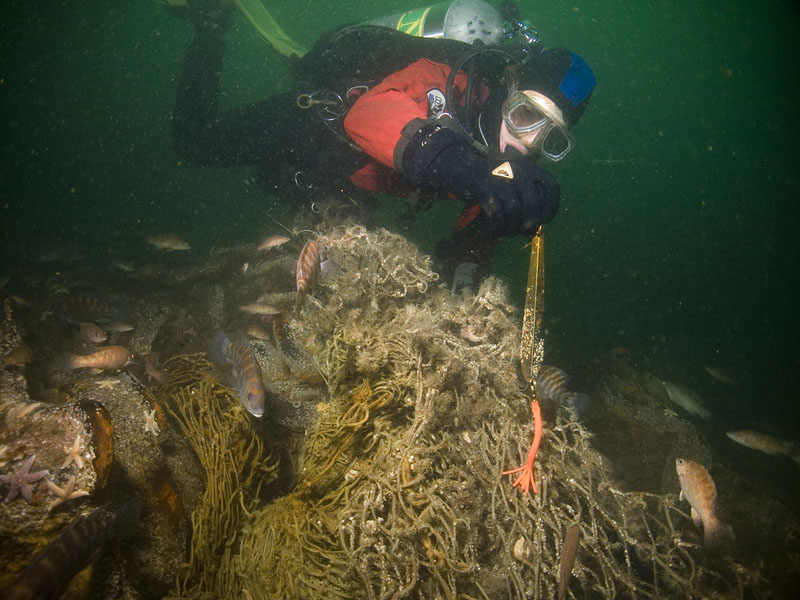
Underwater Shipwrecks - Massachusetts Bay
Historic shipwrecks all over the world are severely damaged by bottom trawling, a fishing method that involves hauling huge nets across the ocean floor.
-
Features January 1, 2011
Ashur - Iraq
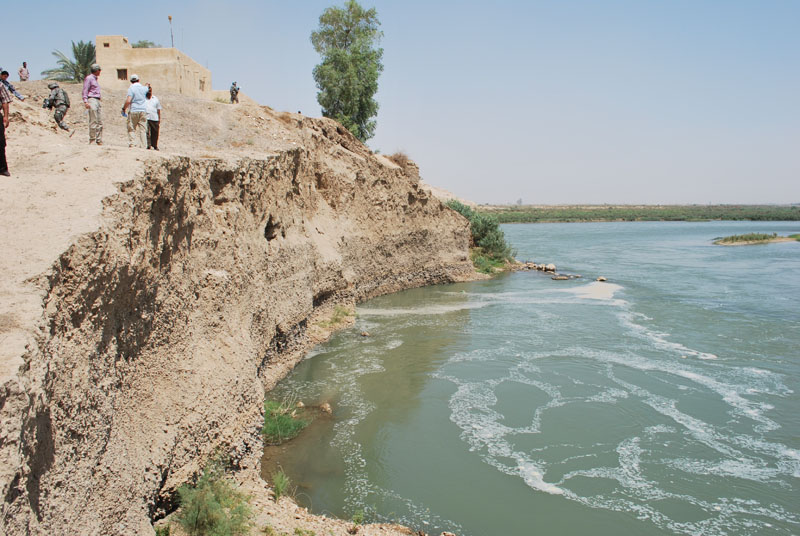
A section of the Assyrian capital of Ashur in central Iraq is gradually eroding into the Tigris River.