
Features
Features November/December 2026
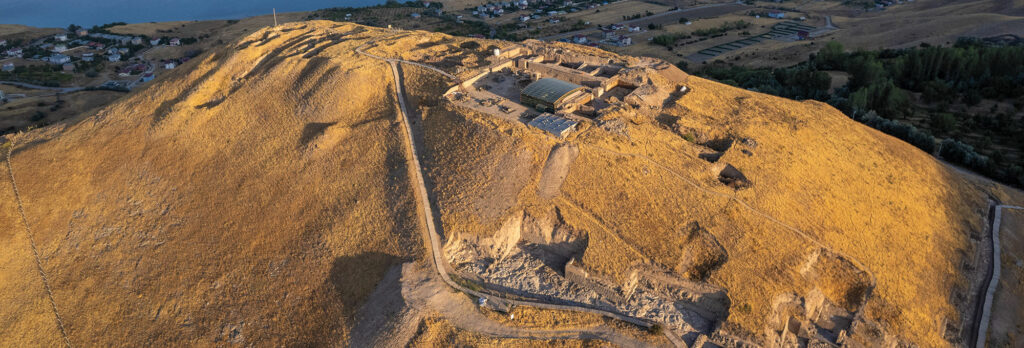
Kingdom of Fortresses
How diverse and far-flung Iron Age chiefdoms united to challenge the Assyrian Empire
RECENT Features
Features November/December 2026
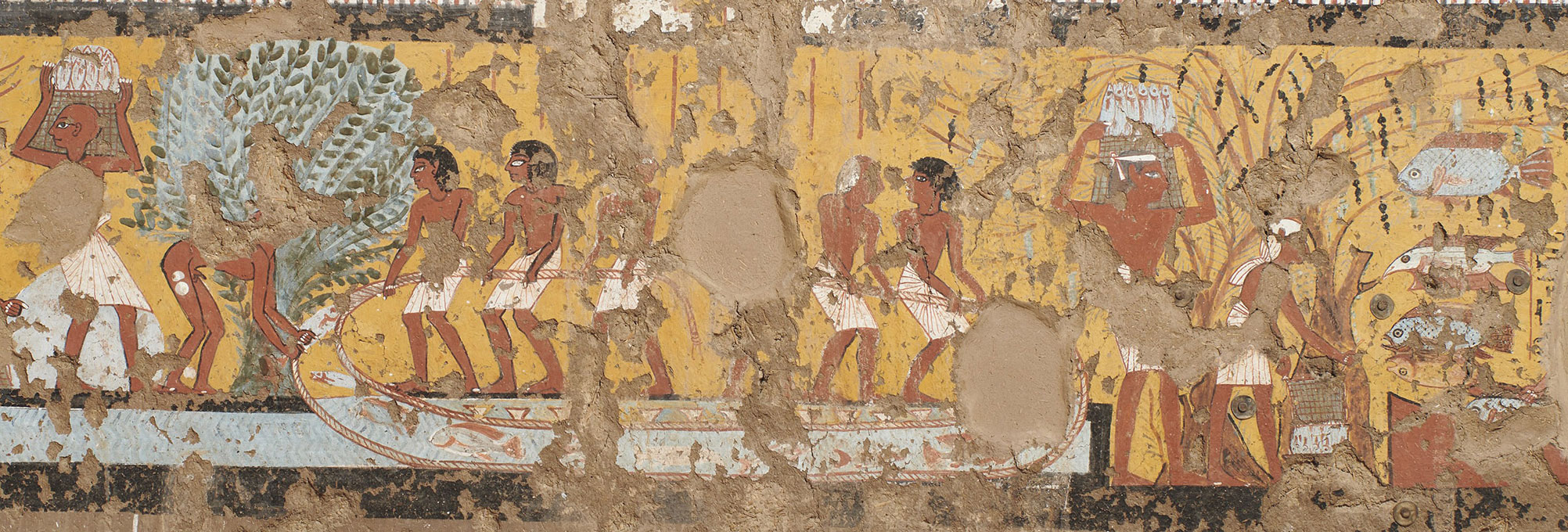
A Tomb of One's Own
Life behind the scenes in Egypt’s Valley of the Kings
Features November/December 2026
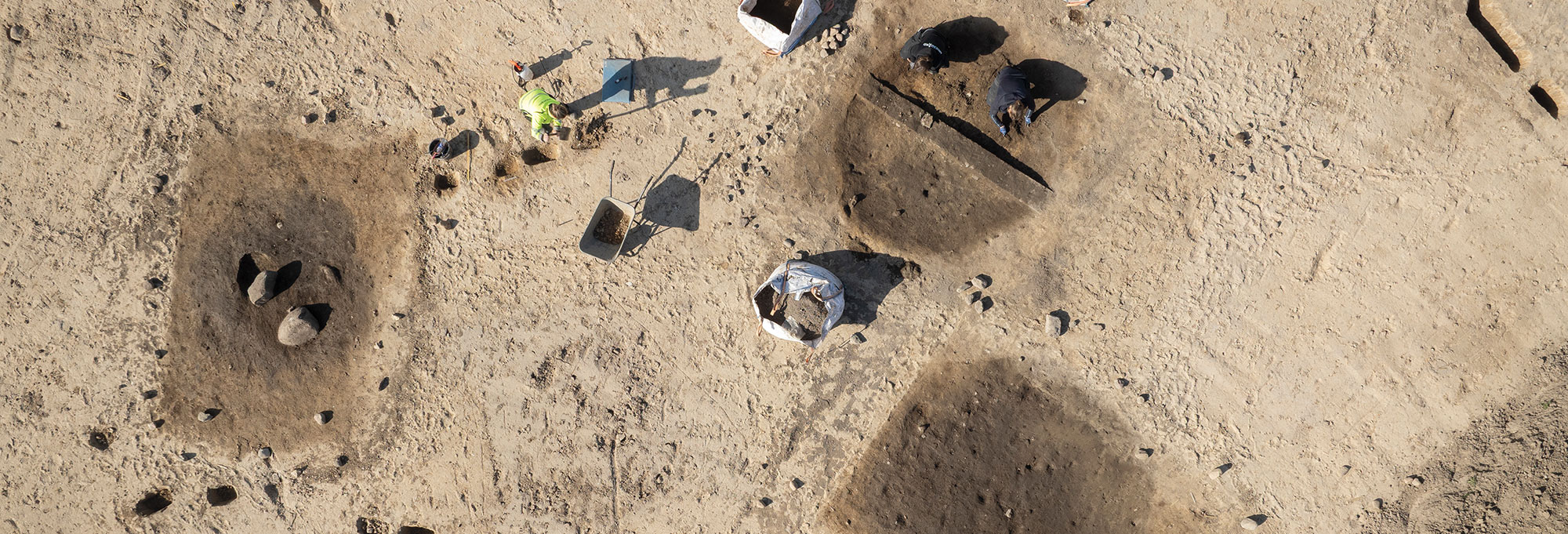
Outfitting Viking Voyagers
In Denmark, archaeologists have discovered a massive factory that equipped an innovative fleet
Features November/December 2026
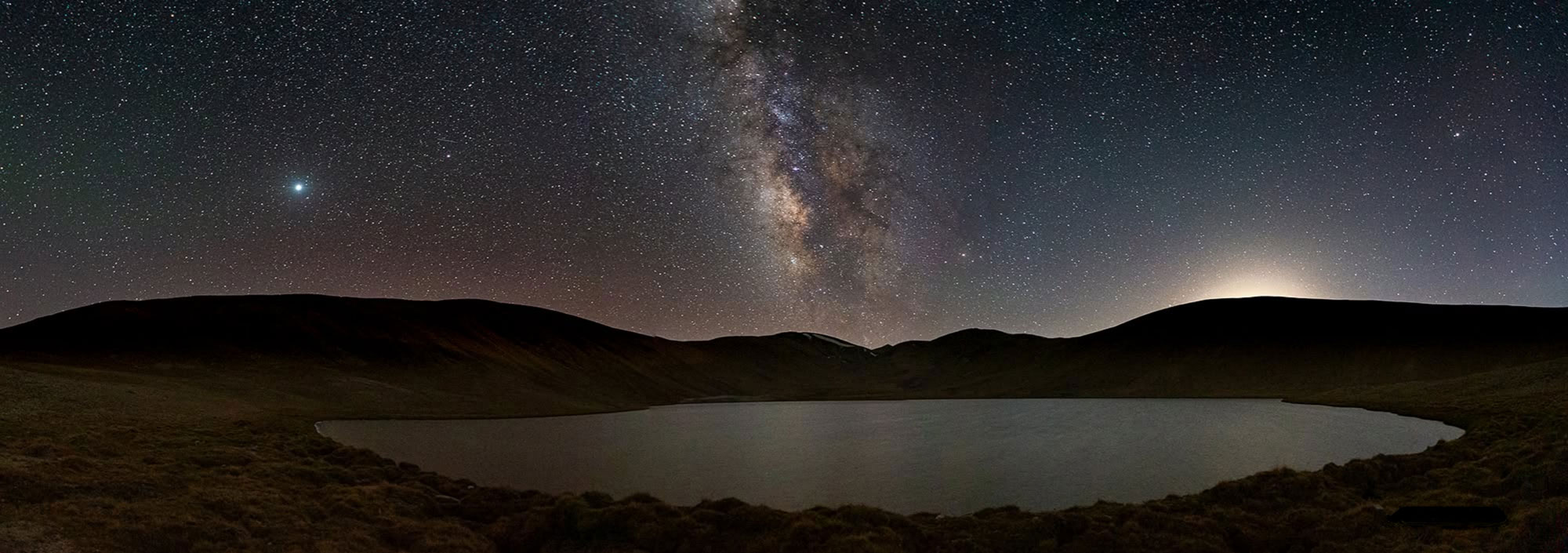
Stone Age Stargazers
Did artists 12,000 years ago illuminate a cave in Tajikistan with their vision of the Milky Way?
Features November/December 2026
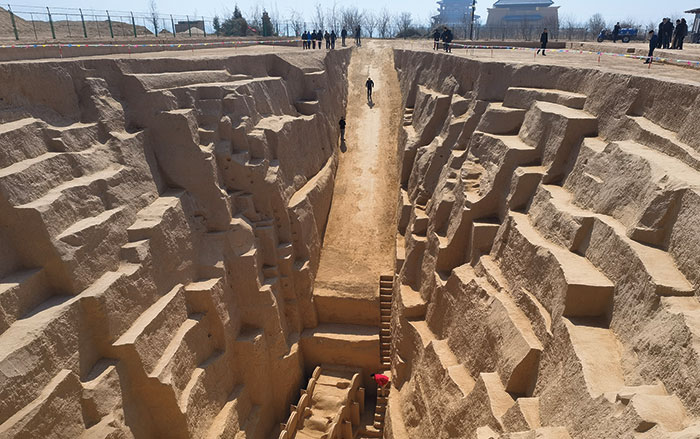
Unearthing the Outlanders
New discoveries challenge ancient prophecies about the peoples living on China’s borders three millennia ago
MORE Features
-
Features January 1, 2011
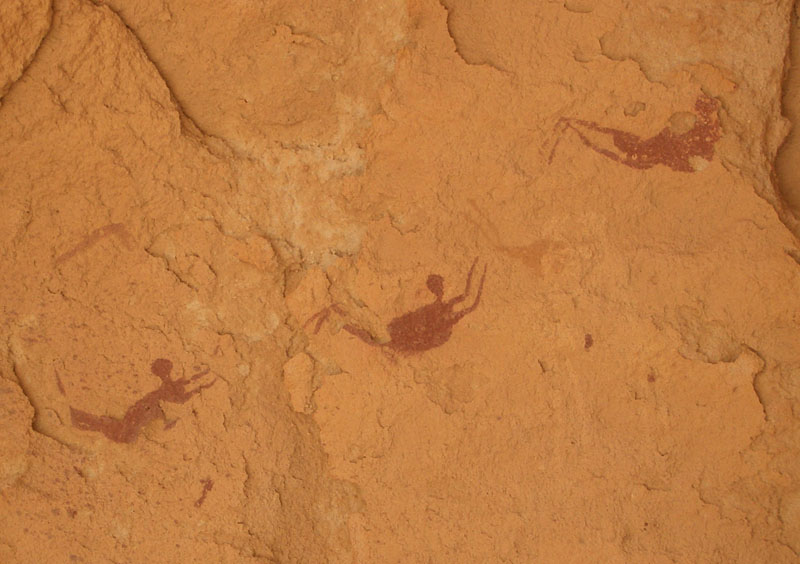
Cave of the Swimmers - Egypt
The Neolithic rock art at the Cave of the Swimmers, made popular by the 1996 film The English Patient, is being admired to death by tourists who feel compelled to touch the 10,000-year-old paintings.
-
Features January 1, 2011
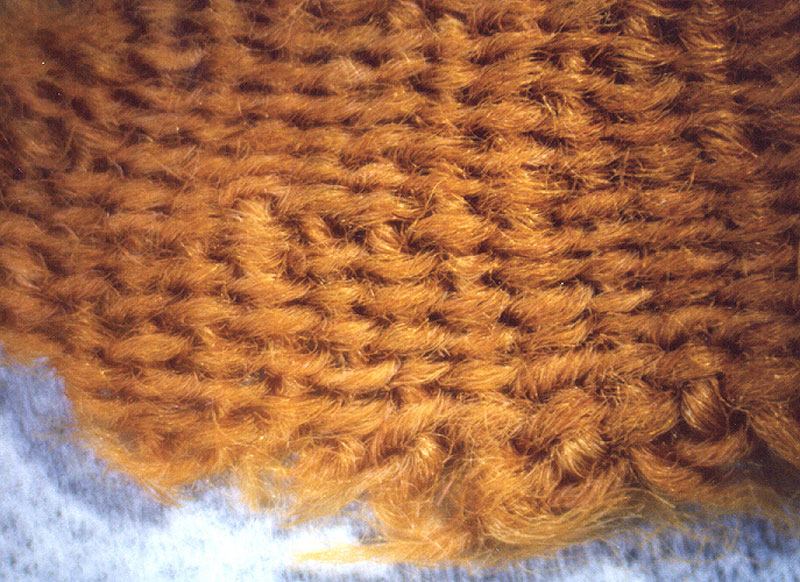
Nondestructive Radiocarbon Dating - College Station, Texas
Precisely dating archaeological artifacts is not as easy or harmless as it might seem. The most common method, radiocarbon dating, requires that a piece of an organic object be destroyed—washed with a strong acid and base at high temperature to remove impurities, and then set aflame.
-
Features January 1, 2011
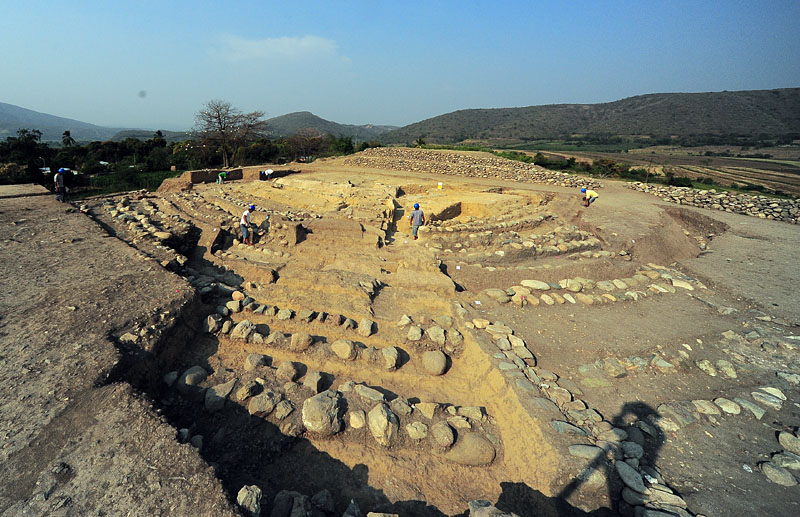
Early Pyramids - Jaen, Peru
Peru's towering burial mounds, with their underground chambers and layers upon layers of history, had long been thought to be a distinctive feature of the country's arid coast.
-
Features January 1, 2011
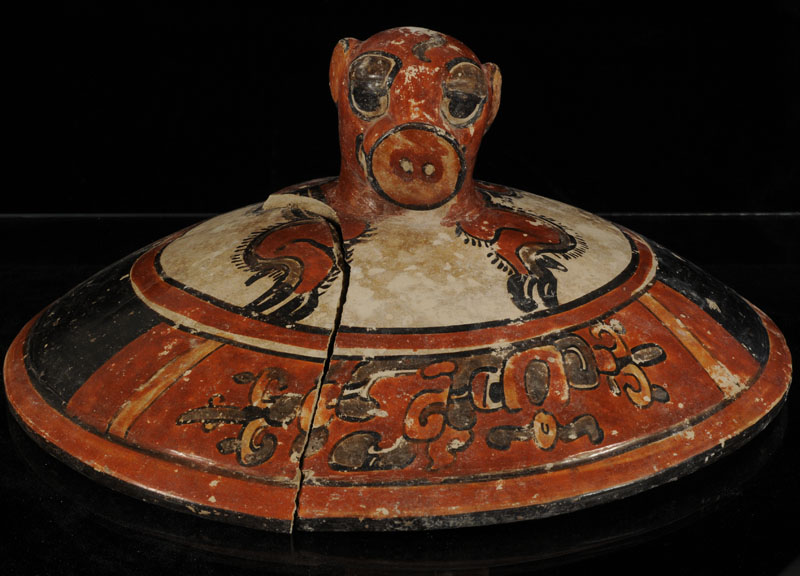
Royal Tomb - El Zotz, Guatemala
A deep looters' trench led archaeologists to a series of amazing, macabre finds beneath the El Diablo pyramid at the modest Maya city of El Zotz.
-
Features January 1, 2011
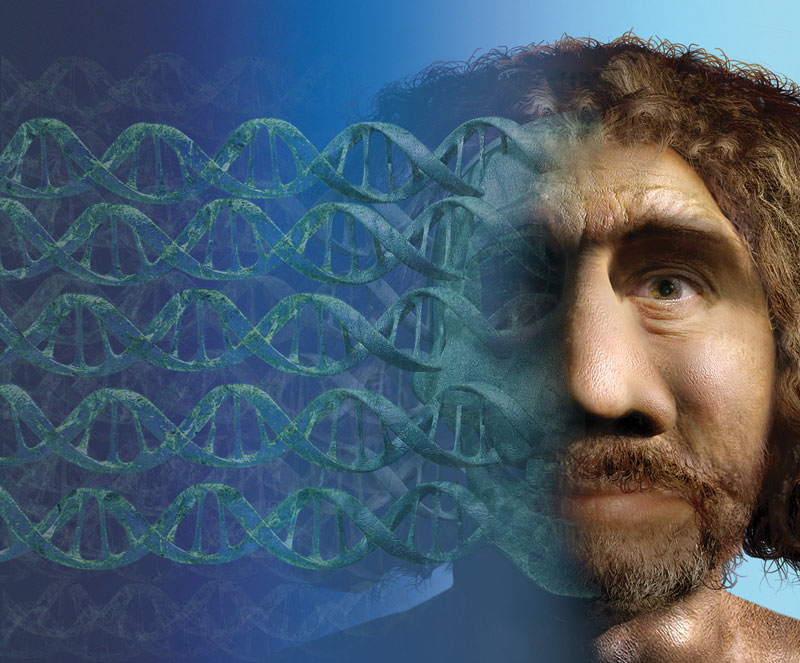
Decoding the Neanderthal Genome - Leipzig, Germany
This past year will always be remembered as the year we found out that the Neanderthals survived and they are us.
-
Features January 1, 2011
"Kadanuumuu" - Woranso-Mille, Ethiopia
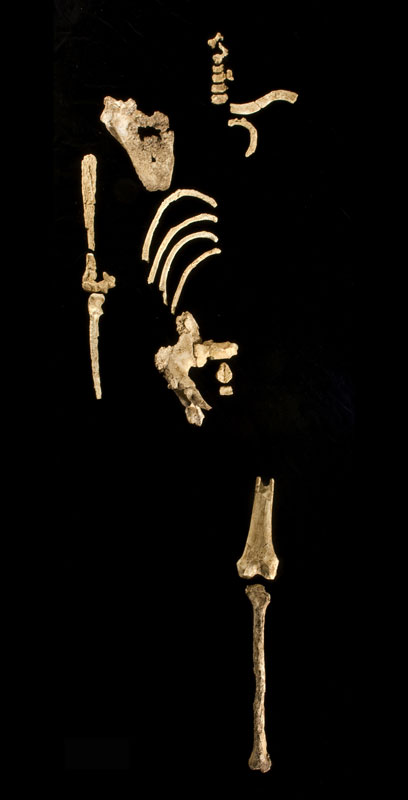
For the last 35 years, the short-legged “Lucy” skeleton has led some scientists to argue that Australopithecus afarensis didn’t stand fully upright or walk like modern humans, and instead got around by “knuckle-walking” like apes. Now, the discovery of a 3.6-million-year-old beanpole on the Ethiopian plains—christened “Kadanuumuu,” or “Big Man” in the Afar language—puts that tired debate to rest. The new fossil demonstrates these early human ancestors were fully bipedal.